3 Days in Kyoto: A Practical Itinerary for First-Time Visitors
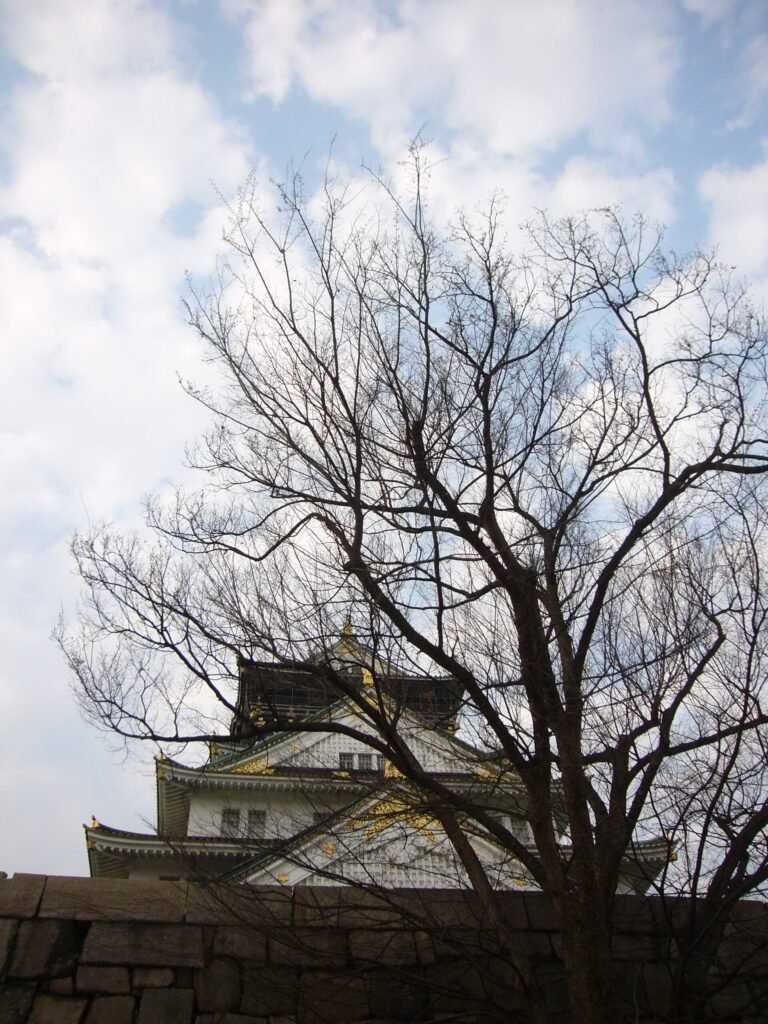
Three days is enough to cover Kyoto’s core sights without racing between them, provided the route is built around geography rather than a bucket list. Bounce between the east side one day and the west the next and half the day disappears to trains and buses. This itinerary groups sights by neighborhood instead — southern Higashiyama and Gion on Day 1, the northwest and Arashiyama on Day 2, the eastern canal with a flexible afternoon on Day 3 — so each day covers ground you’re already standing near.
Every stop below links to a full guide with hours, admission, and crowd-avoidance tips — this is the order to see them in, not the whole story on each one.
Before You Go
Get an IC card (ICOCA or Suica both work) for buses and the subway before Day 1 — see our guide to getting around Kyoto for how the system fits together. Where you sleep affects how much of each day gets eaten by transit; our neighborhood comparison guide breaks down the trade-offs. And if the dates are flexible, our season-by-season guide is worth a look before booking flights — Kyoto’s calendar swings hard between quiet and overwhelmed.
Day 1: Southern Higashiyama and Gion
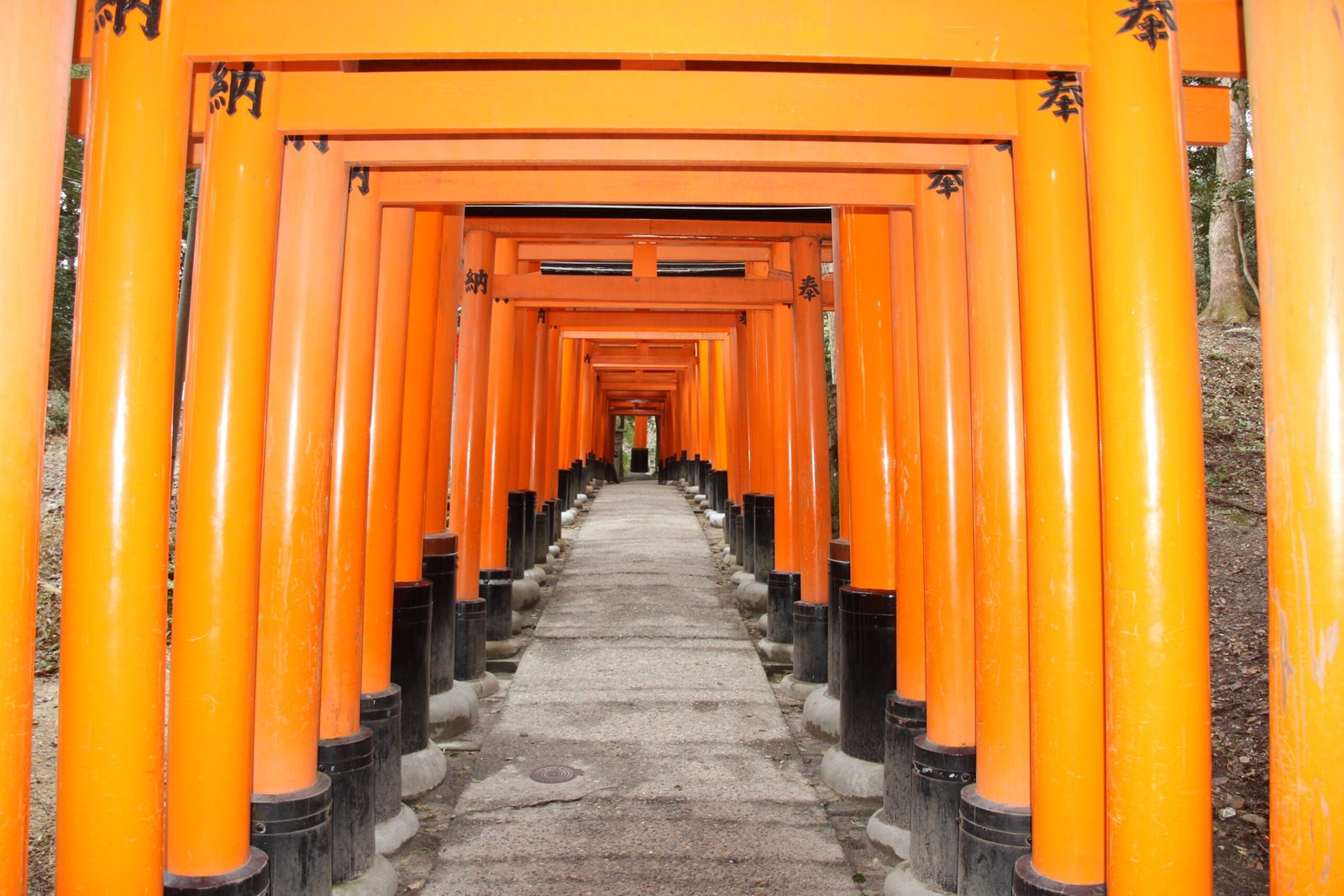
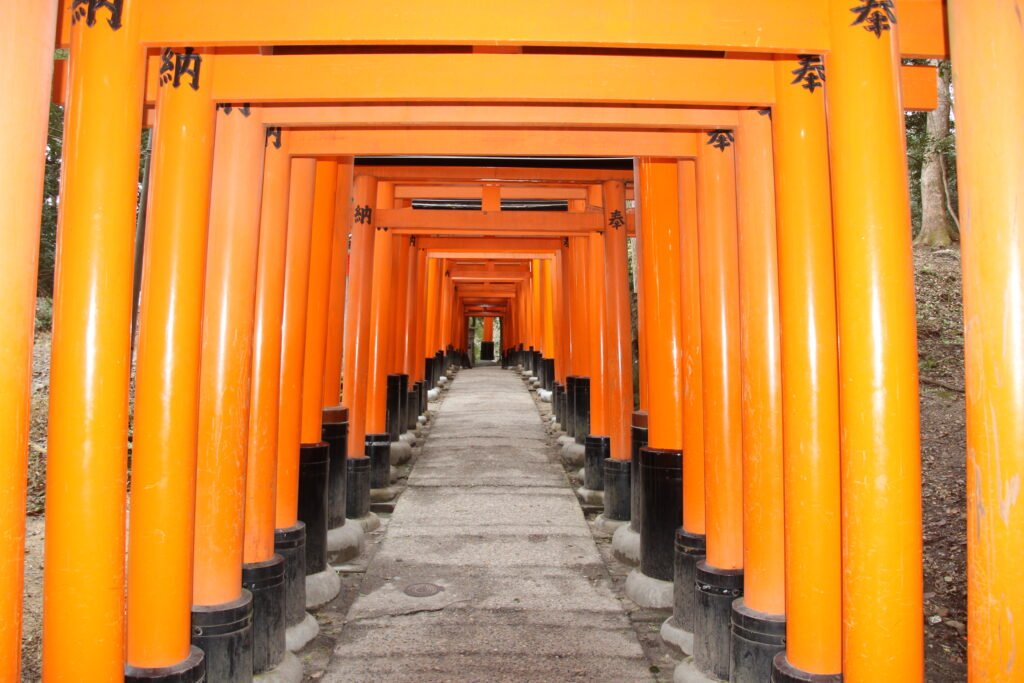
Start at Fushimi Inari Taisha, ideally before 8 a.m. — it’s free, open 24 hours, and the only way to get the famous torii tunnels without a wall of people in every photo. Budget 90 minutes to two hours if you’re climbing partway up the mountain.
From there, head to Kiyomizu-dera and its wooden stage overlooking the hillside, then walk down through Sannenzaka and Ninenzaka, the stone-paved lanes below it lined with old machiya shopfronts — this stretch is also where most kimono rental shops cluster, if that’s part of the day (see our kimono rental guide).
Spend the early evening in Gion, when the lanterns come on and the neighborhood is at its most atmospheric, and have dinner across the river in Pontocho, the narrow lantern-lit alley that’s one of the best places in the city for a proper dinner.
Day 2: Northwest Kyoto and Arashiyama
This side of the city rewards an early start more than any other, since Kinkaku-ji‘s reflecting pond gets crowded fast after it opens at 9 a.m. If it fits the route, Nijo Castle and its squeaking “nightingale floors” open earlier, at 8:45 a.m., and make a good first stop before the crowds build elsewhere.
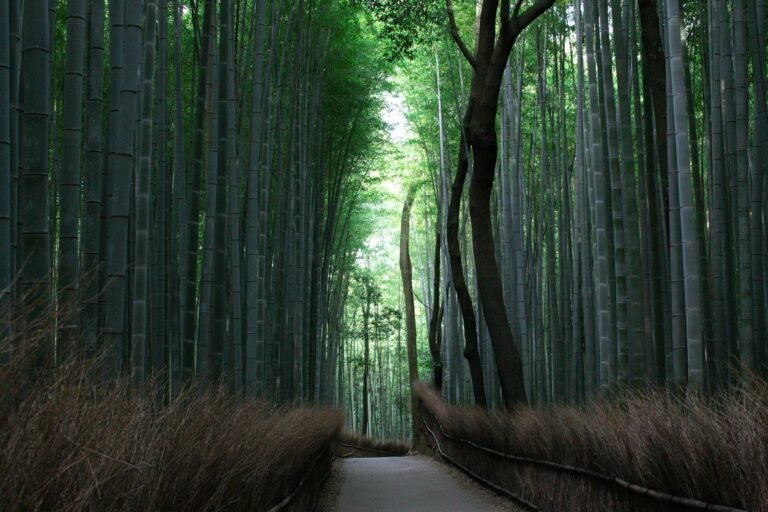
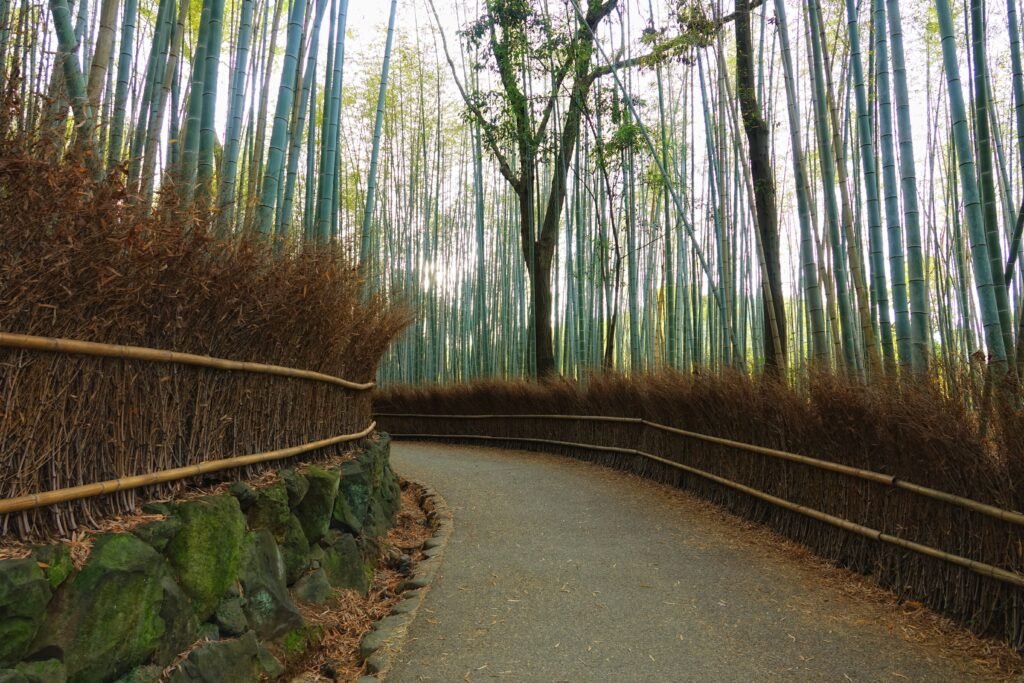
From Kinkaku-ji, it’s a short bus ride to Ryōan-ji for its famous rock garden — plan for a quiet, seated 20 minutes rather than a quick walk-through, since that’s the point of the place. Close the day in Arashiyama, where the bamboo grove is genuinely worth an early-morning or late-afternoon visit — midday turns it into a crowded corridor rather than a peaceful walk — and Tenryu-ji’s garden is one of the best in the city.
Day 3: The Philosopher’s Path and a Flexible Afternoon
Start at Nanzen-ji, with its brick aqueduct running straight through the temple grounds, then follow the Philosopher’s Path north along the canal to Ginkaku-ji, the Silver Pavilion — the walk itself, especially under cherry blossoms or autumn leaves, is as much the point as either temple.
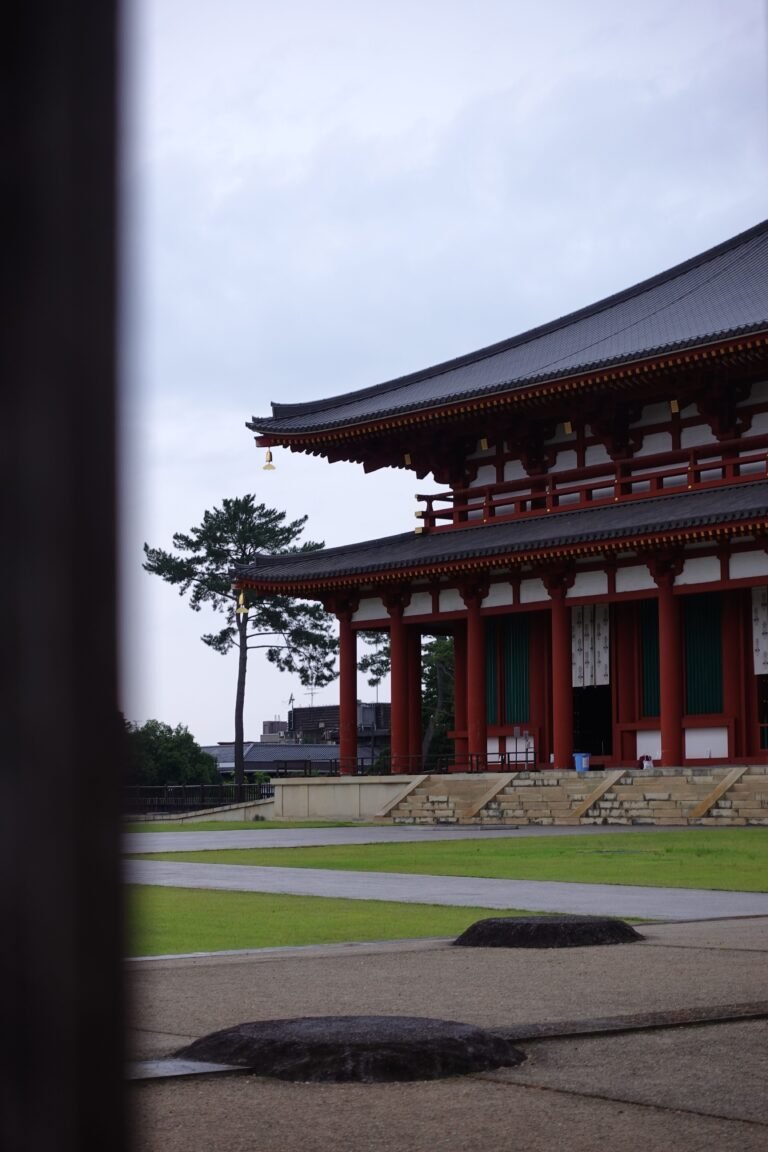
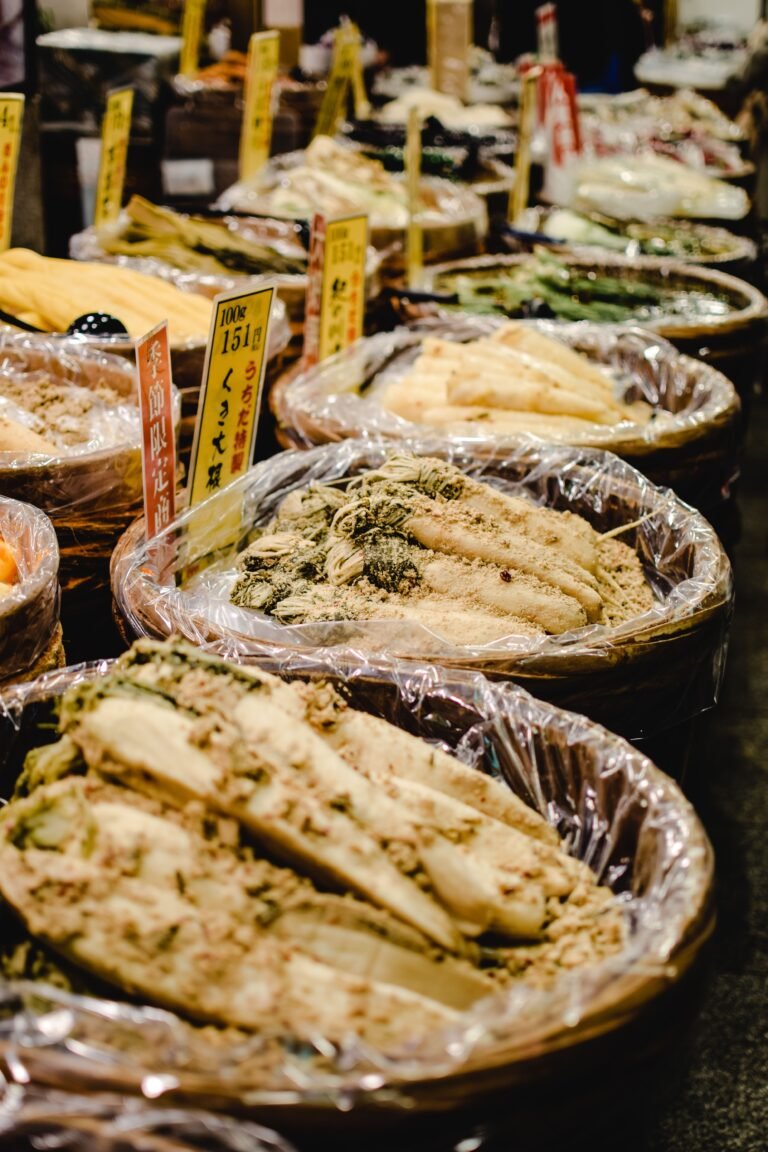
That covers the morning in a couple of hours without rushing. What to do with the afternoon depends on what’s still on the list: the Kyoto Imperial Palace grounds are a calm, open contrast to the temple circuit; Nishiki Market is the pick for food and last-minute souvenirs; and Sanjusangendo‘s hall of 1,001 statues is one of the most striking single rooms in Kyoto if it hasn’t already been crossed off. Travelling with more time, a day trip to Uji for Byodo-in and matcha is worth swapping in for the afternoon instead.
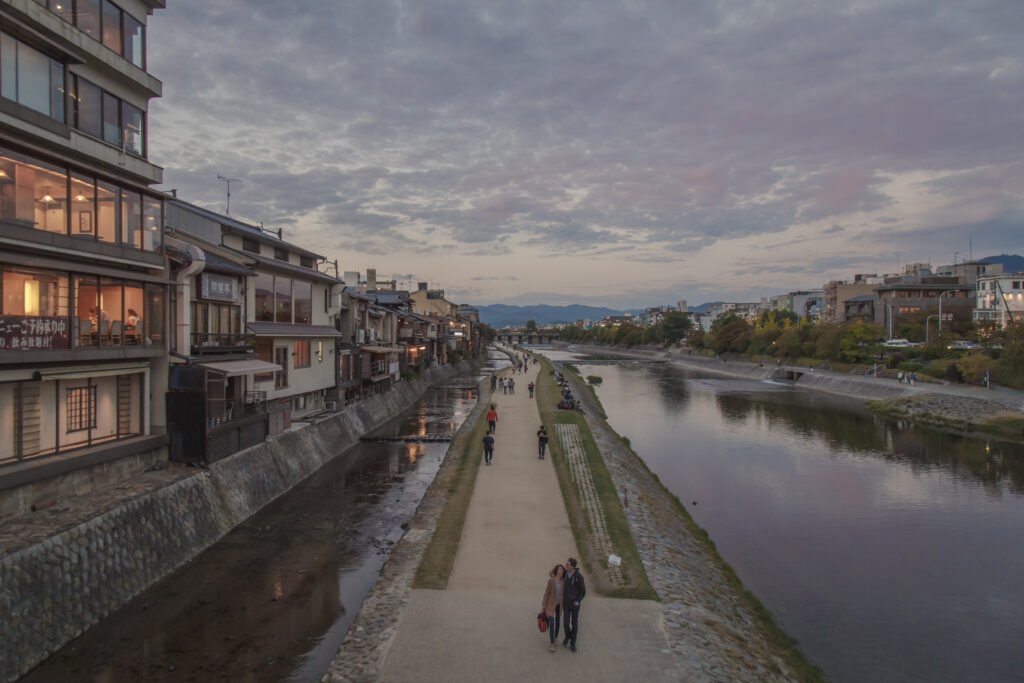
If none of that appeals by then, the simplest option is often the best one: a slow walk along the Kamo River, which cuts through the middle of the city and is where a lot of Kyoto actually unwinds in the evening — joggers, couples sitting along the bank at even intervals, the odd heron in the shallows.
Getting Around and Where to Stay
Buses cover most of this itinerary, though Kinkaku-ji and Arashiyama on Day 2 both move faster on the JR or Randen lines if traffic is bad — see the transit guide for specifics. Basing yourself in Higashiyama, near Kyoto Station, or in central Kyoto around the Kawaramachi and Gion side of the river all put at least two of these three days within easy walking distance; our neighborhood guide compares the main options.
Bottom Line
Three days covers Kyoto’s headline sights comfortably at a walking pace, provided the route stays local each day instead of crossing the city and back. Start early on Day 1 and Day 2 especially — Fushimi Inari and Kinkaku-ji are the two spots where a two-hour head start changes the visit completely — and leave Day 3’s afternoon loose enough to follow whatever’s actually caught your interest by then.