Kitano Tenmangu: A Practical Guide to Kyoto’s Shrine of Learning
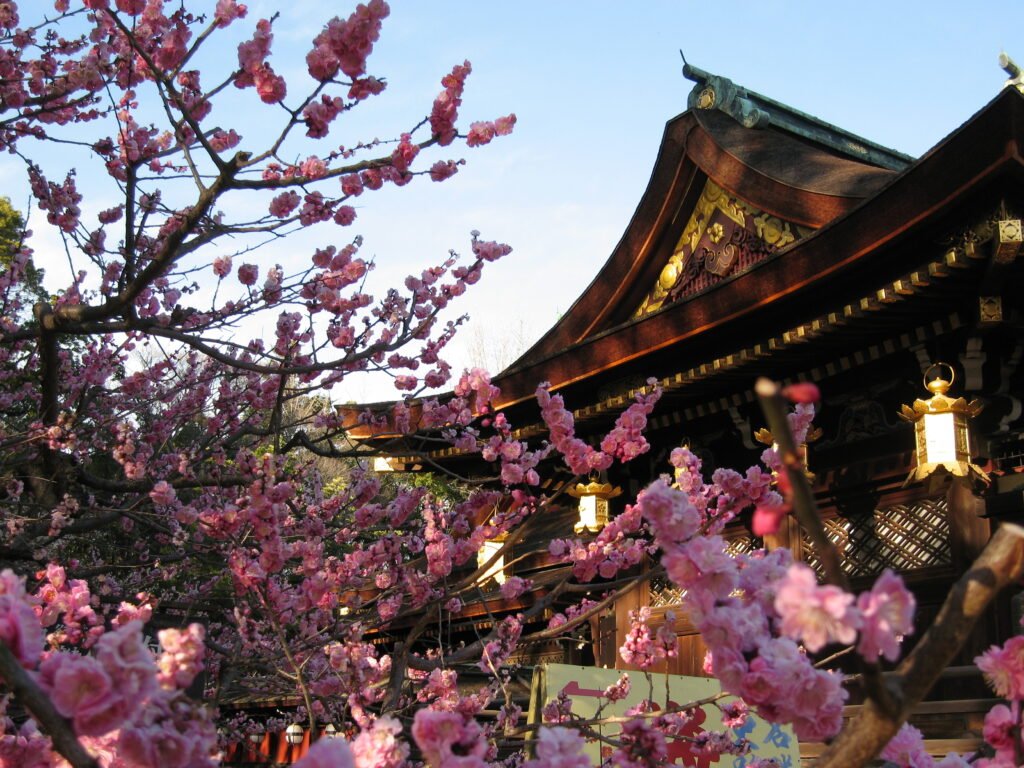
Between exam season and late February, Kitano Tenmangu turns into two different shrines depending on when you show up. Most of the year it’s an unhurried corner of northwest Kyoto — a long stone-lantern approach, wide gravel grounds, students stopping by to tie a wooden prayer plaque before a test. For a few weeks around late February, nearly 2,000 plum trees come into bloom around the main hall, and the same quiet shrine turns into one of the city’s best flower-viewing spots, well ahead of the cherry blossom crowds.
It’s also one of only two shrines in Kyoto with a proper monthly flea market, held on the 25th of every month — worth building a visit around even outside plum season.
Here’s what the visit actually looks like, and how to time it.
The Essentials at a Glance
| What | Details |
|---|---|
| Admission (shrine grounds) | Free |
| Grounds hours | Roughly 6:30 a.m.–5:00 p.m. (later on days the plum or maple garden is open) |
| Plum garden (Baien) | Early Feb–mid March, 9:00 a.m.–8:30 p.m.; ¥3,000 at the gate (¥2,800 advance), includes matcha and a sweet |
| Baikasai plum festival | February 25 — tea ceremony with maiko and geiko from Kamishichiken |
| Maple garden | Late Oct–early Dec, ¥1,200, evening illumination |
| Treasure House | ¥1,000, open the 25th of each month (10 a.m.–4 p.m.) plus special exhibitions |
| Tenjin-san flea market | 25th of every month, roughly 6 a.m. until sunset |
| Getting there | Bus 50 from Kyoto Station (¥230, ~30 min) to Kitano Tenmangu-mae |
A Shrine Built for Scholars
Kitano Tenmangu is dedicated to Sugawara no Michizane, a ninth-century scholar and government minister exiled from Kyoto on false charges shortly before his death. When a string of disasters and untimely deaths struck the capital afterward, they were blamed on his aggrieved spirit, and this shrine was built in 947 to appease him. Michizane was later deified as Tenjin, god of scholarship, and Kitano Tenmangu became the head shrine for several hundred Tenmangu and Tenjin shrines across the country.
That history explains the crowd: racks of wooden ema plaques line the approach, most written in careful handwriting asking for help passing an entrance exam. Bronze ox statues are scattered around the grounds — Michizane was said to have been born, and to have died, on ox-related dates — and visitors rub them for good luck, the head especially if the wish involves studying. According to legend, a plum tree by Michizane’s Kyoto home missed him so much after his exile that it flew south to join him in Kyushu; a plum tree stands before the offering hall of every Tenmangu shrine in its memory, this one included.
Getting There
City bus 50 runs directly from Kyoto Station to the Kitano Tenmangu-mae stop, about 30 minutes for ¥230 — the simplest option and the one most visitors take. The alternative is the Karasuma subway line to Imadegawa Station, then a short ride on bus 203; not meaningfully faster, but useful if you’re already routing through the subway. The shrine sits close enough to Kinkaku-ji and Ryōan-ji to fold into the same northwest Kyoto afternoon.
Plum Season and Baikasai
The plum garden (baien) opens for about six weeks, from early February to mid-March, when nearly 2,000 trees across some 50 varieties bloom in staggered waves — early, mid, and late bloomers mean the garden rarely peaks all at once, so most weeks in that window catch something in flower. Entry costs ¥3,000 at the gate, slightly less booked in advance, and includes a bowl of matcha and a seasonal sweet at a tea house inside the garden — a genuinely large jump from what a plum garden usually costs elsewhere in the city, so go in expecting a seated tea experience rather than a quick walk-through. Garden hours run 9:00 a.m. to 8:30 p.m., last entry 8:00 p.m., with evening illumination toward closing.
The single best day to visit is February 25, Baikasai, when the shrine holds a public tea ceremony inside the plum grove attended by maiko and geiko from Kamishichiken, Kyoto’s oldest geisha district, a few minutes’ walk from the shrine gate. It draws a real crowd, so arrive early if a seat at the ceremony matters to you — otherwise the grounds are worth wandering regardless.
Visiting for autumn colour instead, the shrine opens a separate maple garden from late October through early December, ¥1,200 with evening illumination — a smaller, calmer alternative to Eikan-do or Tofuku-ji on a day those are packed.
The Tenjin-San Market
On the 25th of every month, honoring Michizane’s death date, the shrine grounds and the arcade leading to them fill with the Tenjin-san market — one of Kyoto’s two big monthly flea markets, alongside Kobo-san at Tōji on the 21st. Stalls run from around 6 a.m. until sunset: used kimono, antique ceramics, potted plants, and street food spread across the precinct. Get there early for the best antiques, since good stalls sell out well before closing. The year’s final market, on December 25 and known as Shimai Tenjin, is usually the busiest.

The shrine’s Treasure House, holding Michizane’s personal effects and a portrait scroll, opens only on the 25th of each month (10 a.m.–4 p.m.) and during special exhibitions — ¥1,000, and worth combining with a market-day visit since both run on the same date.
Bottom Line
Kitano Tenmangu rewards timing more than most Kyoto shrines: free and pleasant any day of the year, genuinely lively on the 25th when the market fills the grounds, and worth building a whole afternoon around in late February when the plum trees peak. If tying an ema plaque before an exam and rubbing a bronze ox for luck sounds like a good way to spend a Kyoto afternoon, it usually is.