Kimono Rental in Kyoto: A Practical Guide to Renting, Wearing, and Where to Go
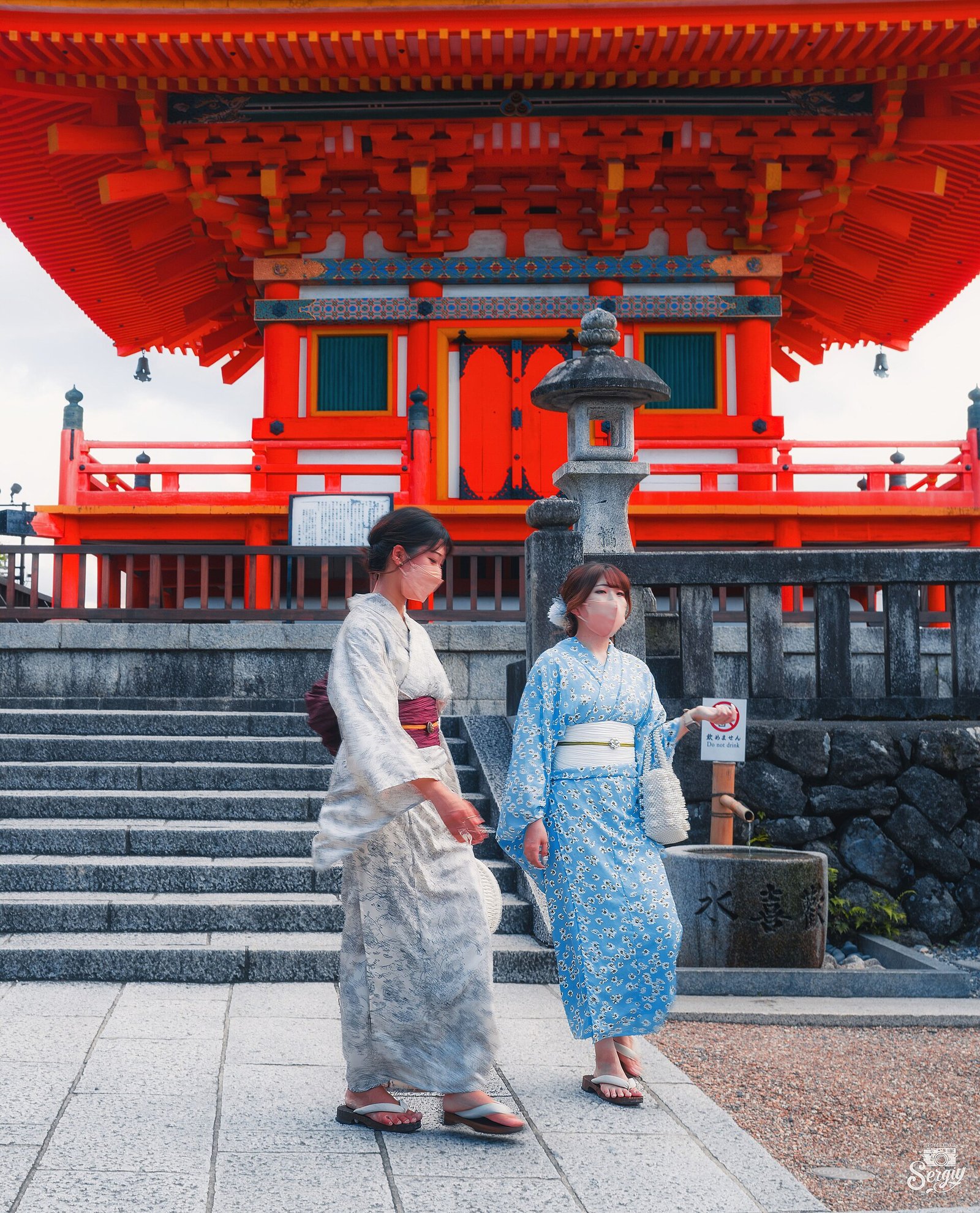
Walk through Higashiyama or Arashiyama on any given day and a large share of the crowd will be in kimono — almost none of them locals. Same-day kimono rental has become one of the standard Kyoto activities, less a costume gimmick than a genuinely different way to see the city’s temples and stone-paved streets.
It’s also one of the more approachable tourist activities in Japan: no reservation required at most shops, no experience needed, and the whole process from picking a pattern to walking out the door usually takes well under an hour.
Here’s what it actually costs, what’s included, and where the photos come out best.
The Essentials at a Glance
| What | Details |
|---|---|
| Basic kimono/yukata rental | From ¥4,000–5,000; includes obi, footwear, and accessories |
| Premium sets (geisha-style, samurai, couples sets) | ¥10,000–13,000 |
| Hair styling & makeup | Add-on, typically ¥1,000–3,000 |
| Dressing time | Usually 30–45 minutes |
| Rental duration | Full day, until the shop’s closing time (typically 5–6 p.m.) |
| Best neighborhoods for shops | Higashiyama (near Kiyomizu-dera) and Arashiyama |
What’s Included and What It Costs
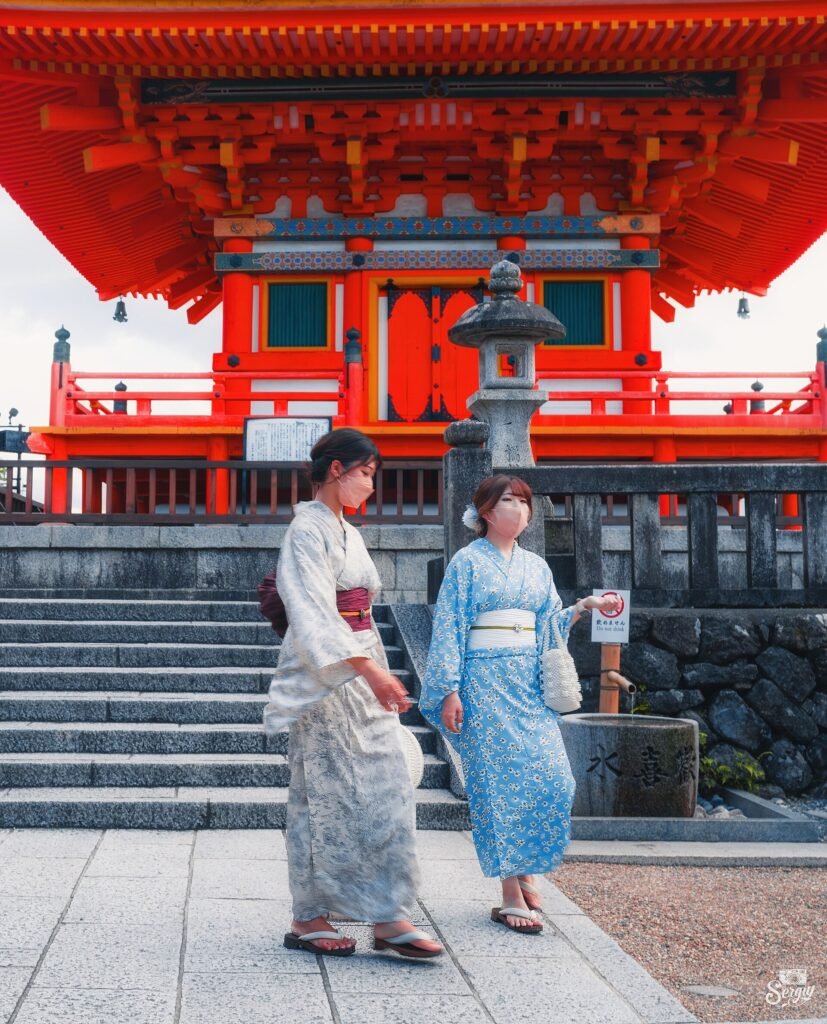
Basic rental packages, starting around ¥4,000–5,000, get you a kimono or yukata, an obi (sash), sandals, and a small bag for your belongings — you pick a pattern from what’s in stock, and staff handle the actual dressing, since a properly tied obi is not something most first-timers can manage alone. Premium packages in the ¥10,000–13,000 range add higher-end fabric, more elaborate obi styles, or themed sets like samurai wear for men.
Hair styling and makeup are almost always a separate add-on, usually another ¥1,000–3,000, and worth it if photos are the point of the day — a modern hairstyle under a traditional kimono tends to look more like a costume than an outfit.
How the Day Works
Most shops don’t require advance booking outside of peak cherry blossom and autumn foliage weekends, when it’s worth reserving a slot the day before. Once you’ve chosen a kimono and had it fitted — a process that usually takes 30 to 45 minutes, including hair if you’ve added it — you’re free to go sightseeing for the rest of the day and return the outfit at closing, typically around 5 or 6 p.m.
A few practical notes: the sandals (zori or geta) take some getting used to and aren’t built for long walks, so plan a route with less ground to cover than usual; layer up underneath in winter, since kimono aren’t especially warm; and check the shop’s rain policy before booking during Kyoto’s rainy season, since some offer free reschedules and others don’t.
Where It Looks Best
Higashiyama is the default choice for good reason — the stone-paved slopes of Sannenzaka and Ninenzaka leading up to Kiyomizu-dera were basically built for this, and most rental shops in the area are clustered within a few minutes’ walk of the temple.
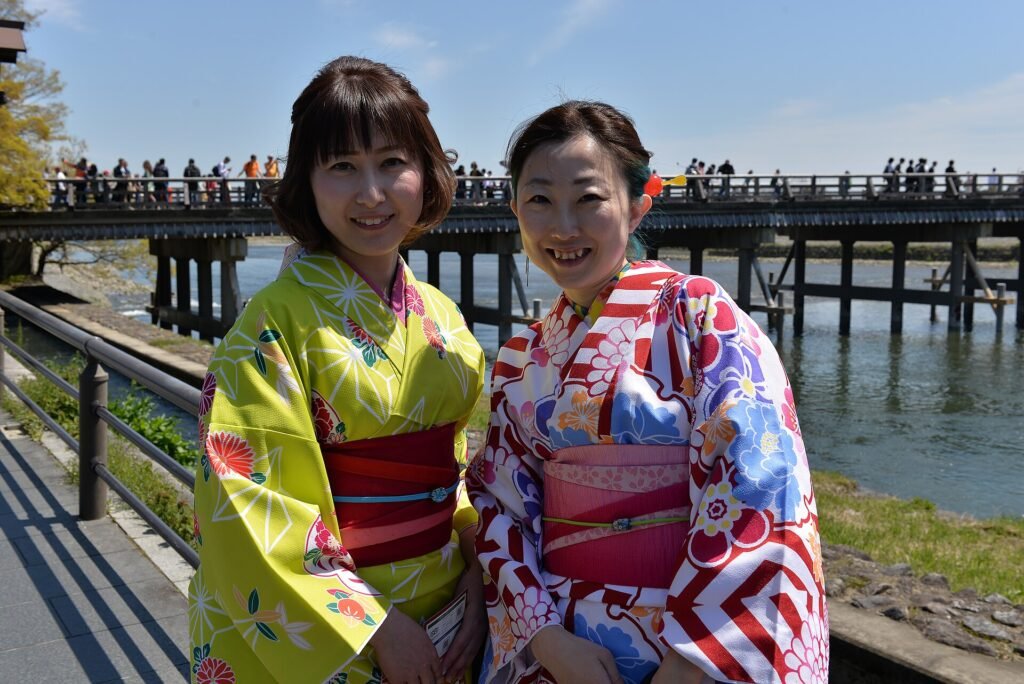
Arashiyama, on the west side of the city, is the other major option, especially around the Togetsukyo bridge and the bamboo grove covered in our Arashiyama guide — the light filtering through the bamboo makes for a different kind of photo than Higashiyama’s stone streets.
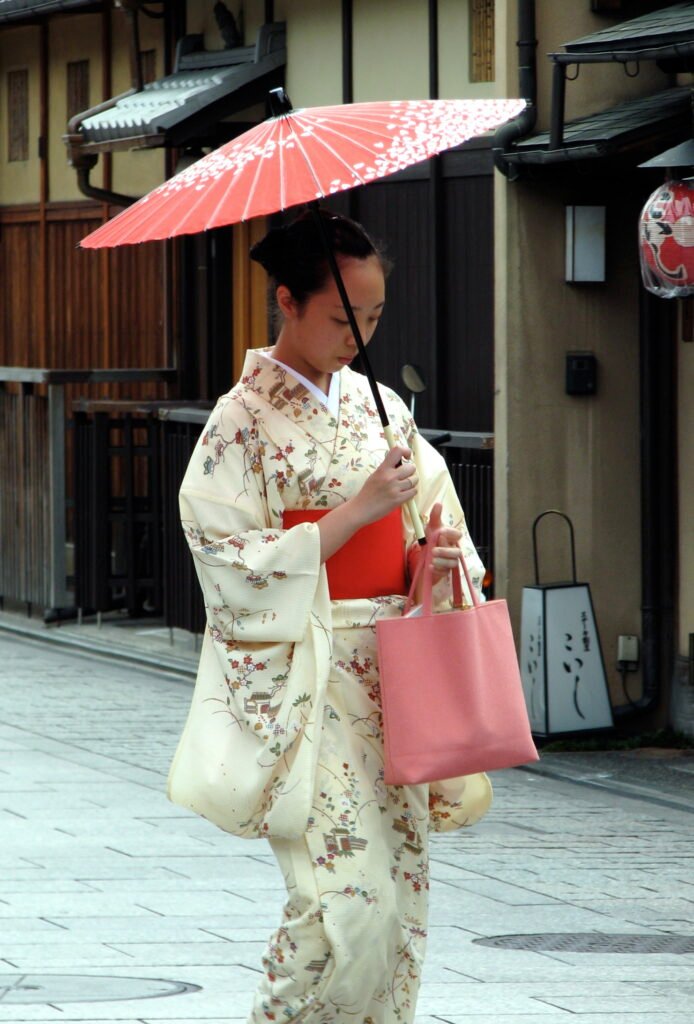
Gion‘s wooden machiya streets are a third option, quieter in daylight than Higashiyama and closer to what a kimono actually looked like as everyday wear rather than temple-visit clothing — just be careful not to block private laneways or approach anyone who looks like an actual working geiko or maiko for photos, a real and ongoing problem in the neighborhood.
Bottom Line
A day in kimono costs about the same as a nice lunch and changes how a set of streets you might otherwise walk through quickly actually feels to be in. Book same-day if you can, budget the extra ¥1,000–3,000 for hair if photos matter to you, and pick one neighborhood — Higashiyama, Arashiyama, or Gion — rather than trying to cover all three in sandals not built for it.