Best Time to Visit Kyoto: A Season-by-Season Guide
“When’s the best time to visit Kyoto?” doesn’t have one answer, and anyone who gives you a single month without asking what you’re after is skipping the actual tradeoffs. Cherry blossom season is genuinely beautiful and genuinely the most crowded and expensive three weeks of the year. Winter is the opposite on both counts. The right answer depends on whether you’re chasing a specific view, dodging crowds, or just trying to keep your hotel budget under control.
Kyoto has four real seasons, and each one changes not just the temperature but which temples are worth prioritizing, how far ahead you need to book, and how much elbow room you’ll have once you get there.
Here’s what each season actually looks like on the ground, so you can pick based on what you actually want out of the trip.
The Quick Answer
| Season | Weather | Crowds & Prices | Best For |
|---|---|---|---|
| Spring (Mar–May) | 11–17°C, warming through the season, around 10 rainy days a month | Highest of the year, especially early April | Cherry blossoms, if you book months ahead |
| Summer (Jun–Aug) | 20–30°C, hot and humid; rainy season late June into late July; occasional days above 37°C | Lower outside festival dates | Gion Matsuri (July) and Obon (mid-August) |
| Autumn (Sep–Nov) | 14–22°C, cool and comfortable; fewer rainy days as the season goes on | Rises sharply in November for foliage | Comfortable walking weather, maple colors in late Nov |
| Winter (Dec–Feb) | 2–9°C, cold and dry, occasional snow | Lowest of the year outside New Year’s | Quiet temples, lower hotel prices, snow photos |
Spring: Cherry Blossoms and the Biggest Crowds of the Year
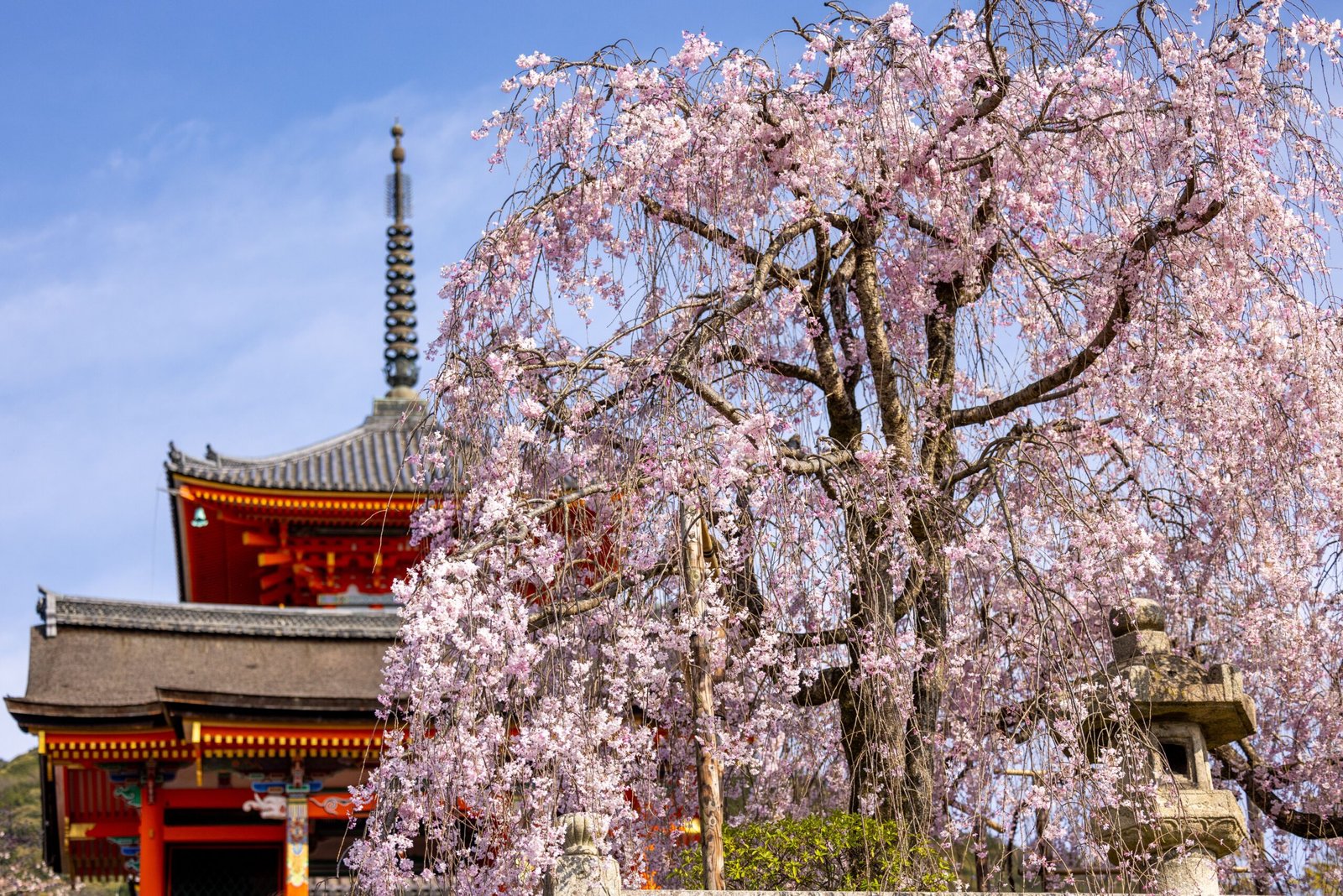
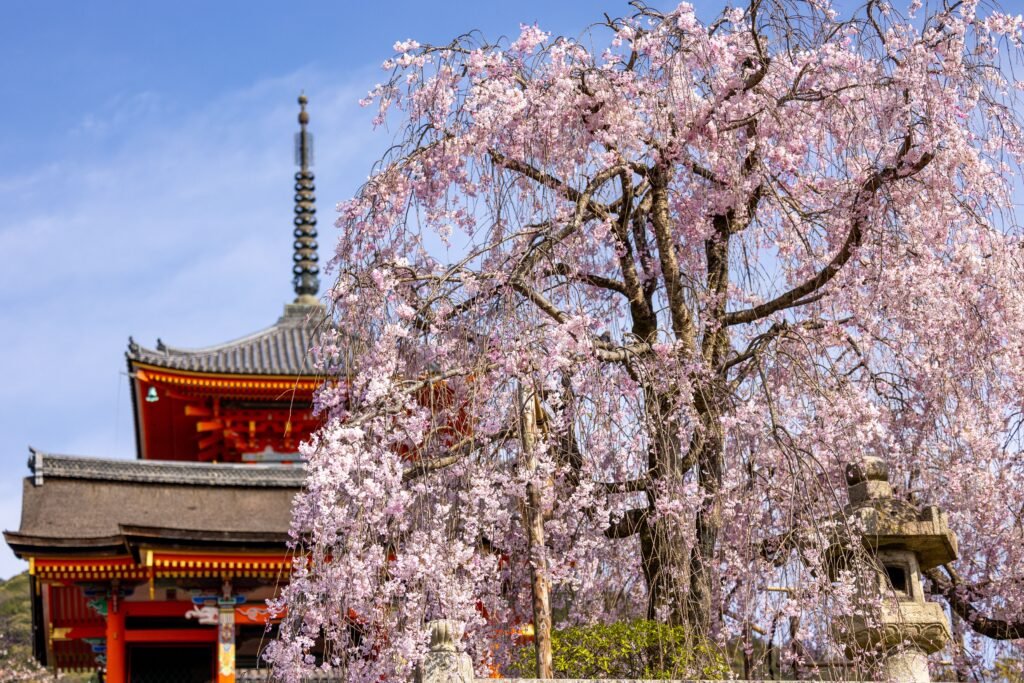
Peak bloom in Kyoto typically lands between April 1 and April 10, though it shifts by up to a week or two depending on the year, so don’t lock in dates too far in advance if the blossoms are your main goal. Hotel prices climb well before the flowers actually open, and the popular viewing spots — Maruyama Park, the Philosopher’s Path, the Kamo River banks — get genuinely packed on weekends during peak week.
If you’re set on this season, start your days at 8:00–8:30 a.m., before tour groups arrive, and treat the afternoon as time for indoor stops or quieter neighborhoods instead of fighting crowds at the same handful of famous spots everyone else is aiming for.
Summer: Heat, Humidity, and the Gion Matsuri Trade-off
June through late July is Kyoto’s rainy season, which sounds unpleasant but actually keeps temperatures down; August, once the rain clears, is when the real heat and humidity arrive, with highs sometimes pushing past 37°C. It’s the least comfortable season for temple-hopping on foot.
What makes summer worth considering anyway is the festival calendar. Gion Matsuri runs all of July, with its two major parades on the 17th and 24th, and it’s one of Japan’s most famous festivals for good reason — see our Gion Matsuri guide for how to actually watch it without melting. Mid-August brings Obon and the Gozan Okuribi bonfires lit on the hillsides around the city, another once-a-year event worth planning a trip around if the dates line up.
Autumn: The Quiet Favorite, Until Mid-November
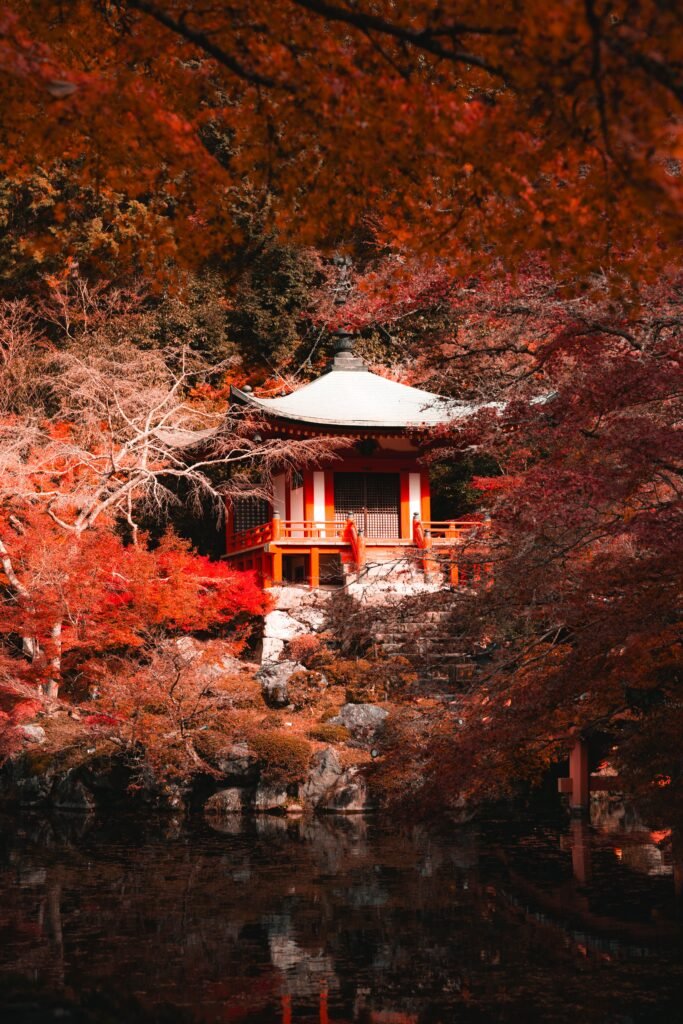
September is still summer-hot in practice, and color doesn’t really start until late October. Peak foliage lands in mid-to-late November, concentrated at maple-heavy temples like Eikan-do and Tofuku-ji. Weather-wise, this is arguably the most pleasant season to be outside all day — but by the second and third weeks of November, crowds at the famous foliage spots rival cherry blossom season, just spread across a slightly longer window.
If you want the shoulder-season version of autumn, aim for late September through early October: still warm, noticeably quieter, and green rather than red, but without the crowds that show up once the maples turn.
Winter: Cold, Quiet, and Underrated
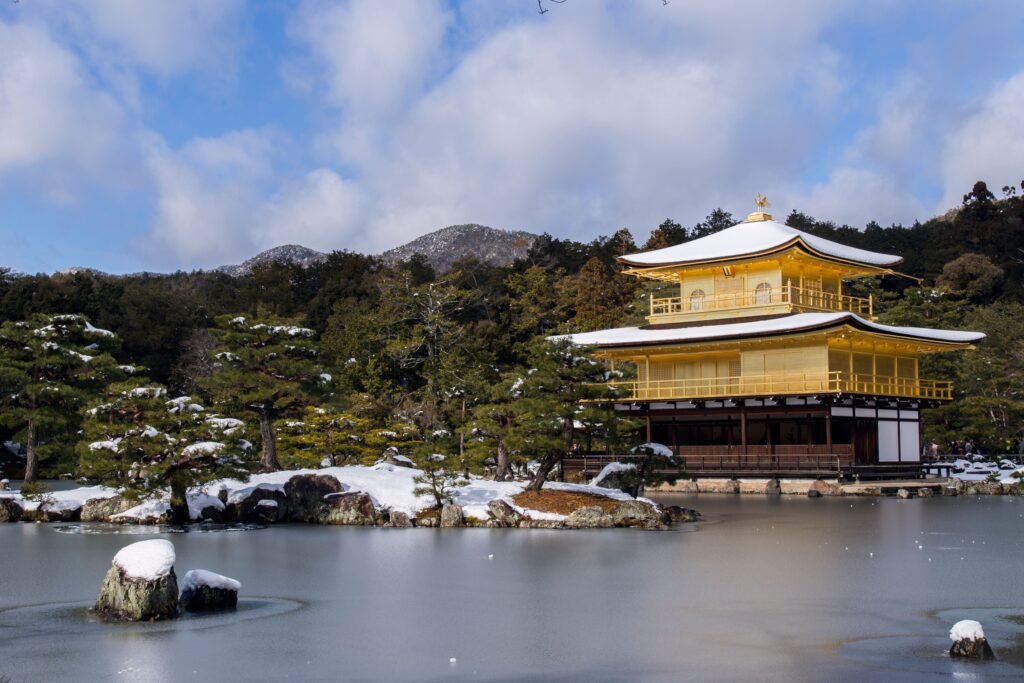
December through February is cold and dry, with occasional snowfall that turns Kinkaku-ji and the city’s temple gardens into a genuinely different, quieter version of themselves. Outside of the New Year period — when Yasaka Shrine and Chion-in draw large crowds for countdown events and bell-ringing ceremonies — winter is by far the lowest-crowd, lowest-price season to visit.
If your priority is stretching a budget further, this is also the easiest season to do it in: hotel rates drop, and our guide to visiting Kyoto on a budget covers the rest of the ways winter travel costs less.
So, When Should You Actually Go?
If cherry blossoms are non-negotiable, accept the cost and the crowds and book your hotel as early as you can. If you want comfortable weather and a real festival without the full spring chaos, June or early October are the underrated picks. And if your priority is a quiet, affordable trip and you don’t mind the cold, winter delivers more of both than any other season — you’ll just trade the flowers for empty gardens and the occasional dusting of snow.
Bottom Line
There’s no wrong season to see Kyoto, but there is a wrong season for a specific kind of trip. Match the season to what you actually want — blossoms, festivals, foliage, or quiet — rather than defaulting to spring because it’s the postcard answer, and you’ll end up with a trip that fits how you actually like to travel.