Kyoto Imperial Palace: A Practical Guide to the Old Imperial Grounds
For most of its history, actually seeing inside the Kyoto Imperial Palace meant filling out paperwork days in advance. That changed in 2016, and most visitors still don’t seem to know it: you can now walk up and go in, no reservation, no forms, same day, most days of the year.
The palace sits inside Kyoto Gyoen, a large park in the middle of the city that’s always open and free on its own. The palace grounds themselves are a separate, gated section within that park, open on a set schedule with its own entrance and a short security check.
The Essentials at a Glance
| What | Details |
|---|---|
| Admission | Free |
| Reservation | Not required — walk-in only |
| Guided tours | Free, in English at 10:00 and 14:00; Japanese tours run more frequently |
| Closed | Mondays (next day if Monday is a holiday), and December 28–January 4 |
| Typical visit length | 45–60 minutes for the guided route |
| Footwear note | The visitor route is gravel — wear comfortable shoes |
| Nearest stations | Marutamachi or Imadegawa (Karasuma subway line), both a short walk from park entrances |
Getting There
Kyoto Gyoen sits right in the middle of the city, and the Karasuma subway line runs along its western edge — Marutamachi Station for the southern part of the park, Imadegawa for the northern part, both a short walk from an entrance gate. From Kyoto Station, that’s about 10 minutes on the subway plus walking time.
Once inside Gyoen park, signs point toward Seimon, the palace’s main visitor entrance, where you’ll pass through a bag check before entering the palace grounds themselves.
When to Go
Unlike most of Kyoto’s major sights, this one doesn’t reward an early-morning rush in the same way — it’s large, walk-in, and rarely feels genuinely crowded even at midday, since it hasn’t shown up on as many must-see lists as the city’s temples. That said, the English guided tours at 10:00 and 14:00 are the easiest way to actually understand what you’re looking at, so it’s worth timing your visit around one of those two slots if you want the context.
Double-check the closed days before you go — Mondays catch a lot of visitors off guard, and the palace occasionally closes without notice for state visits.
What You’re Actually Walking Through
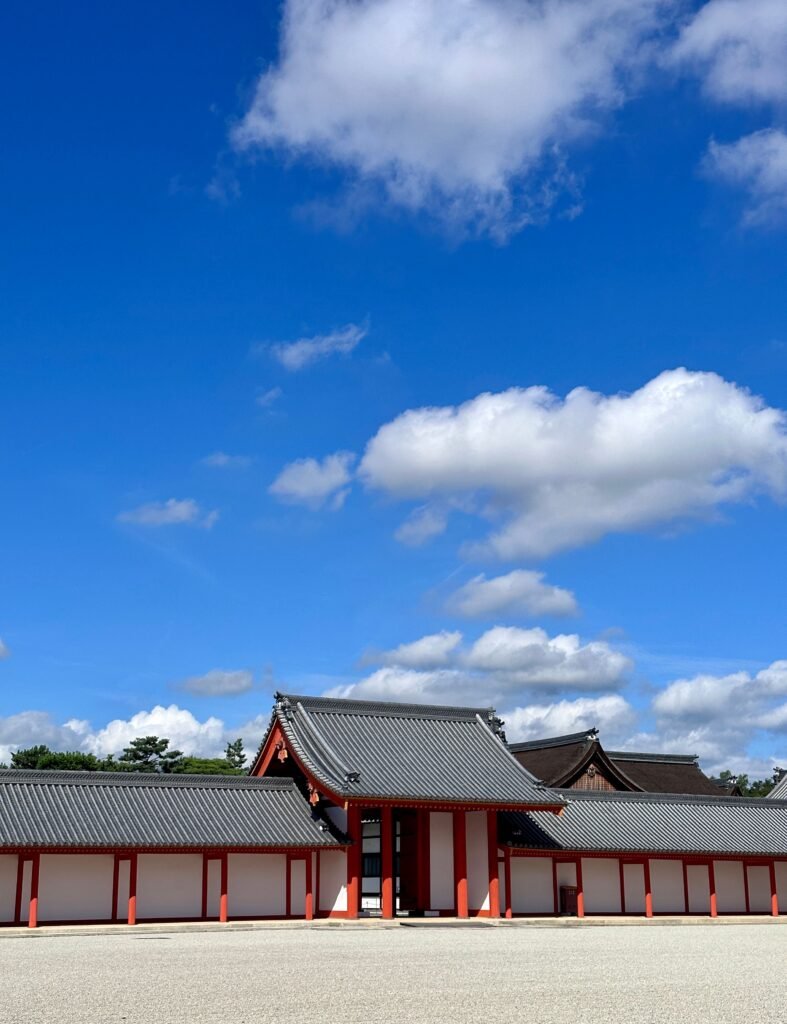
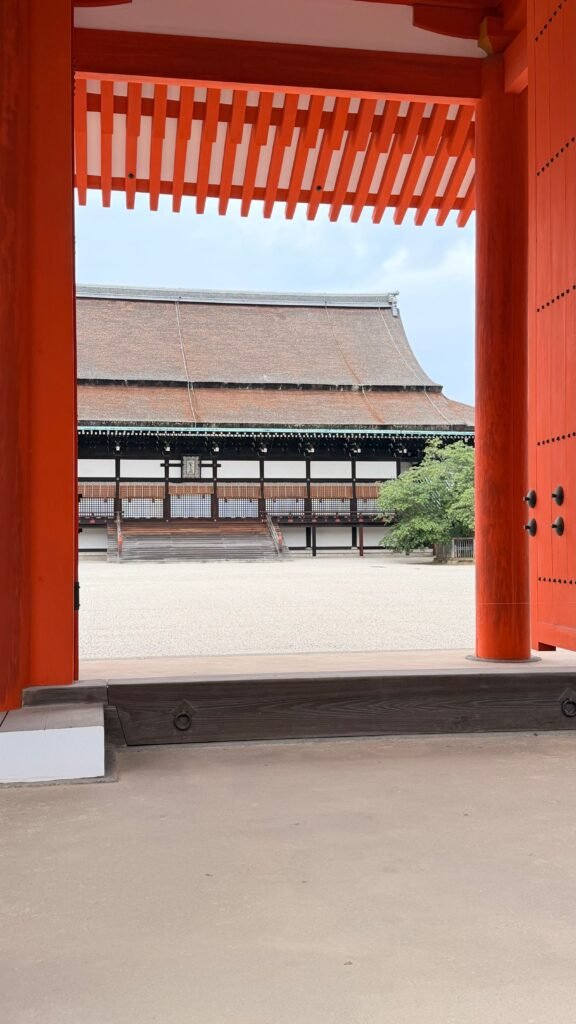
Shishinden Hall. The ceremonial heart of the palace, used historically for enthronement ceremonies, with a wide gravel courtyard in front of it that’s the single most photographed view on the visitor route.
Seiryoden and Kogosho. A series of connected halls used for the emperor’s daily life and formal audiences, viewed from the walking route rather than entered — the palace remains a working Imperial Household Agency site, not a museum you wander freely.
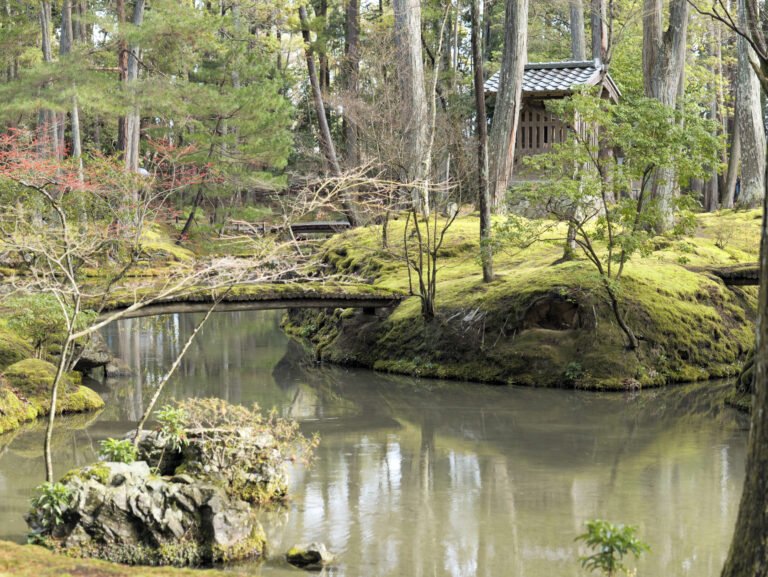
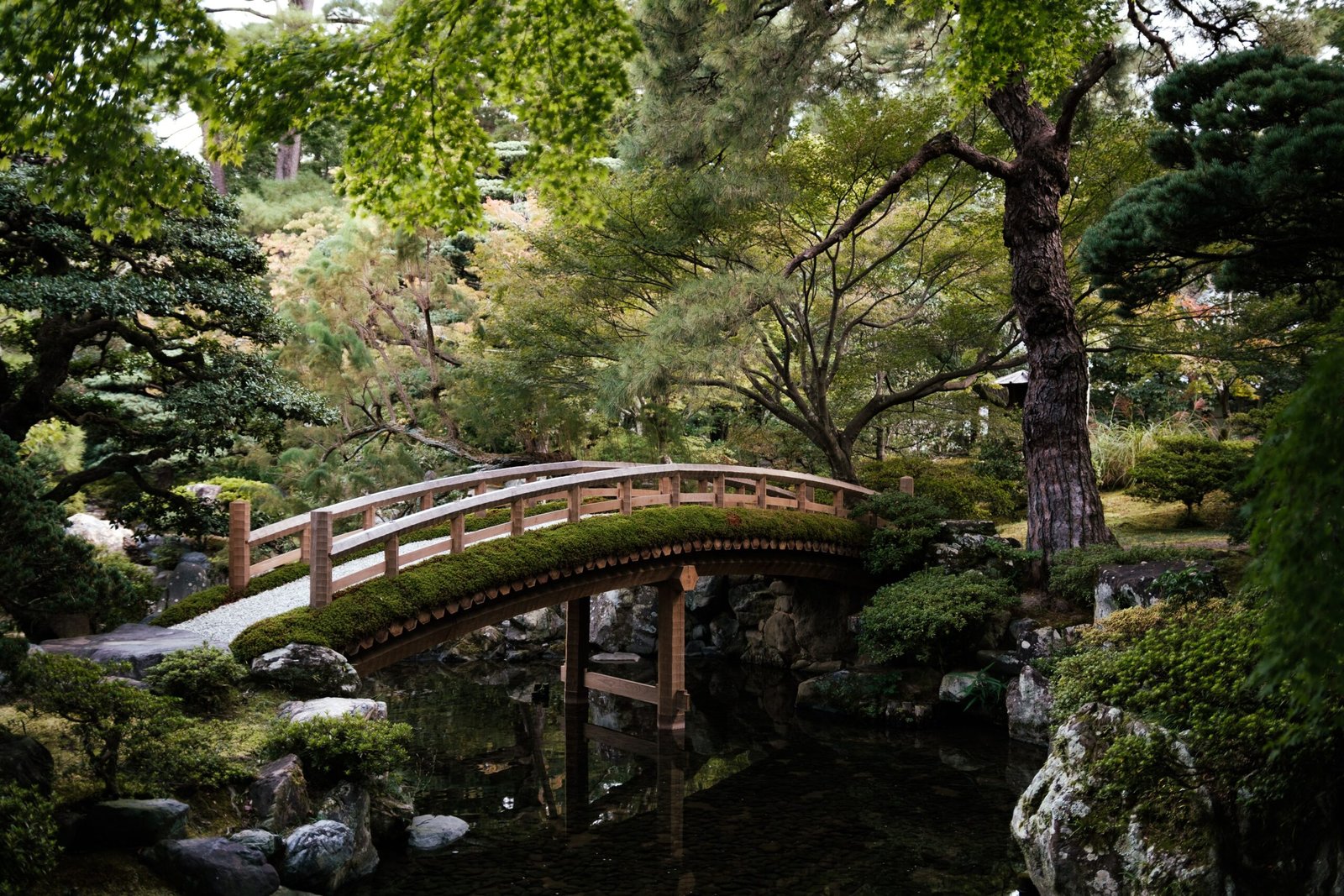
Oikeniwa Garden. A pond garden near the end of the route, built in a different, softer style than the formal ceremonial buildings — a good place to slow down after the more structured parts of the visit.
Kyoto Gyoen itself. Even if you skip the palace grounds, the park surrounding it is worth a walk on its own — wide gravel paths, old pine trees, and enough open space that it’s genuinely quiet even a few minutes’ walk from downtown Kyoto.
Nearby, If You Have More Time
Kyoto Sento Imperial Palace, a separate retired-emperor’s residence with its own well-regarded garden, sits inside the same Gyoen park but requires a reservation to visit — worth planning ahead for if you have a specific date in mind. Doshisha University’s historic campus borders the park’s northwest corner and is open to walk through casually.
Where to Stay Nearby
Kyoto Gyoen sits close to Kawaramachi and downtown Kyoto, making almost any central neighborhood a workable base for a visit here. Our Kyoto neighborhood comparison guide breaks down those central areas in more depth.
Given the palace’s central, well-connected location, you don’t need to stay especially close to it — anywhere along the Karasuma subway line puts it within easy reach. Booking.com covers the range of options in this part of the city.
Bottom Line
This is one of the easiest major sights in Kyoto to add to a trip precisely because it asks so little of you — no reservation, no fee, and a schedule generous enough that it rarely feels rushed. Time it around one of the English tour slots if you want more than just the buildings, and budget a few extra minutes to walk the wider park around it.