Kansai Airport to Kyoto: A Practical Guide to Trains, Buses, and Transfers
This guide contains affiliate links. If you book through them, Kyoto Journey may earn a small commission at no extra cost to you. Learn more.
Kansai International Airport (KIX) sits on an artificial island in Osaka Bay, which means landing there is only the first leg of getting to Kyoto — the city itself is roughly 75 kilometers north, and there is no way around a transfer of an hour or more. The good news is that the options are well established and easy to use even on a first trip to Japan. Here is how the main ways of making that transfer actually compare, with real numbers rather than guesses.
The Essentials at a Glance
| Method | Roughly | Fare (one-way, adult) |
|---|---|---|
| Haruka Limited Express (train) | 75–90 minutes to Kyoto Station | About ¥3,060–¥3,590, depending on seat type |
| Airport limousine bus | 85–90 minutes to Kyoto Station | About ¥2,800 |
| Shared door-to-door shuttle | 90+ minutes, depending on other stops | About ¥4,300–¥6,000 per person |
| Private taxi | About 75–90 minutes | From roughly ¥24,000 per vehicle, plus tolls |
| Rental car (self-drive) | About 90 minutes by expressway | Varies; requires a valid license or IDP |
The Haruka Limited Express (the Option Most People Take)
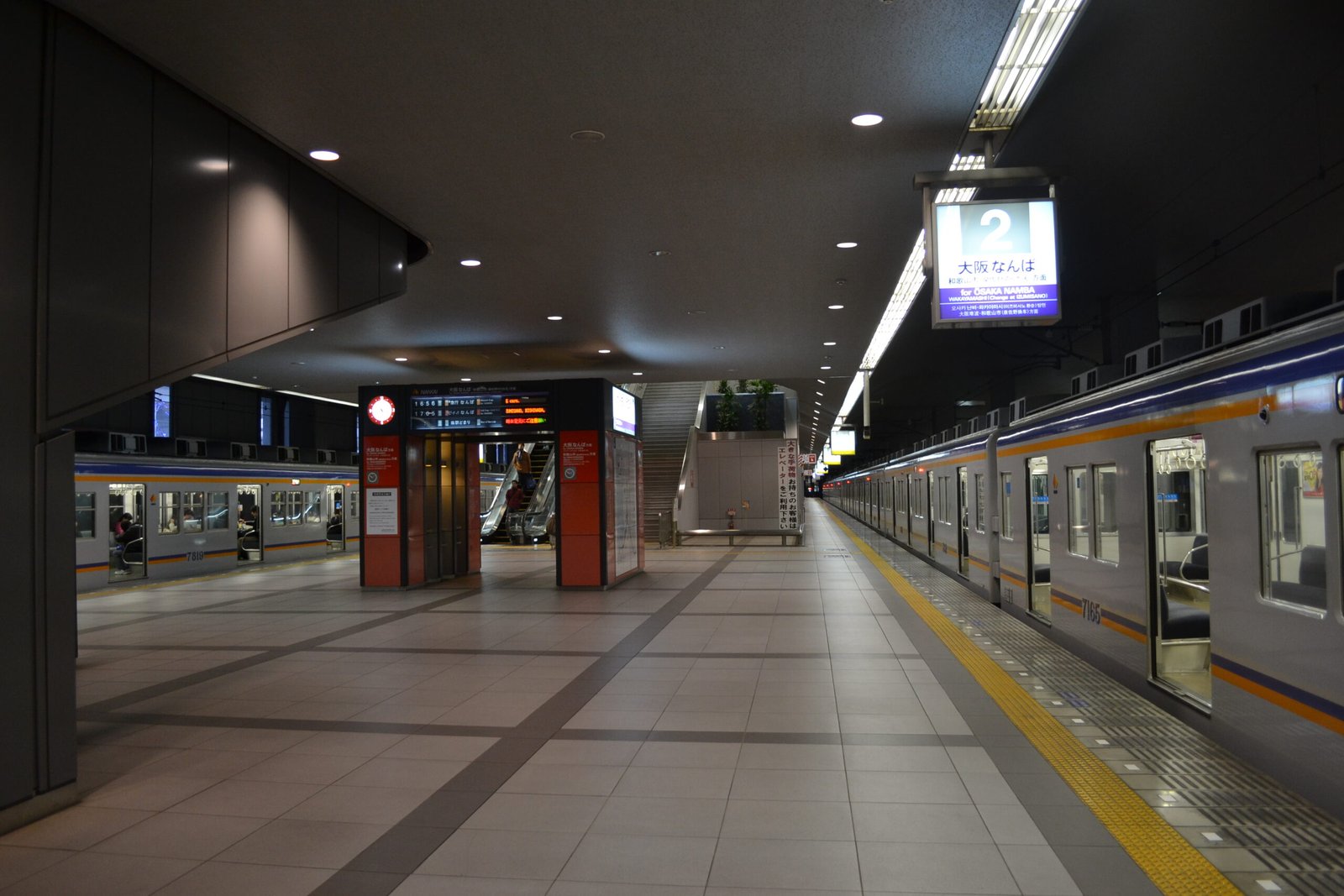
The JR West Haruka is the fastest direct connection, running between Kansai Airport Station and Kyoto Station with stops at Tennoji, Osaka, and Shin-Osaka along the way (some trains vary, so check the platform board for your specific service). The ride takes roughly 75 to 90 minutes depending on the train, with around 30 round trips a day, so you are rarely waiting long. Fares run about ¥3,060 for a non-reserved seat or ¥3,590 reserved — treat both numbers as a starting point, since JR West revises fares from time to time, and confirm at the ticket machine or counter before you buy. From Kyoto, the first Haruka leaves around 5:45am and the last around 8:30pm; from the airport, the first is around 6:30am on weekdays and the last around 10:15pm. Most Kyoto-bound departures use platform 30 at Kyoto Station, though it is worth checking the board rather than assuming. The Haruka is covered by the Japan Rail Pass if you are using one, and every car has dedicated luggage space, which matters more than it sounds like after a long flight.

The ICOCA & Haruka Discount Ticket
If you are visiting Japan on a temporary visitor visa (not a resident or citizen), it is worth asking about the ICOCA & Haruka set at the JR ticket counter inside the airport. It bundles a one-way or return Haruka fare with an ICOCA IC card preloaded with a small balance, usually at a combined price lower than buying both separately, and the discount can also be applied afterward if you already have an ICOCA and show it along with your passport. The discounted fare covers Kyoto Station as well as Nijo, Uzumasa, and Saga-Arashiyama if your hotel happens to be nearer one of those. It is generally sold only at the airport and only to visitors on short-term visas, so it will not apply if you are relocating to Japan rather than passing through — and as with the standard fare, check the current price when you buy, since it shifts from time to time.
The Airport Limousine Bus
The limousine bus is the better option if you are traveling with a lot of luggage or as a group, since it goes door to door without a train transfer at Osaka or Tennoji. Buses to Kyoto Station leave from in front of the Avanti building near the station’s south (Hachijo) exit, and run about 85 to 90 minutes to Terminal 1 for roughly ¥2,800 per adult, around half that for children. Kyoto-bound seats are reserved, so it is worth booking ahead at the Keihan Bus Center behind the Avanti stop rather than showing up and hoping; airport-bound seats are first-come, first-served. Buses run from early morning (around 4:30am from Kyoto) to late evening (around 9:10pm from Kyoto, with the last airport-bound departures past 11pm), so there is more flexibility at the edges of the day than the train timetable allows.
Other Ways to Get There
A handful of other options cover specific situations. Shared door-to-door shuttle services, such as Yasaka or NearMe, run somewhere in the ¥4,300 to ¥6,000 per person range and generally need to be booked a day or two ahead — useful if your accommodation is awkward to reach by train or bus. A private taxi (MK Taxi runs a well-known service for this route) starts at roughly ¥24,000 per vehicle plus expressway tolls, which sounds steep until you are splitting it four ways with a mountain of suitcases. Renting a car is possible but rarely worth it just for the airport transfer — you will need an International Driving Permit or an official Japanese translation of your home license, and Kyoto’s city-center parking and narrow streets make a car more of a liability than a convenience once you have arrived. And if you have got a very early departure or a very late arrival, Hotel Nikko Kansai Airport is the one hotel actually on airport grounds, which can be worth the lack of city views.
If you’d rather skip the luggage shuffle entirely, Welcome Pickups offers pre-booked private transfers from Kansai Airport to Kyoto, with an English-speaking driver meeting you in the arrivals hall. It costs far more than the Haruka, but for a group splitting the fare or a late arrival with a ryokan check-in to make, it can be worth it.
Picking the Right Option for You
If you are traveling light and keeping costs down, the Haruka (or the regular rapid trains if you do not mind a transfer and a longer ride) is the straightforward choice. If you have got heavy luggage, young kids, or would rather not navigate a transfer with jet lag, the limousine bus or a shared shuttle is worth the extra planning. And if your flight lands very late or departs very early, it is worth weighing a night near the airport against the first and last train and bus times above, rather than cutting it close on your first or last day in Japan.
Two Things to Sort Out Before You Land
First, mobile data. Every option above is easier with maps and live train times on your phone, and a Japan eSIM is the simplest way to have data the moment you clear immigration. Airalo’s Japan eSIM installs before you fly and runs on major Japanese networks; just note that its plans are data-only, with no Japanese phone number.
Second, your bags. Most Kyoto hotels won’t let you into your room until mid-afternoon, and many flights land in the morning. Rather than dragging suitcases around, you can book luggage storage near Kyoto Station through Radical Storage and start sightseeing straight away. Your hotel may also hold bags before check-in, so it’s worth asking them first.
Pairing It With the Rest of Your Trip
Getting the airport transfer right matters more once you have decided where you are staying, since some neighborhoods are a longer taxi ride from Kyoto Station than others — Where to Stay in Kyoto breaks down how the main areas compare for exactly this kind of door-to-door convenience. If Osaka is also on your itinerary, it is worth knowing the Haruka and several of the bus routes above pass directly through Osaka and Shin-Osaka, which A Day Trip to Osaka covers in more detail if you are deciding whether to see it on the way through or as a separate trip. And if the fares here have you thinking about your budget more broadly, Kyoto on a Budget has more on where transport costs fit into a realistic daily spend.
Getting Around Once You Arrive
Once you are off the Haruka or the bus at Kyoto Station, the transfer is effectively done — everything else in the city runs on the bus and subway network covered in Getting Around Kyoto, which is a separate, and much cheaper, system from the airport transfer itself.
Bottom Line
There is no wrong answer here, only trade-offs between speed, cost, and how much you are carrying. For most independent travelers without a mountain of luggage, the Haruka is the easiest default: no booking required for a non-reserved seat, a predictable schedule, and a single ride that ends right where most Kyoto trips begin, at Kyoto Station.