A Day Trip to Osaka: A Practical Guide to Osaka Castle, Dotonbori, and Umeda
Osaka is close enough to Kyoto that plenty of visitors treat it as a half-day add-on, which undersells it — this is Japan’s third-largest city, with a 16th-century castle, a food culture built around the phrase “kuidaore” (eat until you drop), and a skyline view that’s arguably better than anything in Kyoto itself.
The two cities are rivals in a friendly, centuries-old way — Kyoto was the imperial capital for over a thousand years, Osaka was always the merchant city that actually ran the economy — and a day in Osaka is a useful contrast after a few days of temples: louder streets, bigger portions, and a castle that looks nothing like anything in Kyoto.
Here’s how to get there, what to see, and how to structure the day so you’re not backtracking across the city.
The Essentials at a Glance
| What | Details |
|---|---|
| Round-trip from Kyoto | JR Special Rapid, 28 min each way, ¥580 one-way to Osaka Station; or Hankyu Kyoto Line Limited Express, ~40 min, ¥410 one-way to Umeda |
| Osaka Castle | ¥1,200 (main keep + Stone Wall Museum); 9:00 a.m.–6:00 p.m. (last entry 5:30 p.m.) |
| Umeda Sky Building (Floating Garden Observatory) | ¥2,000; 9:30 a.m.–10:30 p.m. (last entry 10:00 p.m.) |
| Dotonbori | Free to walk; street food from about ¥500 per item |
| Getting around Osaka | A subway day pass is useful if covering Umeda, Namba, and the castle in one day |
| Typical visit length | Full day, roughly 9–11 hours including travel |
Getting There
The JR Special Rapid service on the JR Kyoto Line is the easiest option: no reservation, 28 minutes to Osaka Station, ¥580 one-way, and covered by the Japan Rail Pass if you’re carrying one. Trains run frequently through the day, so there’s no need to plan around a timetable.
If you don’t need JR specifically, Hankyu’s Kyoto Line Limited Express runs from Kawaramachi or Karasuma stations to Osaka-Umeda in about 40 minutes for ¥410, and the Keihan Main Line connects Sanjo to Yodoyabashi in central Osaka in about 50 minutes for ¥490 — both cheaper than JR but slower, useful if you’re already near one of those stations. See our guide to getting around Kyoto for how IC cards work across all three networks.
Osaka Castle
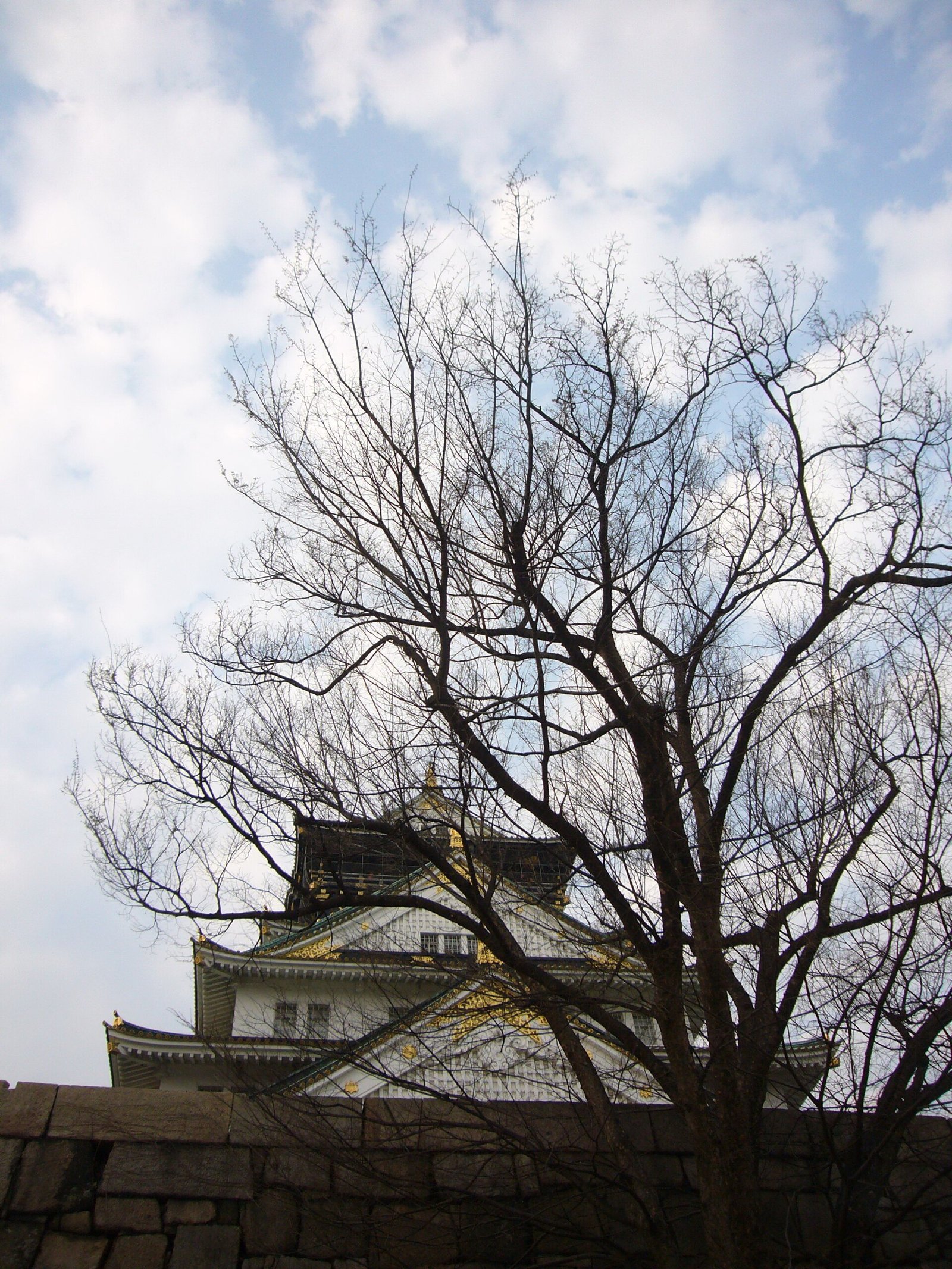
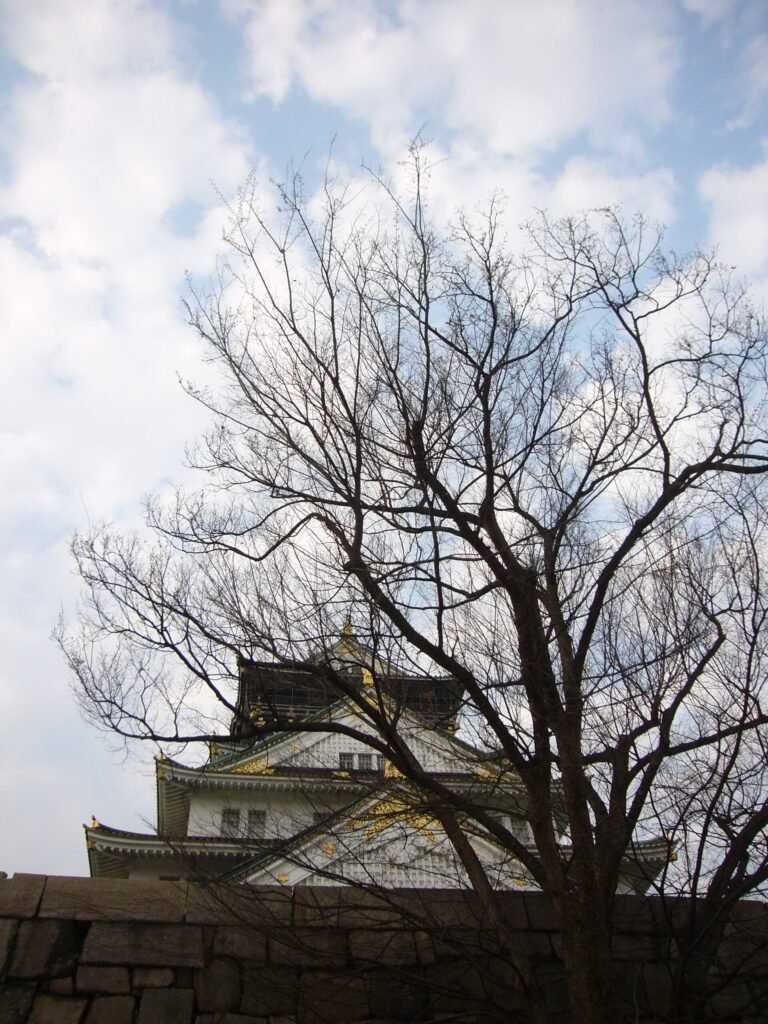
Toyotomi Hideyoshi began building Osaka Castle in 1583 as the centerpiece of a new, unified Japan under his rule. It didn’t last: the castle was destroyed in the 1615 siege that ended the Toyotomi line, rebuilt by the Tokugawa shogunate in the 1620s, and the tower standing today is a 1931 ferro-concrete reconstruction — modern enough inside to have an elevator, which is a genuine relief after a morning of temple stairs.
Inside is a museum covering the castle’s history and Hideyoshi’s life, and a newly opened Toyotomi Stone Wall Museum displays original stone foundations uncovered in the 1950s; both are included in the ¥1,200 admission. The surrounding park is worth the walk on its own — about 2 square kilometers of moats, stone walls, and the Nishinomaru Garden’s 600 cherry trees, one of Osaka’s best hanami spots if your dates line up. Buy e-tickets in advance if you’re visiting on a weekend; the line for same-day tickets can be long.
Dotonbori
Dotonbori is Osaka’s answer to Times Square, minus the subtlety: a canal-side strip lined with oversized illuminated signs, the most famous being the Glico Running Man, which has been lit above the water since 1935 in one form or another. It’s less a single attraction than a few hundred meters of restaurants competing to be the loudest, most photogenic option on the block.
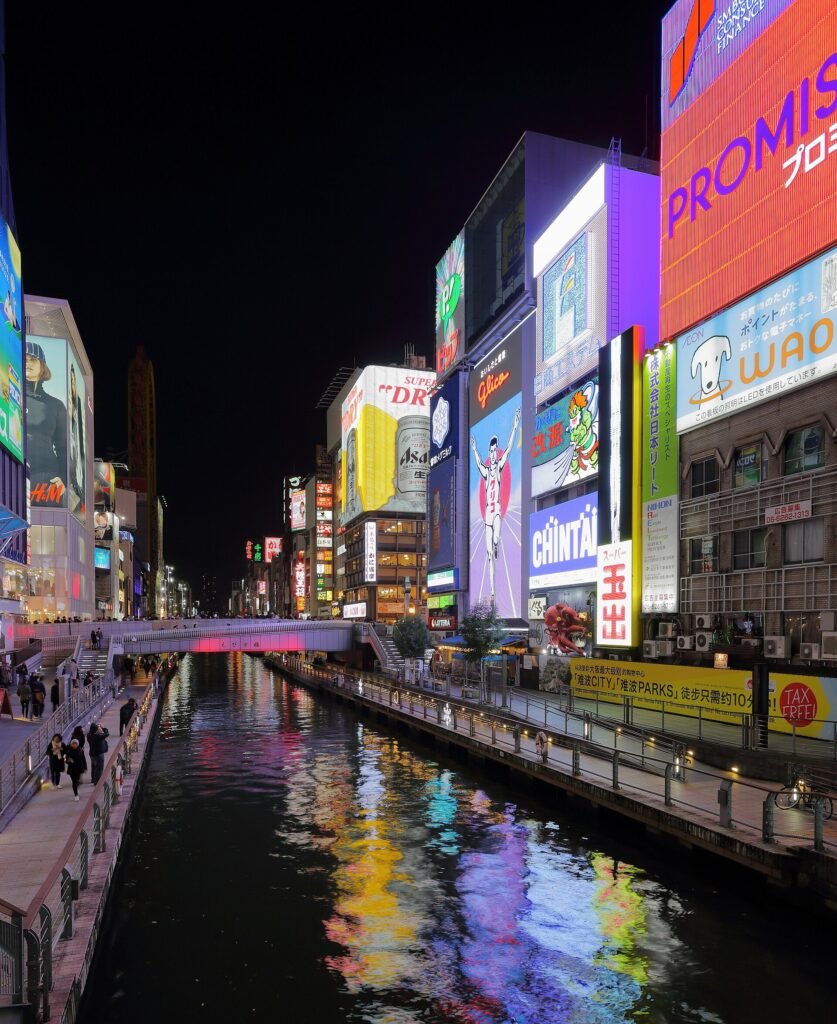
This is the place to eat, not sightsee — takoyaki (octopus dumplings), okonomiyaki (savory pancakes), and kushikatsu (fried skewers) are the local specialties, most sold from stalls or tiny counter restaurants for ¥500–1,000 a portion. Cross the Ebisubashi bridge for the classic photo angle, and if you have energy left, Shinsaibashi’s covered shopping arcade runs parallel to the canal one block over.
Umeda Sky Building
Back near Osaka Station, the Umeda Sky Building is two 173-meter towers connected at the top by a ring-shaped structure that looks more like something from a sci-fi film than a Japanese office block. The Floating Garden Observatory on the 39th floor has both an indoor viewing ring and an open-air rooftop section, and on a clear evening it’s one of the better sunset spots in the Kansai region — arguably a more striking view than anything Kyoto offers, since Kyoto’s own skyline is intentionally kept low.
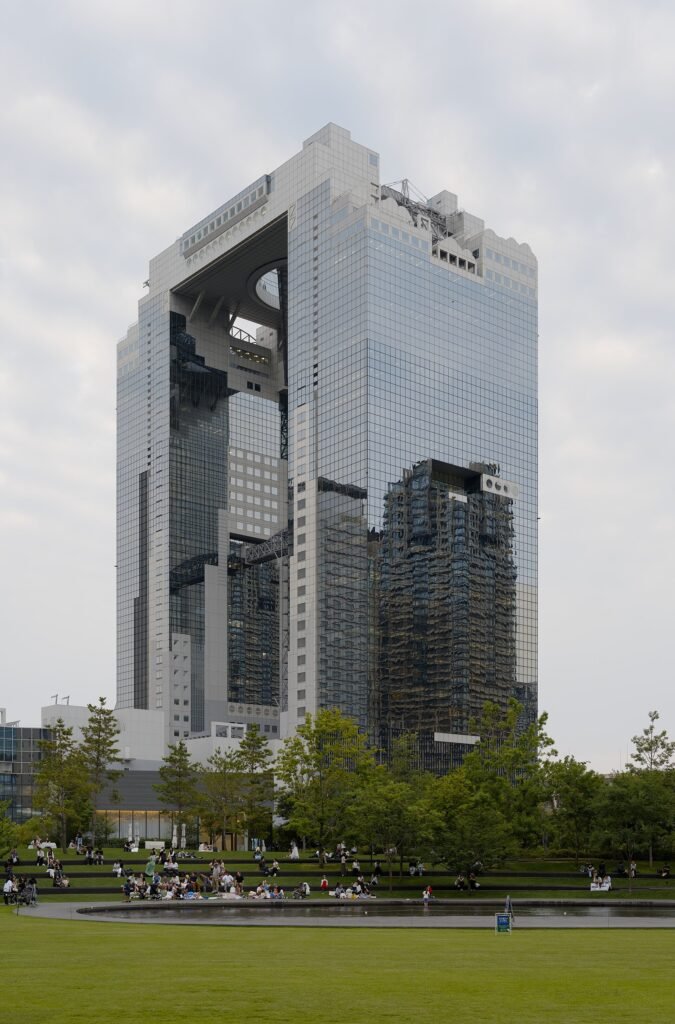
Admission is ¥2,000, and it’s open late — 9:30 a.m. to 10:30 p.m., last entry 10:00 p.m. — which makes it a natural way to end the day. The basement level, Takimi Koji, recreates a retro Showa-era shopping street and is worth a quick look even if you’re not hungry again yet.
Planning Your Day
A workable route: take the morning JR train to Osaka Station, head straight to Osaka Castle while it’s less crowded, then work your way to Dotonbori for a late lunch and an afternoon of wandering Shinsaibashi. Finish at Umeda Sky Building for sunset and the night view before catching a train back to Kyoto — the last JR Special Rapid trains run past 11 p.m., so there’s no need to rush the return.
It’s a fuller day than Uji or Nara, closer in scale to Kyoto itself — budget the whole day and don’t try to squeeze in a temple beforehand.
Bottom Line
Osaka rewards a day trip precisely because it doesn’t try to be Kyoto: a castle with an elevator instead of a shrine with a thousand-year history, a food scene built for grazing rather than kaiseki, and a skyline view Kyoto can’t match by design. At under 30 minutes and ¥580 by train, it’s one of the easiest ways to break up a longer Kyoto stay — see our guide to Kyoto on a budget for how the day’s costs compare to what you’d spend staying local.