Nanzen-ji: A Practical Guide to Kyoto’s Aqueduct Temple
Most Kyoto temples ask you to imagine what a Zen retreat used to feel like. Nanzen-ji doesn’t have to — a working nineteenth-century brick aqueduct still carries water straight through its grounds, arches and all, a few minutes’ walk from a rock garden that hasn’t changed in centuries.
Once the retirement villa of Emperor Kameyama, Nanzen-ji became the head temple of its own branch of Rinzai Zen Buddhism in the 13th century and still ranks among the most important Zen temples in Japan. The central grounds are free to wander; the Sanmon gate and several subtemples charge separately if you want to go further.
The Essentials at a Glance
| What | Details |
|---|---|
| Admission | Central grounds free; Sanmon Gate ¥600, Hōjō (rock garden) ¥600, Tenju-an ¥500, Nanzen-in ¥400 |
| Hours | 8:40–17:00 (to 16:30, Dec–Feb); Konchi-in and Tenju-an open from 9:00 |
| Closed | Dec 28–31 (main temple); subtemples stay open year-round |
| Typical visit length | 45–90 minutes depending on how many subtemples you add |
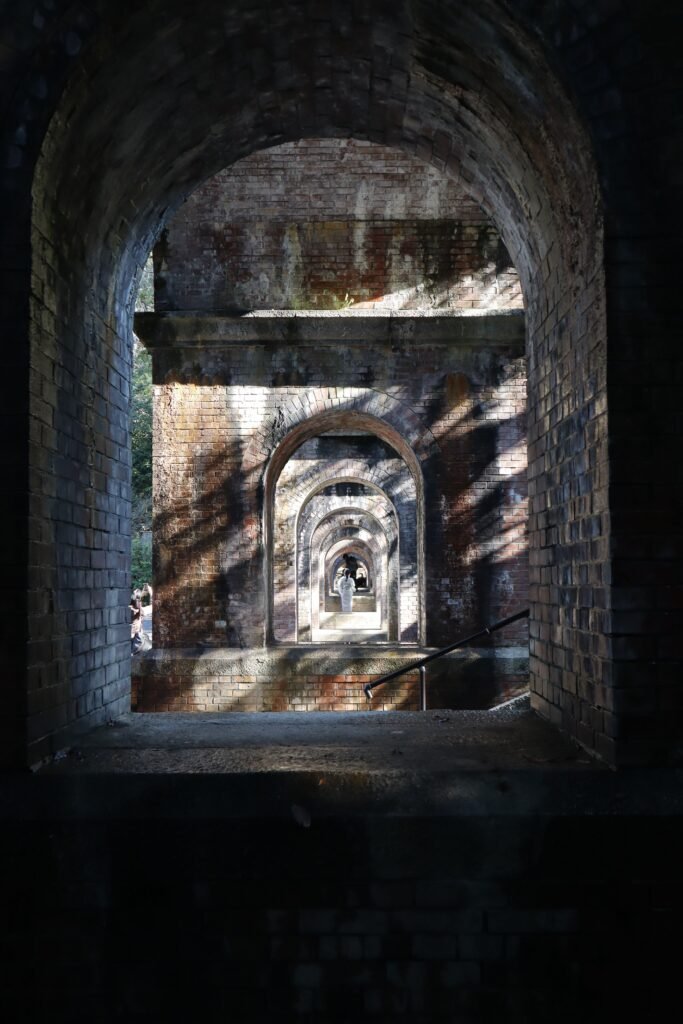
| Best known for | The Suirokaku Aqueduct — a still-functioning Meiji-era brick aqueduct running through the grounds |
| Nearest station | Keage (Tozai Line), 5–10 minute walk |
| Also reachable by | City Bus 5 to Nanzenji-Eikandō-michi |
Getting There
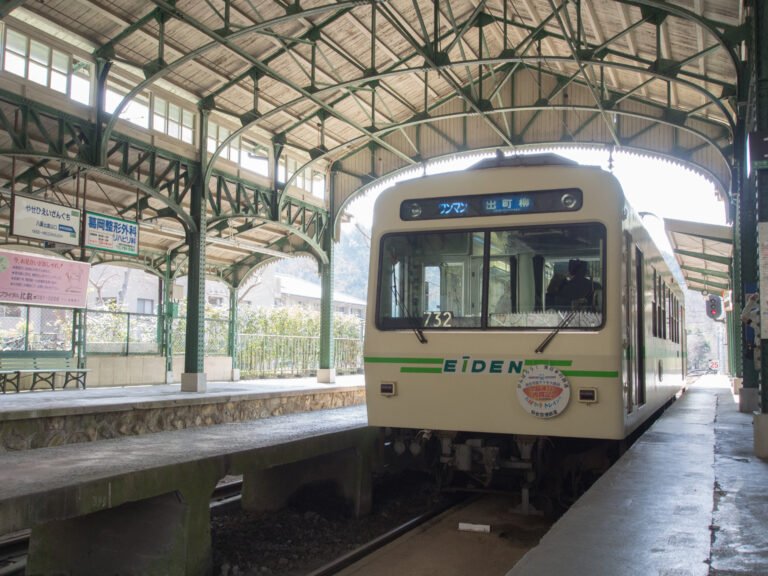
Keage Station on the Tozai subway line puts you a five-to-ten-minute walk from the main gate, about 20 minutes from Kyoto Station with one change. City Bus 5 also stops at Nanzenji-Eikandō-michi, close to the temple’s north side, if you’d rather skip the transfer.
When to Go
Arrive close to the 8:40 opening if you want the aqueduct and Sanmon gate without a crowd — this is one of the more heavily visited temples on Kyoto’s eastern side, and tour groups build up quickly after mid-morning. The aqueduct photographs well in every season, though autumn foliage along its brick arches draws the biggest crowds of the year.
What You’re Actually Looking At
Suirokaku Aqueduct. Built in the 1880s to carry water and cargo from Lake Biwa into Kyoto, it still functions today and remains one of the most photographed spots in the city.
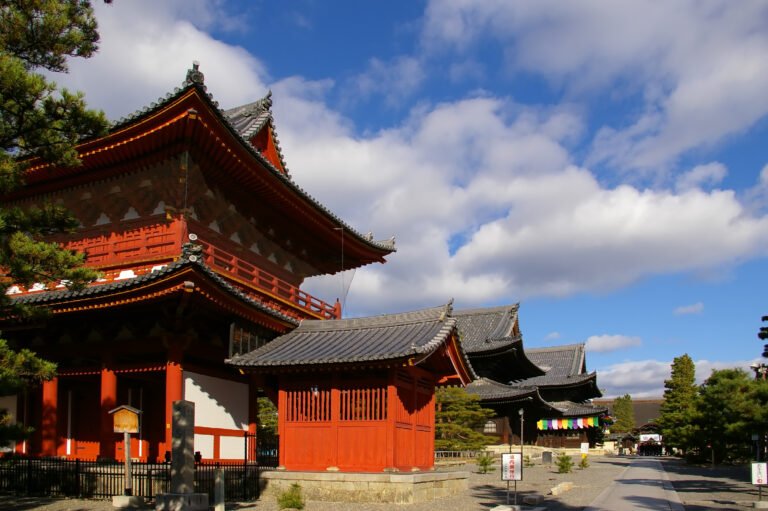
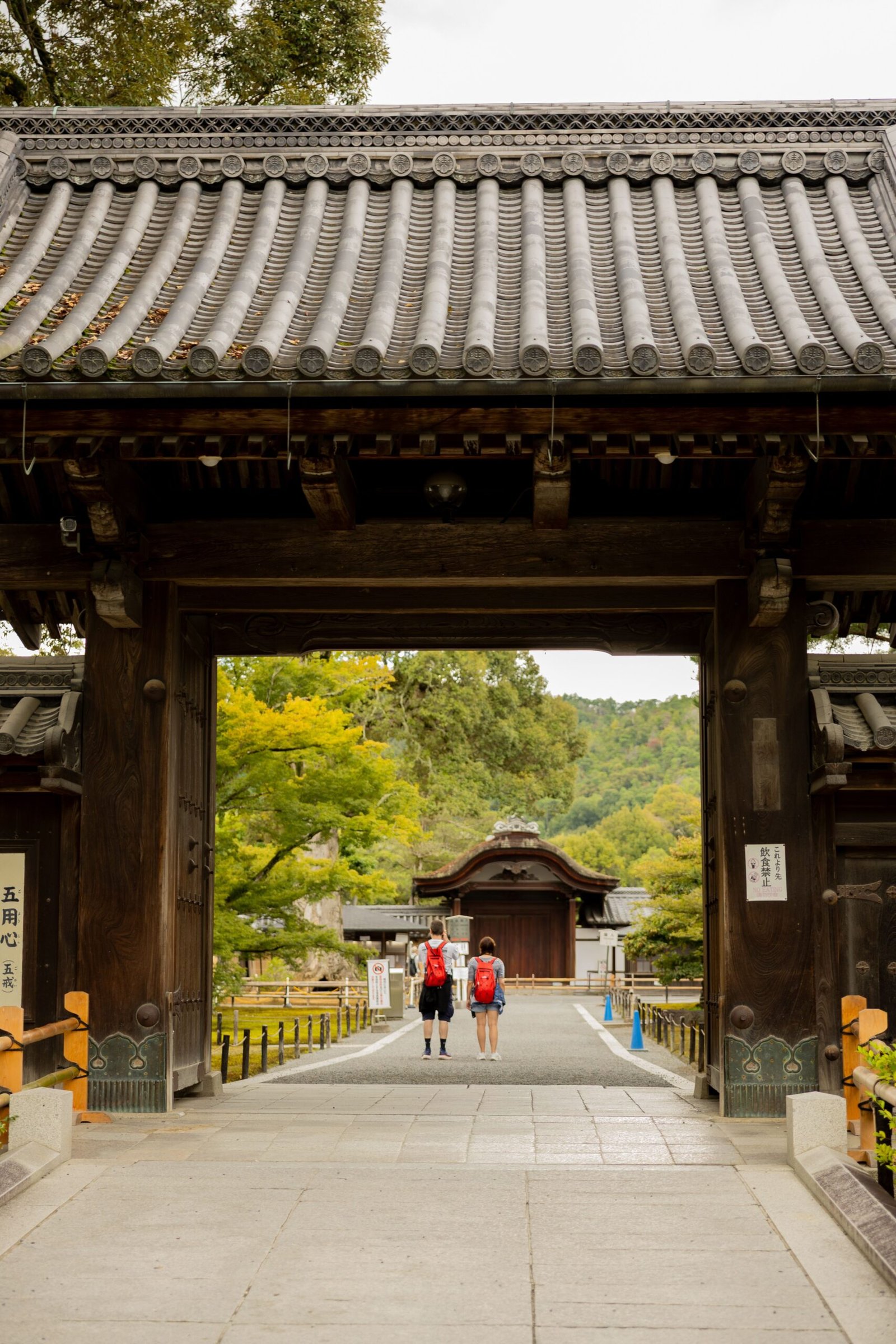
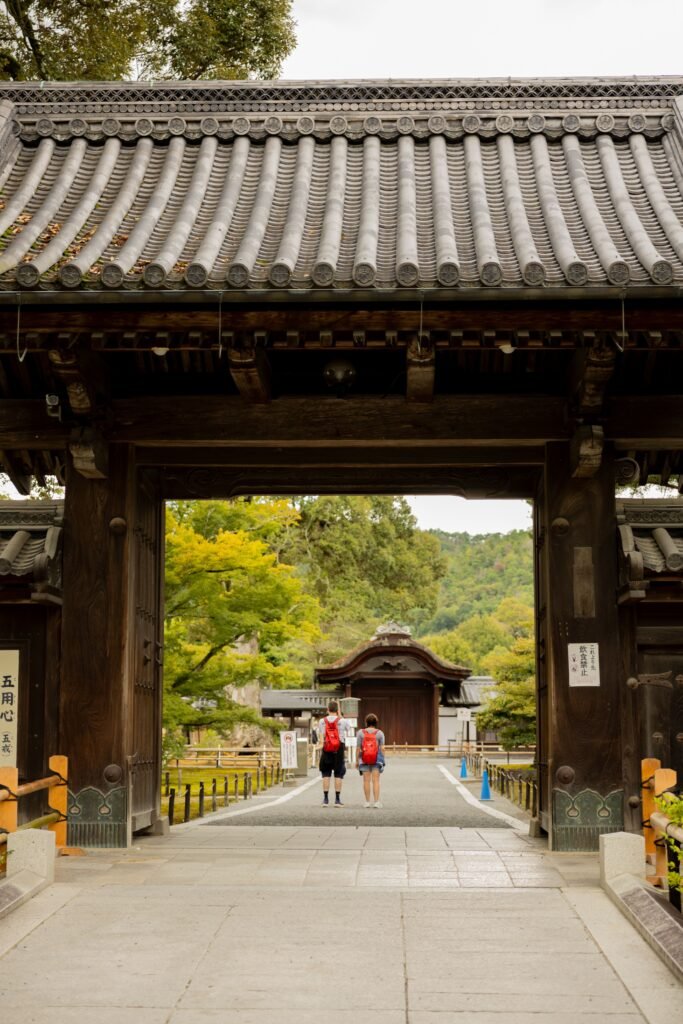
Sanmon Gate. Climb the steep interior stairs (extra fee) for a rooftop view over the temple grounds and the tree line beyond.
Hōjō Garden. A dry rock garden attributed to landscape master Kobori Enshū, viewed from the veranda of the abbot’s quarters.
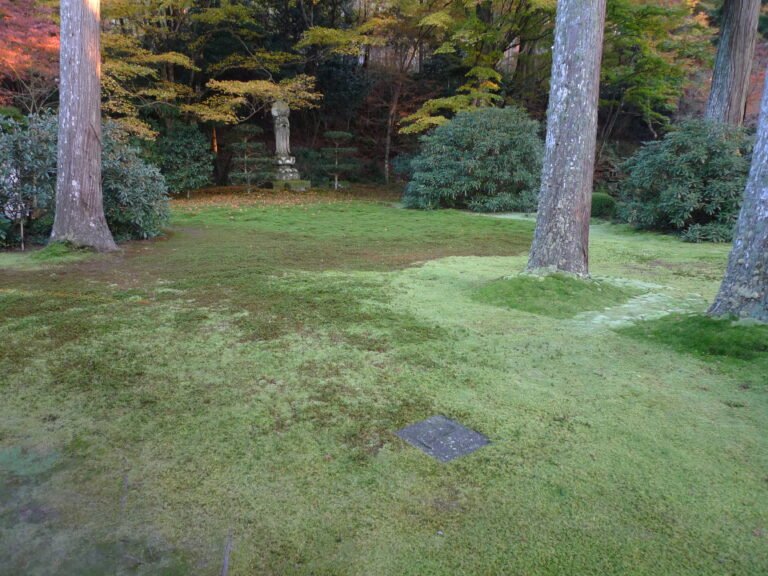
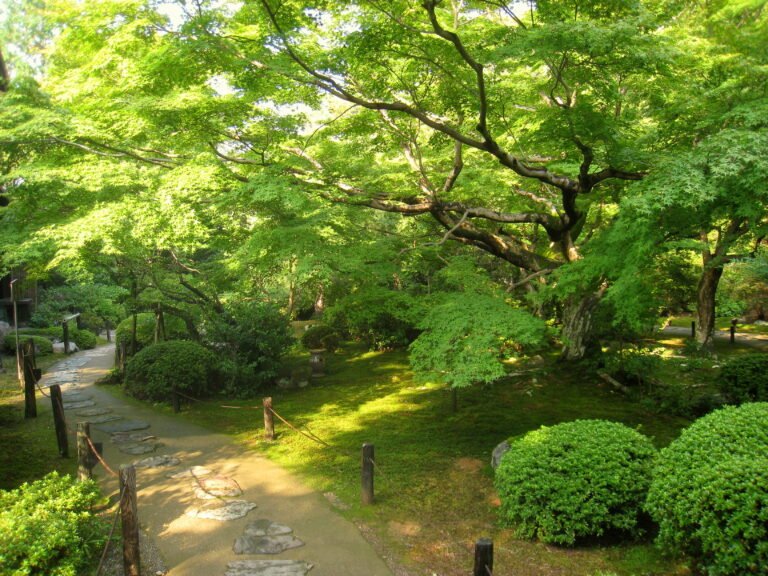
Tenju-an. A quieter subtemple with a moss garden and pond, usually far less crowded than the main grounds.
Nanzen-in. The original site of Emperor Kameyama’s villa, now a pond garden tucked behind the aqueduct.
Nearby, If You Have More Time
The Philosopher’s Path begins just a few minutes’ walk north of Nanzen-ji’s main gate and runs roughly two kilometers up to Ginkaku-ji — our Philosopher’s Path guide covers the full walk. Eikan-do, known for its autumn foliage, sits a short walk further north as well.
Where to Stay Nearby
Nanzen-ji sits toward the eastern edge of central Kyoto, a bit removed from the densest hotel clusters around Kyoto Station and Kawaramachi. Our Kyoto neighborhood comparison guide breaks down which central areas keep you within easy reach.
The Tozai subway line connects Keage Station directly to downtown, so staying anywhere along that line keeps this temple — and the Philosopher’s Path above it — within a short ride. Booking.com covers the range of options nearby.
Bottom Line
Nanzen-ji rewards a slow visit more than most Kyoto temples — the aqueduct alone is worth the trip, but the subtemples give you a reason to linger for an hour or two. Pair it with the Philosopher’s Path just north of the gate and you’ve got a half-day loop that barely repeats itself.