Getting Around Kyoto: A Practical Guide to Buses, Subways, and IC Cards
Every first-time visitor to Kyoto hits the same wall at some point: standing at a bus stop, staring at a route map with more numbers than a phone bill, wondering whether they should just give up and call a taxi. I remember watching a couple do exactly that near Kyoto Station a while back — they’d been waiting fifteen minutes, three buses had come and gone, and they still weren’t sure which one was theirs.
It doesn’t need to be that hard. Kyoto’s transit system is actually one of the more forgiving ones in Japan once you know the handful of things that matter — which is faster for which trips, how the fares actually work, and when a day pass is worth buying versus when it’s just extra plastic in your wallet. This guide covers all of it.
The Essentials at a Glance
| What | Details |
|---|---|
| City bus flat fare | ¥230 adults, ¥120 children, within the flat-fare zone that covers almost all central sightseeing routes |
| Subway single fare | ¥220–¥350 depending on distance |
| Subway 1-Day Pass | ¥800 adults, ¥400 children |
| Subway & Bus 1-Day Pass | ¥1,100 adults, ¥550 children |
| IC cards accepted | ICOCA, Suica, PASMO, and every other major nationwide IC card |
| Worst times to ride | Weekday 8:00–9:00 a.m. (commuters), and central Higashiyama buses through the afternoon in cherry blossom and autumn foliage season |
Buses vs. the Subway: Which to Use When
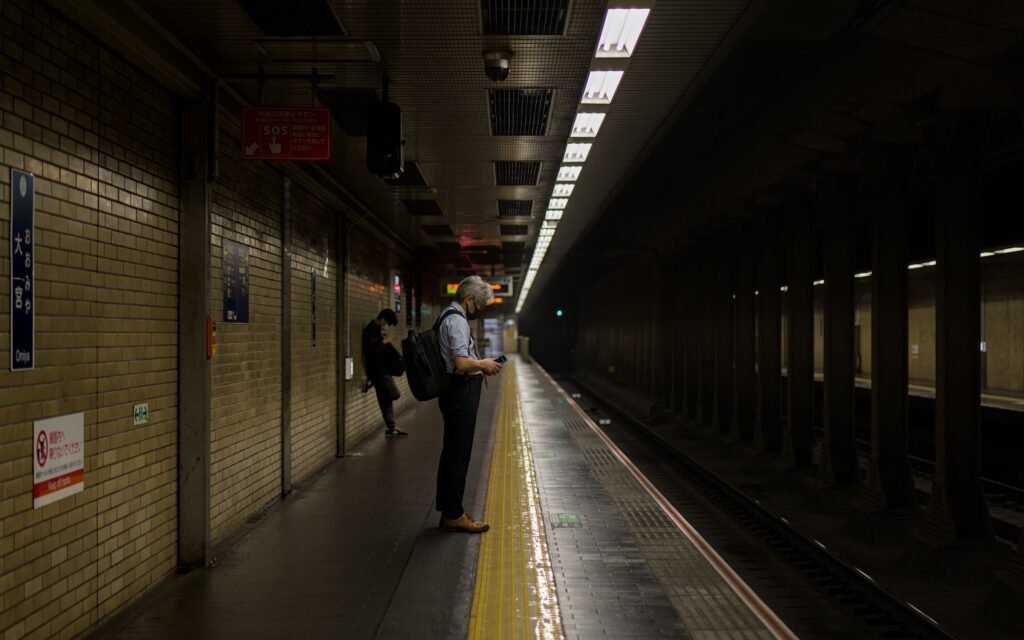
Kyoto’s subway is fast, punctual, and almost always has a seat — but it only runs two lines, a north-south Karasuma Line and an east-west Tozai Line, in a rough plus-sign shape through the city center. That covers Kyoto Station, downtown, and a few sights like Higashiyama’s western edge, but most of the famous temples sit outside easy walking distance from any subway stop.
The bus network is what actually reaches Kiyomizu-dera, Kinkaku-ji, Arashiyama, Fushimi Inari, and nearly everywhere else on a typical itinerary. The tradeoff is that buses sit in the same traffic as everyone else, and popular routes through Higashiyama can be standing-room-only for stretches of the day during peak season.
My rule of thumb: take the subway for the first and last leg of a long crosstown trip if a station happens to line up, and take the bus for everything temple-adjacent. Trying to force the subway to do a bus’s job usually means a longer walk than you bargained for.
IC Cards Make This Almost Effortless
If you take away one thing from this guide, make it this: get an IC card before you start sightseeing. ICOCA is the local one, sold at ticket machines in Kyoto and Osaka stations, but Suica, PASMO, and the other regional cards all work interchangeably on Kyoto’s buses and subway. Tap on, tap off, and the fare is deducted automatically — no fumbling for exact change while a line of people waits behind you to get off the bus.
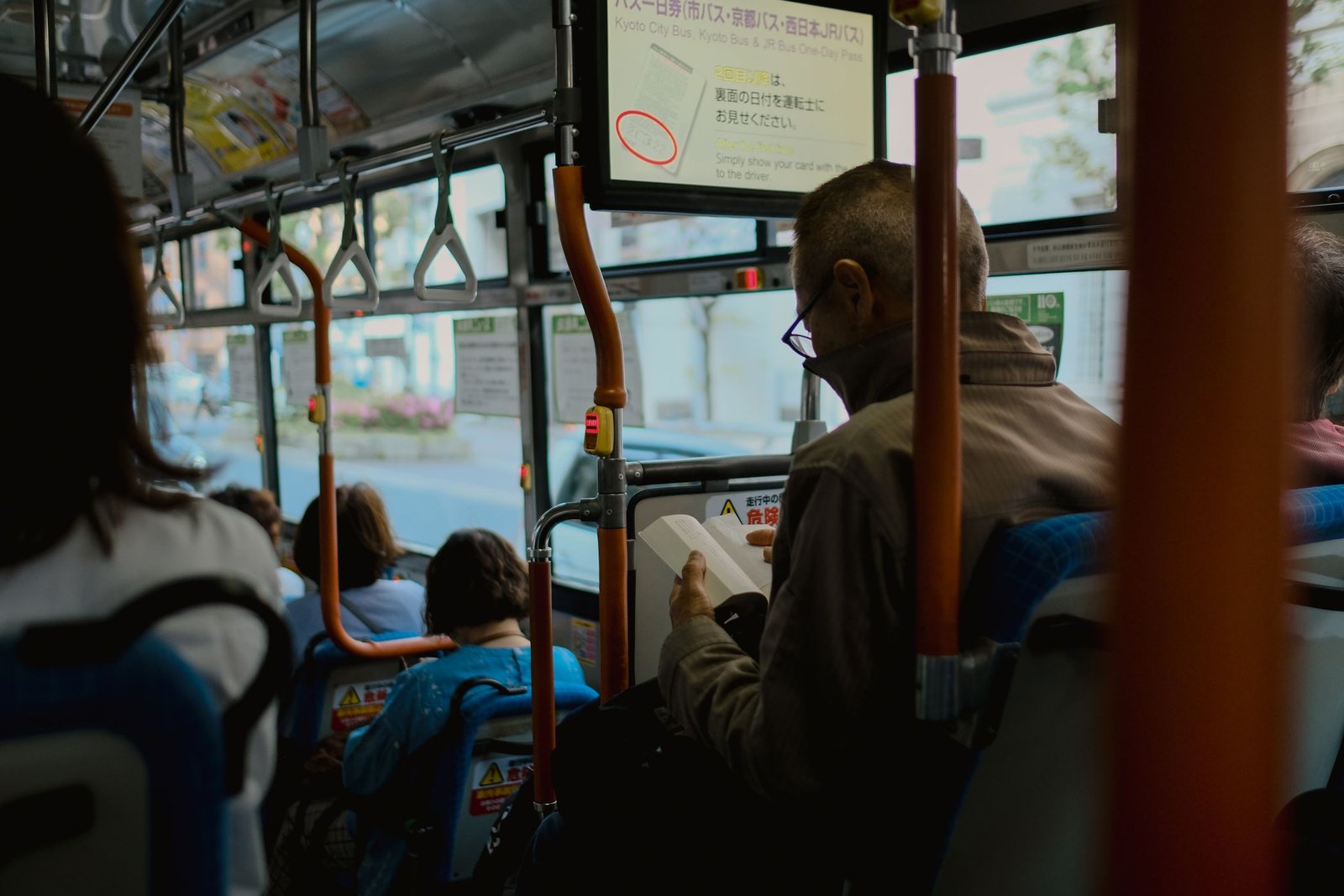
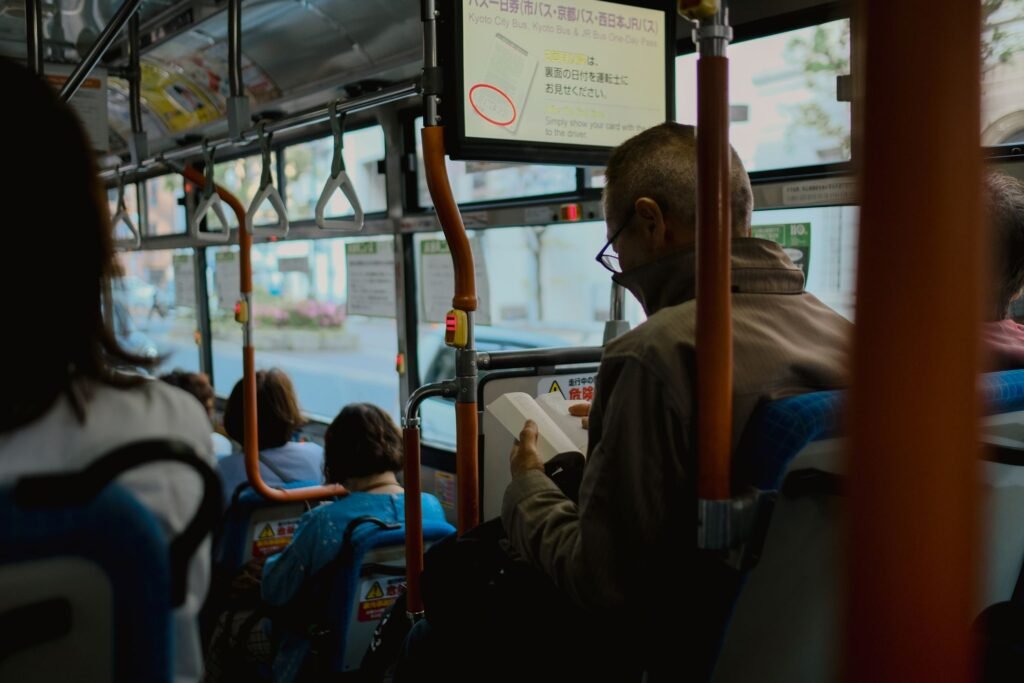
Buses here board from the back door and pay on the way out at the front, which trips people up the first time. Tap your card as you board at the back, then tap again at the reader by the driver as you exit. Miss that first tap and the machine will charge you for the maximum possible distance when you tap out — an easy, avoidable overpay.
Are Day Passes Actually Worth It?
This depends entirely on how many rides you’re actually taking, and it’s worth doing the quick math rather than buying a pass out of habit.
The ¥1,100 Subway & Bus 1-Day Pass breaks even against plain ¥230 bus fares at about five rides in a day. On a heavy sightseeing day — say, Kiyomizu-dera in the morning, back downtown for lunch, then out to Kinkaku-ji in the afternoon — five rides isn’t unusual, and the pass wins. On a lighter day with two or three rides, you’re better off just tapping an IC card and pocketing the difference.
The ¥800 subway-only pass makes sense if your day is built around a few longer crosstown hops rather than short temple-hopping bus rides — three or four subway rides is roughly the break-even point there.
Either pass is sold at subway station ticket machines and the bus information center at Kyoto Station. Don’t buy one for a day when you’re mostly walking a single neighborhood — Higashiyama and Arashiyama, for instance, are dense enough on foot that you might not need a bus at all.
The Bus Crowding Problem, and How to Work Around It
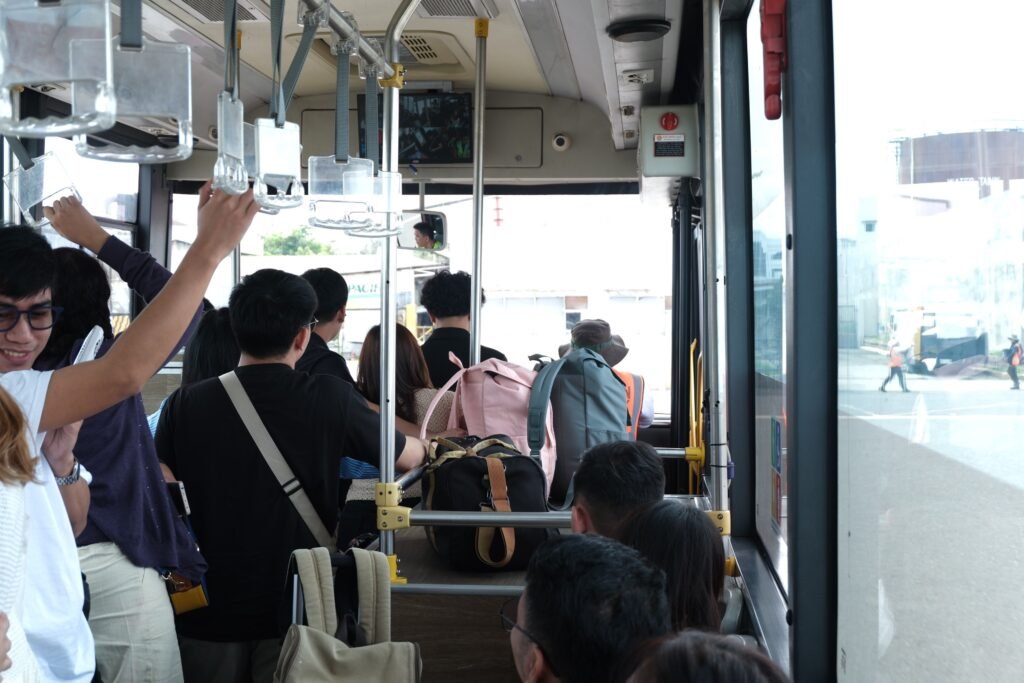
The routes that pass through Higashiyama and Gion — especially bus 206, which loops past Kiyomizu-dera and Yasaka Shrine — get genuinely crowded during peak cherry blossom and autumn foliage weeks, to the point where a bus can roll past a stop already full. If your schedule allows it, ride before 9 a.m. or after 5 p.m. when the crowds thin out noticeably.
For short hops between adjacent sights — Kiyomizu-dera to Kodai-ji, or Yasaka Shrine to Gion — walking is often faster than waiting for a bus and standing through several stops anyway. Save the bus and subway for the longer connections where they actually save time.
Related Guides
Once you’ve got transit sorted, our neighborhood comparison guide can help you pick a base that keeps your daily bus and subway rides to a minimum. And if you’re budgeting the whole trip, our guide to visiting Kyoto on a budget breaks down exactly where transit fits into your daily spending.
Bottom Line
Get an IC card on day one, use the subway for long straight-line hops and the bus for everything temple-adjacent, and only buy a day pass on the days you’ve genuinely got four or five rides planned. That’s really the whole system — everything else is just knowing which route number goes where, and that part comes with a map and a little patience.