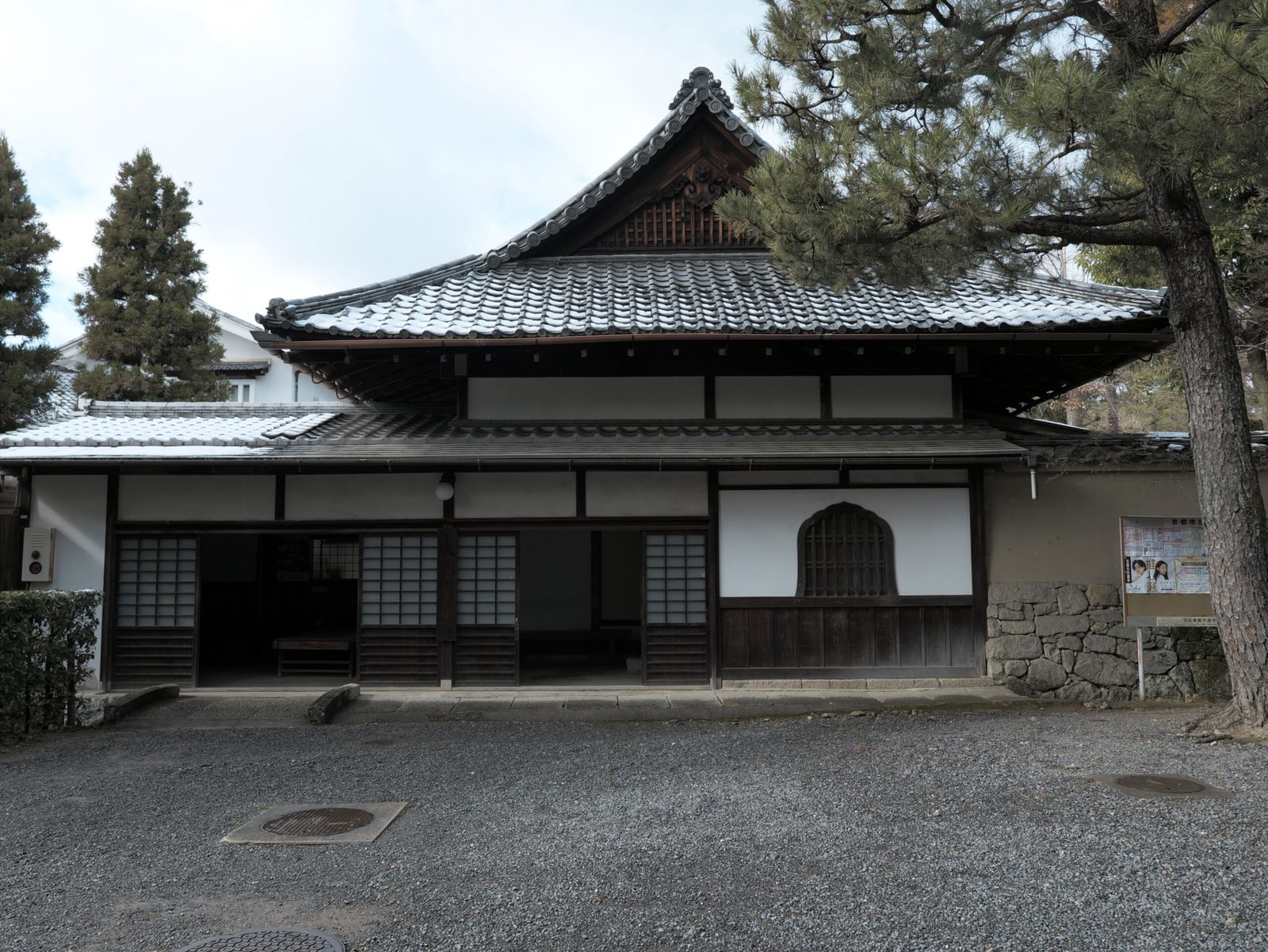
One Day at Daitoku-ji: A Practical Itinerary for Kyoto’s Zen Sub-Temples
We’ve now written about three of Daitoku-ji’s sub-temples individually — Koto-in, Zuiho-in, and Ryogen-in — on top of our general guide to the Daitoku-ji complex itself. That’s enough pieces now to put them together into one plan: how to actually spend a morning or afternoon walking between them, in what order, and what else is worth knowing about the sub-temples we haven’t covered on their own yet.
The Essentials at a Glance
| What | Details |
|---|---|
| Location | Murasakino, Kita-ku, north-central Kyoto, roughly 1.8km east of Kinkaku-ji |
| Main grounds | free to walk through; individual sub-temples charge separate admission, typically in the ¥350–¥600 range per temple |
| Hours | roughly 9:00am to 4:30pm for most sub-temples, though exact hours and closing days vary by sub-temple and season — confirm on arrival |
| Sub-temples open to visitors | Koto-in, Zuiho-in, Ryogen-in, and Daisen-in are generally open year-round; most of Daitoku-ji’s roughly 20-plus other sub-temples stay closed to the public |
| Time to budget | 45–60 minutes for one sub-temple, 2–3 hours for three or four |
| Access | city bus 101, 205, or 206 to the Daitokuji-mae stop, or the Karasuma subway line to Kitaoji Station followed by about a 15-minute walk |
One Temple, Many Gates
Daitoku-ji isn’t a single building you walk into — it’s a walled precinct of lanes and gates, founded in the early 1300s as the Zen monk Shuho Myocho’s hermitage and later built up into the head temple of its own branch of the Rinzai sect. Scattered through it are something like twenty-odd sub-temples, most of which function as family cemeteries or private training halls and stay closed to casual visitors. Only a handful open their gardens to the public on a regular basis, and that’s the entire reason a “one day at Daitoku-ji” plan makes sense as its own article: the complex is too large and too gated-off to wander freely, so picking the right three or four stops matters more here than at almost any other temple in Kyoto.

A Suggested Route
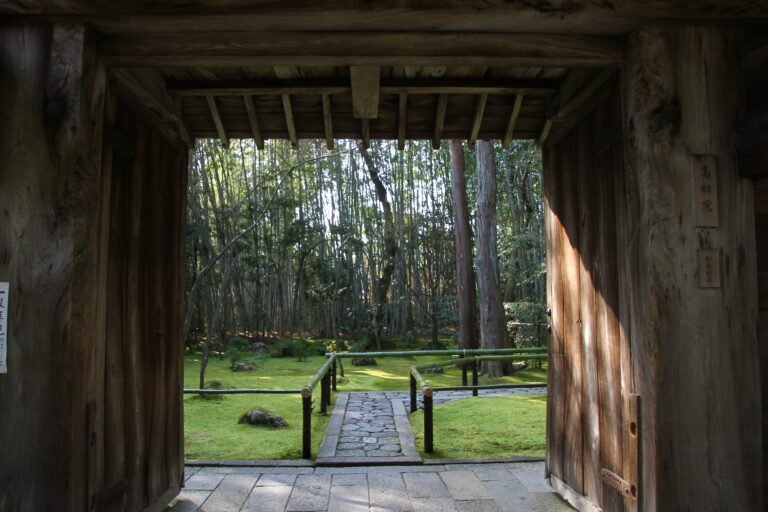
None of the sources we checked agree on a single “correct” order, mostly because it depends on which gate you walk in from, but a loop that starts near the Sanmon gate and works outward works well in practice. Ryogen-in sits closest to the Sanmon and makes a good first stop — it’s the smallest of the group, so it won’t eat much of your morning before you move on. From there, Daisen-in and Zuiho-in are both within a short walk, and Koto-in, reached by its own long stone approach on the western edge of the complex, works well as a last stop precisely because that approach feels like its own small journey rather than a rushed final errand. If you’re only doing two sub-temples, Zuiho-in and Koto-in make the most contrasting pair — one rock garden, one moss-and-maple garden — and if you’re stretching to four, add Ryogen-in and Daisen-in on either end of the loop.
Daisen-in: The Sub-Temple We Haven’t Covered Yet
Daisen-in is the one regularly open sub-temple we haven’t given its own full write-up, so it’s worth a proper introduction here. Founded in the early 1500s by the monk Kogaku Sokō, its hojo (abbot’s hall) is among the oldest surviving examples of its type and is designated a National Treasure. The garden is a dry landscape composed to suggest a sweeping Chinese-style scene in miniature — rock “mountains” and raked gravel “rivers” meant to be read almost like a scroll painting as you walk its veranda. Photography is prohibited inside, by every source we checked, so this is one stop where you’ll want to simply look rather than plan a shot. Admission figures we found ranged from roughly ¥400 to ¥600, which is wide enough that it’s worth treating as an estimate rather than a fixed number — check current pricing when you arrive rather than relying on either figure.

Juko-in and the Sub-Temples You Probably Won’t See
Juko-in, which holds the grave of the tea master Sen no Rikyu’s family, comes up often enough in guides that it’s worth a mention, but its public access appears to depend on a limited, occasionally special-opening schedule rather than being reliably open year-round — we weren’t able to confirm standing public hours for it, so don’t build a visit around it without checking current status first. The same caution applies to most of Daitoku-ji’s other named sub-temples, several of which only open their doors during announced spring or autumn special viewing periods that are publicized separately each year. If a guidebook or map lists a Daitoku-ji sub-temple we haven’t named here, it’s worth assuming it’s closed to casual visitors until you’ve confirmed otherwise, rather than building a route around the hope that it’ll be open when you arrive.
Etiquette and Practical Notes
Shoes come off before any sub-temple interior, as usual, and most ask you to carry them rather than leave them in an open rack. There’s generally nowhere to check a large bag or suitcase, so this isn’t an easy stop to make with luggage in tow. Daitoku-ji remains an active Rinzai training monastery, not a museum, and it’s common to hear chanting or see monks moving between buildings — keep voices low and give any practice you encounter a wide, quiet berth. Food and drink generally aren’t allowed on the grounds. For the broader rules that apply at any Kyoto temple, our temple and shrine etiquette guide is a good refresher before you go.
Getting There
From Kyoto Station, city buses 101, 205, and 206 all run to the Daitokuji-mae stop, a couple of minutes’ walk from the south gate; the ride takes somewhere in the neighborhood of 40 to 50 minutes depending on traffic, so build in some buffer if you’re on a schedule. The subway alternative is the Karasuma Line to Kitaoji Station, followed by about a 15-minute walk, or a short connecting bus to the same Daitokuji-mae stop if you’d rather not walk. If you’re coming from Kinkaku-ji, the two sit roughly 1.8km apart — about 20 to 25 minutes on foot, or a short bus ride — which makes combining them in one day a realistic plan, provided you don’t try to see every sub-temple at both stops. For general tips on navigating the city’s bus and subway network, see our guide to getting around Kyoto.
Bottom Line
Daitoku-ji rewards a plan more than it rewards wandering — the complex is too large and too walled-off for the latter to work well. Pick two to four of its open sub-temples, walk the loop from the Sanmon gate outward, and budget a half day rather than an hour, and you’ll come away with a genuinely varied sense of Zen garden design: rock gardens, moss and maple, and a National Treasure hall, all within a few hundred meters of each other and all considerably quieter than Kyoto’s bigger-name temples just a few kilometers away.