Kyoto Food Guide: A Practical Guide to Must-Try Local Dishes
Kyoto’s food reputation rests on two very different things: centuries-old refined cuisine developed for the imperial court and Buddhist temples, and an everyday home-cooking tradition that barely shows up in guidebooks. Most visitors only find the first half — a kaiseki dinner at a ryokan — and never taste the second, which is a shame, because the everyday food is usually cheaper, easier to find, and just as distinctly Kyoto.
Landlocked and historically far from the coast, Kyoto’s cooking leaned on what traveled well and what monks could eat: tofu, vegetables, preserved and dried fish, and rice. That constraint shaped almost everything distinctive about the local food, from the delicacy of yudofu to the specific kind of dried herring used in nishin soba.
Here’s what to actually order, what it costs, and where in the city to find it.
The Essentials at a Glance
| Dish | What It Is | Typical Price |
|---|---|---|
| Kaiseki | Multi-course seasonal haute cuisine, the Kyoto original | ¥8,000–¥30,000+ per person |
| Yudofu | Simmered hot tofu, a Buddhist temple-cuisine staple | ¥2,000–¥4,000 for a set meal |
| Nishin soba | Buckwheat noodles topped with sweet-simmered dried herring | ¥1,000–¥1,500 |
| Obanzai | Home-style small vegetable and seasonal side dishes | ¥1,500–¥3,000 for a set or several dishes |
| Wagashi & matcha | Traditional sweets, often paired with ceremonial-grade tea | ¥500–¥1,500 |
Kaiseki: The Original Tasting Menu
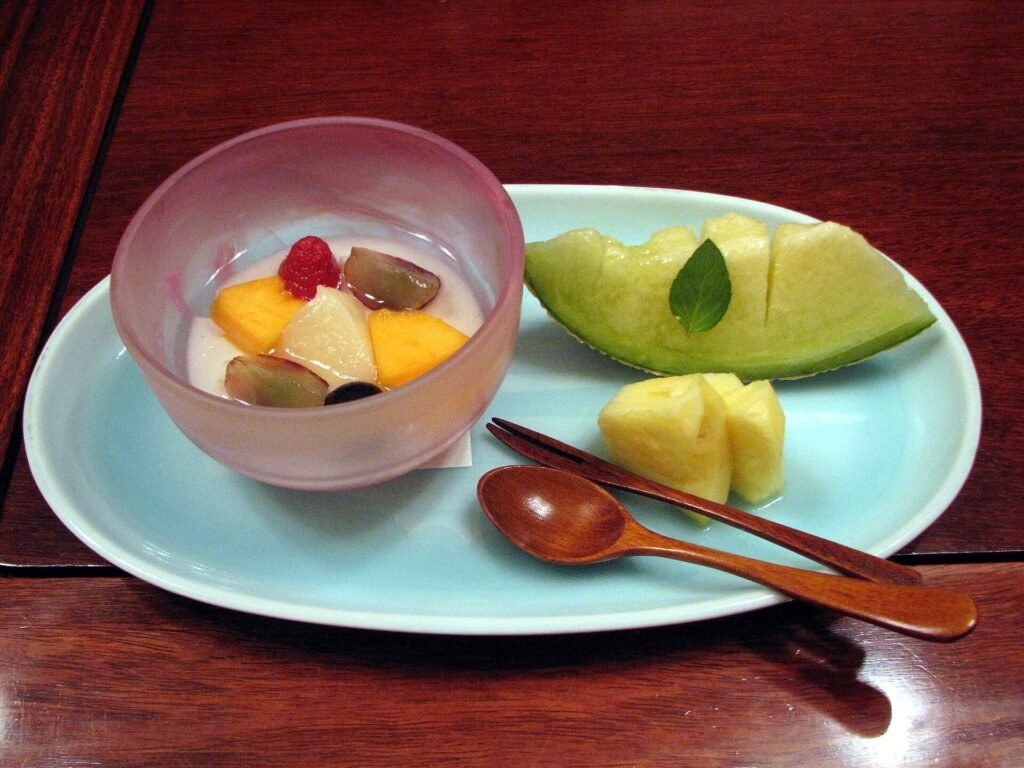
Kaiseki grew out of the tea ceremony’s simple accompanying meal and, separately, out of formal court and temple dining, eventually merging into the multi-course seasonal menus served today — a sequence of small, precisely composed courses built entirely around what’s in season that week. A proper kaiseki dinner at a ryokan or dedicated restaurant easily runs ¥15,000–¥30,000 or more per person, but plenty of well-regarded kaiseki restaurants offer a lunch version of the same kitchen’s cooking for a third of the dinner price — the easiest way to try it without committing to a splurge night.
Reservations matter more here than almost anywhere else in the city; the best-known kaiseki restaurants book out days or weeks ahead, especially for dinner, so if this is a priority for your trip, book it before you land rather than trying to walk in.
Yudofu: Kyoto’s Tofu Obsession
Kyoto’s water is unusually soft, and centuries of Buddhist vegetarian cooking around the city’s temples turned that into a genuine specialty: yudofu, blocks of silken tofu gently simmered tableside in a kombu broth and eaten with a simple dipping sauce, green onion, and grated ginger. It sounds plain on paper and tastes anything but — good Kyoto tofu has a texture and flavor that’s genuinely different from the tofu most visitors have had elsewhere.
Arashiyama is the classic place to eat it, with several long-established yudofu restaurants near the bamboo grove and Tenryu-ji that pair a tofu set with a temple-garden view, which makes it an easy lunch stop if you’re already spending the morning in Sagano.
Nishin Soba: A Landlocked City’s Answer to Seafood
Before refrigerated transport, fresh fish rarely made it inland to Kyoto in good condition, so cooks worked with what traveled well instead — dried herring from Hokkaido, rehydrated and simmered slowly in a sweet soy glaze until tender, then laid over hot soba noodles in a bowl of dashi broth. The sweetness of the fish against the plain, slightly bitter buckwheat noodles is the whole point, and it’s a genuinely Kyoto combination that doesn’t really exist anywhere else in Japan in quite the same form.
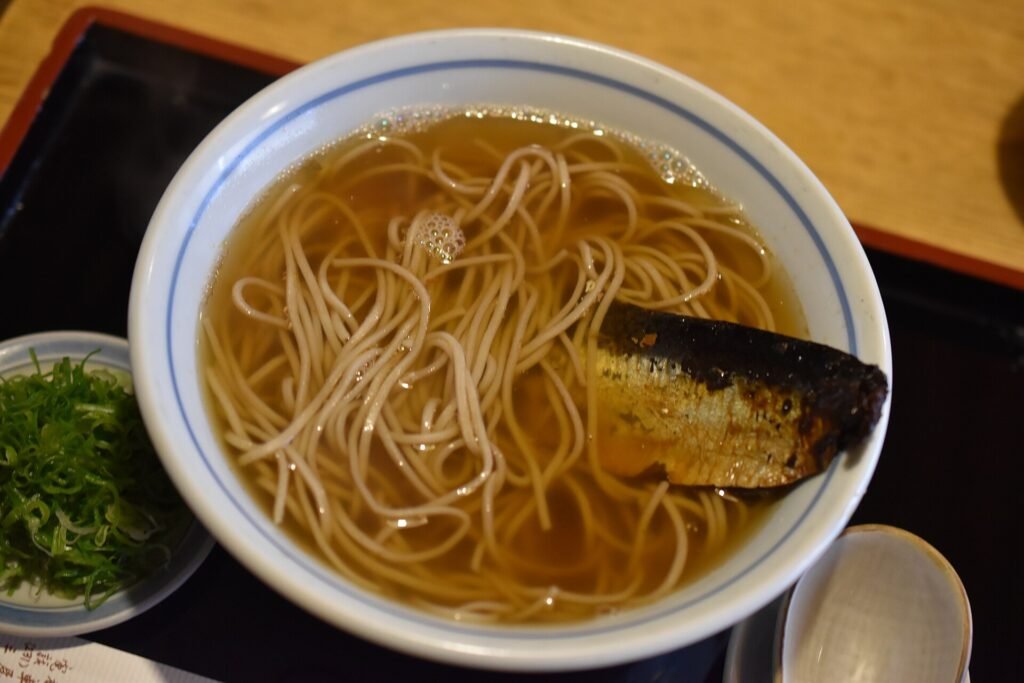
Honke Owariya, a soba maker with roots going back over 500 years, is the most famous place to try it, though plenty of smaller noodle shops around the city serve a perfectly good version for less and without the wait.
Obanzai: The Everyday Food Guidebooks Skip
Obanzai is Kyoto home cooking — a rotating spread of small vegetable, tofu, and fish dishes, usually simmered, pickled, or lightly dressed, built around whatever’s cheapest and freshest that week rather than around any particular recipe. It’s the least photographed and most eaten food in the city, closer to what Kyoto residents actually cook at home than kaiseki ever is.
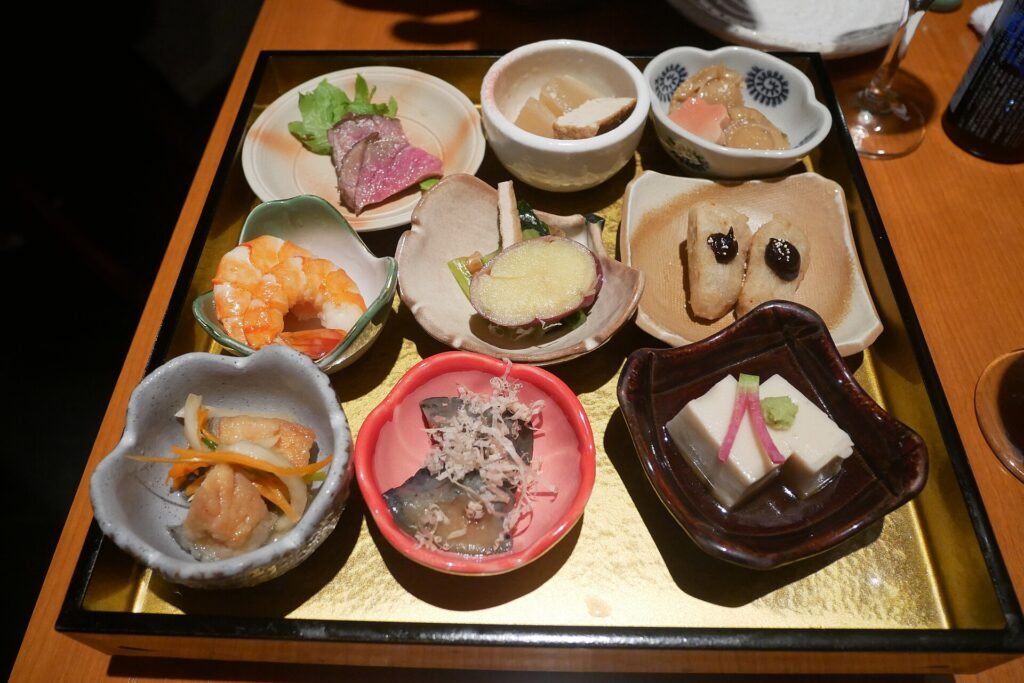
A handful of obanzai restaurants let you build a meal by pointing at a counter of prepared dishes, which is a good option if you don’t read Japanese menus confidently, and department store basement food halls (depachika) sell obanzai-style dishes by weight for an easy dinner back at the hotel. Nishiki Market is worth a stop for the same reason — it’s less a single restaurant and more a few hundred meters of exactly this kind of everyday Kyoto food, sold in small enough portions to try several stalls in one visit.
Wagashi and Matcha: Where the Two Meet
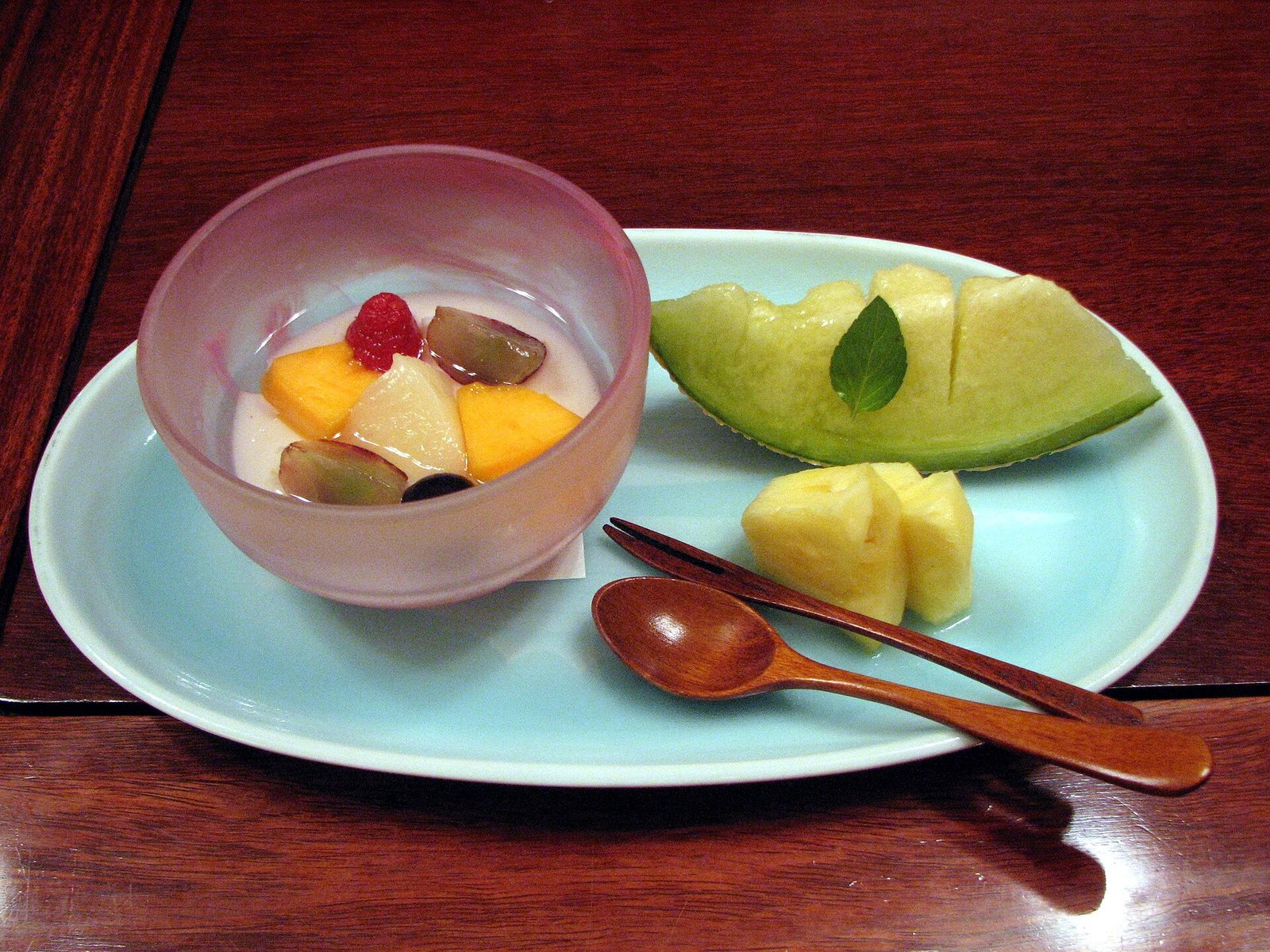
Kyoto is also where Japan’s tea ceremony culture and its sweets tradition developed side by side, which is why the city has an unusually high concentration of serious wagashi shops and matcha cafes. Seasonal wagashi are designed to be eaten alongside a bowl of thick or thin matcha, with the sweetness of the confection balancing the tea’s bitterness — a pairing worth trying at least once at a proper tea house rather than as a matcha soft-serve on the street, which is fun but a completely different experience.
Where to Actually Eat
For a concentrated first taste of the city’s food, Nishiki Market covers the casual end and Gion and Pontocho cover the sit-down end, with the streets around Philosopher’s Path good for a slower, less touristy lunch between temples. If cost is a factor in how you’re planning meals, our budget guide breaks down exactly where a day’s food spending tends to go and how far a convenience store breakfast and an izakaya dinner can stretch.
Bottom Line
Don’t let one kaiseki dinner stand in for Kyoto’s food scene — the city’s real specialty is the range between that and a counter of obanzai dishes eaten standing up, and most of what makes it distinctive (soft water, temple vegetarianism, a landlocked kitchen’s workarounds for fresh fish) shows up more in the everyday food than in the tasting menu. Budget one proper sit-down meal, and spend the rest of your trip eating the food nobody puts on a postcard.