Kyoto in December: A Practical Guide to Festivals, Weather, and Winter Light-Ups
By the time December arrives, the crowds that made November feel like a logistics exercise have largely gone home, and Kyoto settles into something quieter. The last of the maples hang on in a few sheltered gardens, the big illuminations wind down, and the city shifts its attention toward a different kind of light — lanterns strung through Arashiyama, bonfires on New Year’s Eve, and strings of New Year’s decorations going up outside shops that were selling maple-viewing guides a few weeks earlier. It’s a short, cold, in-between month, and in its own way one of the better times to visit if you’ve already seen the autumn crowds once.
The Essentials at a Glance
| What | Details |
|---|---|
| Average temperature | Roughly 10°C/3°C (50°F/37°F) highs and lows, dropping further through the month — a proper winter coat is worth packing from the start |
| Rainfall | Around ten days with some precipitation, totaling roughly 60–65mm; mostly dry, with the occasional light snow flurry possible later in the month |
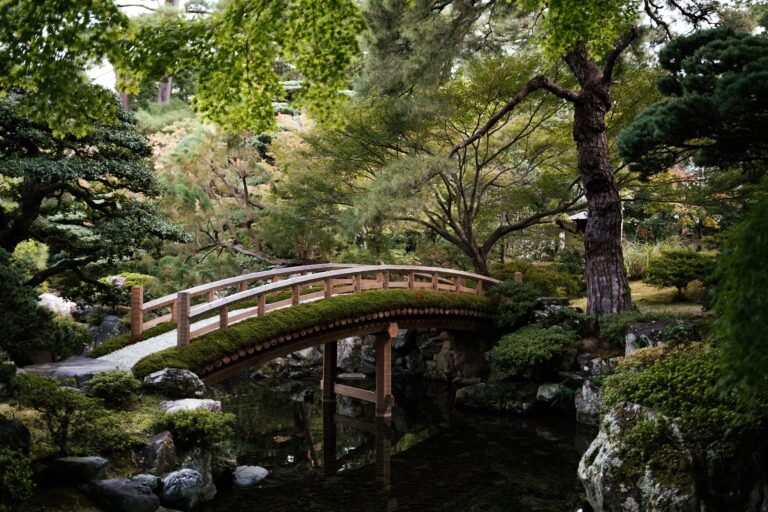
| Foliage status | Mostly over by the first week, though a few sheltered gardens and moss-covered temple grounds can hold color a little longer |
| Headline events | Arashiyama Hanatoro lantern festival (typically around the second week); Minamiza’s year-end kabuki program in Gion; Okera Mairi and Joya-no-Kane bell-ringing on New Year’s Eve |
| Crowd level | One of the quietest months of the year at most sights, aside from a sharp spike around New Year’s Eve and Day |
| What to pack | A proper coat, thermal layers, and a scarf and gloves — the wind off the hills makes it feel colder than the thermometer suggests |
The Weather: Autumn Finally Lets Go
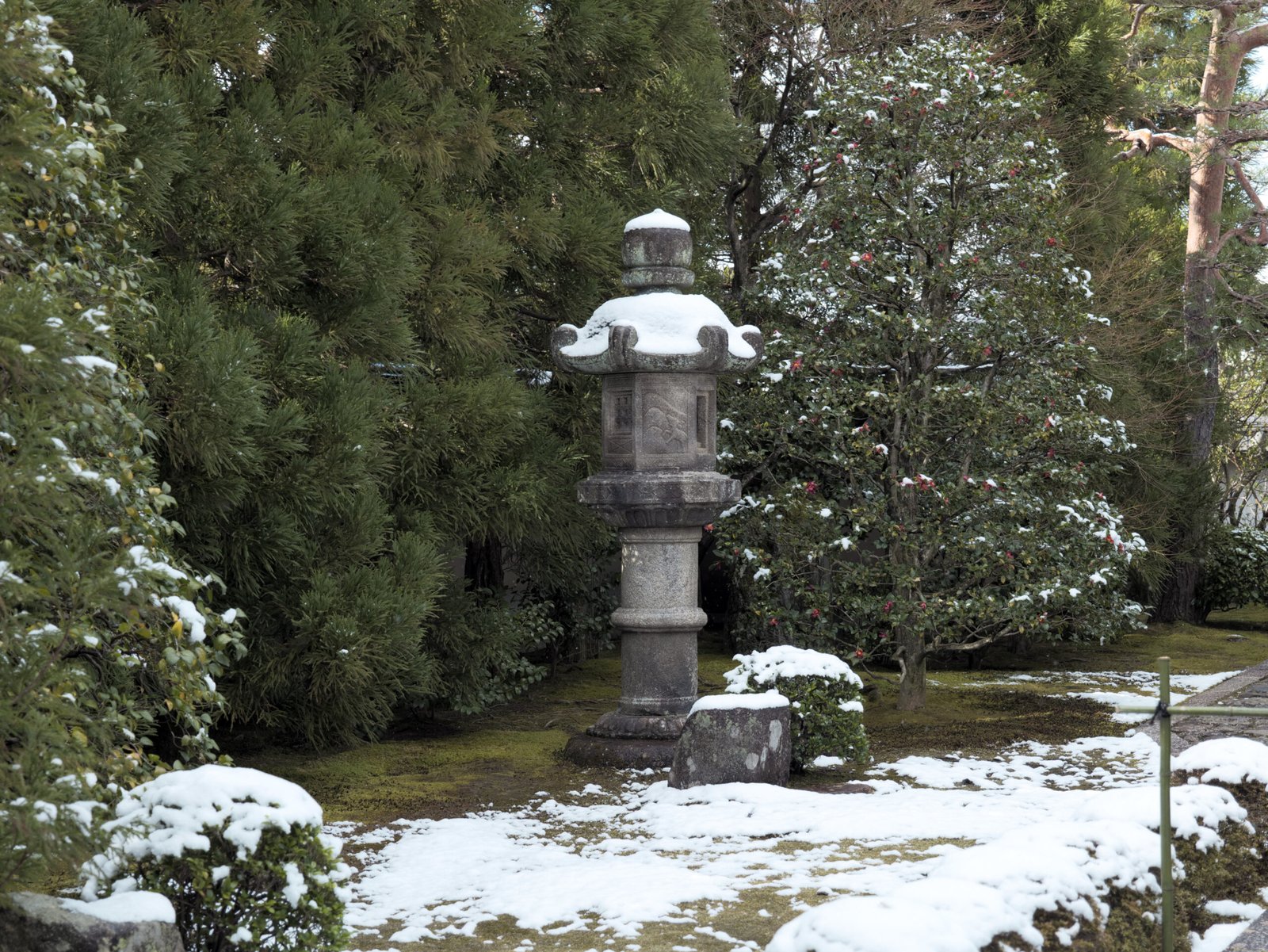
Early December can still feel like a continuation of late November, with daytime highs hovering around 10°C and mornings that are crisp rather than genuinely cold. That doesn’t last. By the back half of the month, highs are often struggling past single digits and overnight lows regularly dip close to freezing, with a light frost on temple roof tiles some mornings. Rain is less frequent than in autumn, and most days are dry and clear, but it’s cold enough by late December that a dusting of snow on a garden or rooftop — while not guaranteed — is a real possibility worth hoping for rather than planning around.
The Last of the Color, and the Last of the Light-Ups
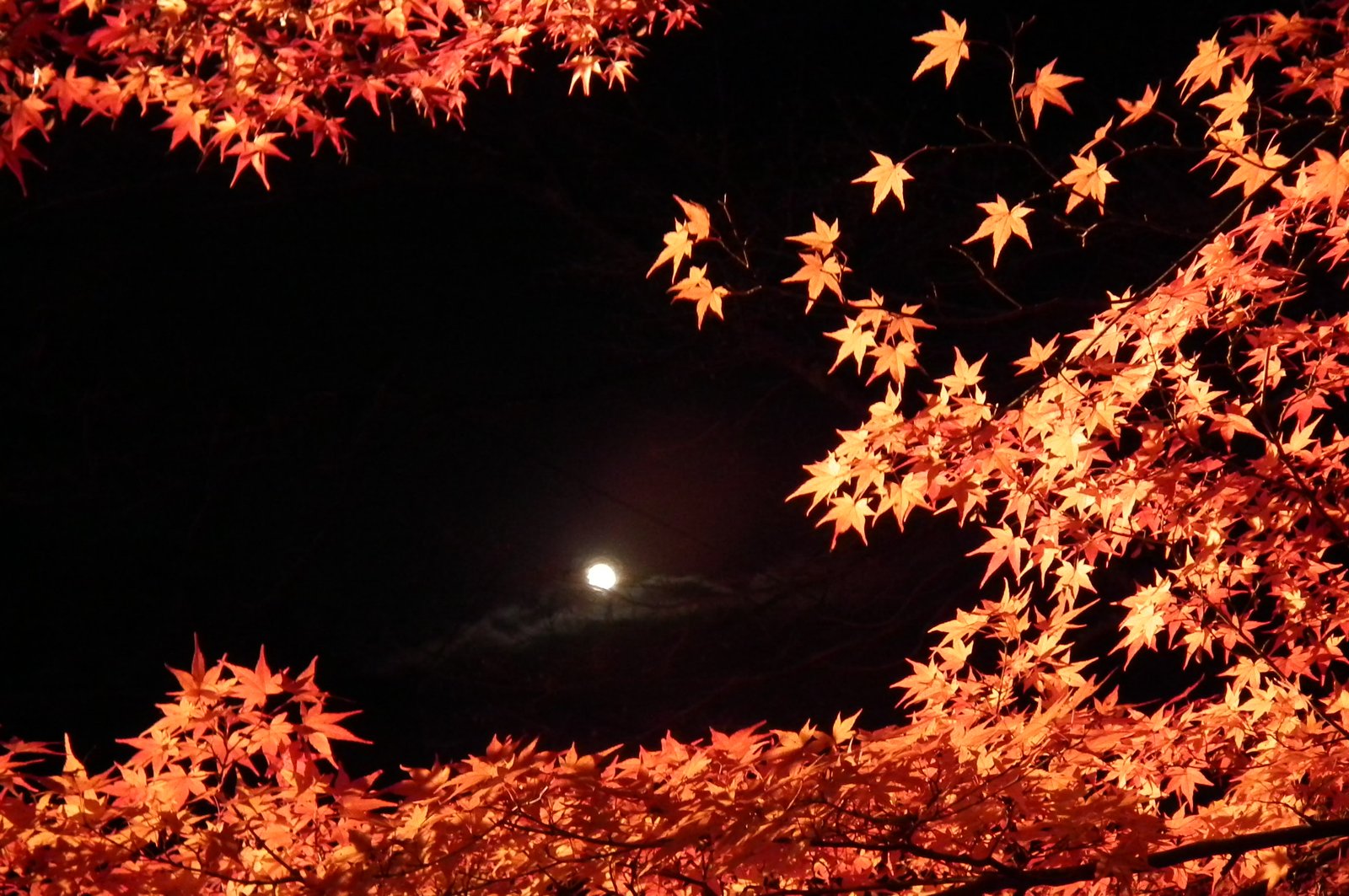
Most of the city’s maples are bare by the start of December, but a handful of spots — sheltered valley gardens and temples with heavier moss cover — can hang on a little longer than the rest, and a few of the evening illumination events that start in November carry into the first week or so of the month before they close for the season. If you’re arriving in early December hoping for a last look at color after dark, it’s worth checking current listings rather than assuming an event is still running; our Kyoto Autumn Illuminations guide covers which temples typically do this and roughly when they tend to wrap up.
Arashiyama Hanatoro: Kyoto’s Winter Lantern Festival
December’s signature event is Arashiyama Hanatoro, a roughly ten-day lantern festival usually held sometime around the second week of the month, though organizers set the exact dates each year, so it’s worth confirming before building a trip around it. Paper lanterns and candle lights line the paths through the Bamboo Grove, past Nonomiya Shrine, and along the Oi River toward the approaches of Jojakko-ji and Nison-in, with ikebana arrangements from local flower schools set up along the route. Most of the walk is free to see; Tenryu-ji usually opens its garden for a separately ticketed night viewing, which tends to draw a queue after early evening.
Lanterns typically switch on around 5:00pm and the atmosphere is best in the hour or so after that, before the paths get crowded with photographers trying for the same shot of the bamboo lit from below. The full route takes about 90 minutes to walk at an easy pace, and it’s considerably colder standing still for photos after dark than it is walking through during the day, so dress for the temperature rather than the daytime forecast.
Kabuki and Kotohajime in Gion
December is traditionally the month Kyoto’s Minamiza theater in Gion stages its biggest kabuki program of the year, a custom with roots going back to the Edo period, with performances typically running across much of the month. Around the middle of December, Gion’s geiko and maiko take part in kotohajime, visiting their dance and music teachers in formal kimono to give thanks for the past year and ask for continued guidance in the next. It’s a private ceremony at its core, but the comings and goings happen on the street outside the teachers’ studios in the morning, and it’s one of the few times outside of the spring and autumn dance performances when you can see several geiko and maiko dressed formally and moving through Gion in daylight.
Shopping the Year-End Markets
Kyoto’s two big monthly temple markets — Kobo-san at To-ji on the 21st and Tenjin-san at Kitano Tenmangu on the 25th — run year-round, but the December editions are worth seeking out specifically, since stalls shift toward New Year’s decorations: kadomatsu pine-and-bamboo arrangements, shimenawa straw ropes, and mochi alongside the usual antiques, pottery, and street food. They’re also simply less crowded than the spring and autumn editions, which makes them a comfortable way to spend a cold morning.
Counting Down to New Year
The very end of December is its own distinct event. On New Year’s Eve, temples across the city ring their bells 108 times in a ritual called Joya-no-Kane, meant to clear away the year’s accumulated worldly desires, and some of the larger temples let visitors take a turn on the rope themselves. At Yasaka Shrine, the Okera Mairi tradition has visitors light a length of rope from a sacred fire and carry the smoldering ember home to light the New Year’s first cooking fire, a custom that keeps the shrine busy from the evening of the 31st well into the small hours of January 1st. Expect many museums, smaller shops, and some sights — including places like Kiyomizu-dera‘s neighboring attractions — to close for a stretch around the New Year holiday itself, typically from around December 29th into early January, so it’s worth checking specific opening hours if your trip falls right at the end of the month.
Getting Around in the Cold
Outside of the Hanatoro evenings and the New Year’s Eve rush, December is one of the easier months to get around the city — buses and trains that crawl through November’s foliage crowds run close to normal through most of the month. Our Getting Around Kyoto guide covers the basics of the bus and subway network if you haven’t used them before; in December specifically, it’s worth keeping an eye on bus schedules around Arashiyama on Hanatoro evenings, when extra foot traffic can slow things down even without the autumn-level congestion.
Bottom Line
December trades November’s peak color and peak crowds for something smaller and colder: a lantern-lit walk through Arashiyama, a kabuki program in Gion, and a city visibly getting ready for the New Year rather than showing off for visitors. It rewards packing properly for the cold more than it rewards careful planning around any single event, and if your trip happens to land right at the end of the month, building in New Year’s closures — and maybe a cold walk to hear a few temple bells — is the better use of your time than fighting the holiday crowds for a sight that might be shut anyway.