Mibu-dera: A Practical Guide to Kyoto’s Shinsengumi Temple
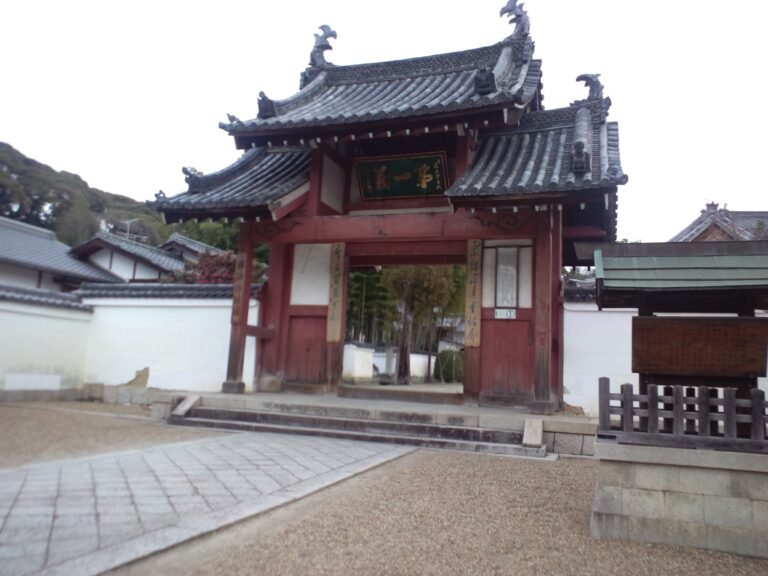
Most visitors heading toward downtown Kyoto’s shopping streets walk right past Mibu-dera without a second glance — it sits on an ordinary residential block in Nakagyo-ku, a few minutes from the Shijo-Omiya intersection, with none of the queueing crowds you’d find at the city’s bigger temples. That’s part of the appeal. Behind its gate is a thousand-year-old Jizo temple that also happens to be the place where the Shinsengumi, the shogunate’s infamous Kyoto police force, trained and buried their own dead. It’s free to walk around, takes well under an hour to see properly, and manages to connect two very different chapters of the city’s history — Heian-era Buddhist devotion and the street-level violence of Kyoto’s last years as a shogunal capital — inside one small compound.
The Essentials at a Glance
| What | Details |
|---|---|
| Location | Nakagyo-ku, near the Shijo-Omiya intersection, central Kyoto |
| Affiliation | Risshu sect Buddhism; principal image is Jizo Bosatsu |
| Founded | 991, as a memorial chapel on land once associated with the monk Ganjin |
| Known for | The Shinsengumi’s training ground and graveyard; Mibu Kyogen pantomime plays; Jizo statues locals still pray to directly |
| Hours | roughly 8:30am to late afternoon daily; worth confirming locally, since sources vary slightly |
| Admission | free for the main grounds; a small fee (around ¥100–200) to enter the Mibu-zuka graveyard |
| Access | about a 10-minute walk from Hankyu’s Omiya Station or Randen’s Shijo-Omiya Station; also reachable by city bus from Kyoto Station in roughly 15 minutes |
A Memorial Chapel That Outlasted Almost Everything Around It
Temple tradition traces Mibu-dera’s origins to Ganjin (also known by his Chinese name, Jianzhen), the monk who reached Japan on his sixth attempt at the crossing and went on to found Toshodai-ji in Nara. The story goes that a monk named Kaiken, based in the Mibu district, built a small Jizo Bosatsu chapel on the site of Ganjin’s former residence in 991, completing it in 1005. The temple was first known as Komii-dera, a nod to Kaiken’s home temple of Onjo-ji (also called Mii-dera), and later took on the name Jizo-in, reportedly bestowed during a visit from Emperor Shirakawa, who also granted the temple chokugan-ji status in 1077 — meaning it was recognized as a site for prayers on behalf of the imperial family and the nation.
None of that long history came easily. Fire destroyed the temple in 1257, and it was rebuilt slightly relocated under the patronage of Taira no Munehira. Centuries later, in 1962, arson destroyed the main hall along with its original object of worship, a seated Kamakura-period Jizo statue popularly known as the “Mibu Jizo.” The current main hall dates to a 1967 rebuild, funded by parishioner donations, with a new standing Jizo statue sent over from Toshodai-ji, the head temple Ganjin himself established. It’s a long way from the eleventh century, but the chain of custody — monk to monk, temple to temple — has somehow never quite broken.
The Comic Plays That Gave the Temple Its Nickname
Mibu-dera is sometimes called “the temple of plays,” and that’s thanks to Mibu Kyogen, a tradition of short, masked pantomime plays performed without dialogue on an outdoor stage within the temple grounds. Their origin is tied to the temple’s 1257 rebuilding: a priest named Dogyo, of the Yuzu Nembutsu school, held large nembutsu gatherings to raise reconstruction funds, and these rituals are said to have evolved into the comic, farcical performances staged here today. Guidebooks were already mentioning Mibu Kyogen by the Muromachi period, and the tradition is now designated an Important Intangible Folk Cultural Property. If you want to catch a performance rather than just read the explanatory signboards, the plays run on February 2–3 for Setsubun, over a stretch from April 29 to May 5, and again during a three-day weekend in October — worth checking current dates before building a trip around it, since the exact days can shift slightly from year to year.

Where the Shinsengumi Trained
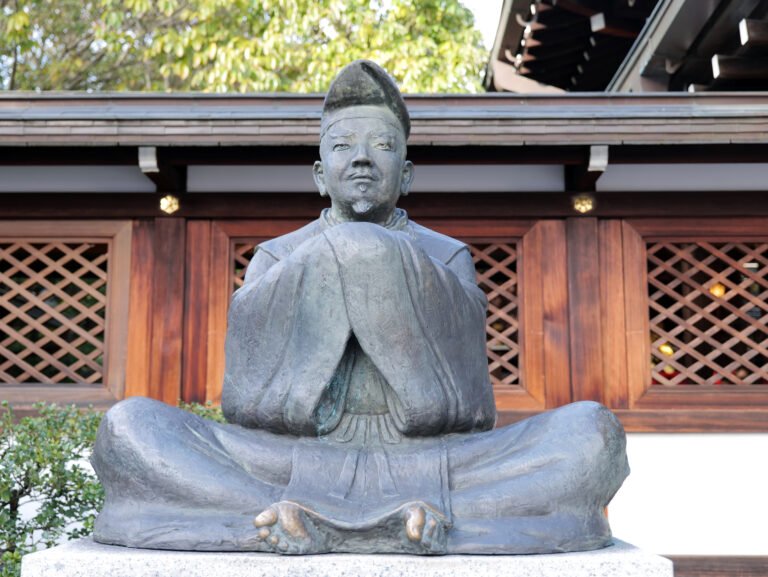
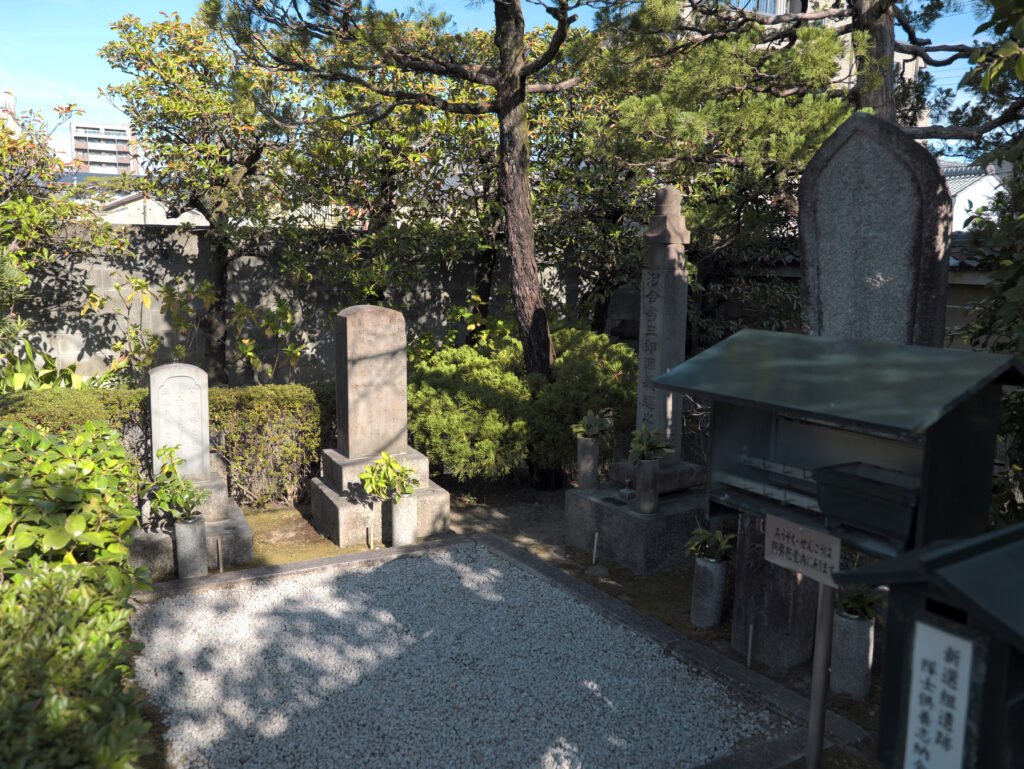
Mibu-dera’s second, very different claim to fame starts in the final, chaotic years of the Edo period. The shogunate assembled a group of ronin, based at the nearby Yagi residence in this same Mibu neighborhood, to help police a Kyoto that was growing dangerous for shogunal interests as rival domains jostled for power. That group, originally called the Mibu Roshigumi, became the Shinsengumi — the sword-wielding police force whose exploits still get dramatized in Japanese film and television. Mibu-dera’s grounds served as a training ground for the unit’s martial arts and military drills, and the temple still carries physical reminders of that chapter: a bronze statue of Kondo Isami, the Shinsengumi’s second commander, stands on the grounds, and a burial mound called Mibu-zuka, tucked behind the Amida and Benten halls, holds the graves of several unit members, including first commander Serizawa Kamo, who was killed in an internal purge within his own organization. Fans of the Shinsengumi story leave illustrated ema, votive tablets, at the site, and it’s common to see visitors who’ve clearly come specifically for this corner of the temple rather than for the Buddhist history next door.
The Jizo Statues People Actually Come to Pray To
It’s easy for the Shinsengumi connection to overshadow the fact that Mibu-dera is, first and foremost, a working Jizo temple, and the devotional side of a visit is worth slowing down for. The main object of worship is Jizo Bosatsu, widely regarded across Japan as a guardian of children, and Mibu-dera’s version of that role gets quite specific. One statue, known as Yonaki Jizo, is believed to help with children’s nighttime crying and minor illnesses. Another, Mizukake Jizo, invites a more hands-on kind of prayer: visitors use ladles provided at the statue to pour water over it while making a wish, a small ritual that’s easy to join even if you don’t read a word of the signage. The temple also runs genuinely practical community services on the side — a daycare and a retirement home operate on the grounds — which is a reminder that for all its history, Mibu-dera is still very much a functioning neighborhood institution, not a museum piece.
Pairing It With Nearby Sights
Mibu-dera sits close enough to central Kyoto that it pairs naturally with a few different itineraries depending on which half of its story interests you more. For the shogunate-era thread, Nijo Castle is a short ride away and was the Tokugawa shogunate’s own power base in Kyoto, built roughly two and a half centuries before the Shinsengumi trained at Mibu-dera but tied to the same institution. If you’re tracing the Shinsengumi’s actual movements around the city, Shimabara, Kyoto’s original licensed pleasure quarter, is a logical next stop — Shinsengumi officers were known to spend their off-duty hours in Shimabara’s teahouses, and walking that history-dense, quiet quarter after Mibu-dera fills in a side of the unit’s story the graveyard alone doesn’t show. And if the shogunate’s final chapter is what you’re after, Fushimi Momoyama Castle, a bit further south, sits near where shogunate forces made their last organized stand against imperial loyalists in the Boshin War of 1868, a few years after the Shinsengumi’s heyday at Mibu-dera.
Visiting Mibu-dera
Mibu-dera is open roughly 8:30am to late afternoon daily, and getting in to see the main grounds, the Jizo halls, and the Kondo Isami statue costs nothing. Only the Mibu-zuka graveyard charges a small entry fee, generally in the ¥100–200 range, to actually walk up close to the Shinsengumi graves rather than viewing them from outside. The temple is an easy walk — about ten minutes — from either Hankyu’s Omiya Station or Keifuku Randen’s Shijo-Omiya Station, both of which put you within reach of central Kyoto’s subway and bus network as well; our Getting Around Kyoto guide has the IC card basics if you’re new to the city’s transit system. City buses from Kyoto Station also run to a stop near the temple in around fifteen minutes, which is the easiest option if you’re coming straight off a train and don’t want to transfer lines.
Bottom Line
Mibu-dera is a quick, free stop that rewards anyone curious about Kyoto’s history beyond its famous temple gardens — a thousand-year-old Jizo chapel that somehow also became the training ground and burial site for one of the most dramatized police forces in Japanese history. Give it thirty to forty-five minutes, read the signboards around Mibu-zuka if the Shinsengumi story interests you, and pour a little water over Mizukake Jizo while you’re there. It’s the kind of place that doesn’t demand a special trip, but makes an excellent detour if you’re already working your way through downtown Kyoto’s quieter corners.