Luggage Storage and Forwarding in Kyoto: A Practical Guide
Kyoto rewards you for not dragging a suitcase through it. The city’s best-known sights sit at the end of bus rides, up temple steps, or down narrow lanes that were never built with roller bags in mind, and anyone arriving straight from Kansai Airport or Osaka with a half-day of sightseeing already planned is going to regret hauling full luggage along for the ride. Japan’s logistics system is set up to deal with exactly this problem, and Kyoto Station in particular has more ways to get rid of your bags for a few hours or a few days than most first-time visitors realize.
The Essentials at a Glance
| Option | Typical Cost | Best For |
|---|---|---|
| Coin lockers | Roughly ¥400–900 per day depending on size | A few hours of sightseeing without your bags |
| App-booked storage (e.g. ecbo cloak) | Around ¥500/day for a bag, ¥800/day for a suitcase | When station lockers are full, or storage near a specific attraction |
| Takkyubin luggage forwarding | Roughly ¥2,000–3,700 per suitcase depending on distance | Sending bags ahead between the airport, your hotel, and your next stop |
Coin Lockers: The Default Option
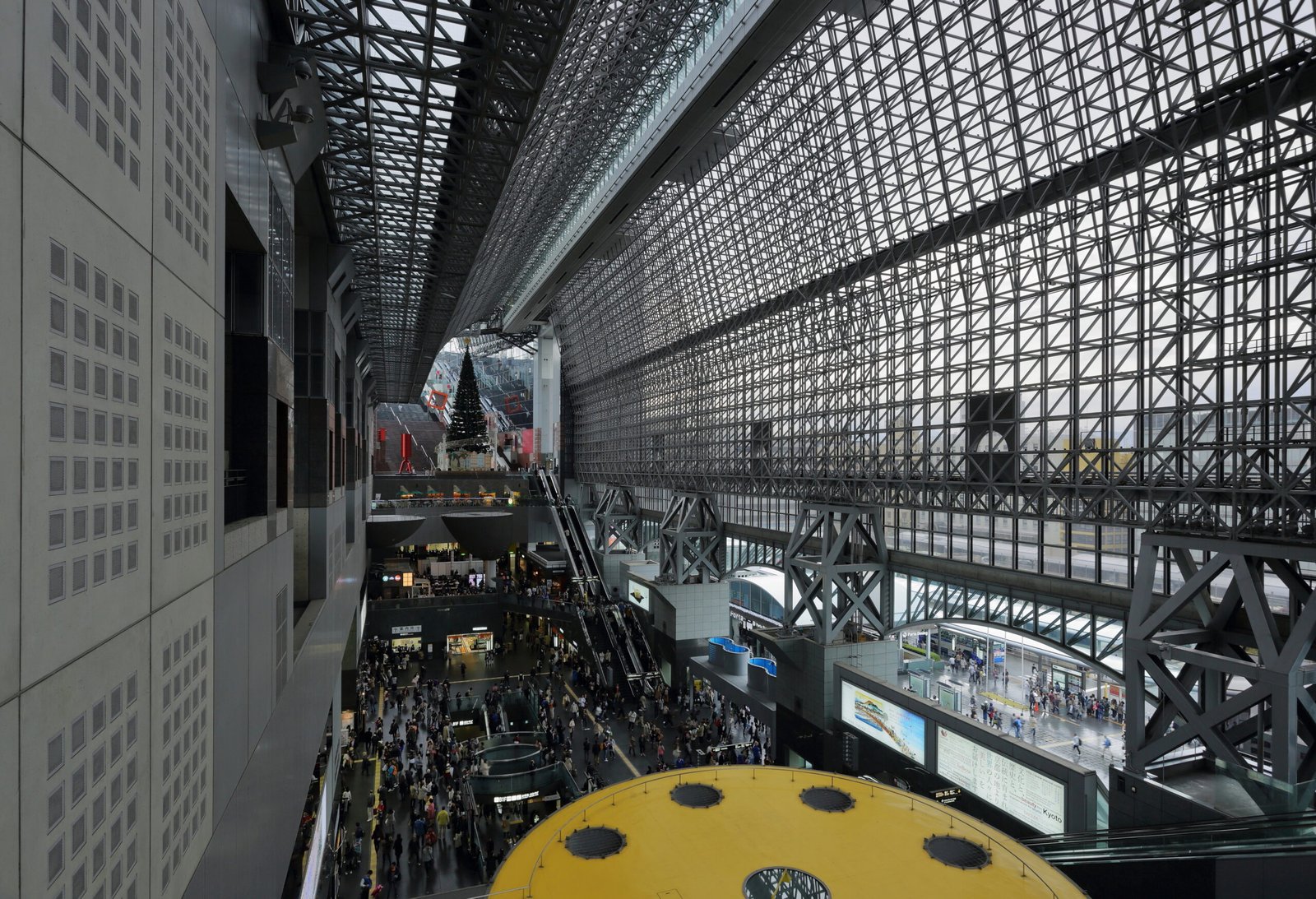
Kyoto Station alone holds what’s usually described as hundreds of coin lockers, scattered across the Central, Karasuma, and Hachijo exits, the Shinkansen ticket gates, and the underground shopping passages below the main concourse. Sizes generally run from small (roughly ¥400–500 per day) up through medium and large (around ¥500–900) to a limited number of extra-large lockers near ¥1,000 per day, and most of the newer units take IC cards and credit cards as well as coins, with multilingual touchscreens that make the process straightforward even if you don’t read Japanese. Large and extra-large lockers are the first to go, so if you’re traveling with a full-size suitcase rather than a daypack, it’s worth checking more than one bank of lockers before assuming the station is full.
When the Lockers Are Full
During cherry blossom season, the autumn foliage weeks, and most weekends and public holidays, Kyoto Station’s lockers — especially the larger sizes — can fill up by mid-morning. The fallback most visitors don’t know about until they need it is app-based storage: services like ecbo cloak let you reserve a storage spot in advance at a partner location, which might be a staffed counter, a cafe, a shop, or a convenience store rather than a locker bank. Pricing generally runs around ¥500 per day for a bag-sized item and ¥800 per day for a full suitcase, booked and paid for through the app before you arrive. Several 7-Eleven locations around the country now take part in this kind of partnered storage as well, though not every branch does, so it’s worth checking the app for confirmed locations near Kyoto Station rather than assuming the nearest convenience store will take your bag. There’s also a dedicated paid storage counter in the Crosta Kyoto underground mall beneath the station, charging roughly ¥1,000 per item per day for stays of up to about a month, which is a reasonable option if you need to park a suitcase for several days rather than a single afternoon.

Shipping Your Bags Ahead: How Takkyubin Works
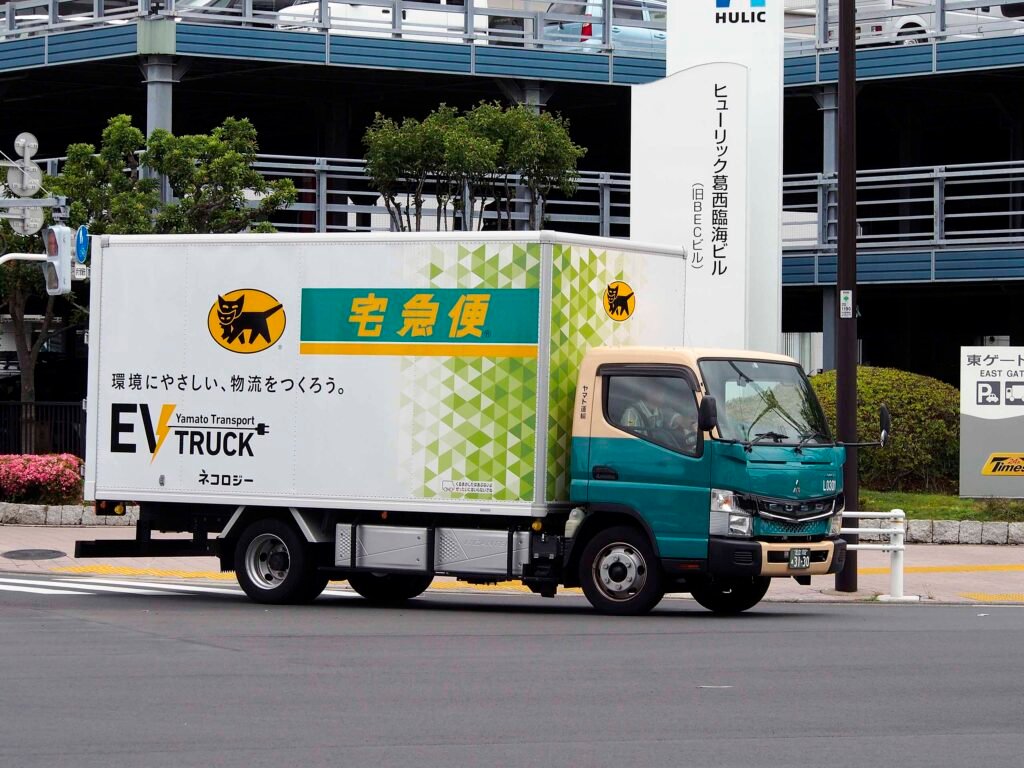
The other option, and the one that solves the problem entirely rather than just moving it a few hours down the road, is takuhaibin (often called takkyubin) — Japan’s nationwide door-to-door courier network. Yamato Transport, recognizable by its black-cat logo, is the market leader and the company most hotels and airports work with by default, though Sagawa Express and Japan Post offer similar services. You can arrange a pickup at your hotel’s front desk, drop a suitcase off at a staffed counter in the airport arrival lobby, or hand it over at a convenience store or service center displaying the courier’s sign, and have it delivered to your next hotel, a later stop on your trip, or back to the airport ahead of a flight home.
Delivery is usually next-day for most routes within Japan, though short in-city distances can sometimes arrive the same day. As a rough guide, forwarding a suitcase under 25kg between Kyoto or Osaka and Kansai Airport runs around ¥3,700, while shorter in-city moves cost less; these figures vary by courier, size, and season, so treat them as ballpark rather than a quote. The common use case for visitors is sending heavy luggage from Kansai Airport straight to a Kyoto hotel on arrival and spending that first day sightseeing with only a day bag, or doing the reverse before an early flight out. It’s worth confirming with smaller hotels or guesthouses before forwarding anything their way, since not every property has room to hold luggage that arrives before check-in.
The Day-Trip Problem: Sightseeing Without Your Suitcase
If you’re arriving in Kyoto straight off a flight or a long train ride, the lockers at Kyoto Station are usually the easiest first move: drop your bags the moment you arrive, and you’re free to start sightseeing immediately rather than detouring to a hotel that might not let you check in for hours. Our Kansai Airport to Kyoto guide covers the train and bus options for that first leg in more detail, and pairs naturally with a locker or forwarding plan once you know roughly what time you’ll land. Once your bags are sorted, getting around the city without them is its own small skill — our Getting Around Kyoto guide covers the bus and subway network you’ll be relying on for the rest of the day.
Practical Notes and Timing
Most storage pricing is counted by business day rather than by the hour, so a late-afternoon drop-off followed by a next-morning pickup can be billed as two days even if the bag only sat there overnight. If you’re arranging takkyubin forwarding, give it at least a day’s notice where possible rather than expecting same-day service to be guaranteed, and double-check the delivery address and expected arrival date with whoever is handling the pickup, since a bag arriving a day later than planned is a bigger problem for luggage than for an ordinary parcel. And if you’re budgeting a multi-day trip around Kyoto, a few hundred yen a day for lockers or storage adds up faster than it looks on paper — our Kyoto on a Budget guide has more on where else those small daily costs tend to creep in.
Choosing Where You Stay With Luggage in Mind
If you know in advance that you’ll be shuffling luggage between stops — say, a few nights near Kyoto Station followed by a few nights closer to Gion — it’s worth factoring that into where you book rather than treating it as an afterthought once you’ve arrived. Our Where to Stay in Kyoto guide compares the city’s main neighborhoods, and a hotel within easy walking distance of Kyoto Station in particular makes both lockers and takkyubin pickups considerably more convenient than a stay further out.
Bottom Line
Coin lockers at Kyoto Station handle most short-term needs on their own, app-based storage is the reliable backup when they’re full, and takkyubin forwarding is worth the few thousand yen whenever you’d otherwise be hauling a full suitcase somewhere it doesn’t need to go. None of these require much planning once you know they exist — the only real mistake is not knowing about them and dragging your luggage up a temple’s stone steps instead.