Shosei-en: A Practical Guide to the Hidden Garden Behind Kyoto Station
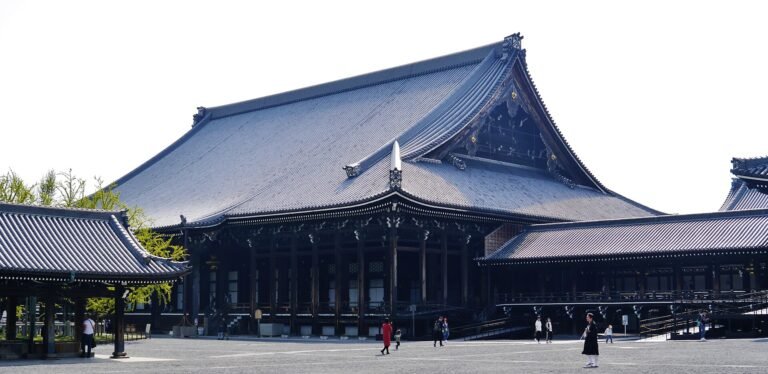
Higashi Hongan-ji’s twin-roofed main hall is one of the first things a lot of visitors see in Kyoto, looming over the plaza a few minutes’ walk from Kyoto Station. Far fewer make it to the temple’s actual garden, tucked a few blocks east behind ordinary city streets: Shosei-en, a walled pond garden built nearly four centuries ago as a retirement residence for the temple’s head priest. If you’ve got an hour free before a train, or you’ve just finished the twin head temples covered in our Nishi Hongan-ji and Higashi Hongan-ji guide, this is one of the easiest, least crowded garden visits in central Kyoto.
The Essentials at a Glance
| What | Details |
|---|---|
| Location | Shimogyo-ku, about a 10-minute walk from Kyoto Station; a separate walled enclave from Higashi Hongan-ji’s main precinct a few blocks away |
| Built | 1641, as a retirement residence for the temple’s head priest |
| Size | About 35,000 square meters, roughly a sixth of which is the garden’s main pond alone |
| Known for | The Ingetsu-chi (“Moon Image”) pond and a set of traditionally admired structures and views known as the Thirteen Views |
| Hours | 9:00am–5:00pm, March–October; 9:00am–4:00pm, November–February (reception closes 30 minutes earlier) |
| Admission | Donation for garden upkeep: ¥700 for visitors 18+, ¥300 for ages 13–17, free for 12 and under |
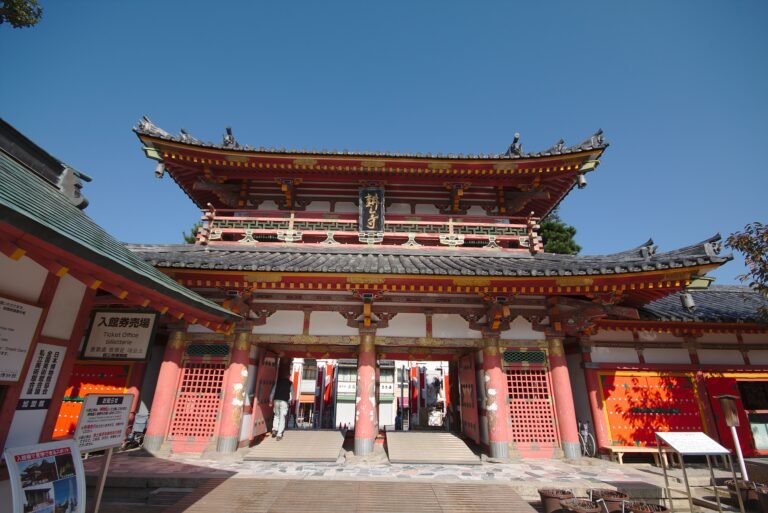
| Access | About 10 min walk from JR Kyoto Station, or 15 min from the subway’s Gojo Station; enter only through the West Gate |
A Retirement Villa for a Head Priest
Shosei-en’s history begins in 1641, when the third Tokugawa shogun, Iemitsu, donated the land to Sennyo, the thirteenth head priest of Higashi Hongan-ji, officially known as Shinshu Honbyo. Sennyo built the garden as part of his residence after stepping down from the head priest role, a kind of retirement estate attached to, but physically separate from, the main temple he had led. In the generations after Sennyo, the garden kept serving a similar function: a retreat for successive head priests and a guesthouse where particularly honored visitors were received, rather than a public garden in the modern sense.

The Thirteen Views and the Moon-Image Pond
The garden earned its reputation through what’s traditionally called its Thirteen Views, a set of structures and vantage points inside the grounds singled out for the way their architecture and setting work together. The centerpiece is a large pond on the garden’s southeast side, Ingetsu-chi, or the “Moon Image Pond,” which by itself covers something like 5,620 square meters — about a sixth of the entire 35,000-square-meter garden. The name comes from how the moon’s reflection is said to appear as it rises over the water, a detail that made the pond a favored spot for moon-viewing gatherings historically. A second, smaller pond sits on the northwest side. Throughout the grounds, teahouses, a Buddhist hall called Onrin-do, and several reception halls are positioned so that the mountains visible beyond the garden’s walls read as a backdrop to the scene, a borrowed-scenery technique rather than an accident of geography. Most of the buildings’ interiors are closed to general visitors, so the experience here is really about walking the paths around the two ponds rather than going inside anything.
Rebuilt After Fire, Visited by an Emperor
Very little of what stands at Shosei-en today is original to 1641 — fire has reshaped the garden more than once. The Kaito-ro bridge burned in the Great Ansei Fire of 1858 and wasn’t rebuilt until around 1884. The Rofu-tei structure was rebuilt around 1865, and its Karaku room has its own small footnote in history: Emperor Meiji is recorded as having rested there on July 14, 1880. The Boka-kaku pavilion followed with a rebuild in 1892. Despite all that rebuilding, the garden was designated a National Place of Scenic Beauty in 1936, a recognition of the overall design rather than any single original structure.

Visiting: Hours, Admission, and the One Entrance
Shosei-en is open year-round, with hours that shift slightly by season: 9:00am to 5:00pm from March through October, and 9:00am to 4:00pm from November through February, with the reception desk closing half an hour before either closing time. Admission is technically framed as a donation toward the garden’s upkeep rather than a flat entrance fee, though in practice it works the same way: ¥700 for visitors 18 and older, ¥300 for ages 13 to 17, and free for anyone 12 or under, with additional donations welcomed but not required. There’s only one way in and out, the West Gate, and you’ll pay at the reception desk just inside before walking the grounds.
Getting There
Shosei-en sits close enough to Kyoto Station that it’s easy to fit into a layover: about a 10-minute walk from the station itself, around 15 minutes from the subway’s Gojo Station, or about 20 minutes on foot from the Karasuma-Shichijo bus stop. It’s a separate, walled enclave a few streets east of Higashi Hongan-ji’s main hall rather than part of the same complex, so don’t expect to wander into it directly from the temple grounds — look for the West Gate on its own street.
Pairing It With the Rest of the Kyoto Station Area
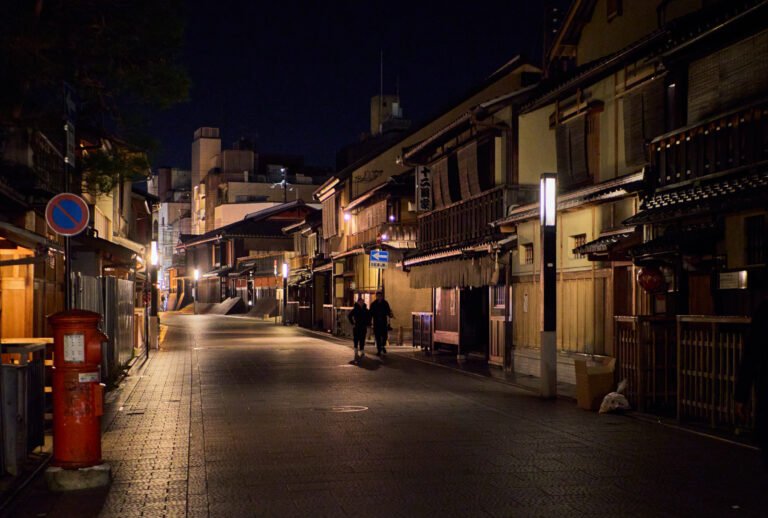
Shosei-en makes the most sense as a quiet add-on to anything else you’re doing around Kyoto Station. Start with our Nishi Hongan-ji and Higashi Hongan-ji guide if you haven’t already seen the twin head temples the garden technically belongs to, then walk over for the calmer half hour this garden offers. If you’ve got more time on either side, Kyoto Tower and Kyoto National Museum are both within easy reach of the station, and Shimabara, the old pleasure quarter a short walk northwest, gives the area a very different historical angle if temples and gardens start to blur together.
Bottom Line
Shosei-en won’t take more than 30 to 45 minutes to walk through, and that’s exactly its value: a genuine Edo-period pond garden with real history behind its ponds and teahouses, sitting close enough to Kyoto Station to fill a gap in almost any itinerary, and visited by a fraction of the people who photograph Higashi Hongan-ji’s main hall a few blocks away. Pay at the West Gate, stick to the paths around Ingetsu-chi, and don’t expect to go inside any of the buildings — the walk itself is the point.