Kyoto on a Budget: A Practical Guide to Costs and Money-Saving Tips
Kyoto has a reputation for being the expensive stop on a Japan trip — all ryokan and kaiseki dinners and taxi rides between temples. It can absolutely be that trip. It can also be a genuinely cheap one, and most visitors end up somewhere in between without ever quite deciding which trip they’re taking. That’s usually where the budget quietly gets away from people, not from one big splurge but from a string of small ones nobody planned for.
This guide breaks down where the money actually goes in Kyoto, and which parts of a trip are worth spending on versus which ones you can cut without really noticing.
The Essentials at a Glance
| What | Details |
|---|---|
| Backpacker budget | Roughly ¥6,000–¥10,000 per day — hostel dorm, convenience store and casual meals, mostly walking and buses |
| Mid-range budget | Roughly ¥15,000–¥25,000 per day — private business hotel, sit-down meals, occasional taxi |
| Comfortable budget | ¥30,000+ per day — ryokan or upscale hotel, restaurant dinners, taxis when convenient |
| Cheapest bed in town | Hostel dorm bunk, roughly ¥3,000–¥4,500 a night |
| Bus fare | ¥230 flat within the city — see our transit guide for passes and IC cards |
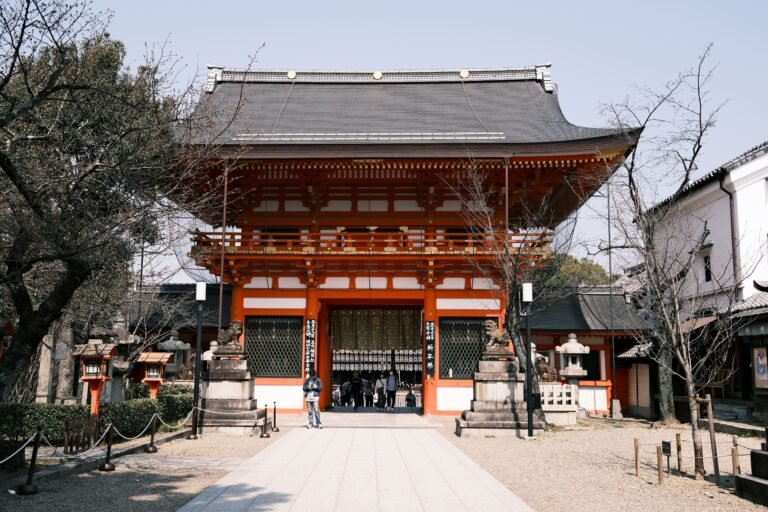
| Free major sights | Fushimi Inari, Yasaka Shrine, and most shrine grounds citywide cost nothing to enter |
Where the Money Actually Goes
For most travelers, accommodation eats the biggest share of a Kyoto budget, followed by food, then transport and admission fees trailing well behind. That ordering matters because it tells you where trimming actually moves the needle — shaving ¥500 off a lunch here and there barely registers next to swapping one hotel-night category for another.
Accommodation: What Different Budgets Buy
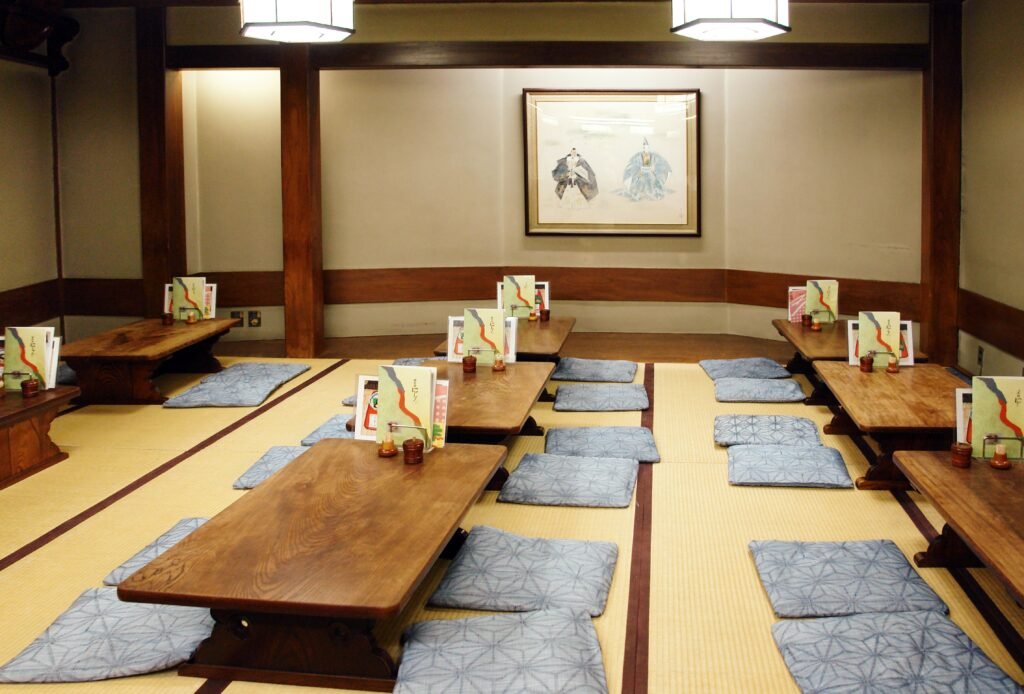
A hostel dorm bed runs ¥3,000–¥4,500 a night, and Kyoto’s hostels are generally clean, well-run, and not the grim last resort some travelers expect — several have genuinely nice common areas and kitchens. Step up to a private capsule or budget business hotel room and you’re looking at roughly ¥8,000–¥15,000. A proper mid-range hotel or a simple ryokan runs ¥15,000–¥30,000, and upscale ryokan with kaiseki dinner included can run well past that.
Neighborhood affects this more than most people expect. A room in Fushimi or the Kyoto Station area typically costs less than an equivalent room in Gion or Higashiyama, partly because you’re paying for proximity to the postcard temples. Our neighborhood comparison guide walks through that tradeoff in more detail — sometimes a cheaper room further out plus a day pass still comes out ahead of a pricier central one.
Food: The Easiest Place to Save (or Splurge)
This is where a Kyoto trip’s daily cost swings the most, because the range is enormous and all of it is good. A convenience store breakfast and a casual lunch — a bowl of ramen, a set meal at a teishoku counter — can run ¥1,500–¥2,500 for the day combined. Add a proper izakaya dinner and you’re at ¥4,000–¥6,000 for the day. Sit down for a kaiseki dinner and a single meal alone can run ¥10,000–¥30,000 per person.
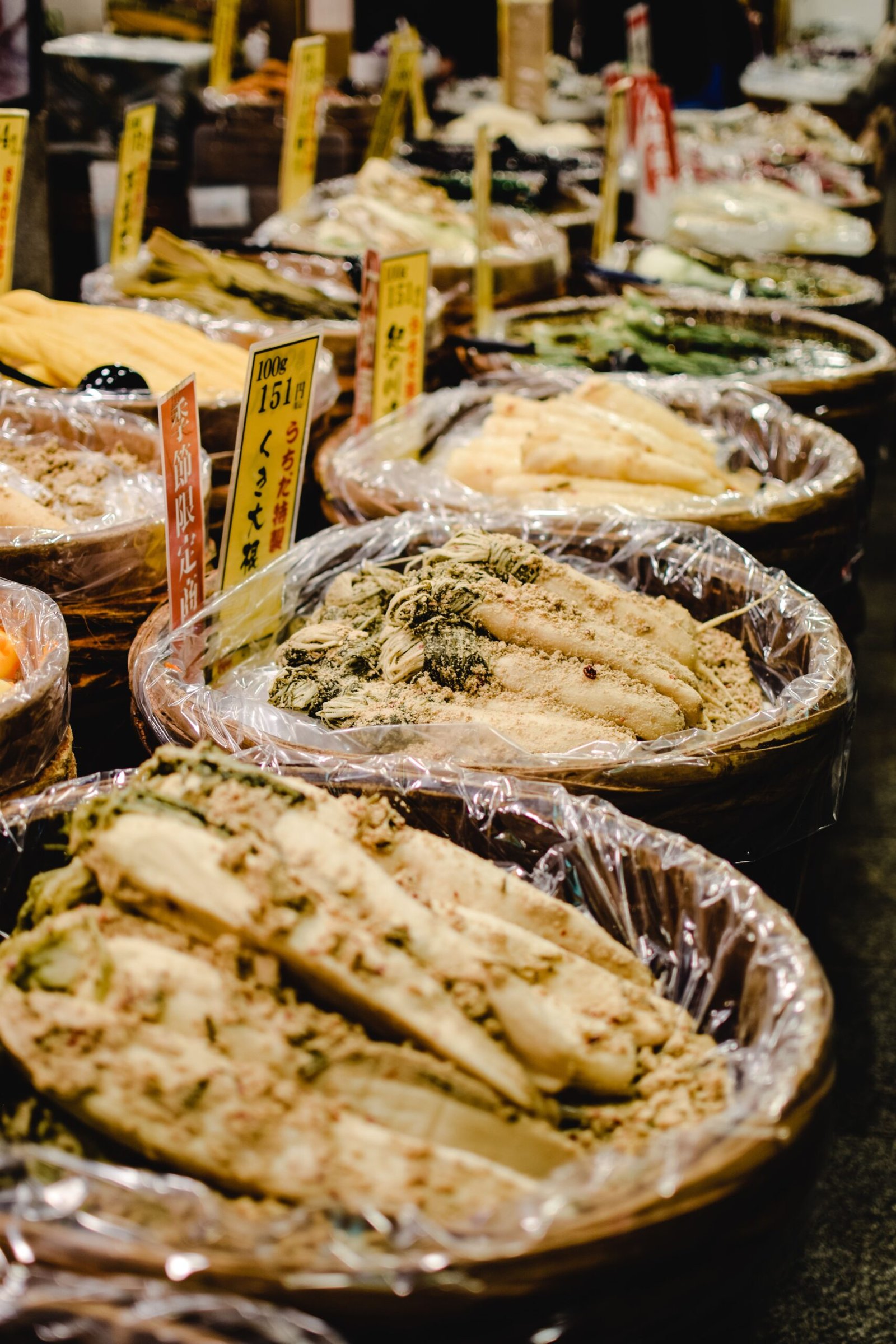
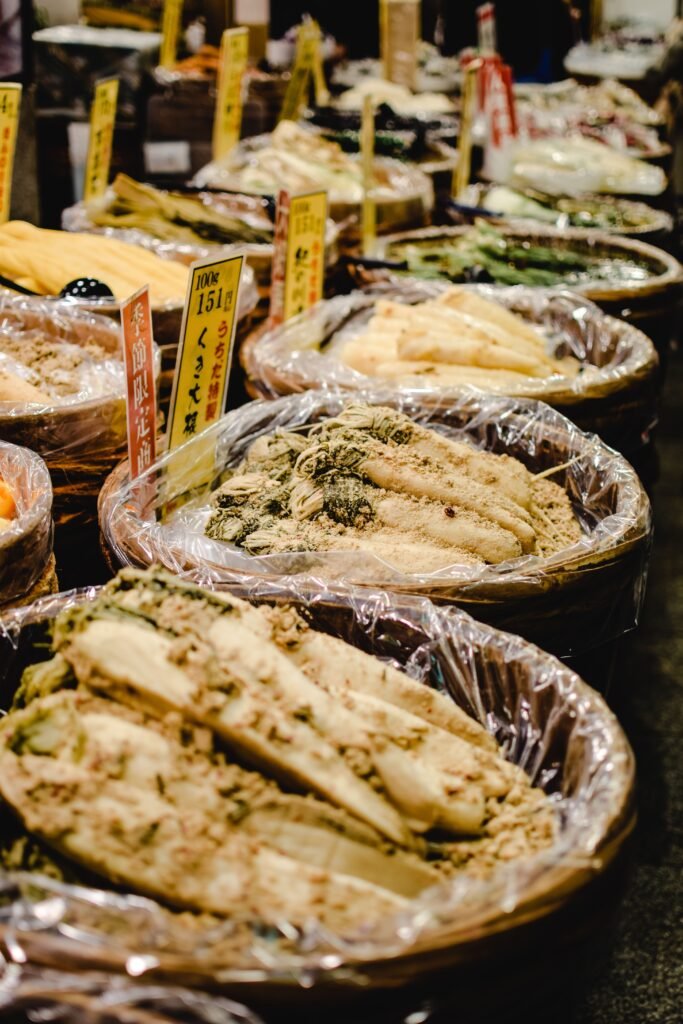
Nishiki Market is a good middle path — stall food lets you try a lot for not much money, though it’s easy to spend more than you think grazing stall to stall. Department store basement food halls (depachika) are another underrated option: quality prepared food at supermarket prices, good for an easy dinner back at the hotel.
Temples and Shrines: Free vs. Paid
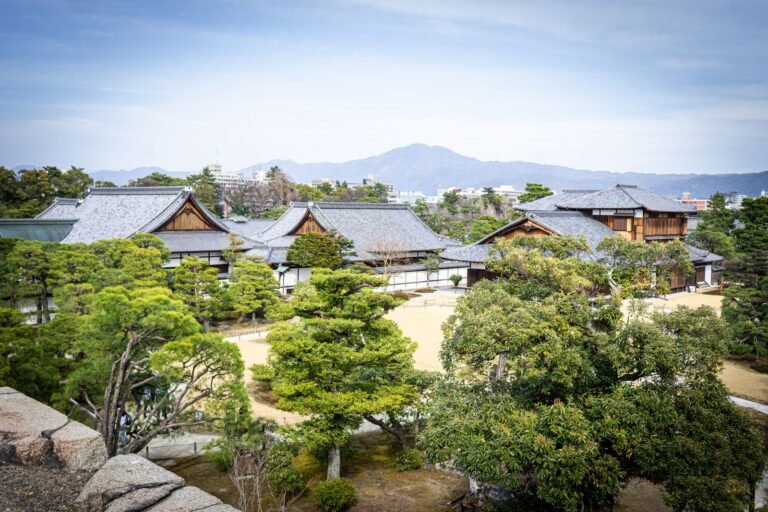
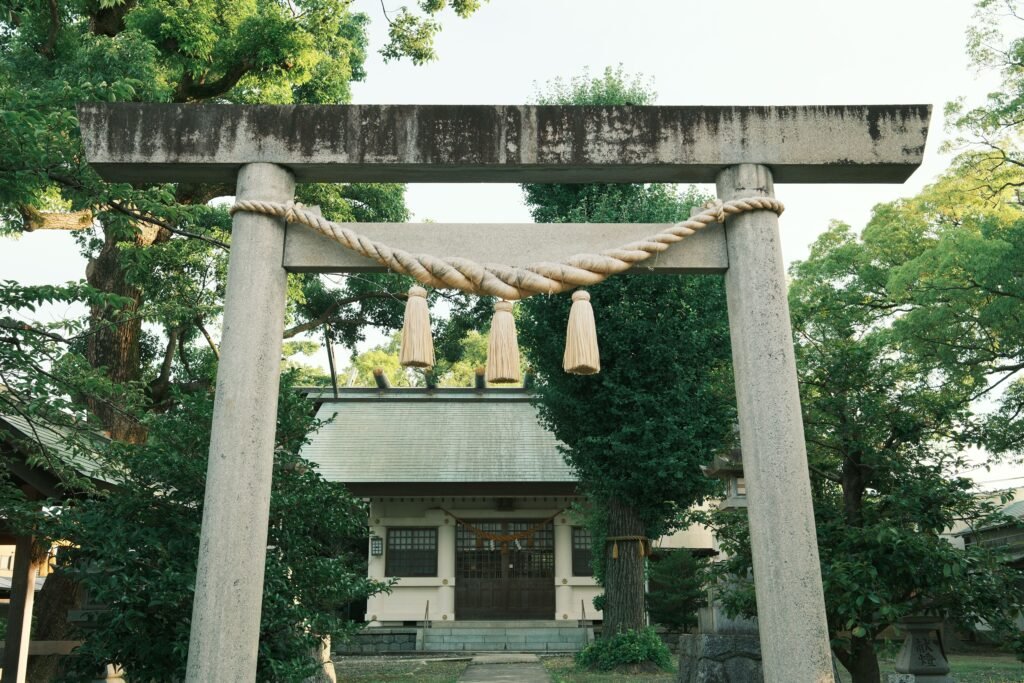
This surprises first-timers: a lot of Kyoto’s biggest draws cost nothing. Fushimi Inari and its thousands of torii gates are free and always have been. Yasaka Shrine is free. Most shrine grounds across the city don’t charge admission at all — it’s specifically the Buddhist temples, and specific paid gardens within some shrine complexes, where a ticket comes in.
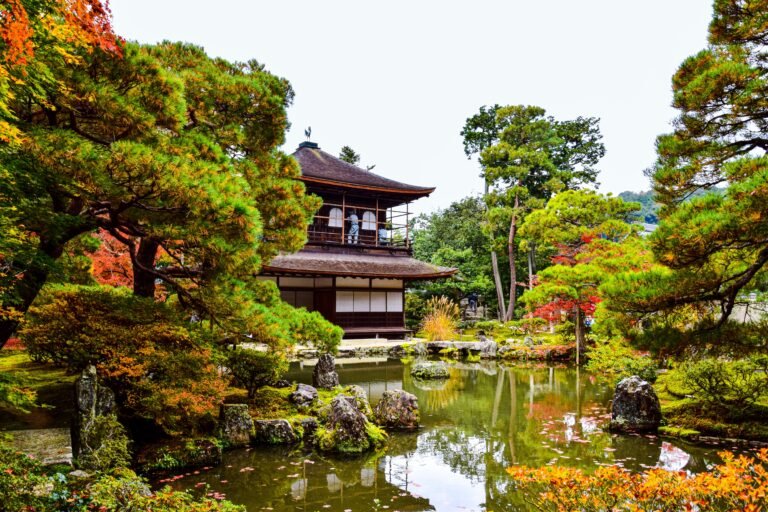
Where you do pay, it’s rarely much by international standards — Kiyomizu-dera and Kinkaku-ji both run around ¥500, and most other major temples sit in a similar ¥300–¥600 range. Even a full day of temple-hopping with four or five paid stops rarely adds up to more than ¥2,500 in admission. It’s genuinely one of the smaller line items in a Kyoto trip, which is worth remembering if you’re tempted to skip a temple purely to save the entrance fee.
Transport: Passes vs. Pay-as-You-Go
An IC card and pay-as-you-go bus and subway fares work fine for most days, and on a light sightseeing day it’s usually cheaper than a day pass. On a heavy temple-hopping day with four or more rides, the ¥1,100 Subway & Bus 1-Day Pass usually wins out. Our transit guide covers the exact break-even math and how to use an IC card without overpaying by accident.
Taxis are the one line item that can quietly wreck a budget day — a short cross-town ride easily runs ¥1,500–¥2,500, several times what the same trip costs by bus. They’re worth it late at night when buses have stopped running, but not as a default way to get around.
A Sample Budget Day
To make this concrete: a mid-range day covering breakfast, a temple-hopping morning with two paid admissions, an izakaya dinner, and a Subway & Bus 1-Day Pass lands somewhere around ¥6,000–¥8,000 in spending money, before accommodation. Trim the dinner to a casual set meal and skip one paid temple, and that drops to ¥3,500–¥4,500. Neither day feels like you’re missing out — the difference is mostly in the meals, not the sightseeing.
Bottom Line
Accommodation is where a Kyoto trip’s cost is really decided, food is where you have the most day-to-day flexibility, and transport and temple admissions are smaller than most people assume going in. Decide roughly which tier of trip you’re taking before you book anything, and the rest of the budgeting mostly takes care of itself.