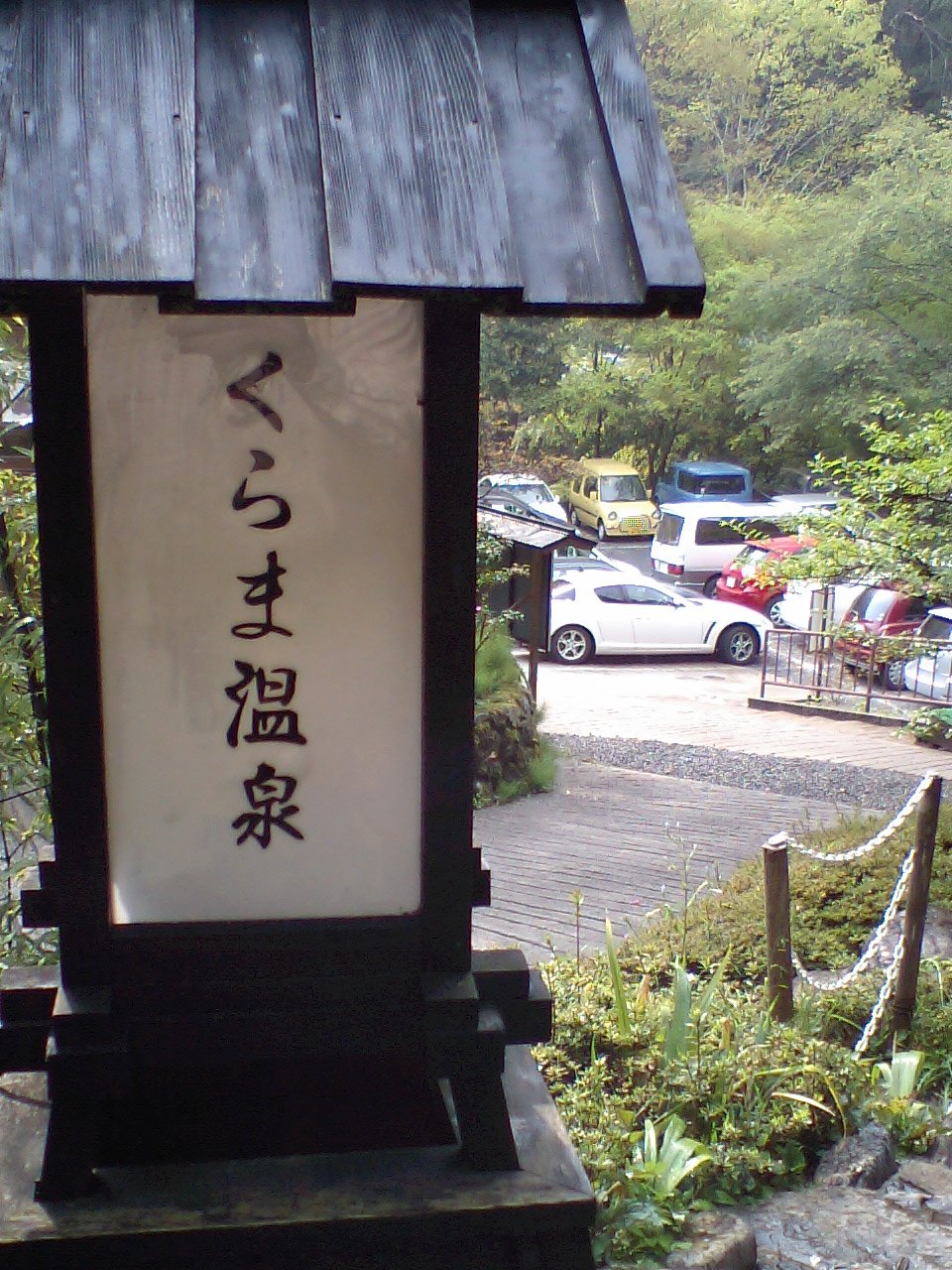
Kurama Onsen: A Practical Guide to Kyoto’s Mountain Hot Spring
Climb the stone steps at Kurama-dera or walk the forest ridge over to Kifune Shrine and you’ll understand why Kurama Onsen exists where it does. The hot spring sits at the top of Kurama village, at the base of the same mountain, and for well over a century it’s been where people doing exactly that hike have gone to soak their legs afterward. It’s not a spa you’d build a special trip around on its own, but tacked onto a morning at Kurama and Kifune, it turns a day of climbing stairs into something closer to a proper retreat.
The Essentials at a Glance
| What | Details |
|---|---|
| Location | the upper end of Kurama village, Sakyo-ku, about a 10-minute walk from Kurama Station |
| Water | a sulfur-rich mineral spring, pumped from underground rather than a natural surface source |
| Hours | roughly 10:00am-9:00pm, shorter in winter; no fixed closing day |
| Admission | around ¥2,600-2,700 for indoor and outdoor baths, ¥1,500-1,600 for the outdoor bath only; rates differ slightly by day of the week, so treat these as approximate |
| Access | Eizan Railway’s Kurama Line from Demachiyanagi Station, about 30 minutes to Kurama Station, then a 10-minute walk or a shuttle bus |
| Good to pair with | Kurama-dera, Kifune Shrine, and the hiking trail that connects them |
A Spa That Closed and Came Back
Kurama Onsen shut down during the pandemic and stayed closed for several years, long enough that a fair number of older guidebooks and blog posts about it describe a facility that, strictly speaking, wasn’t operating anymore. It reopened in November 2024, which means some of what’s floating around online, older admission prices in particular, is now out of date. Expect to pay noticeably more than the figures you’ll find in pre-2024 write-ups, and treat the numbers above as a starting point rather than gospel. The location hasn’t changed: it’s still at the top of Kurama, the small town that grew up around Kurama-dera’s mountain, and it’s still one of the easiest hot springs to reach from central Kyoto without a car.
Indoor Bath, Outdoor Bath, or Both
There are two tickets to choose from. The cheaper one gets you into the outdoor rotenburo only; the pricier one adds the indoor bathing hall, which is the better pick if the weather’s bad or you’d rather ease into hot water somewhere enclosed before heading outside. The water itself is drawn from underground and described by the facility as rich in hydrogen sulfide and minerals, the kind of spring Japanese bathhouses traditionally recommend for sore joints, skin trouble, and general fatigue, which lines up well with a day that’s already involved a lot of stairs. The outdoor bath has traditionally been mixed-gender, with a simple cotton robe provided for modesty rather than bathing nude as in most single-sex baths; it’s worth confirming this is still the policy when you arrive, since these things do occasionally change.
What the outdoor bath is really selling is the setting. Cypress boards line the top edge of the tub, and the view beyond it is simply forest, no buildings, no other bathers’ rooftops, just the wooded slope the temple and shrine sit on. It’s a quieter, greener version of the rotenburo experience than most baths within city limits can offer, precisely because Kurama itself is barely inside the city at all.
A Few Practical Notes
Kurama Onsen is attached to a ryokan, and the same building serves lunch across a long window spanning late morning into the evening, so it’s easy to turn the stop into a full meal rather than just a quick soak. As with most Japanese bathhouses, a hand towel and bath towel are either included or available to rent on-site for a modest fee; bringing your own is the safer bet if you’d rather not sort that out at the front desk. Lockers are standard, and valuables beyond what fits in one are best left at your hotel.

Getting There
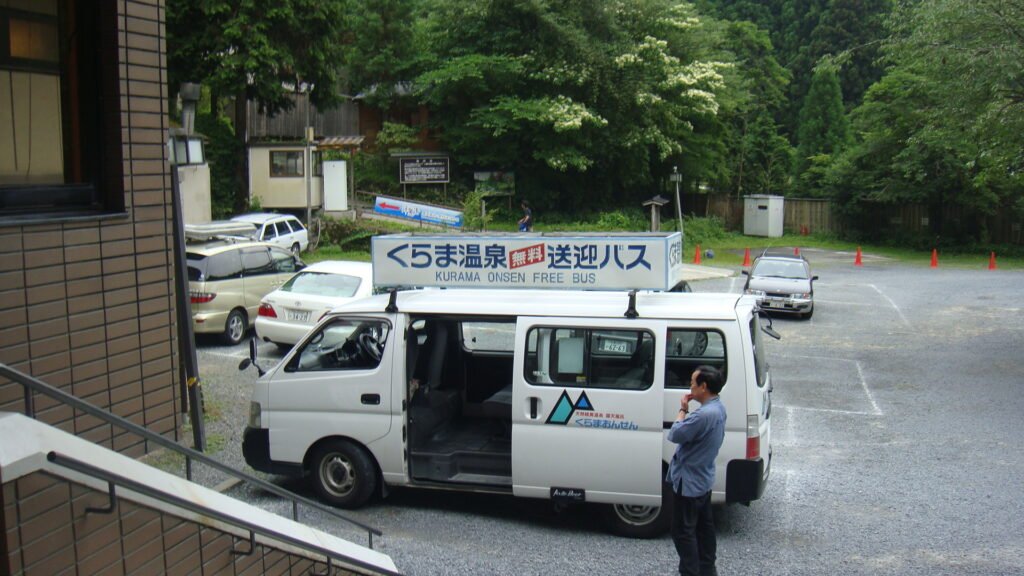
The only practical route is the Eizan Railway’s Kurama Line, which starts at Demachiyanagi Station, itself reachable from central Kyoto by the Keihan Main Line, and climbs north through Kibune before terminating at Kurama Station, a ride of around 30 minutes. From the station, it’s about a 10-minute walk up through the village to the onsen, following the same road that leads toward Kurama-dera’s main gate. Some visitors mention a shuttle bus running between the station and the facility, which is worth asking about if you’d rather skip the walk, especially with wet hair afterward.
Pairing It With Kurama-dera and Kifune
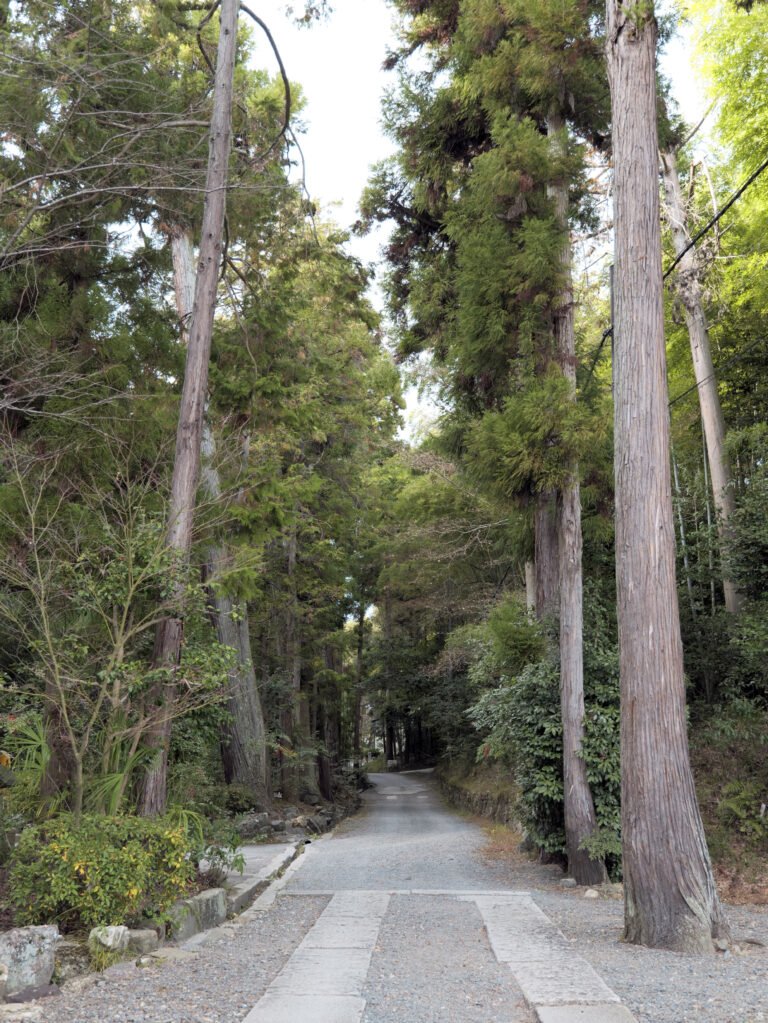
The onsen’s whole reason for being this easy to justify is the hike it sits at the bottom of. Most visitors spend their morning climbing through Kurama-dera‘s grounds, continue over the forest ridge behind the temple’s inner halls, and descend into the neighboring valley at Kifune Shrine, the full route described in our Kurama and Kifune day trip guide. Doing that loop and then backtracking to the onsen means retracing some ground, but it’s a short enough backtrack that most people find it worthwhile, and there’s something to be said for ending a hilly day trip in hot water instead of on a train platform. If you’re working out the wider logistics of the trip, our Getting Around Kyoto guide covers the IC cards and rail lines you’ll be using to get up here in the first place.
Best Time to Visit
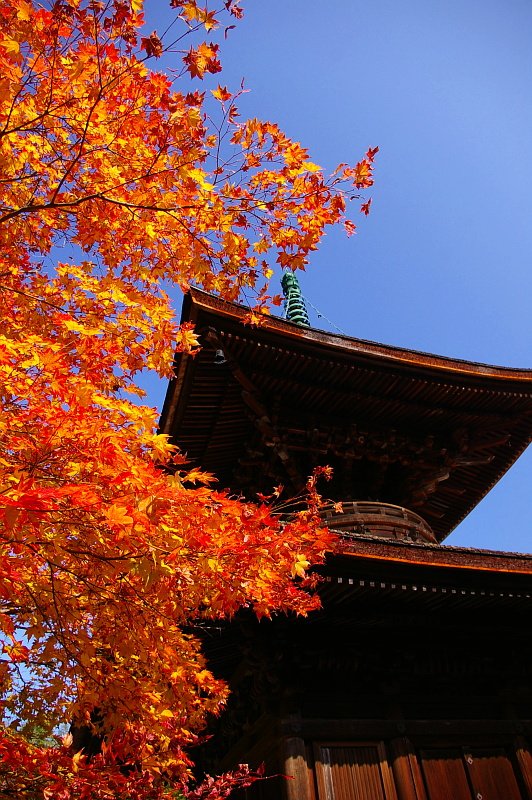
An onsen is a cold-weather pleasure more than anything else, and Kurama delivers on that in both directions: maple color moving through the valley in November, and on a clear winter day, steam rising off the outdoor bath into cold air with a dusting of snow on the cypress boards. Summer works too, if you don’t mind that the main appeal of hot water drops off a little when it’s already warm outside, but the cooler months are when the combination of hiking and soaking makes the most sense.
Bottom Line
Kurama Onsen isn’t a destination in its own right so much as a very good reason not to immediately get back on the train after Kurama-dera and Kifune. Budget a bit more than older write-ups suggest, confirm the mixed-bathing policy if that matters to you, and treat the walk up from the station as the last short leg of a day that’s already involved plenty of climbing.