Sagano Scenic Railway: A Practical Guide to Kyoto’s Torokko Sightseeing Train
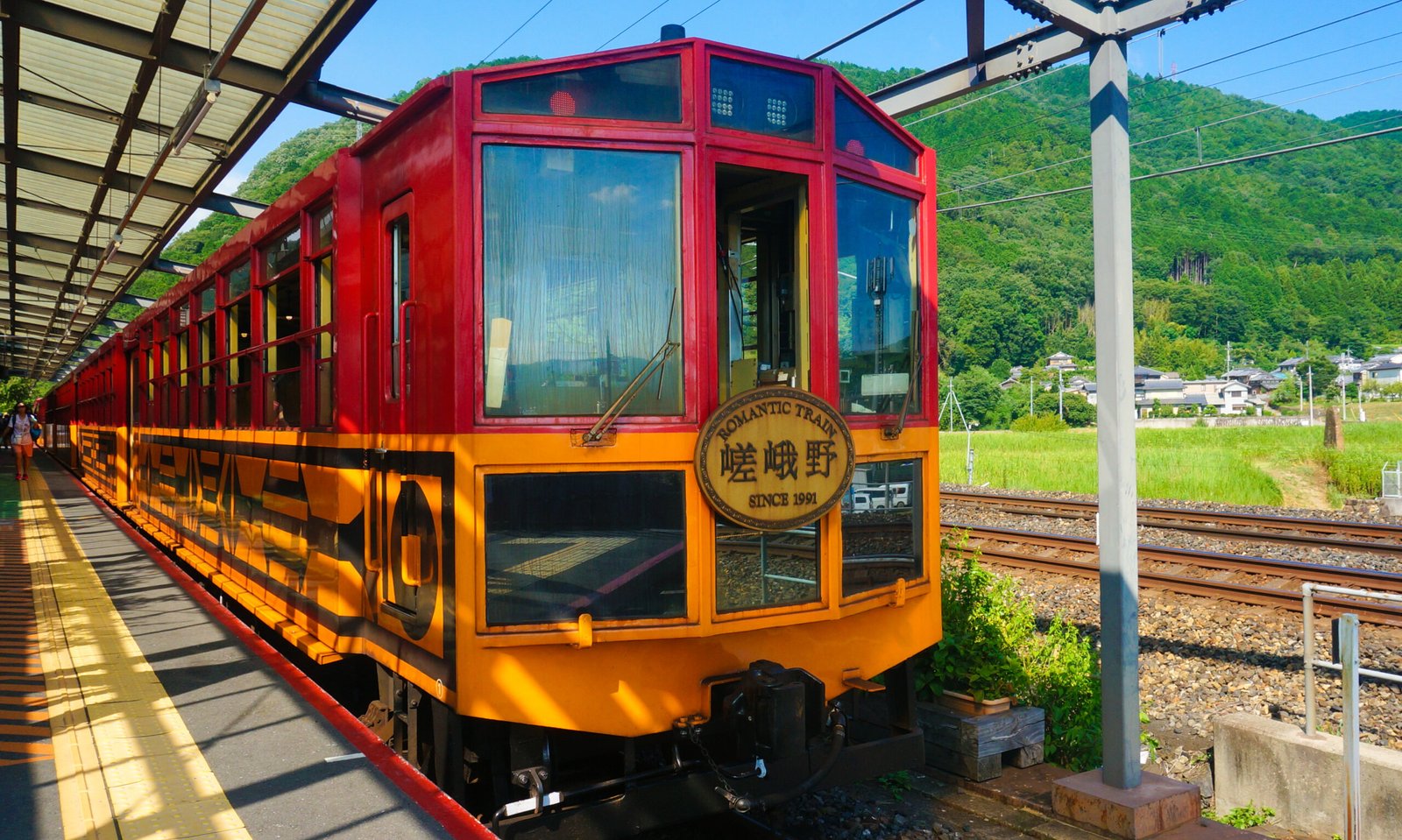
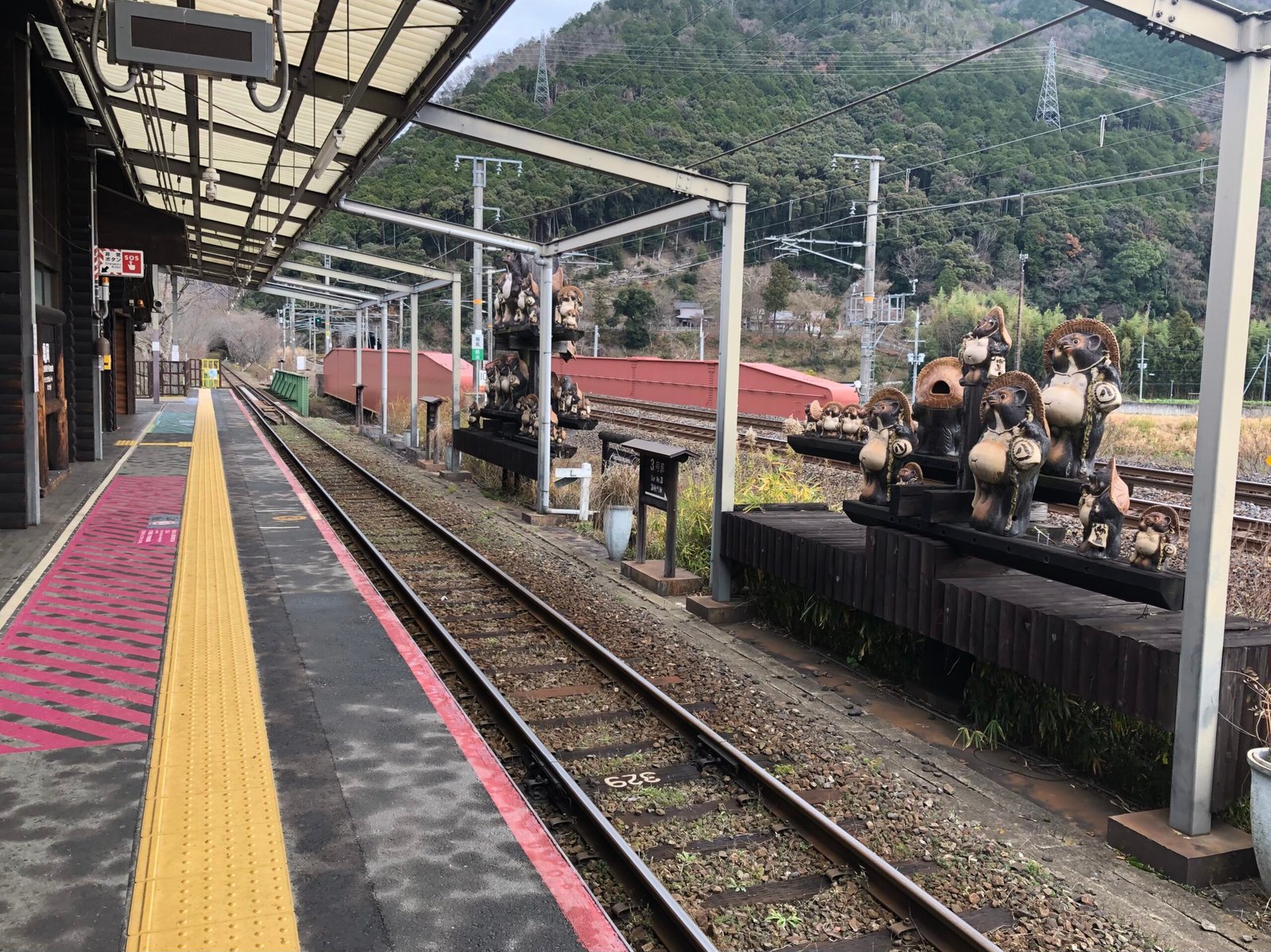
Arashiyama already has the bamboo grove and the monkeys, but the district’s most underrated ride is a small diesel train that never goes anywhere near a station most travelers use. The Sagano Scenic Railway, usually called the Sagano Romantic Train or simply the Torokko, runs open-sided sightseeing carriages along a retired stretch of the old JR San-in Line, tracing the Hozugawa River through a narrow gorge west of the bamboo grove. It’s slow on purpose — the whole point is to sit with the windows open and watch a river valley go by at walking pace.
The Essentials at a Glance
| What | Details |
|---|---|
| Fare | ¥880 one-way for adults, ¥440 for children (ages 6–12); all seats are reserved |
| Route | Torokko Saga ↔ Torokko Arashiyama ↔ Torokko Hozukyo ↔ Torokko Kameoka, about 7 km and 25 minutes one-way |
| Schedule | Roughly hourly departures between 9:00 a.m. and 4:00 p.m. (later on the busiest days); closed most Wednesdays outside peak season and for winter maintenance from late December into early spring |
| Getting to the start | Torokko Saga Station is next to JR Saga-Arashiyama Station, about 15 minutes and ¥240 by JR from Kyoto Station |
| Booking | Reserve online in advance, especially in cherry blossom and autumn foliage season; a limited number of same-day tickets go on sale at the station counter each morning |
| Visit length | 25 minutes for the ride itself; half a day if you combine it with the bamboo grove and a river boat back |
A Retired Rail Line Turned Sightseeing Train
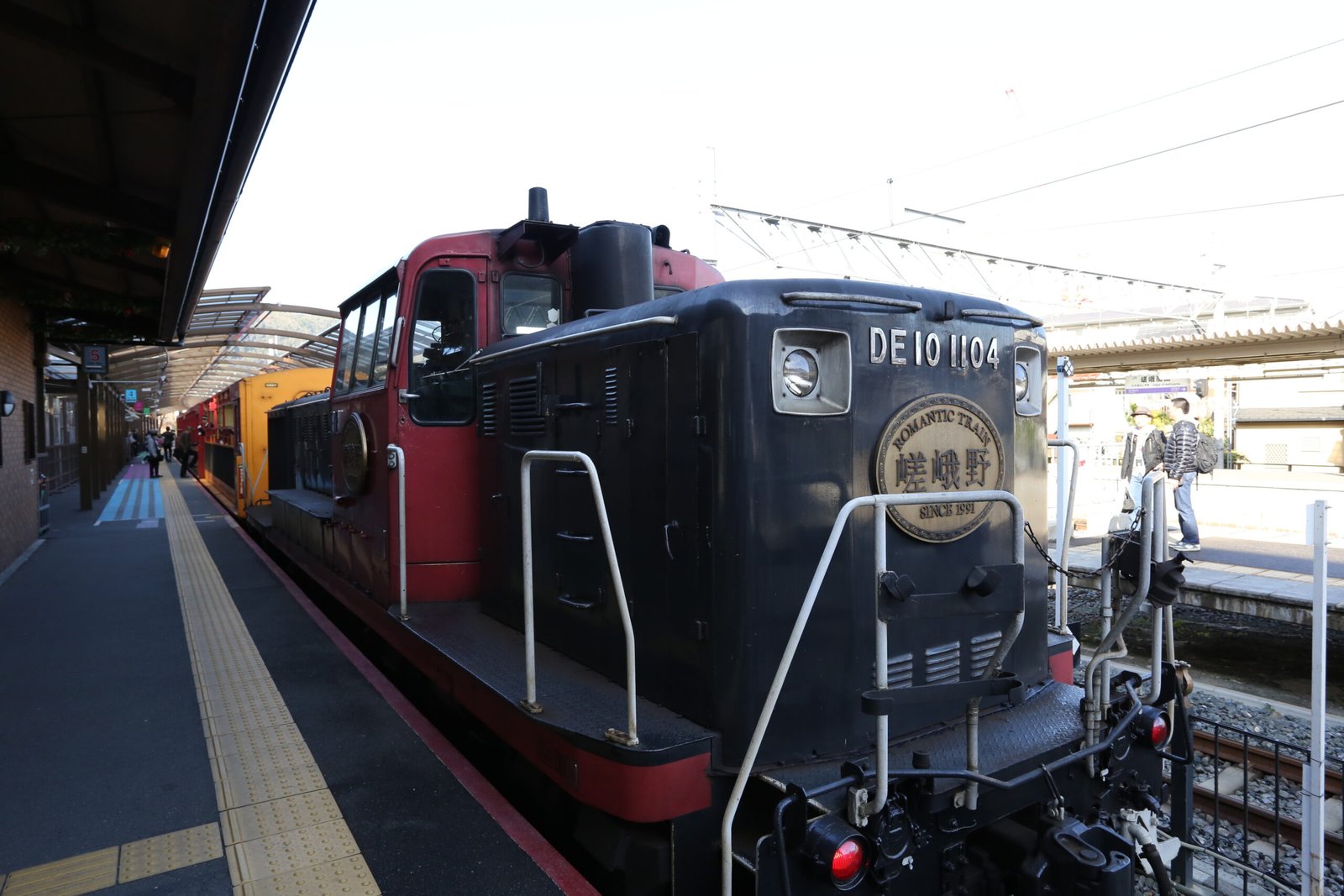
The track the Torokko runs on used to carry regular JR San-in Line service until a new, straighter tunnel route bypassed this section of line in the late 1980s. Rather than tear up the old track, it was kept in service as a dedicated sightseeing railway, with a small diesel locomotive pulling a handful of open-window carriages fitted with wooden bench seating. It’s an unusually direct way to see how a working railway becomes a tourist attraction without much need to dress the idea up — the appeal here really is just the river valley outside the window.
Riding Through the Hozugawa Gorge
The full run between Torokko Saga and Torokko Kameoka takes about 25 minutes and covers roughly 7 kilometers, most of it hugging the Hozugawa River as it cuts through a forested gorge. There’s no dramatic single viewpoint to wait for — the whole ride is the scenery, with the valley walls closing in and the river dropping through small rapids below the track. Trains stop briefly at Torokko Arashiyama and Torokko Hozukyo along the way, and staff will point out notable spots over the carriage speakers as you pass them. Bring a jacket even in warmer months; the open-window carriages catch a real breeze once the train gets moving, and it’s noticeably cooler in the gorge than out in the city.
Pairing It With the Hozugawa River Boat
The classic way to ride the Torokko is one-way: take the train west from Torokko Saga to Torokko Kameoka, then board a Hozugawa River boat for the roughly two-hour trip back down the same gorge, this time paddled and poled by boatmen rather than driven by rail. A short shuttle bus connects Torokko Kameoka Station to the boat dock. It’s a longer commitment than the round-trip train alone, but it means you see the gorge twice, from two completely different vantage points, without doubling back over the same experience. Book both legs in advance if you’re set on a particular day, since the boats and the train sell out independently of each other.
When to Go
The Torokko has two genuine peak seasons: cherry blossoms along the gorge in early April, and autumn foliage from mid-November into early December, when the hillsides turn a solid wall of red and gold and the ride can feel like passing through a tunnel of color. Both windows sell out fast, so book as far ahead as the reservation system allows if you’re traveling then — our Kyoto Autumn Foliage guide has the wider picture on timing a trip around koyo season. Outside those peaks, the ride is quieter and easier to book on short notice, and the gorge still looks good in fresh green in early summer or bare and stark in midwinter, on the days the line is running.
Getting There and Pairing It With Arashiyama
Torokko Saga Station sits right next to JR Saga-Arashiyama Station, which means the ride slots naturally into a day that starts at the Arashiyama Bamboo Grove and Tenryu-ji and, if you have the energy for one more stop, the Arashiyama Monkey Park on the other side of the river. Our Getting Around Kyoto guide covers how the JR Sagano Line and Kyoto’s other rail options connect this district to the rest of the city if you’re mapping out the rest of your day. Arriving early is worth it in this part of Arashiyama — the bamboo grove gets crowded fast, and getting the train and the grove done before mid-morning makes the whole loop far more pleasant.
Practical Tips for the Ride
Car 5 is a fully open-air observation carriage with no glass in the windows, and it’s the most popular car for photos — but it also means no umbrellas on board and a real chance of getting a little wet if it rains, with no refund offered for weather alone, so bring a light raincoat if the forecast looks uncertain. If you’re traveling from Torokko Saga toward Torokko Kameoka, the left side of the train generally has the better river views. Only folded strollers are allowed on board, and wheelchair-accessible spaces are limited to Cars 3 and 5, so it’s worth mentioning accessibility needs when you book. Torokko Saga Station itself is step-free and easy to reach, while Torokko Arashiyama Station involves roughly 60 steps with no elevator, which matters if you’re changing trains there rather than at the western end of the line.
If you’d rather skip the river boat and just ride the train one-way, Torokko Kameoka Station connects to the regular JR Sagano Line at nearby Umahori Station, with local trains running back to Saga-Arashiyama in about 7 minutes or on to Kyoto Station in roughly 23 minutes — a simple way to make the Torokko a one-way scenic detour rather than a half-day commitment if you’re short on time.
Bottom Line
The Sagano Scenic Railway isn’t a must-see landmark in the way Kinkaku-ji or Fushimi Inari are — it’s a 25-minute train ride — but it’s one of the most relaxing ways to spend a morning in Arashiyama, and pairing it with the river boat back turns a short novelty ride into a genuinely memorable half-day out. Reserve ahead, dress for a breeze, and let the gorge do the rest.