Iwashimizu Hachimangu: A Practical Guide to Kyoto’s Imperial Hachiman Shrine
Most first-time visitors to Kyoto never make it to Yawata, the city just south of the prefecture where three rivers meet below a wooded mountain. A shrine has stood on top of that mountain, Otokoyama, for more than a thousand years, and it’s one that Japan has historically ranked second in importance only to Ise Jingu. Iwashimizu Hachimangu doesn’t have the crowds of Fushimi Inari or the guidebook ubiquity of Kinkaku-ji, and that’s exactly the appeal: a short cable car ride up, and you’re standing among ten National Treasure buildings with almost nobody else around.
The Essentials at a Glance
| What | Details |
|---|---|
| Admission | Free to enter the shrine grounds; prayer and purification services are available for a separate fee |
| Hours | Roughly 6:00 a.m.–6:00 p.m. daily, with slightly longer hours in spring and summer and shorter hours in winter |
| Address | 30 Yawata Takabo, Yawata City (on top of Mt. Otokoyama, just south of Kyoto) |
| Getting there | Keihan Main Line to Yawatashi Station (around 35 minutes from central Kyoto; not covered by the JR Pass), then the Sando Cable up the mountain or a roughly 30-minute uphill walk |
| Visit length | 1.5–2 hours |
| Good to know | Unless you take the cable car, this is a genuine hike up a mountain — wear shoes you don’t mind climbing in |
A Shrine Built on an Oracle’s Command
The story goes that in 859, a monk named Gyokyo received a vision at Usa Jingu in Kyushu, the original shrine of the deity Hachiman, instructing him to move Hachiman’s presence closer to the capital to protect it. Gyokyo settled on Mount Otokoyama, and Emperor Seiwa ordered construction to begin the following year. That direct imperial sponsorship set the tone for everything that followed: Iwashimizu Hachimangu became a guardian shrine of the court and, alongside Ise Jingu, one of the two shrines that received the Emperor’s own envoys for major rituals — a status few shrines in Japan share. It’s also counted among Japan’s great Hachiman shrines, the network of shrines dedicated to the deity of archery and (later) imperial protection that spread out from Usa Jingu.
Ten National Treasures on a Sacred Mountain
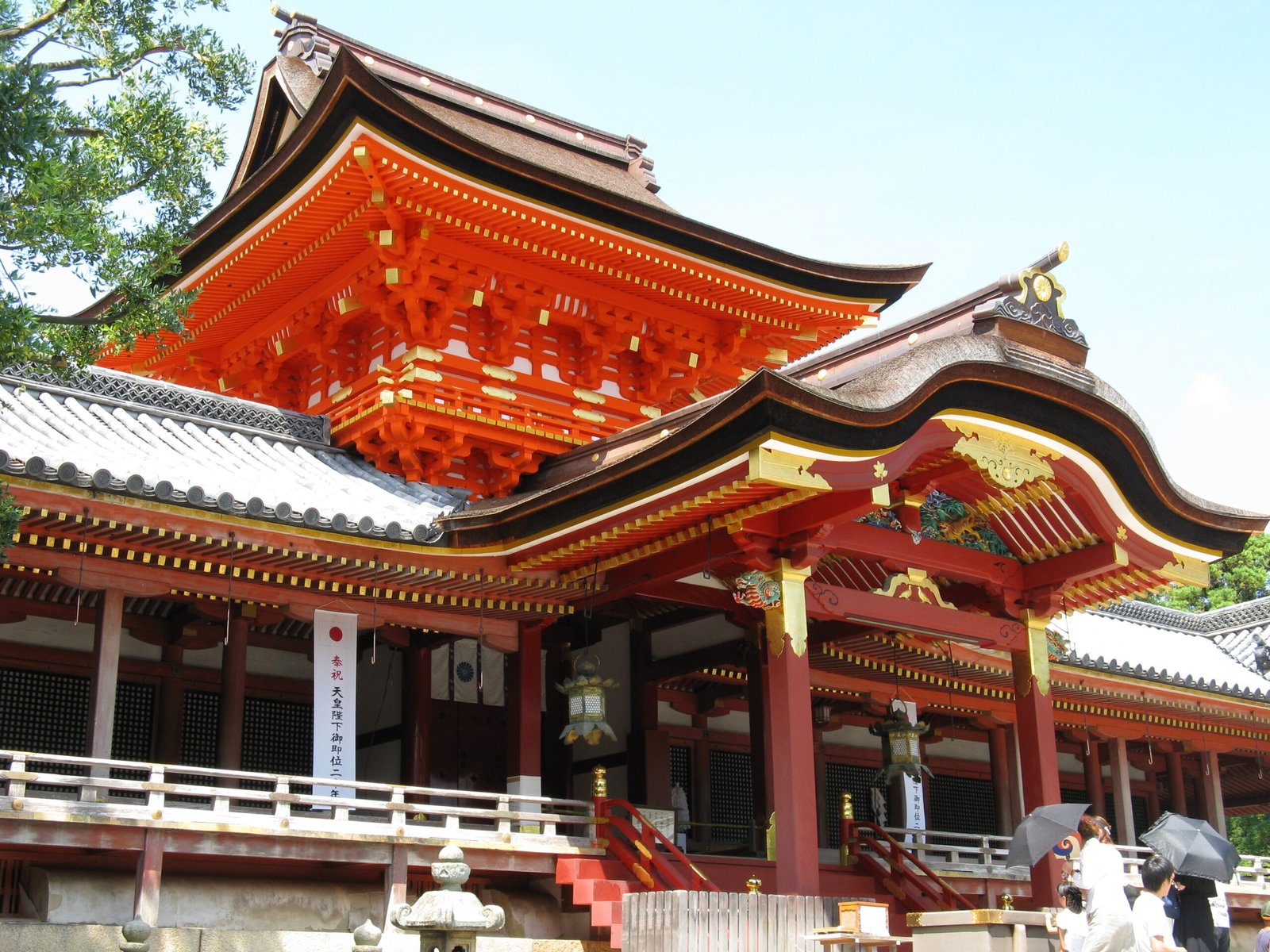
The buildings standing on Otokoyama today date to 1634, when the shogun Tokugawa Iemitsu ordered a full rebuild of the shrine complex. Ten of those structures — the inner and outer halls, the offering hall, the dance hall, and the gates and corridors that connect them — are designated National Treasures as a set, and the complex is a textbook example of hachiman-zukuri, an architectural style named after this very shrine, in which two roofed halls are joined under a single connecting roofline. The wider shrine grounds were separately designated a National Historic Site in 2012. Walking the approach path between vermilion gates and centuries-old cedars, it’s easy to believe this was once treated as one of the most important religious sites in the country, on par with the great shrine complexes further from the capital.
Getting to the Summit
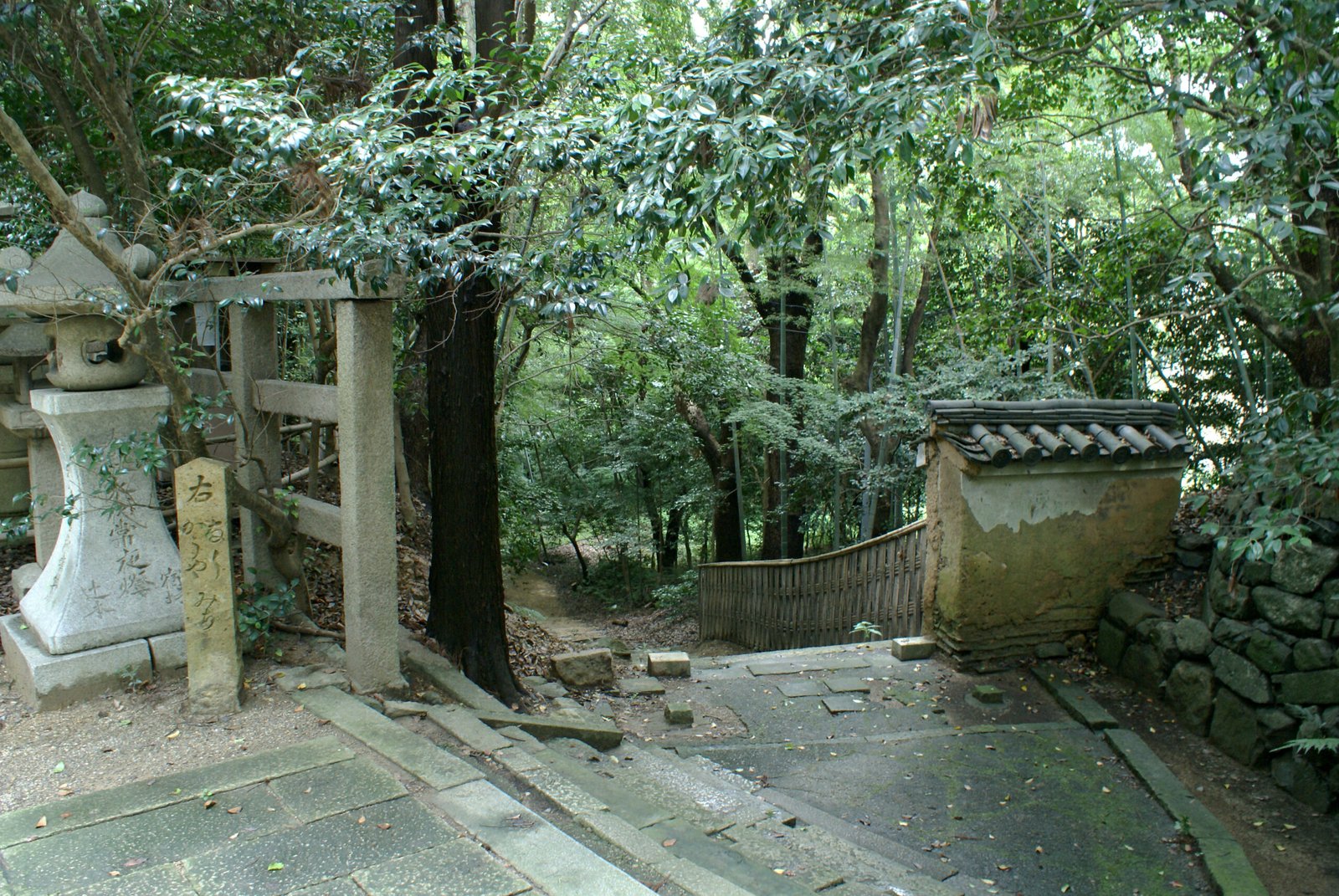
From Yawatashi Station, most visitors take the Iwashimizu Hachimangu Sando Cable, a short funicular that covers the climb in about three minutes for a fare of around ¥300 one-way or ¥600 round-trip (roughly half that for children), running from about 8:10 a.m. to 6:15 p.m. The alternative is a footpath that switchbacks up the mountainside in about 30 minutes — perfectly manageable, and a good way to see the forest the shrine sits inside, but worth skipping if you’re pressed for time or visiting in midsummer heat. Either route ends near the same plateau, and the observation area near the top gives a wide view out over Yawata City and the lowlands where the Katsura, Uji, and Kizu rivers converge to form the Yodo River — a genuinely striking bit of geography that’s easy to miss from ground level anywhere else in the Kyoto-Osaka corridor.
Thomas Edison’s Bamboo
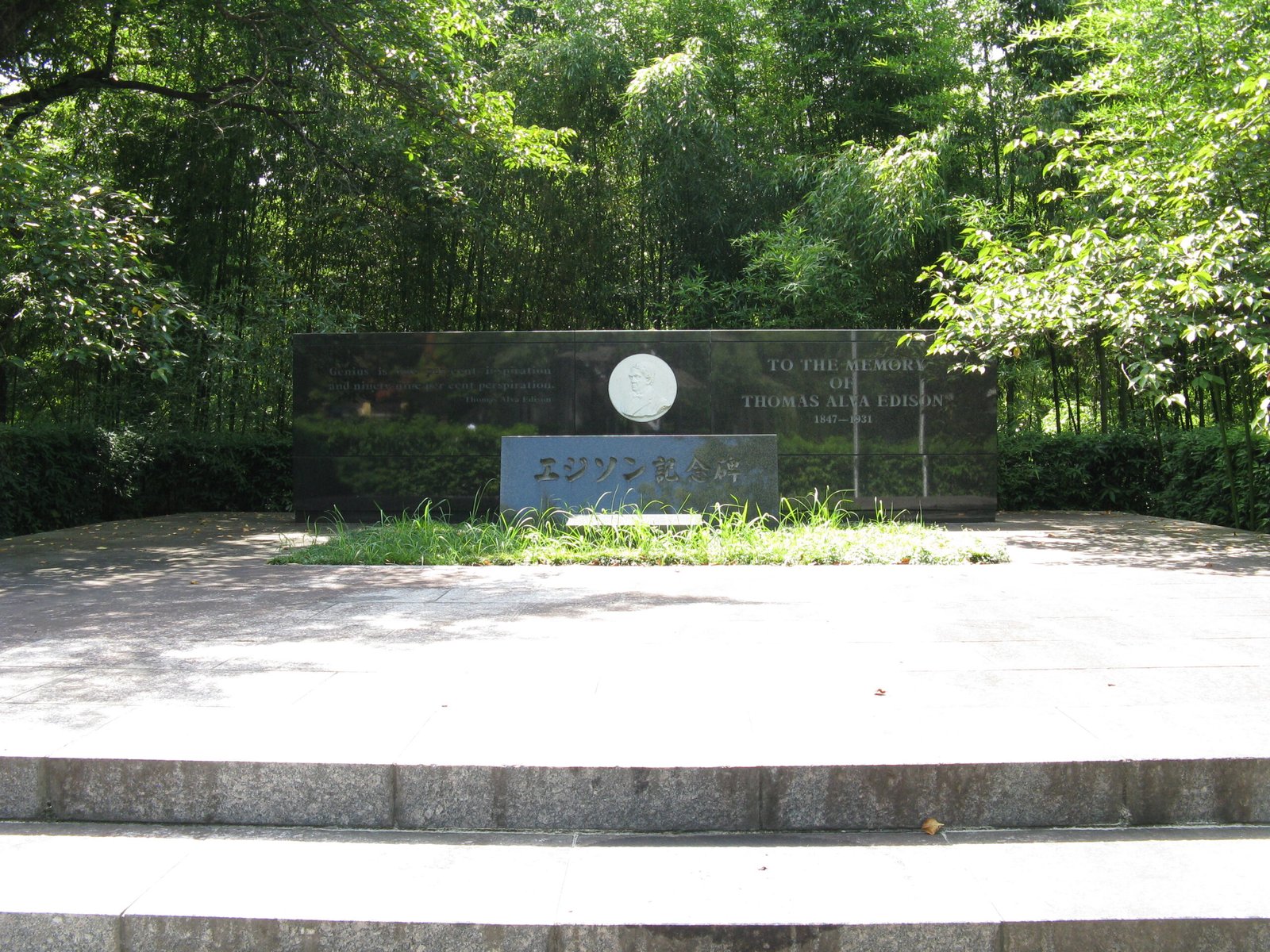
One of the odder footnotes in the shrine’s history involves Thomas Edison. In 1880, in his search for a durable filament for the incandescent light bulb, Edison’s team tested bamboo from groves around the world, and bamboo grown near Iwashimizu Hachimangu reportedly burned for more than 1,000 hours in testing — dramatically outlasting earlier materials and helping make the light bulb commercially practical. The shrine now has a monument to Edison on its grounds, and it hosts a small festival around his birthday on February 11 each year. It’s a strange but genuine bit of trivia to have in your back pocket while standing in front of a 17th-century National Treasure hall.
Iwashimizu Matsuri: One of Japan’s Three Imperial Festivals
Every September 15, the shrine holds the Iwashimizu Matsuri, also called the Chokusai, its most important ritual of the year and one it shares a rare distinction with: it’s traditionally grouped with Kyoto’s Aoi Matsuri and Nara’s Kasuga Matsuri as one of Japan’s three festivals that receive a formal envoy sent by the Emperor. The ceremony itself begins at midnight with rites at the mountaintop hall, followed before dawn by a procession of around 500 people in Heian-period court dress making their way down the mountain, and a release-of-life ritual at the river below, in which fish and birds are set free as a prayer for peace. Because so much of it happens overnight and before sunrise, it isn’t an easy festival for a typical visitor to watch in full, but if you’re an early riser and happen to be in Kyoto around this date, the predawn procession and river ritual are worth checking the shrine’s own schedule for.
When to Go
Spring brings cherry blossoms along the approach paths and around the base of the mountain, and autumn brings a quieter, less crowded foliage display than the big-name temples get — our Best Time to Visit Kyoto guide has the broader seasonal picture if you’re still planning your trip. Because most of the site is outdoors and involves some climbing, midsummer visits are more comfortable early in the day, before the heat and humidity build up on the mountainside.
Getting There and Pairing It With Nearby Stops
Yawata sits on the Keihan Main Line south of central Kyoto, roughly between the city and Uji, which makes Iwashimizu Hachimangu an easy add-on if you’re already headed toward Byodo-in on our Uji day trip guide — our Getting Around Kyoto guide covers how the private railway lines like the Keihan fit alongside the city’s buses and subway if this is your first time using one. It’s also a useful contrast to the shrines inside the city proper: where Kamigamo Shrine and Shimogamo Shrine sit low in wooded river plains within the city, Iwashimizu Hachimangu is built up and out, on a mountaintop with a view over the whole region — a different kind of sacred geography entirely.
Bottom Line
Iwashimizu Hachimangu asks a bit more effort than most of Kyoto’s headline shrines — a train ride out of the city and a climb, even with the cable car doing most of the work — and it pays that effort back with ten National Treasure buildings, a genuinely commanding view, and none of the crowds. If you have half a day free and want to see what Kyoto’s imperial-era religious architecture looked like at its most serious, this is one of the better places in the region to find out.