Otagi Nenbutsu-ji: A Practical Guide to Kyoto’s 1,200 Stone Rakan Statues
Most of Arashiyama’s famous sights, the bamboo grove, the monkey hill, Tenryu-ji’s garden, sit within a few minutes’ walk of the Randen tram stop. Otagi Nenbutsu-ji doesn’t. It’s tucked well up a quiet valley road past where most day-trippers turn back, and that distance is part of why it’s worth the trip: instead of one restored hall or a manicured garden, you get a hillside covered in 1,200 stone statues, no two alike, carved not by professional sculptors but by ordinary visitors following the guidance of a single priest four decades ago.
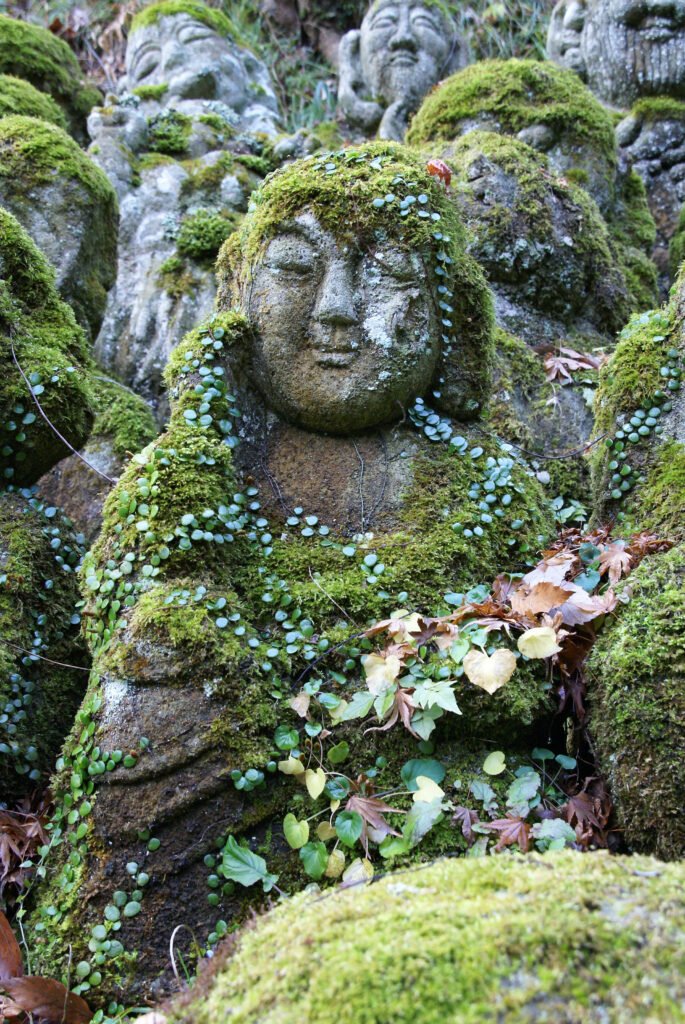
The statues, rakan, representing the historical disciples of Buddha, range from solemn to outright funny. Some hold sake cups, some wear headphones, one appears to be gripping a tennis racket. Hunting for the one that looks like you, or like someone you know, is more or less the point of a visit here, and it’s a very different kind of temple experience from the grand, symmetrical halls found elsewhere in the city.
Here’s what to know before making the trip out: opening hours, how to get there, and how to fit it around the rest of an Arashiyama day.
The Essentials at a Glance
| What | Details |
|---|---|
| Admission | ¥500 |
| Hours | 9:00 a.m.–4:15 p.m. |
| Closed | Wednesdays (except New Year’s Day and public holidays) |
| Address | 2-5 Sagatoriimoto Fukatanicho, Ukyo-ku |
| Getting there | Kyoto Bus 64, 74, 84, or 94 (bound for Kiyotaki) from Kyoto Station to Otagi-dera-mae |
| Visit length | 30–45 minutes |
| Good to pair with | Arashiyama Bamboo Grove, Tenryu-ji, and the Monkey Park, though all sit a fair walk or taxi ride away |

A Temple Rebuilt by Its Own Visitors
Otagi Nenbutsu-ji’s history is older and messier than its current hillside setting suggests. It was originally founded in 770 near the Kamo River, in a very different part of the city, and was washed away by flooding not long after. Rebuilt during the Heian period, it drifted into disrepair over the following centuries, and in 1922 what remained of the temple’s structures was dismantled and moved to its present site in the hills above Arashiyama. A 1950 typhoon damaged the buildings further, and it wasn’t until 1955, when the priest Kocho Nishimura took over as head priest, that real restoration began. Nishimura’s most lasting contribution came later: starting in 1981, he invited ordinary visitors, not sculptors, to carve their own rakan statues under his guidance, a project that ran for a decade and produced the 1,200 statues that now cover the grounds.
Getting There
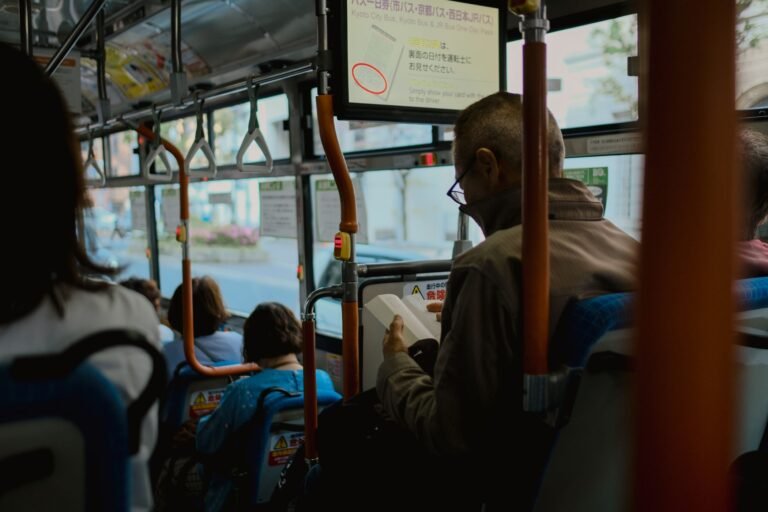
The bus is the simplest option: Kyoto Bus routes 64, 74, 84, and 94, all bound for Kiyotaki, run from Kyoto Station to the Otagi-dera-mae stop, a short walk from the temple gate. If you’re coming from central Arashiyama, a taxi is the easier call unless you don’t mind a fairly long walk past the bamboo grove and the monkey park, further up the same valley road that eventually leads toward Adashino Nenbutsu-ji, another quiet temple about 600 meters away with its own field of roughly 8,000 small stone Buddhist statues marking centuries of burials. Because of the distance, this isn’t a stop most people fold into a quick Arashiyama visit. Budget half a day for the district if Otagi Nenbutsu-ji is on your list, and treat it as the far end of the trip rather than something to squeeze in on the way to somewhere else.
What You’ll Actually See
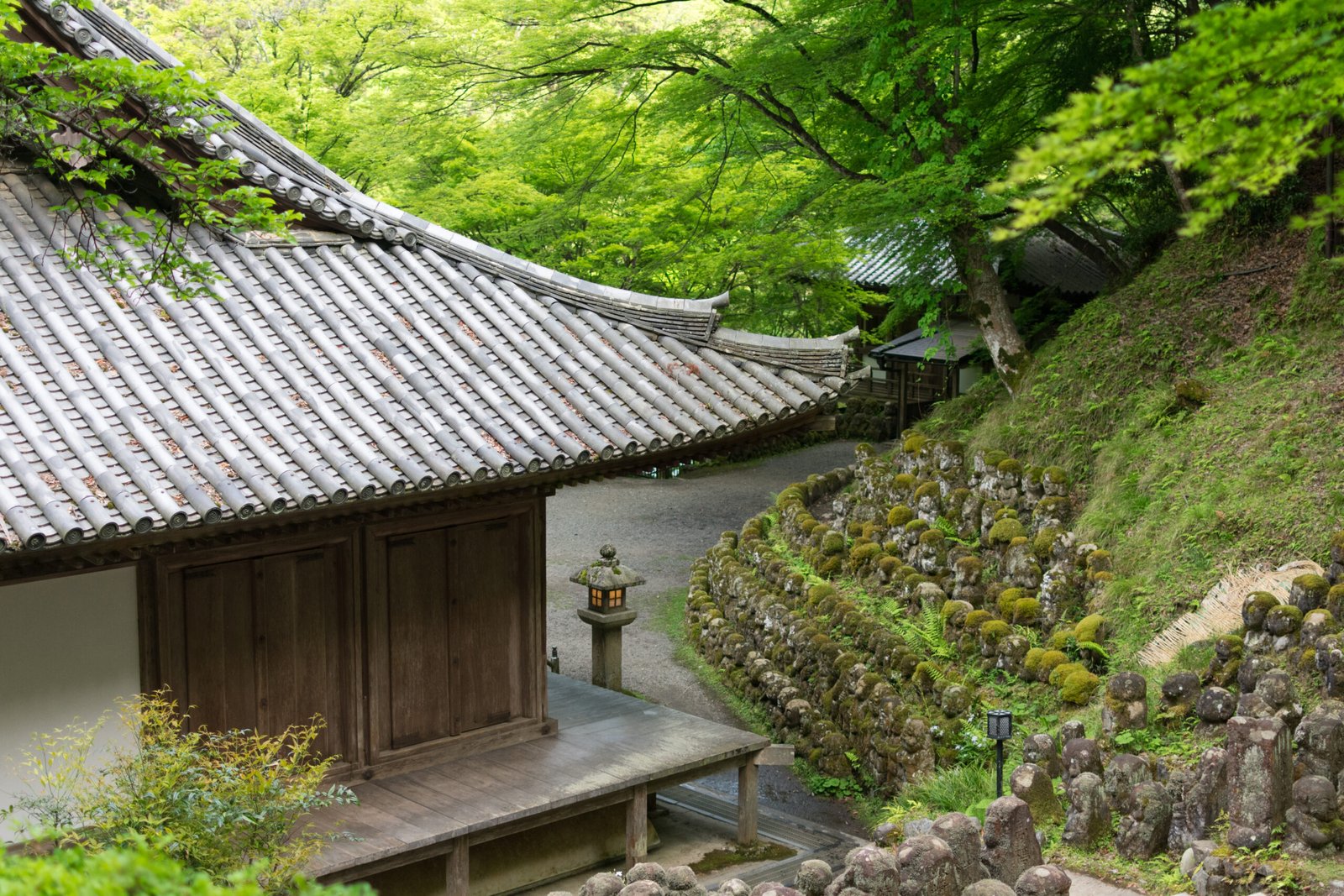
An English information pamphlet is handed out at the entrance, which helps make sense of what you’re looking at, since there’s no single main hall to focus on here the way there is at most Kyoto temples. Instead, the statues themselves are the attraction: rows and clusters of them climbing the hillside, weathered by decades of rain and moss, each with its own expression and, often, its own small prop. It doesn’t take long to find one that makes you laugh, and locals will tell you the real game is finding the statue that looks most like yourself. Because so few people make it out this far, the atmosphere here is markedly quieter than the crowds packed into the bamboo grove ten minutes’ drive away, and that quiet is arguably the temple’s biggest draw.
When to Go
Otagi Nenbutsu-ji is closed on Wednesdays, except when the day falls on New Year’s or a public holiday, so it’s worth checking the calendar before making the trip out. Beyond that, timing matters less here than at Arashiyama’s more famous sights. Because the location filters out casual visitors on its own, it stays relatively calm even during cherry blossom season and the peak of autumn colors, when the bamboo grove and Tenryu-ji are at their most crowded. Overcast or drizzly days actually suit the temple well: the moss on the older statues deepens in color, and there’s no glare to fight with for photos.
Pairing It With the Rest of Arashiyama
Otagi Nenbutsu-ji works best as the last stop on a longer Arashiyama day rather than a destination on its own. Save it for after you’ve covered the bamboo grove and Tenryu-ji and, if you have the energy, the climb up to Arashiyama Monkey Park Iwatayama, since all three sit along roughly the same stretch of the district. If you’re still working out how to get around the city efficiently, our Getting Around Kyoto guide covers the bus and rail basics, and Best Time to Visit Kyoto is worth a look if you’re trying to time a trip around quieter crowds or seasonal color.
Bottom Line
Otagi Nenbutsu-ji isn’t on most first-time visitors’ Arashiyama itineraries, and that’s exactly why it’s worth the extra effort. Twelve hundred hand-carved statues, a quiet hillside setting, and a temple history built as much by pilgrims as by priests make it one of the more unusual stops in a district that’s mostly known for a five-minute bamboo photo. Go on a day when you’ve already seen the district’s bigger names, and give yourself the 30 to 45 minutes to actually look for your own face on the hillside.