Kodai-ji: A Practical Guide to Kyoto’s Temple of Illuminations
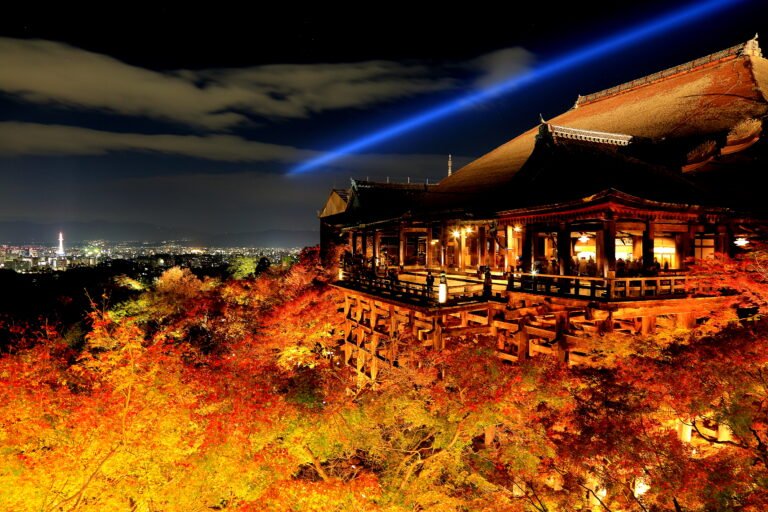
Kodai-ji was built by a widow for her husband — Nene, wife of the legendary warlord Toyotomi Hideyoshi, founded this temple in 1606 to pray for his soul, and the two are buried here together. Today it is better known for something Nene never saw: a stone garden and bamboo grove that get lit up after dark several times a year, turning a modest Higashiyama temple into one of Kyoto’s better nighttime sights.
This guide covers the daytime grounds, when the illumination events run, and how Kodai-ji fits into a day around Gion and Higashiyama.
The Essentials at a Glance
| What | Details |
|---|---|
| Admission | ¥600 adults, ¥250 teenagers |
| Hours | 9:00–17:00 daily; extended to around 21:30 during illumination events |
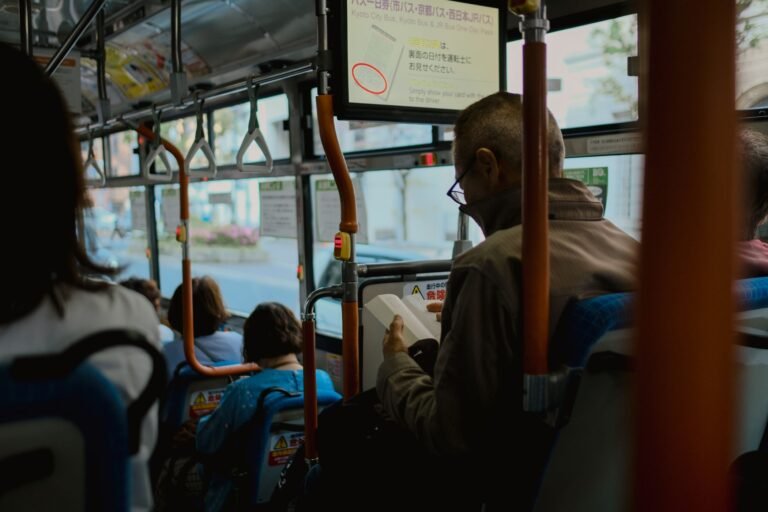
| By bus | City Bus 206 or 207 to Higashiyama Yasui, a short walk |
| On foot | About 15–20 minutes from Kiyomizu-dera or a similar walk from Yasaka Shrine |
| Illumination seasons | Mid-March–early May and late October–early December, plus limited summer and New Year’s dates |
| Typical visit length | 30–45 minutes |
Getting There
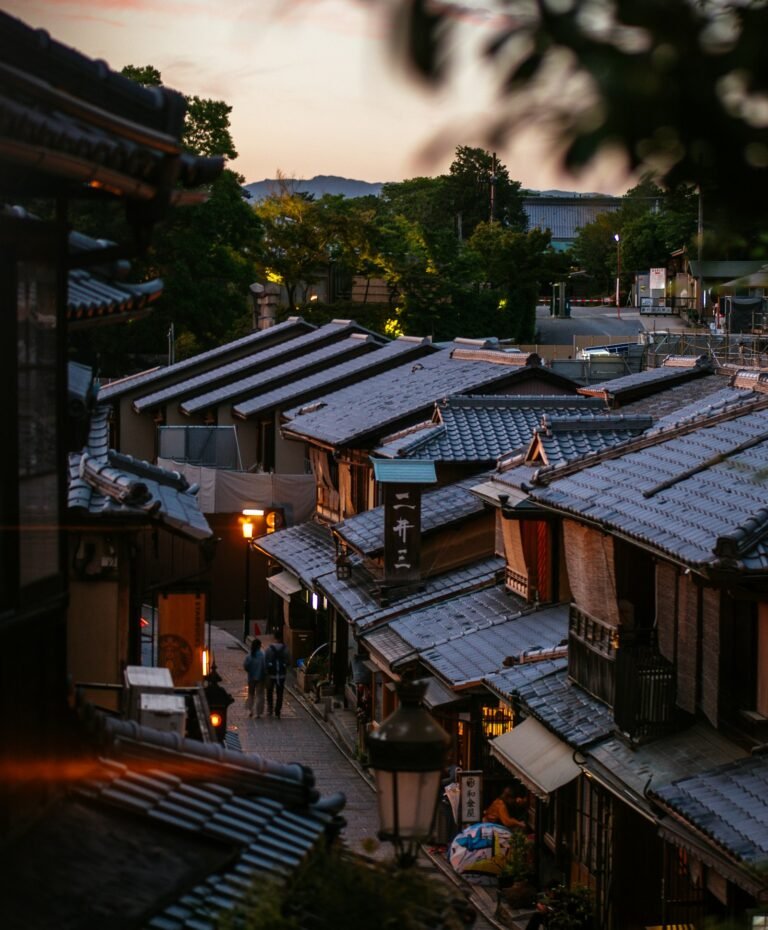
City Bus 206 or 207 stops at Higashiyama Yasui, a short walk from the temple entrance. Kodai-ji also sits comfortably within walking distance of the rest of Higashiyama — about 15–20 minutes from Kiyomizu-dera along the Sannenzaka and Ninenzaka slopes, or a similarly short walk from Yasaka Shrine and Gion.
That location makes it one of the easiest temples in the city to fold into a longer Higashiyama walking route without a dedicated trip.
When to Go
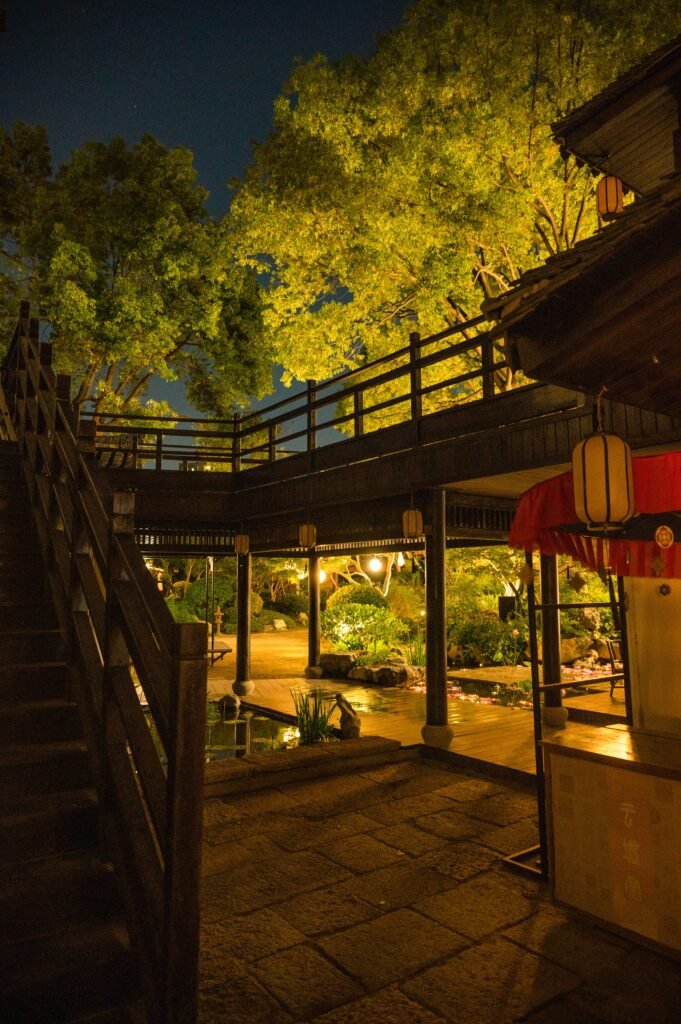
By day, Kodai-ji is a quiet stop compared to its Higashiyama neighbors — a stone garden, a modest bamboo grove, and a hillside of maples that most visitors move through in under an hour. The real draw is after dark: during the spring and autumn illumination seasons, the grounds stay open until around 21:30, with the stone garden and bamboo path lit and, in recent years, paired with projection-mapped light effects across the temple buildings.
Illumination dates shift slightly year to year, so it is worth checking the current schedule before planning an evening around it. Even on illumination nights, the grounds are large enough that the crowds rarely feel as tight as the queues at more famous night-viewing spots.
What You’ll See
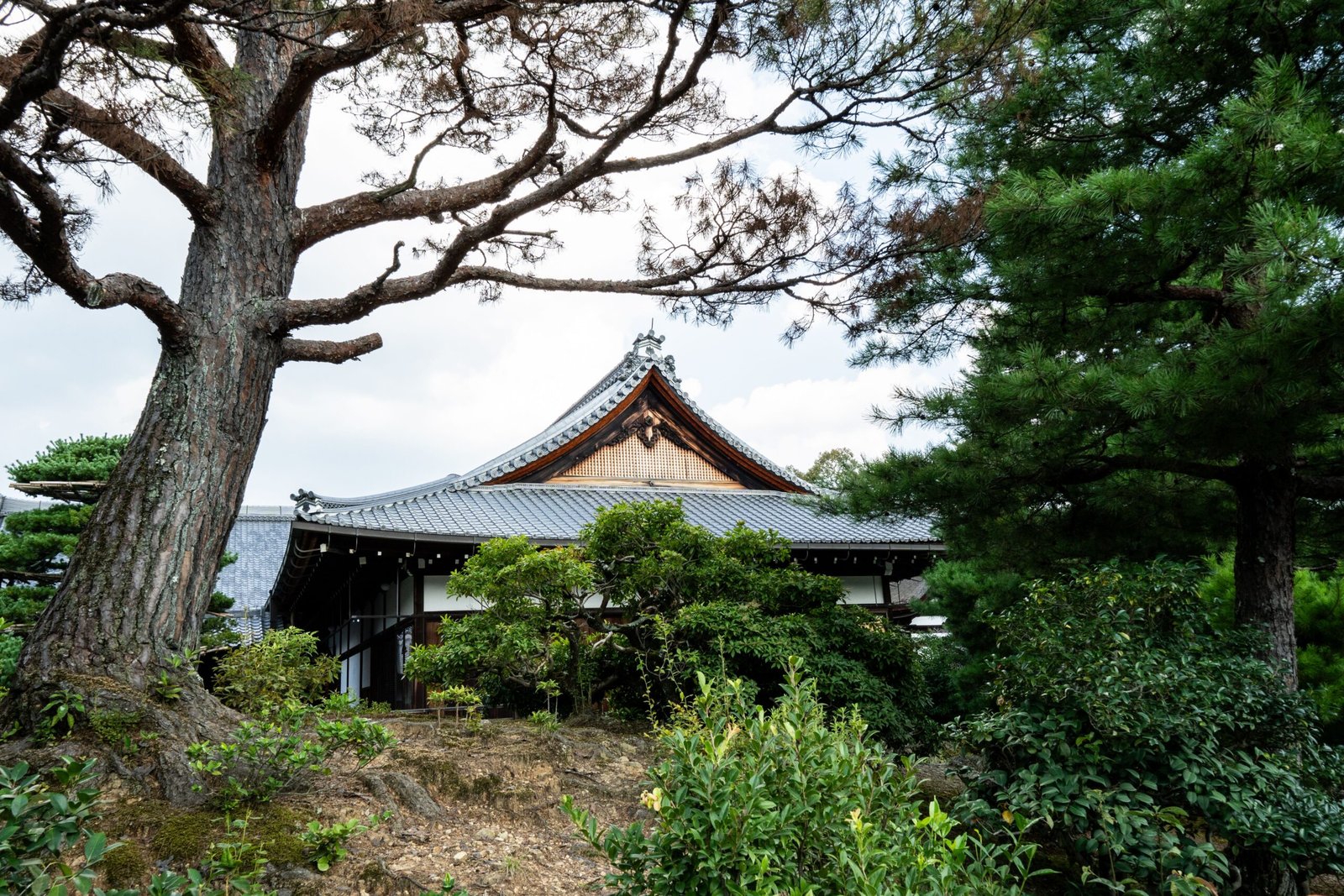
Nene and Hideyoshi’s memorial hall. The Otama-ya hall enshrines wooden statues of both founders and is decorated in Kodaiji maki-e, a distinctive gold lacquer technique developed for the temple that remains one of the finest examples of the style anywhere in Japan.
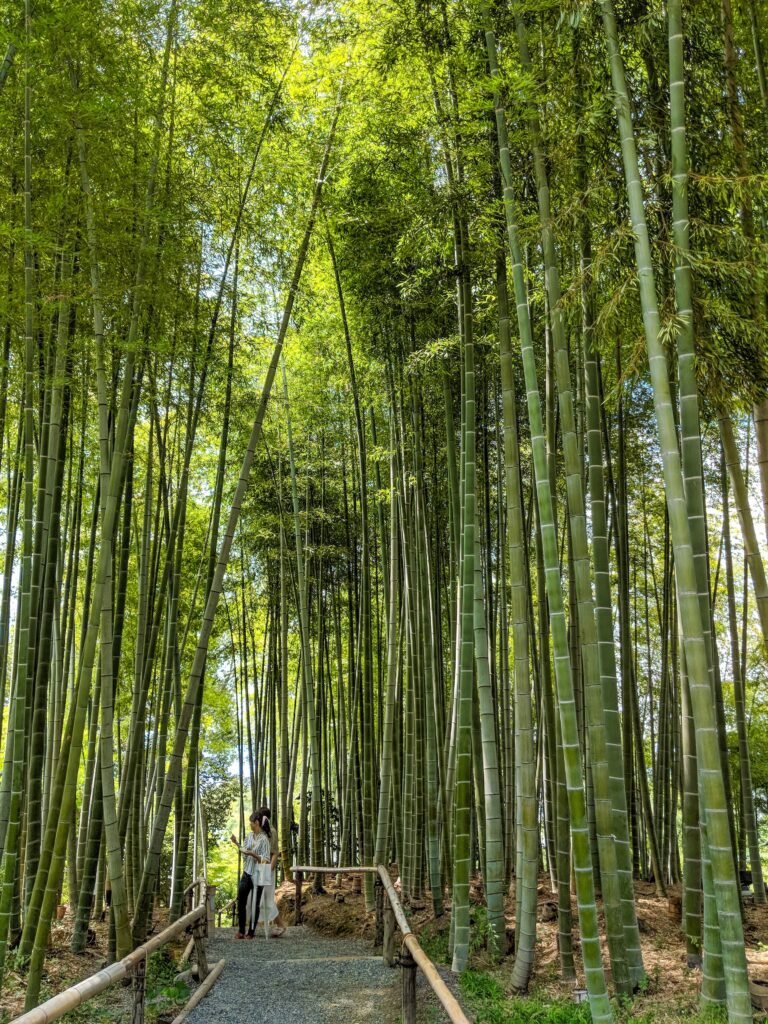
The bamboo grove path. A short stretch of bamboo connects the temple’s garden areas — smaller and far less crowded than Arashiyama’s, and a good stop if you want the same atmosphere without the tour groups.
The stone garden. A raked gravel garden behind the main hall doubles as the canvas for the temple’s illumination events, when light and projected imagery transform it after sunset.
The tea house. A small tea house on the grounds serves matcha and a seasonal sweet for around ¥500, a straightforward way to sit down partway through the visit.
Nearby, If You Have More Time
Kodai-ji sits right between two of our other Higashiyama guides — Yasaka Shrine and Gion are both a short walk away, making it easy to combine all three into one afternoon or evening.
Where to Stay Nearby
Higashiyama and Gion are some of the most walkable, atmospheric neighborhoods to base yourself in for a trip built around exactly this kind of temple-hopping. Our Kyoto neighborhood comparison guide covers how this area compares to the rest of the city.
Booking.com is a reasonable place to check availability in Higashiyama and the surrounding Gion area.
Bottom Line
Kodai-ji is easy to underrate during the day and hard to overrate during illumination season — a founder’s love story, real gold lacquer craftsmanship, and a garden built to be seen lit up after dark. Check the seasonal dates before you go, then pair it with Yasaka Shrine and Gion for a full Higashiyama evening.