One Day at Umekoji Park: A Practical Itinerary for the Railway Museum and Aquarium
Most visitors treat the Kyoto Railway Museum and Kyoto Aquarium as two separate line items on a trip-planning spreadsheet. They’re not. Both sit inside the same stretch of green a short walk west of Kyoto Station — Umekoji Park — along with a retired city tram, a quiet Japanese garden, and a lawn wide enough for a decent game of catch. If you’re traveling with kids, waiting out a rainy morning, or just want one easy half-day that doesn’t involve a single temple, this is the park that does it. Here’s how to actually use the day, not just the two headline attractions in it.
The Essentials at a Glance
| What | Details |
|---|---|
| Location | Umekoji Park, Shimogyo Ward, about a 15–20 minute walk west of Kyoto Station |
| Inside the park | Kyoto Railway Museum, Kyoto Aquarium, preserved Kyoto Municipal Tramway cars, a Japanese garden, and an open lawn |
| Railway Museum hours | 10:00am–5:00pm (last admission 4:30pm); closed Wednesdays, with holiday exceptions |
| Aquarium hours | Roughly 10:00am–5:00/6:00pm, varying by season; no fixed weekly closure |
| Combined admission | About ¥1,500 (museum) + ¥2,000 (aquarium) per adult — no joint ticket between them |
| Opened | Park, 1995; Railway Museum, April 2016 (building on a locomotive museum open since 1972); Aquarium, March 2012 |
| Getting there | About a 15-minute walk from Kyoto Station, or one stop to Umekoji-Kyotonishi Station on the JR Sagano Line |
From Freight Yard to Family Outing
Umekoji Park didn’t start out as a park. The land was a JR freight yard before the city converted it into public green space, opening it in 1995 as one of Kyoto’s largest parks at the time. A steam locomotive museum had already been sitting on the southern end of the site since 1972, the year of Japan’s railway centennial, and when JR West rebuilt and expanded it into the current Kyoto Railway Museum in April 2016, that older collection became the core of a much bigger one. The aquarium arrived separately: Orix Corporation opened it on the park’s northern side in March 2012, over some local objection to using parkland for a commercial building. The two attractions are run by different companies that happen to share a park, which is part of why there’s no combined ticket between them — each is its own business, pricing its own admission.
Picking an Order
The two halves of the park keep slightly different hours, and that matters more than it sounds like it should. The Railway Museum runs 10:00am to 5:00pm, with last admission at 4:30pm, and closes every Wednesday aside from national holidays and school-holiday stretches. The Aquarium’s hours run from around 10:00am to somewhere between 5:00pm and 6:00pm depending on the season, with only occasional maintenance closures rather than a fixed weekly day off — so if your Kyoto trip happens to land on a Wednesday, do the aquarium that day and save the museum for another one. On any other day, arriving close to opening and starting with the museum works well: the steam locomotive ride and the driving simulators are more pleasant before the mid-morning tour groups arrive, and the roundhouse is a satisfying first stop before you’ve had to make any real decisions about the rest of the day. The single best reason to put trains first is that roundhouse itself — a 1914, wheel-shaped engine shed registered as an Important Cultural Property, with steam locomotives parked in a circle around a working turntable. It’s still doing its original job rather than sitting as a static display, since it’s the departure point for the museum’s short steam train ride, and it photographs better in the quiet right after opening than it does once the hall fills up. Break for lunch around midday, then cross to the aquarium in the early afternoon, when the dolphin stadium’s later show times are easier to catch without a scheduling sprint.

The Park Between the Two Attractions
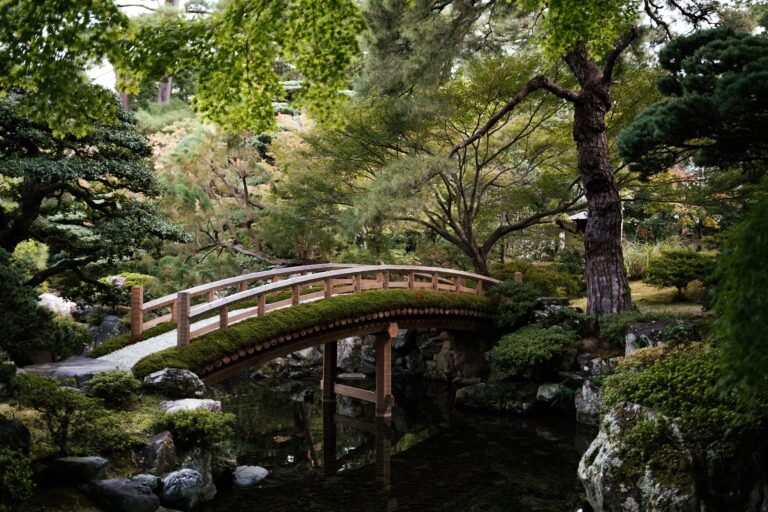
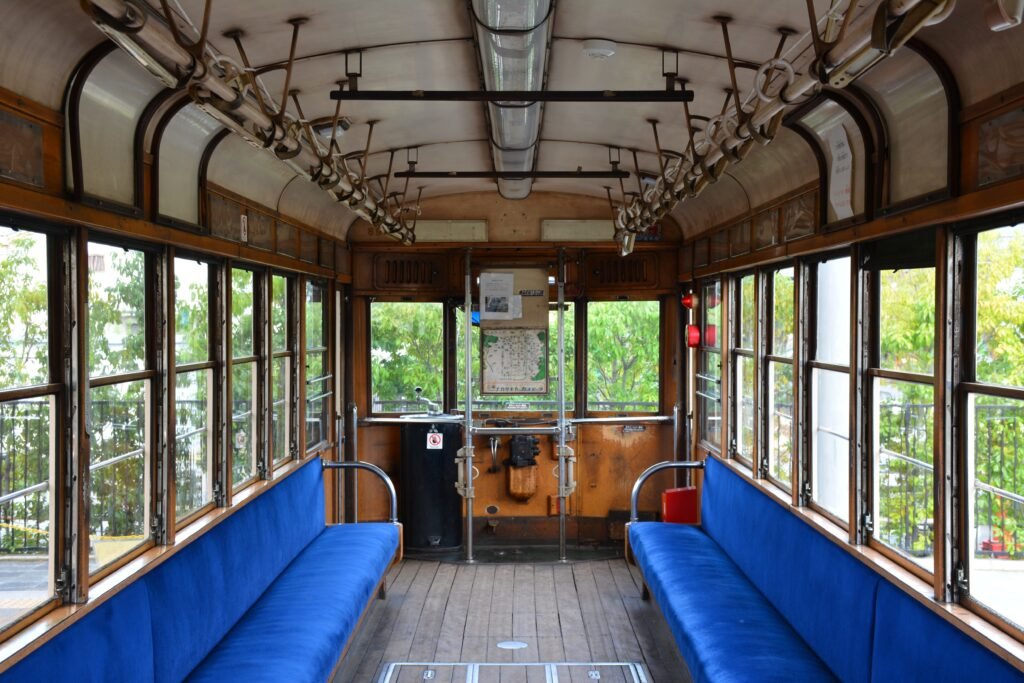
The park itself is worth ten minutes of wandering between the two paid stops, and most people skip it entirely. A handful of retired Kyoto Municipal Tramway cars, taken out of service when the city shut down its streetcar network in the 1970s, sit preserved along the park’s walking paths — a small, free railway exhibit in its own right for anyone whose museum appetite isn’t quite satisfied. Elsewhere, the Japanese garden around the park’s Midori-no-kan building has a tea house and a small pond that make a reasonable spot to sit down between attractions, and the open lawn on the park’s eastern side draws enough local soccer and baseball groups that you’ll usually find a game going on weekend afternoons. None of it takes long, but it’s a reminder that the park is more than a connector between two ticket counters.
Lunch Without Leaving the Park
You don’t need to leave the park for food. The aquarium has three cafes of its own — Kaiju Cafe, Stadium Cafe near the dolphin performance area, and Harvest Cafe — and the Railway Museum’s former Nijo Station building, relocated onto the museum grounds and now doing double duty as the exit and gift shop, sits close to a food court area as well. If you’d rather eat outside the park entirely, Kyoto Station’s restaurant floors are a flat fifteen-to-twenty-minute walk away, which also doubles as a built-in reason to end the day back at the station rather than backtracking across town.
Extending the Day
If you want a third stop, Kyoto Tower is a flat walk across the station on the opposite side, close enough to add without much extra travel time, and it gives you a rooftop view to close the day on rather than a museum gift shop. Toji Temple , home to Japan’s tallest wooden pagoda, is roughly fifteen to twenty minutes on foot south of the park if you’d rather end with a temple than a tower. Either way, Umekoji Park works well as a bridge between arriving in Kyoto and getting into the temple circuit proper — it’s an easy first or last full day that doesn’t ask much of you logistically.
Before You Go
Budget roughly ¥1,500 for the Railway Museum and around ¥2,000 for the Aquarium per adult — see our full guides to the Railway Museum and the Aquarium for exact tiered pricing by age, since neither attraction offers a joint discount ticket with the other as of this writing. Together that’s a meaningful chunk of a daily budget, so if you’re traveling on a tighter one, our Kyoto on a Budget guide has more on where a day like this fits into your overall spending. Whichever order you choose, give yourself a full day rather than a half: between the museum, the aquarium, lunch, and a slow walk through the park itself, it’s easy to lose five or six hours here without feeling like you rushed anything. Our Getting Around Kyoto guide covers the subway and bus options that get you here and on to wherever’s next.
Bottom Line
Umekoji Park isn’t on most people’s must-see list, and it doesn’t need to be to earn a full day — the Railway Museum and Aquarium are strong enough on their own that pairing them barely counts as a compromise. Watch the Wednesday closure, start with trains if you want the roundhouse at its quietest, and leave room to wander the park itself rather than treating it as empty space between two ticket counters.