Toji Temple: A Practical Guide to Kyoto’s Tallest Pagoda
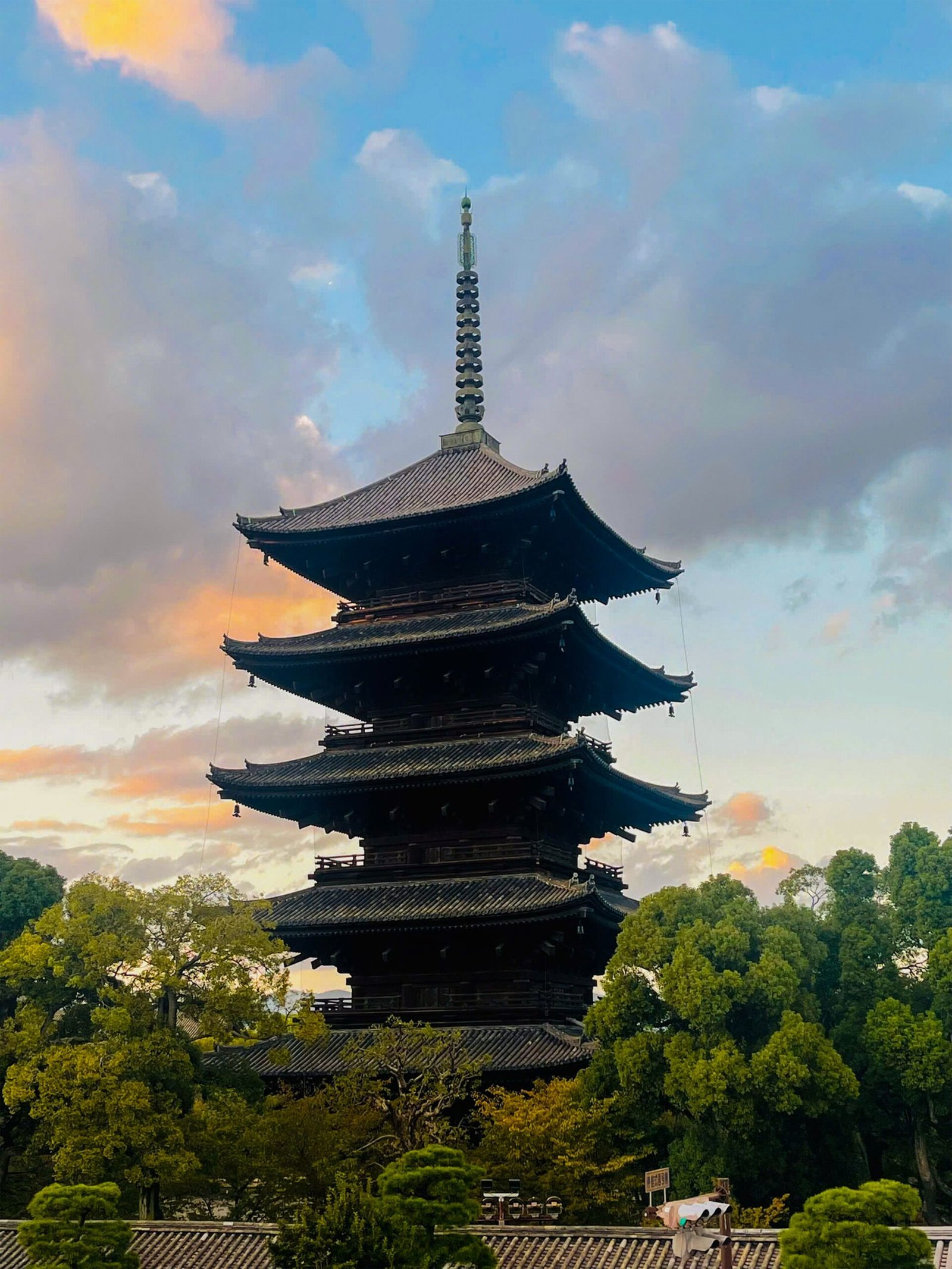
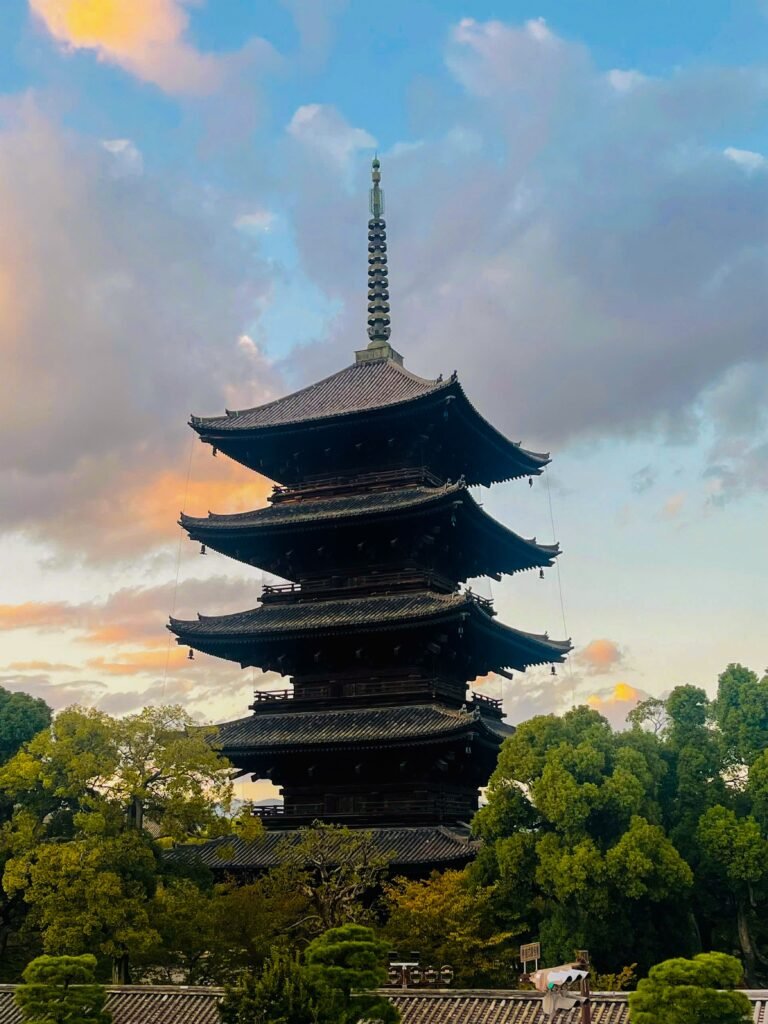
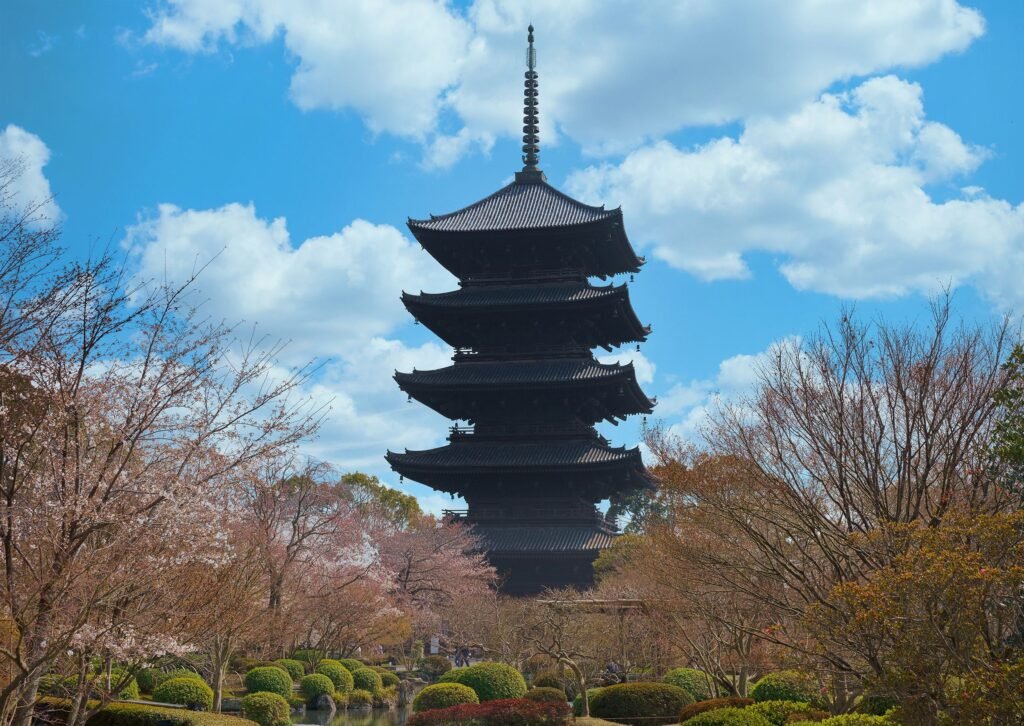
You can see To-ji’s five-story pagoda from the shinkansen platform at Kyoto Station, and at 57 meters, it is the tallest wooden pagoda in Japan — the unofficial skyline marker for the entire city. Despite sitting closer to the station than almost any other major sight in Kyoto, it gets a fraction of the crowds that pile into Fushimi Inari or Kiyomizu-dera.
This guide covers the temple grounds, when to time a visit around the monthly flea market, and how to fit To-ji into an arrival or departure day in Kyoto.
The Essentials at a Glance
| What | Details |
|---|---|
| Grounds admission | ¥800 (includes the Kondo and Kodo halls) |
| Pagoda interior | +¥1,200, limited special dates only |
| Hours | 8:00–17:00, last entry 16:30, no closing days |
| On foot from Kyoto Station | About 15 minutes southwest |
| By train | Kintetsu Kyoto Line to Toji Station (2 minutes, ¥180), then a 5-minute walk |
| Kobo-san flea market | 21st of every month, early morning–16:30 |
Getting There
To-ji is one of the few major Kyoto sights within comfortable walking distance of the station — about 15 minutes southwest on foot, mostly along flat city streets. If you would rather not walk, the Kintetsu Kyoto Line covers the distance in two minutes to Toji Station, followed by a five-minute walk to the grounds.
That proximity makes To-ji a realistic stop on an arrival or departure day, even with luggage in tow — something that is not true of most other temples on this list.
When to Go
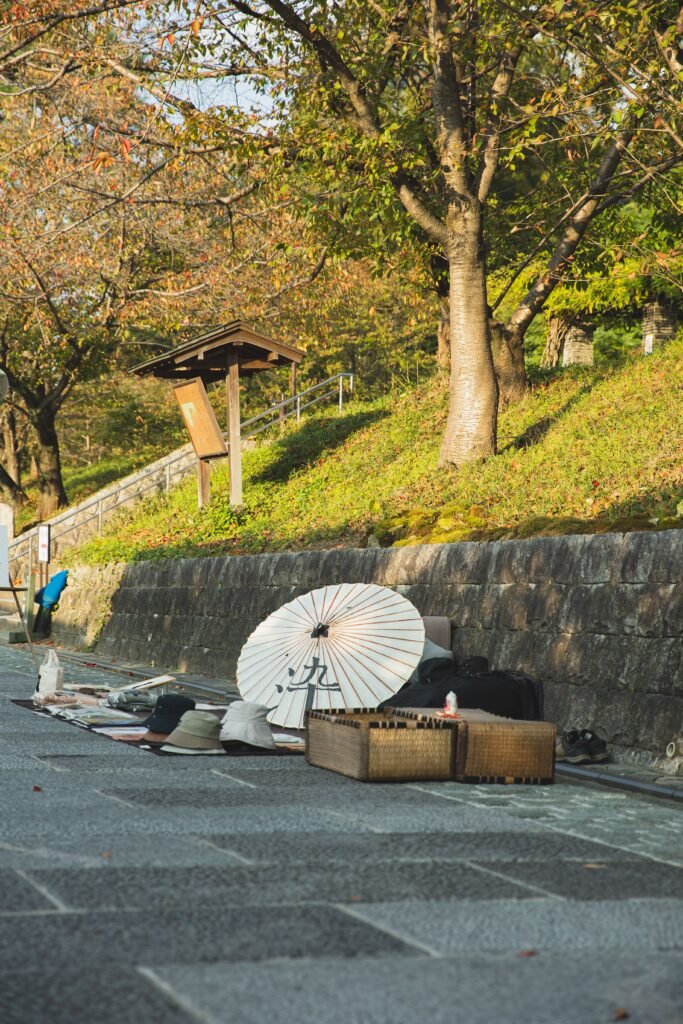
On the 21st of every month, the temple grounds fill with hundreds of stalls for the Kobo-san flea market, running from early morning until about 16:30. Antiques, kimono, pottery, tools, and street food dominate, and arriving early gets first pick before the best stalls sell out. A smaller, antiques-focused version of the market runs on the first Sunday of each month.
Outside market days, To-ji is genuinely calm. Spring brings cherry blossoms reflected in Koyu-ike Pond in front of the pagoda, one of the better photo spots in the city for a fraction of the crowd at other blossom sites.
What You’ll See
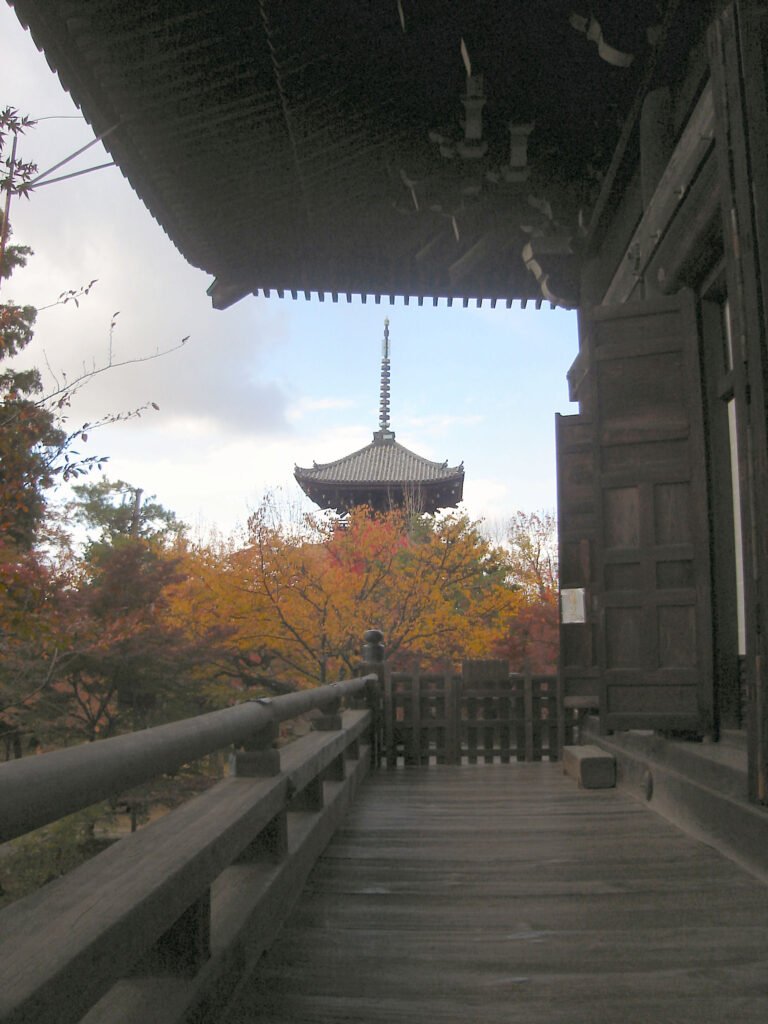
The five-story pagoda. Originally erected in 826 by Kobo Daishi, the monk who founded Japan’s Shingon school of Buddhism, the pagoda has burned down and been rebuilt several times since, with the current structure dating to the Edo period. Its interior, housing a set of Buddha statues around the central pillar, only opens to the public on limited special dates each year.
The Kondo and Kodo halls. The Kondo, or main hall, houses a large Yakushi Nyorai healing Buddha flanked by two attendants. Next door, the Kodo (lecture hall) holds a set of twenty-one Buddhist statues arranged together as a three-dimensional mandala — one of the most striking sculpture displays in Kyoto and worth more time than most visitors give it.
Kobo-san market. If your visit lines up with the 21st, the market itself becomes the main event, transforming the temple grounds into one of Kyoto’s largest and most atmospheric flea markets.
Nearby, If You Have More Time
To-ji sits on the same southern side of the city as Fushimi Inari, and the two combine reasonably well by train if you are spending a day in this part of Kyoto — our Fushimi Inari guide covers that stop.
Where to Stay Nearby
The area right around To-ji is quiet and light on hotels, though its proximity to Kyoto Station makes it a convenient stop on the way in or out regardless of where you are staying. Our Kyoto neighborhood comparison guide covers the more central options for your actual base.
Booking.com is a reasonable place to check availability near Kyoto Station or in the more central neighborhoods.
Bottom Line
To-ji is one of the easiest major sights in Kyoto to fit into a trip, sitting close enough to the station to visit on a travel day. Time it to the 21st for the flea market if you can, and do not skip the Kodo hall’s mandala of statues just because the pagoda gets all the attention outside.