Manpuku-ji: A Practical Guide to Kyoto’s Chinese Zen Temple in Uji
South of Kyoto in Uji, a town better known for green tea and Byodo-in, there’s a temple that doesn’t look like it belongs in Japan at all. Manpuku-ji was built by a Chinese monk who never went home, using Ming dynasty architecture and rituals that still set it apart from every other major temple in the region. It’s the head temple of Obaku Zen, the smallest and least visited of Japan’s three main Zen sects, and one of the more distinctive stops you can add to a Uji day trip without much extra travel time.
The Essentials at a Glance
| What | Details |
|---|---|
| Hours | 9:00 a.m. to 5:00 p.m. daily, year-round (last entry around 4:30 p.m.) |
| Admission | 500 yen for adults; 300 yen for students and children |
| Fucha ryori (vegetarian temple cuisine) | Reservation required at least 3 days ahead, minimum 2 people, roughly 3,000–7,000 yen per person depending on the course |
| Other experiences | Zazen meditation (around 1,000 yen) and sutra copying (around 2,000 yen), both by reservation |
| Regular events | Flea market on the 8th of most months (skipped in February and August); moon-viewing tea ceremony in October |
| Access | About a 5-minute walk from Obaku Station on the JR Nara Line or the Keihan Uji Line |
A Monk Who Never Went Home
Manpuku-ji’s founder, Yinyuan Longqi — known in Japan as Ingen Ryuki — was a Chinese Chan (Zen) master who arrived in Nagasaki in 1654 at the invitation of Japanese followers, already in his sixties. He’d intended the trip as one more stop in a well-traveled career, but political instability in China and a warm reception in Japan meant he never went back. The fourth Tokugawa shogun eventually granted him land near Uji, and in 1661 Ingen founded Manpuku-ji as a base for the style of Zen practice he’d brought with him — one that had kept evolving in China after the branches that became Rinzai and Soto had already taken root in Japan centuries earlier. That gap in timing is a large part of why Obaku, the school Manpuku-ji still heads today, ended up as its own separate lineage rather than folding into either of the existing sects, and why it remains by far the smallest of the three.
Architecture That Doesn’t Look Like Kyoto
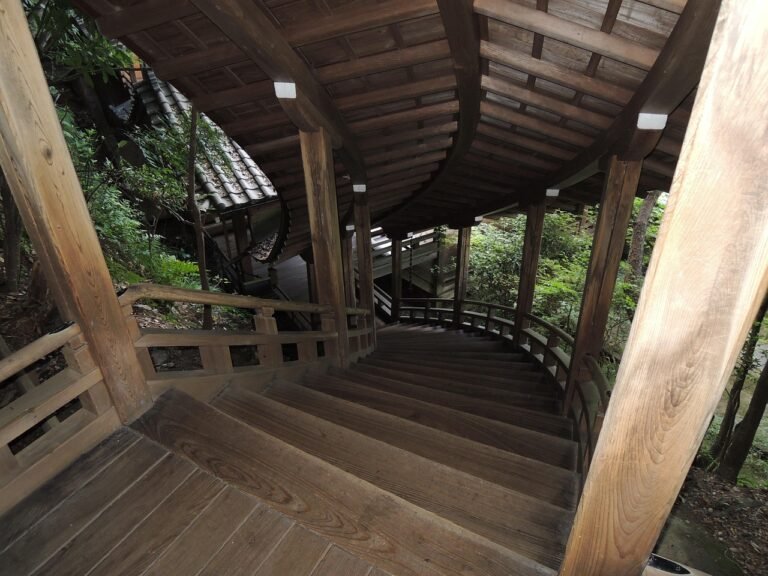
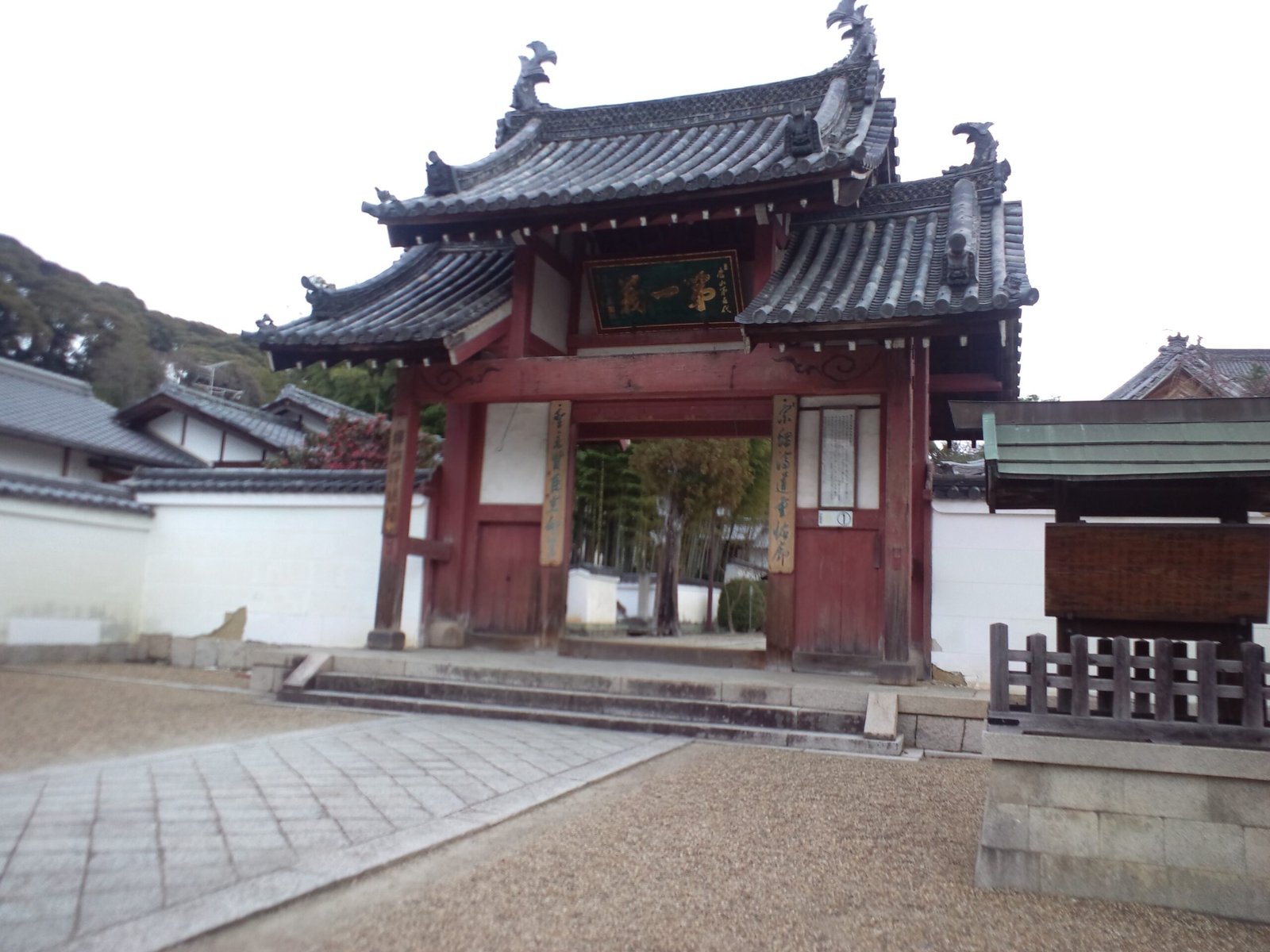
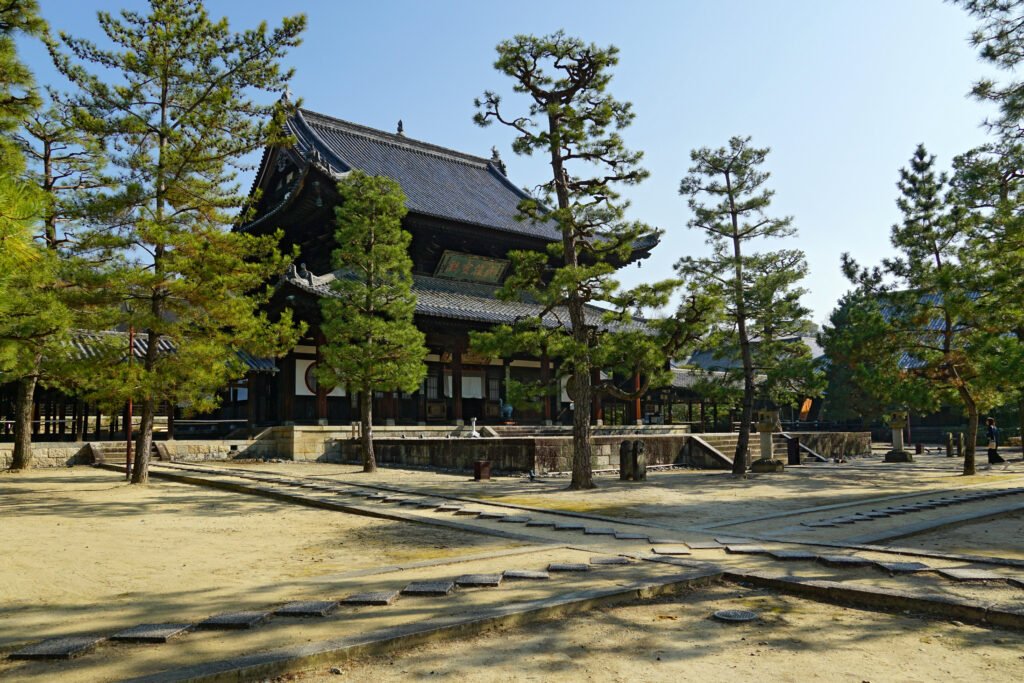
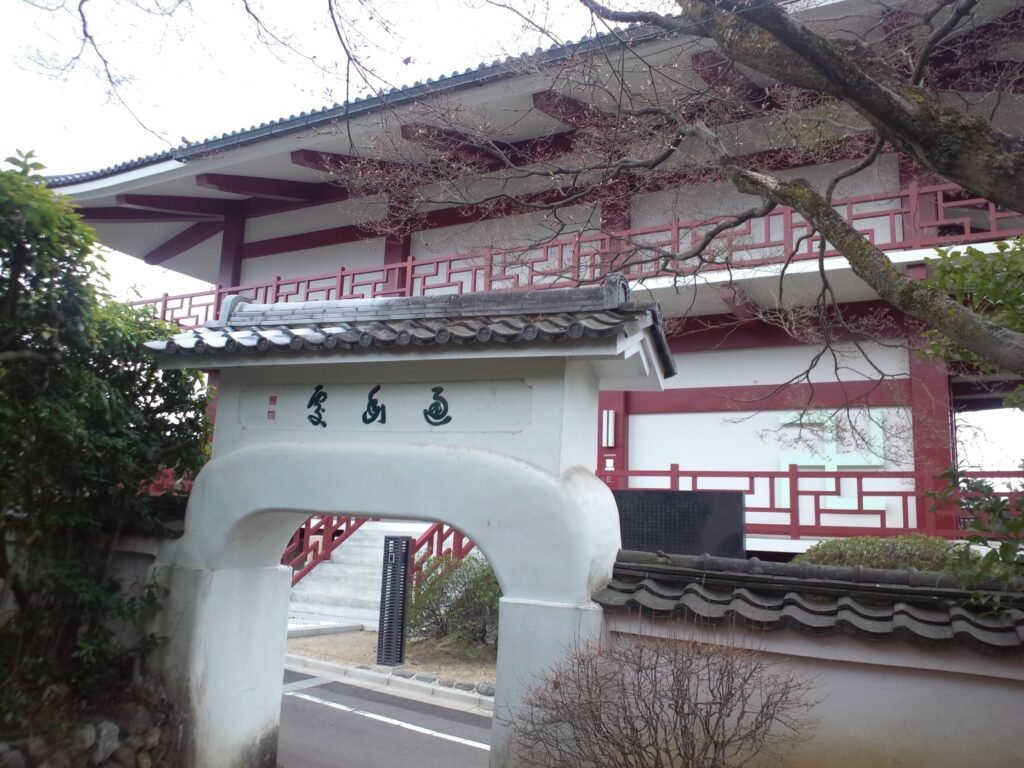
Ingen and the monks who followed him built in the style they knew, which means Manpuku-ji reads as distinctly Ming dynasty Chinese rather than Japanese temple architecture. The main hall, Daiohoden, is framed largely in teak and lit by round windows rather than the rectangular openings typical of Japanese temple design, with roofline sections that lift upward instead of the long, even sweep found elsewhere in Kyoto. The layout of the whole complex is said to trace the shape of a dragon, and covered, lantern-lined corridors link the buildings in a way that feels closer to a Chinese monastery than a Japanese one. Decorative details carry the theme through: manji-pattern balustrades and statuary carved by Chinese artisans rather than the local sculptors who worked on nearly every other temple in the region.
The Sound That Still Keeps Time
One detail visitors tend to remember is the gyoban, a large wooden ornament carved into the shape of a fish and struck like a gong to mark the monastery’s daily schedule — meals, the start of meditation, the rhythm of a working monastic routine rather than something kept purely for show. The chanting inside also sounds different from a typical Japanese Buddhist service: Obaku sutra recitation keeps closer to the original Chinese and Sanskrit-derived pronunciation than the Japanese readings used at Rinzai or Soto temples, a detail that’s easy to miss unless you happen to be there during a service, but one that underlines how much of Ingen’s original practice the temple has preserved largely intact.
Fucha Ryori: Zen Cuisine You Have to Book Ahead
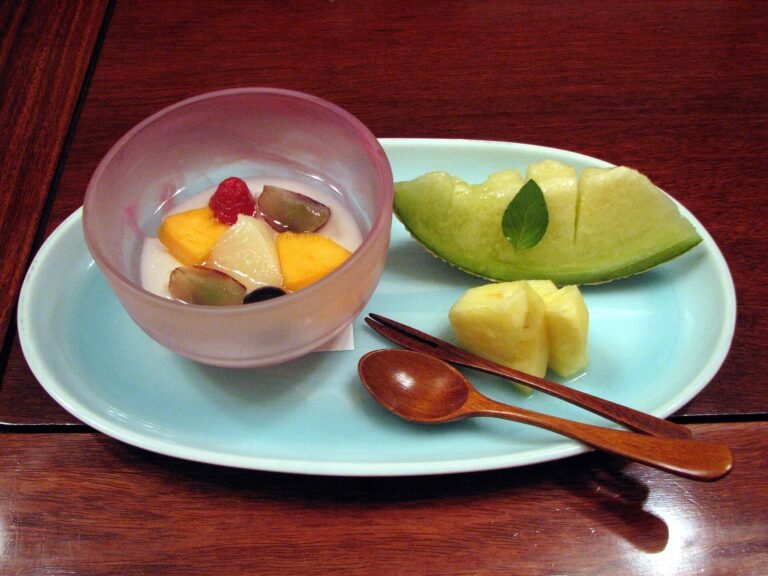
Manpuku-ji is also one of the better places in the Kyoto area to try fucha ryori, the Chinese-influenced vegetarian cuisine Ingen brought with him alongside his architecture and ritual style. It’s served communally — shared plates passed around a table rather than the individually plated kaiseki style more common at Kyoto’s other temple meals — and built around tofu, seasonal vegetables, and preparations that draw more directly from Chinese cooking traditions than most Buddhist temple food in Japan. Meals need to be booked at least three days in advance, with a minimum of two people per reservation and prices roughly in the 3,000 to 7,000 yen range depending on the course. If a full meal doesn’t fit your schedule, the temple also takes reservations for shorter, cheaper zazen meditation sessions and sutra-copying if you want a taste of temple practice without the advance planning a meal requires.
Getting There
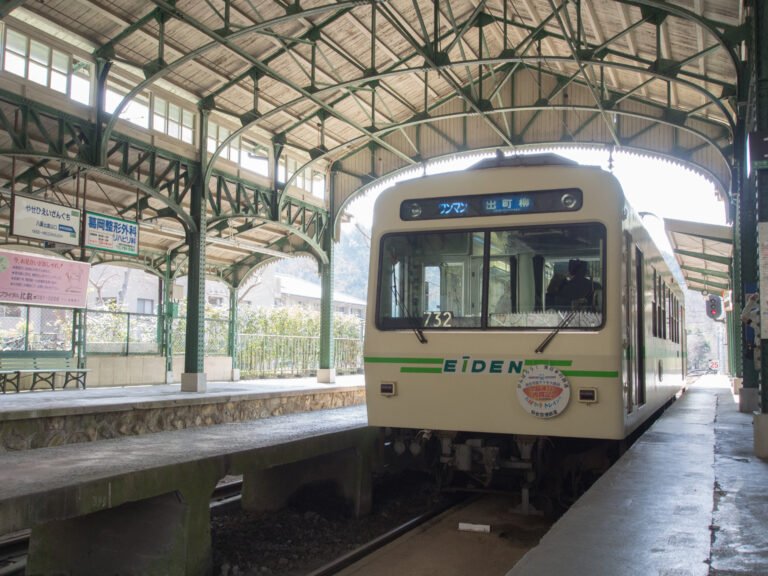
Manpuku-ji sits at the base of Mount Obaku, a few minutes on foot from Obaku Station, which both the JR Nara Line and the Keihan Uji Line serve directly — a genuine advantage over some of Uji’s other sights, which need more walking or a bus transfer to reach. From Kyoto Station, the JR Nara Line runs straight there in well under half an hour, which makes Manpuku-ji one of the easier Uji-area stops to fit in without much planning.
Pairing Manpuku-ji with the Rest of Uji
Manpuku-ji sits close enough to Uji’s main sights that it slots easily into a broader day trip; our guide to Uji and Byodo-in covers the rest of the area, including the tea shops the town is famous for, and Manpuku-ji makes a natural detour on the way between the station and the river. If the fucha ryori has you curious about temple food more generally, our guide to Kyoto’s must-try dishes covers where else to find it and what else is worth ordering while you’re in the region. And since Manpuku-ji requires a short train ride out of the city center either way, it’s worth checking our guide to Kyoto’s trains, buses, and IC cards before you go, especially if you’re combining it with other stops along the JR Nara Line the same day.
Planning Your Visit
Manpuku-ji is open and unhurried enough that it works well as a same-day add-on to a Uji itinerary rather than something that needs its own dedicated trip. If you want the fucha ryori meal specifically, that’s the one part of the visit worth locking in ahead of time — book at least three days out and confirm the reservation details directly with the temple, since exact procedures can shift over time. Otherwise, admission is simple and walk-in, and the temple’s flea market on the 8th of most months is worth timing a visit around if you enjoy browsing secondhand goods and local vendors alongside the sightseeing.
Bottom Line
Manpuku-ji is a genuinely different kind of temple experience from almost everything else in the Kyoto area — a slice of Ming dynasty China that ended up permanently rooted in a quiet corner of Uji, still run by the sect its founder brought with him more than 360 years ago. Pair it with Byodo-in and the rest of Uji’s tea country, and it’s an easy, worthwhile detour rather than a special trip in its own right.