Kyoto Sento: A Practical Guide to Visiting a Public Bathhouse
Kyoto usually arrives in a visitor’s head as temples, gardens, and kaiseki dinners, and all of that is fair. But the city is also still thick with something far less photographed: neighborhood sento, the public bathhouses that predate the private baths most modern apartments now have as standard. A fair number of older machiya and smaller guesthouses in Kyoto still don’t have a proper bath of their own, which keeps sento in business here in a way bathhouses in some other Japanese cities have struggled to manage. Stepping into one is not a spa experience built for tourists — it is a genuinely local habit, priced under a cap set by the prefecture rather than the market, and it is one of the more interesting ways to spend an evening in the city.
The Essentials at a Glance
| What | Details |
|---|---|
| What it is | A neighborhood public bathhouse under a Kyoto Prefecture price cap, not a resort or spa |
| Typical price | ¥550 for an adult as of April 2025, up from ¥510 the year before (set by Kyoto Prefecture) |
| Typical hours | Many open mid-afternoon, around 3:00–4:30pm, and stay open toward midnight |
| Payment | Mostly cash; plenty of sento still don’t take cards |
| What to bring | A small towel and your own soap/shampoo if you have a preference; towels can usually be rented or bought if you forget |
| Tattoos | Welcomed at most Kyoto sento today; a few smaller, older places still ask visitors to cover them |
| Sento vs. onsen | Sento heat ordinary tap water; onsen draw on natural hot-spring water (a few sento do both) |
Sento Versus Onsen
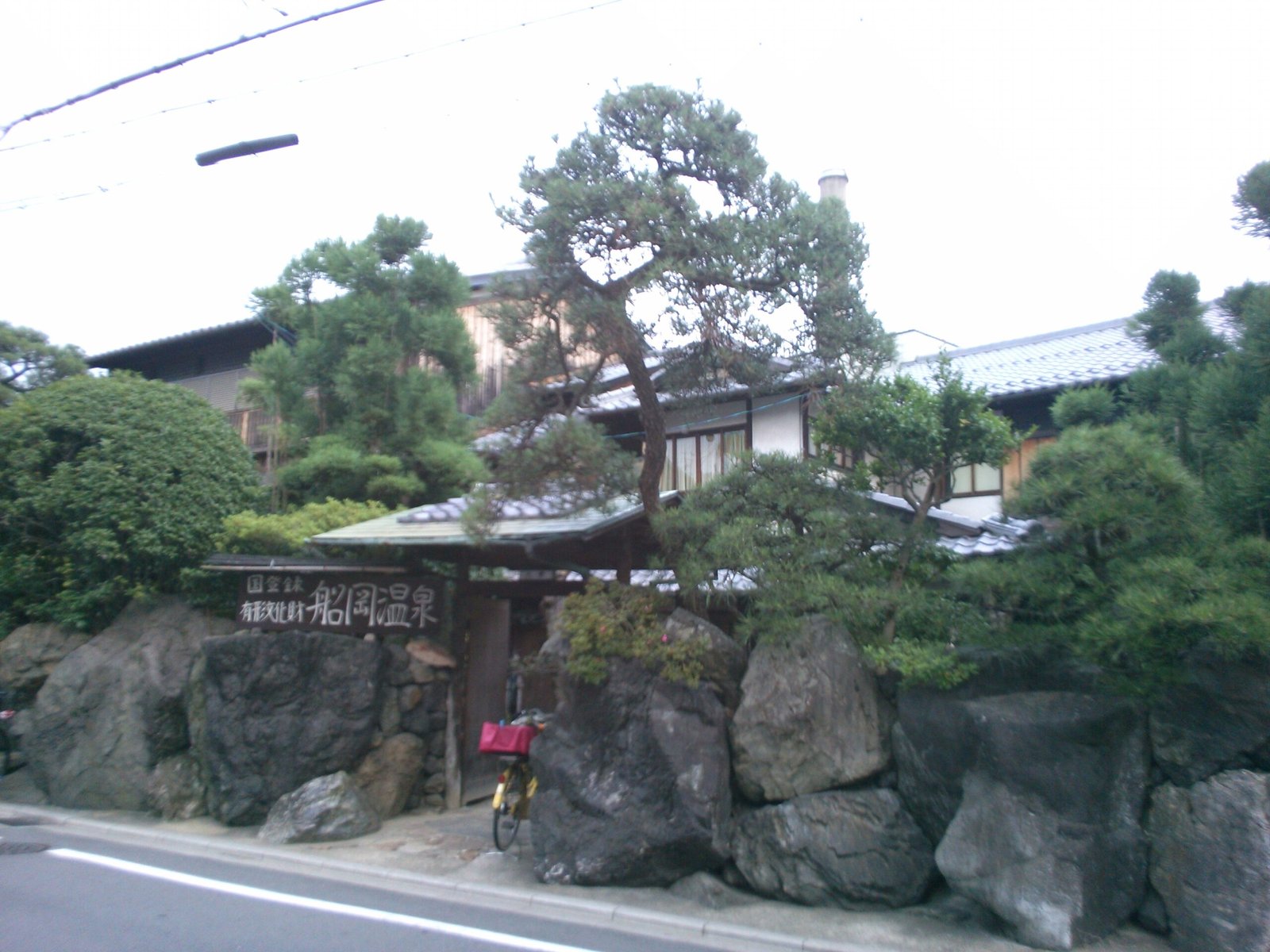
A sento is a public bathhouse that heats ordinary tap water, run under a Kyoto Prefecture price cap specifically so that households without their own bath can still bathe affordably. An onsen draws on natural hot-spring water and is usually priced on its own terms, often inside a ryokan or resort rather than a neighborhood building. A few of Kyoto’s sento, Funaoka Onsen among them, pump in genuine hot-spring water alongside the regulated public bath, which blurs the line a little, but the everyday distinction holds up well enough: sento is neighborhood infrastructure, onsen is a destination in its own right.
What It Costs and What to Bring
Kyoto Prefecture sets the maximum adult admission fee for a standard sento, and that cap rose to ¥550 in April 2025, up from ¥510 the year before. Children pay less, on a fixed scale usually posted at the entrance. That fee buys you the bath and nothing else — towels, soap, shampoo, and razors are typically extra if you haven’t brought your own, and a sauna, where one exists, almost always costs more on top. Bring cash; a surprising number of Kyoto sento still don’t take cards, and a locker sometimes needs a coin rather than a key you can borrow from the front desk.

The Bathing Ritual, Step by Step
The routine barely changes from one sento to the next. Take your shoes off at the entrance and lock them in the shoe box, pay at the counter or a vending machine, then head into the changing room for your gender and undress completely — a locker holds your clothes and bag, and you carry only a small towel and your toiletries into the bathing area. Sit on one of the low stools at a shower station and wash thoroughly before getting anywhere near the baths themselves; this is the one rule sento take seriously, more than any other. After that, there is usually no fixed order among the different tubs — hot, cold, jet, herbal, whatever the house happens to have — so soak in whichever order suits you, rinse off once more before you leave the bathing area, and dry off on the shelves provided before heading back to your locker.

A Few Kyoto Sento Worth Seeking Out
| Name | Neighborhood | Known for |
|---|---|---|
| Funaoka Onsen | Kita-ku, near Kuramaguchi Station | 1930s carved and tiled changing rooms; part of a building complex registered as a national cultural property; electric bath, sauna, outdoor bath |
| Sauna no Umeyu | Central Kyoto | Over a century old; popular with students; occasional live-music nights |
| Goko-yu | Shimogyo-ku | Six bath types including a hot-stone spa, plus a lobby bar serving drinks and light meals |
| Kyoto Tower Bath House | Basement of Kyoto Tower, by Kyoto Station | Convenient if you are staying near the station; seasonal bath additions on the fourth Sunday of each month |
| Tama no yu | Established 1949 | Mosaic murals in the men’s and women’s baths, plus cold, medicinal, and jet baths and a sauna |
Etiquette Worth Knowing
Wash before you get in, every time, even if you were only in the water for a minute. Keep your small towel out of the bathwater itself rather than letting it float in with you — most people rest it on their head or set it on the tub’s edge. Speak quietly; sento are communal spaces but not loud ones, and regulars treat a visit as a wind-down rather than a social hour. Phones generally stay in the locker rather than coming into the bathing area at all, and the same goes for photographing other bathers, which is simply not done. Tattoos are tolerated at the large majority of Kyoto sento today, though a handful of smaller, older establishments still ask visitors to cover them, so a quick look at a bathhouse’s website, or a quick question at the counter, is worth the thirty seconds if you are unsure.
Pairing It With the Rest of Your Trip
A sento works best folded into an evening you have already planned around something else, since most open mid-afternoon and stay open toward midnight. If you are staying somewhere without a private bath — common at some of the smaller guesthouses covered in Where to Stay in Kyoto — ask your host directly; most have a neighborhood sento they already send guests to. Getting Around Kyoto has the details on IC cards and bus routes for reaching one on the other side of the city, and Kyoto on a Budget is worth a look if you are weighing a sento’s regulated price against the far higher cost of a hotel’s private bath. If you are coming off a day of temple-hopping, Kyoto Temple and Shrine Etiquette covers the parallel set of manners for shrines and temples — between the two guides, you will have most of the unwritten rules that come up on a typical day in the city.
Finding One Near Where You Are Staying
Not every sento has an English-language web presence, and plenty don’t show up clearly on English map apps either. Look for the kanji 湯 (yu) on the building, or a tall chimney on older structures. For a fuller list than this one, the Japanese-language site kyo1010.com is the closest thing Kyoto has to a comprehensive sento directory, and it is usable even without reading Japanese if you are comfortable navigating by map pin. Staff very rarely speak English, but the routine is simple enough that watching what everyone else does gets you through it without much trouble.
Bottom Line
A sento is not going to show up on anyone’s highlight reel of a Kyoto trip, and that is rather the point — it is one of the few experiences left in the city still priced and run for the people who live there, not for visitors passing through. Spend an evening at one, follow the handful of rules everyone else is already following, and you will leave with a quieter, more local read on Kyoto than the temples alone tend to give you.