Kyoto International Manga Museum: A Practical Guide to Japan’s Library of Manga
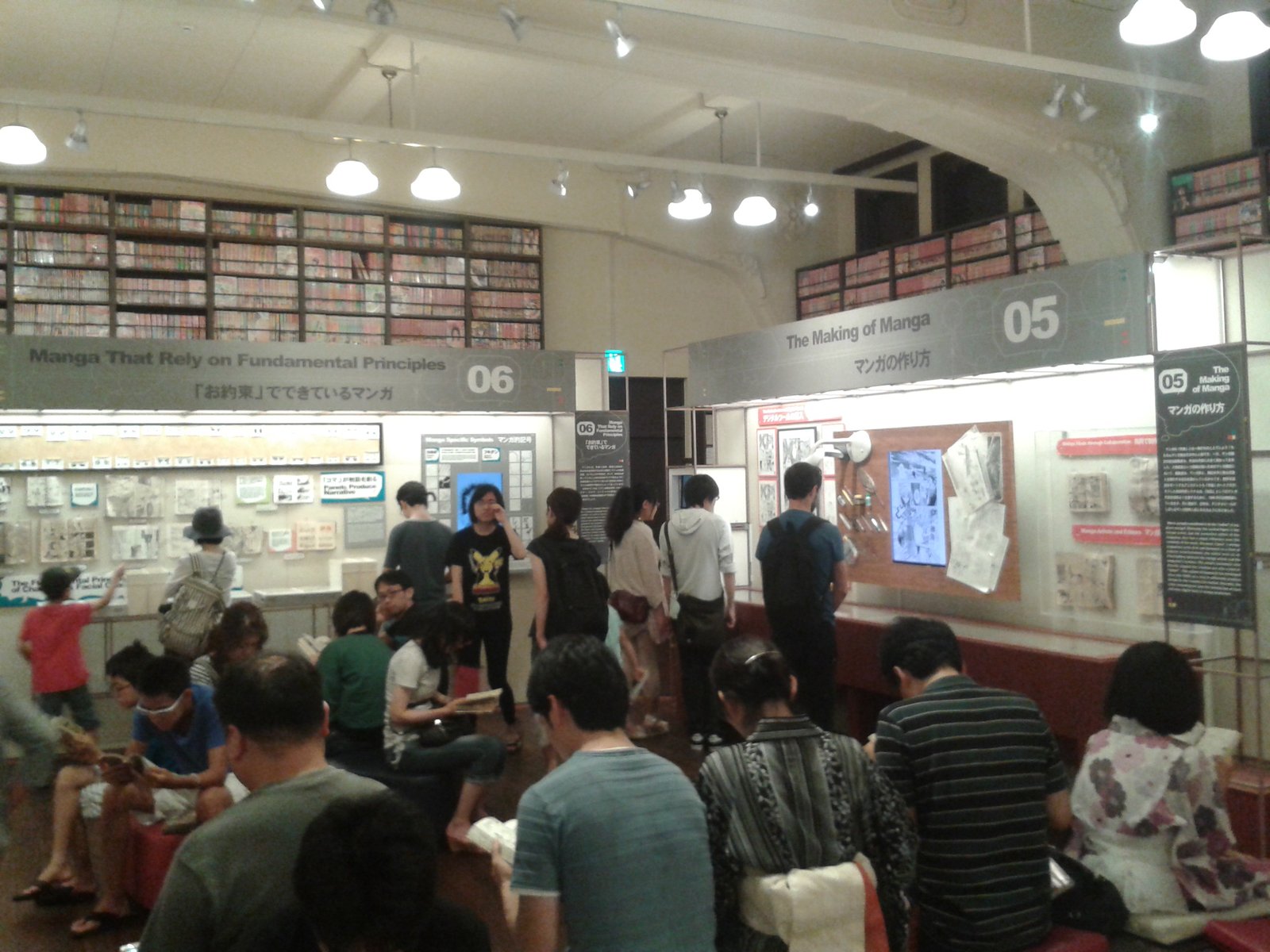
Most visitors budget a morning for temples and an afternoon for shopping, and somehow the Kyoto International Manga Museum ends up being the stop nobody planned for and everybody remembers. It sits in a converted elementary school a few minutes from the Karasuma Oike subway crossing, and from the outside it still looks mostly like a school — which, as it turns out, is part of the point. Inside, roughly 300,000 manga volumes are housed across the building, with tens of thousands of them simply sitting on open shelves for anyone to pull down and read, in whatever language they happen to be printed in.
The Essentials at a Glance
| What | Details |
|---|---|
| Admission | ¥900 for adults, ¥400 for junior and senior high school students, ¥200 for elementary school children and younger (figures from the museum’s last published rate card — worth a quick check before you go) |
| Hours | 10:00am to 6:00pm, with last entry at 5:30pm |
| Closed | Wednesdays (or Thursday when Wednesday is a public holiday), plus a break over the New Year holidays |
| Visit length | 1 to 2 hours for a browse; longer if you settle in to actually read |
| Access | A short walk from Karasuma Oike Station, where the Karasuma and Tozai subway lines cross |
| Nearby | Nijo Castle and Nishiki Market are both within a longer walk or a short bus ride |
From Elementary School to Manga Library
The building has its own history, separate from the museum inside it. It started out as Tatsuike Primary School, which opened in November 1869 as one of the district’s earliest public elementary schools, funded in part by local residents. The current school buildings date from between 1928 and 1937, and the school operated here until 1995, when it merged with four neighboring schools to form what became Gosho Minami Primary School. Kyoto Seika University, a local art and design university with a long-running manga department, proposed turning the vacant building into a manga museum in 2003, and the project opened to the public in November 2006, as a joint venture between the university and the city.
What makes a visit here feel different from a typical museum is how much of the original school survived the conversion. The tiled staircases, the long corridors, even the general proportions of the classrooms are still recognizable, just restocked with manga instead of desks. If you went to a Japanese elementary school, or have simply seen enough of them in anime, there is a specific feeling of déjà vu walking through it.

The Wall of Manga
The collection runs to around 300,000 items in total. The part that gets photographed is the “Wall of Manga” — a long stretch of open shelving, several stories of it in places, holding roughly 50,000 volumes that visitors are free to take down and read right there, either at a table or sprawled on the floor, which is a completely normal thing to do here. The remaining quarter-million or so items are kept in closed stacks and are accessible through a dedicated research room, mostly used by scholars and serious collectors rather than casual visitors. A meaningful chunk of the open shelves is organized by decade and genre, so even if you cannot read Japanese, you can trace how a particular art style or story type changed over the decades just by flipping through covers.
Signage and a portion of the collection are set up with non-Japanese readers in mind, and staff are used to fielding questions from visitors who have never picked up a manga before. That said, the deepest value here is still for people who already have some interest in the medium — it rewards browsing rather than rushing.
What There Is to Do
Reading is the main activity, but it is not the only one. The old school playground out front has been turned into a lawn where people sprawl out with a stack of volumes on sunny afternoons — it is one of the more relaxed public spaces in central Kyoto, manga or no manga. Inside, there are regular workshops and demonstrations, including sessions where manga artists draw live for visitors, plus a room dedicated to the tools and materials artists actually use, from pen nibs to screen-tone sheets, for anyone curious about the mechanics behind the pages. Special exhibitions rotate through as well, usually tied to a particular artist, genre, or anniversary, and these sometimes carry a separate fee on top of general admission.

Good to Know Before You Go
Wednesday is the default closed day, except when Wednesday falls on a public holiday, in which case the museum closes the following Thursday instead — worth double-checking if your trip lands near a holiday. Last entry is 30 minutes before closing, and the museum also shuts down over the New Year period, so this is not a good plan B for a slow holiday afternoon. Bags and coats can be left in lockers near the entrance, which is worth doing since you will want both hands free for flipping through volumes. There is no dedicated visitor parking, and the museum notes that nearby paid lots are the practical option if you are not arriving by train or bus.
Pairing It With the Rest of Your Trip
The museum sits in a part of central Kyoto that does not get as much guidebook attention as Higashiyama or Arashiyama, which makes it easy to combine with other things in the same general area. Nijo Castle is close enough to fold into the same day if you want to pair a shogun’s palace with a very different kind of Kyoto history. Nishiki Market is a reasonable walk or a short bus ride away if you are hungry after a few hours of reading. And if museums with a modern, hands-on angle are your thing, the Kyoto Railway Museum scratches a similar itch on the opposite side of the station.
Getting There
Karasuma Oike Station, where the Karasuma Line and Tozai Line cross, is the closest stop and leaves you a short walk from the entrance; the same-named bus stop works just as well if you are not using the subway. There is no car parking on site, so plan on public transit or a short taxi ride rather than driving yourself. If you are still working out how the city’s buses and subway lines fit together, Getting Around Kyoto breaks down the basics of passes and IC cards.
Bottom Line
You do not need to be a manga reader to get something out of an hour here, but it certainly helps. Between the converted school building, the open shelves you are actively encouraged to dig through, and a lawn full of people doing exactly that, it is one of the more unusual stops you will add to a Kyoto itinerary — and a good change of pace if you have had your fill of temple gates for the day.