Kyoto in November: A Practical Guide to Festivals, Weather, and Peak Foliage
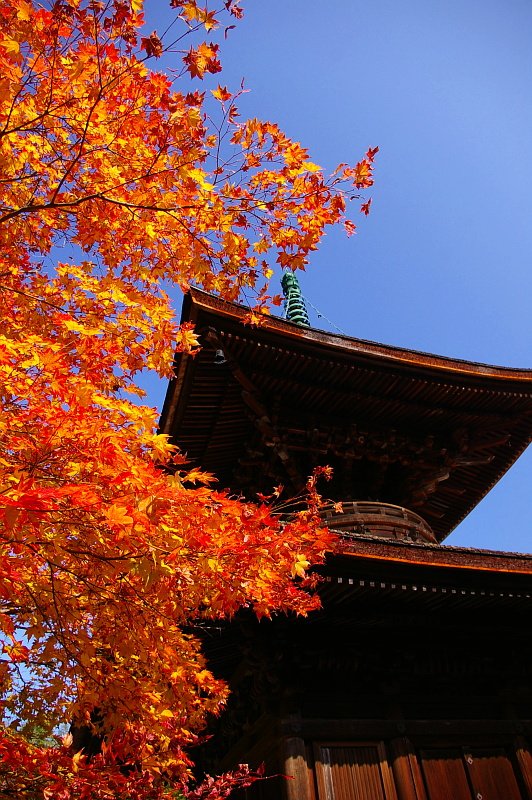
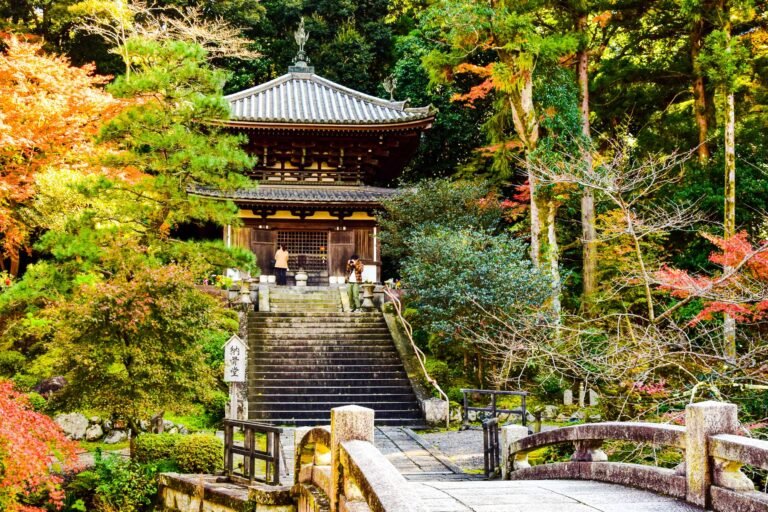
November is the month most people picture when they picture autumn in Kyoto — maples lit red and gold against temple roofs, lantern-lit gardens after dark, streets packed enough that you can lose a travel companion outside Kiyomizu-dera. It’s also, for exactly those reasons, the single busiest and most expensive month to visit. If October is Kyoto’s quiet, comfortable in-between month, November is the payoff everyone is actually chasing — along with the crowds that come from everyone chasing the same thing at the same time.
The Essentials at a Glance
| What | Details |
|---|---|
| Average temperature | Roughly 16°C/8°C (61°F/46°F) highs and lows, dropping further through the month — expect to want a proper coat by late November |
| Rainfall | Around eight rainy days and 72mm on average; otherwise mostly clear, dry weather |
| Foliage status | Starts changing in the northern hills by mid-month; city-center spots like Eikando, Tofuku-ji, and Arashiyama typically peak from late November into early December |
| Headline events | Gion Odori (Nov 1–10); Fushimi Inari’s Hitaki-sai fire festival (typically around Nov 8); Arashiyama Momiji Festival (usually the second Sunday of the month) |
| Crowd level | The busiest month of the year at nearly every major sight, especially the final two weeks |
| What to pack | A proper coat and layers; gloves and a scarf aren’t overkill by late November |
The Weather: One Foot in Autumn, One in Winter
Early November still feels like a continuation of October — daytime highs in the mid-teens Celsius, mornings crisp rather than genuinely cold, and a jacket that mostly stays unzipped by midday. The back half of the month is a different story. Highs drift down toward the low teens and overnight lows can get close to freezing, and the gap between a sunny early afternoon and a cold evening widens noticeably. Rain is less of a concern than earlier in autumn, with mostly clear, dry stretches that happen to line up well with the viewing season’s evening illuminations. Pack for both ends of the month if your trip spans more than a few days — what’s comfortable on November 2nd can feel thin on November 28th.
Foliage: Why the Exact Timing Is a Guessing Game
Kyoto’s autumn color doesn’t arrive all at once, and November is really the month where the wave moves from the hills into the city center. The higher, cooler spots to the north — Takao, Kurama, Kibune — tend to peak before November really gets going, often by the last days of October, so by the time most visitors land in Kyoto looking for koyo, those areas may already be past their best. The payoff shifts instead to the city’s lower-elevation gardens and temple grounds: Eikando, Tofuku-ji, and the Arashiyama area are the names that come up again and again, and they typically peak somewhere in the back half of November into the first days of December, though the exact date can move by a week or two depending on the year’s weather. Our Kyoto Autumn Foliage guide goes into more depth on how the season tracks from the mountains into town, and it’s worth a look before locking in exact dates — treat any specific date you read, including the ones here, as a planning range rather than a guarantee.
Gion Odori and the Season’s Last Dance Performances
Most of the geisha districts’ seasonal dance performances cluster in spring and early autumn, but Gion Higashi’s Gion Odori runs right through the first ten days of November at the Gion Kaikan theater, with two shows a day and tickets that have run around ¥6,000 for a regular seat or roughly ¥7,000 with a tea-ceremony seat included — numbers worth confirming at the theater or official site, since they can shift from year to year. It’s a relatively accessible way to see a formal geiko and maiko performance without the planning a private ozashiki engagement requires. A little later in the month, Kamishichiken’s Kotobuki-kai picks up where Gion Odori leaves off, so the first half of November is actually a reasonable window if a dance performance is on your list and you’d rather not plan around spring’s Miyako Odori instead.
Fushimi Inari’s Hitaki-sai Fire Festival
Early in the month, Fushimi Inari Taisha holds one of its more striking rituals, the Hitaki-sai, typically on November 8th. After an afternoon ceremony in the main hall with offerings and a sacred kagura dance, the event moves to a clearing where three bonfires are lit at once and priests feed them with thousands of wooden prayer sticks submitted by visitors earlier in the year, each one carrying a written wish. The fire is meant to send Inari back to the mountain after the autumn harvest, and the mix of smoke, chanting, and firelight against the shrine’s famous torii gates makes it a genuinely different experience from a daytime visit. It’s free to attend and open to the public, though it’s worth checking the current year’s exact timing before building a day around it.
The Arashiyama Momiji Festival
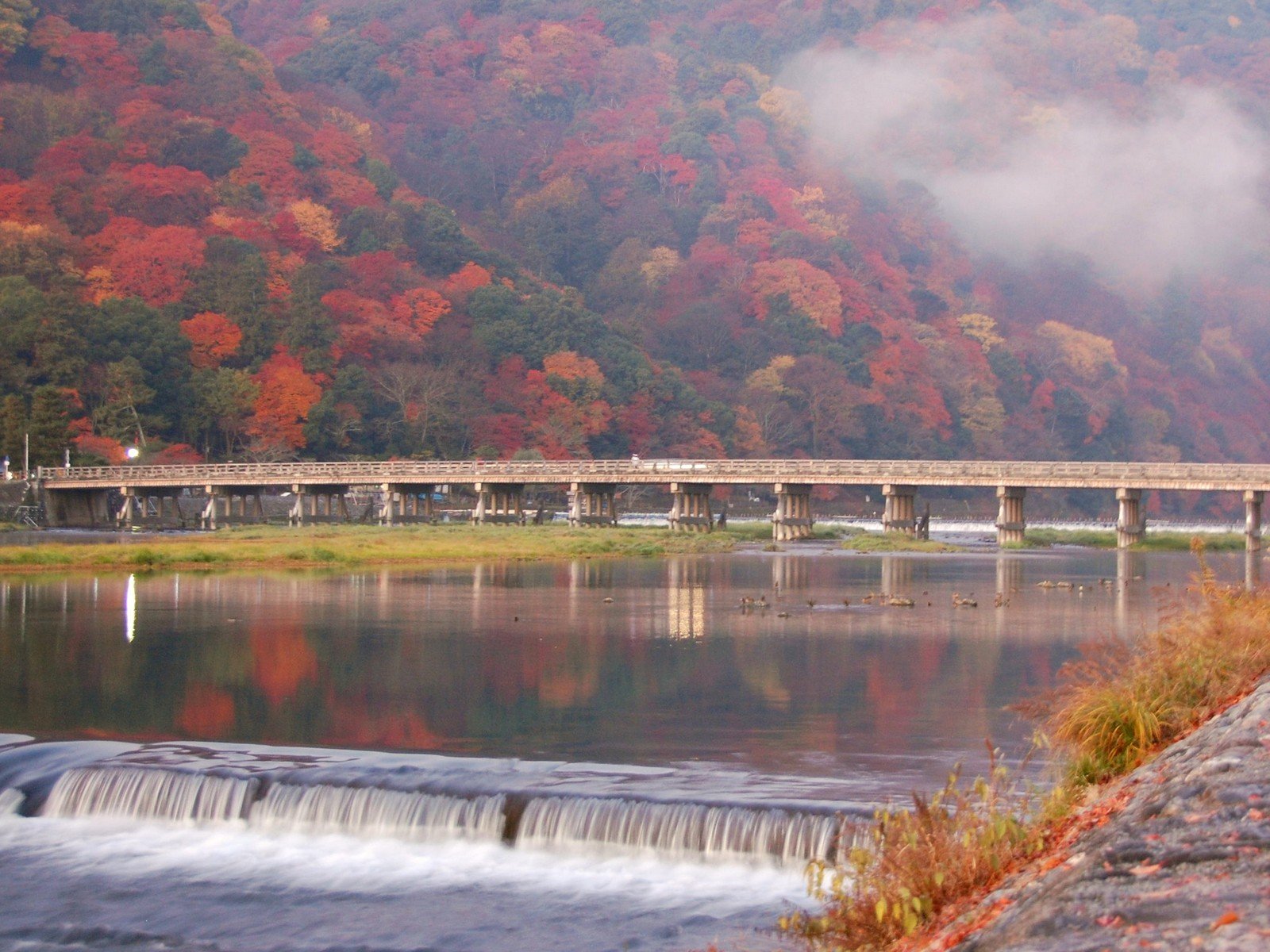
On the Oi River in Arashiyama, the Momiji Festival is usually held on the second Sunday of November and recreates Heian-era aristocratic boating parties — costumed performers drift downriver on decorated boats while musicians and dancers perform on board, with tea-ceremony demonstrations and koto music along the riverbank. Free viewing is possible from the banks near Kameyama Park or Togetsukyo Bridge, though the area fills in early, so arriving by mid-morning is worth it if you want an unobstructed view; paid seating closer to the boats requires reserving well ahead. One quirk worth knowing: the festival usually runs a little before the river’s actual foliage peak, so if full color matters more to you than the festival itself, the following weekend or two is typically the safer bet.
Evening Illuminations Through Late November
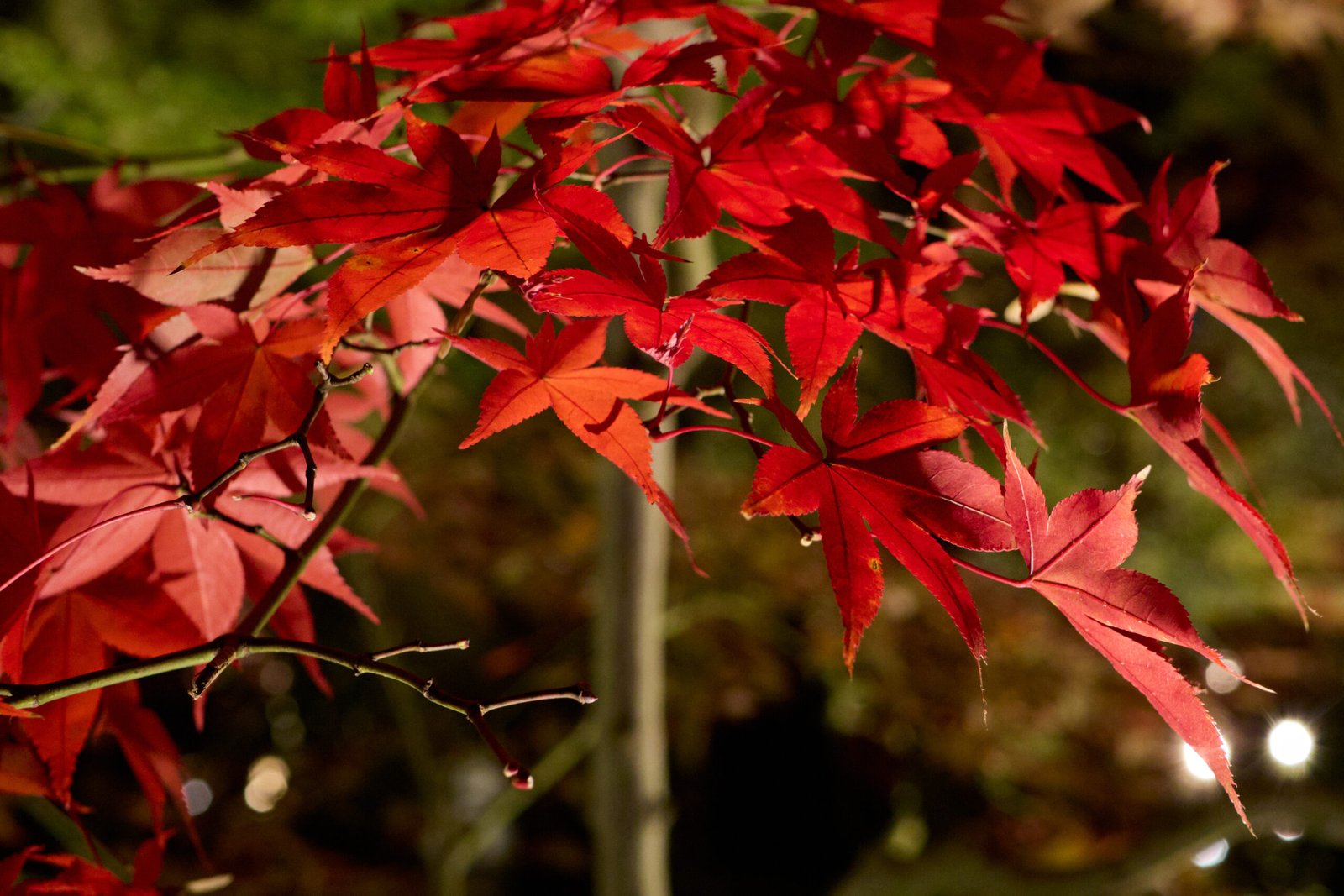
As the month goes on, several of the city’s best-known autumn spots extend their hours into the evening and light the grounds for nighttime viewing — Eikando and Kiyomizu-dera are the two names that come up most often, typically running from the middle of the month into early December. Crowds thin out slightly after dark compared to peak daytime hours, though “thin out” is relative in late November, and the light-up events usually charge their own separate admission on top of, or instead of, the daytime ticket. Our Kyoto Autumn Illuminations guide has more on which temples do this each year and what to expect once you’re inside after dark.
Navigating the Crowds
November rewards an early start more than any other month on this site. Arriving at a major temple right at opening time, rather than mid-morning, is often the difference between a clear shot of a garden and a sea of umbrellas and raised phones. Weekdays are calmer than weekends throughout the month, and the final two weeks — when foliage is closest to peak — are consistently the busiest and most expensive for accommodation, so booking well ahead matters more here than in any other month. The subway tends to be a more reliable way to move around on festival days and weekends than the bus network, which slows down considerably in the areas everyone is trying to reach at once.
Pairing It With the Rest of Your Trip
If your dates are flexible, it’s worth weighing November’s full-color payoff against October’s calmer, cheaper alternative — our Kyoto in October guide covers that quieter month in more detail if smaller crowds matter more to you than peak color. For the broader rhythm of how the season unfolds, the Kyoto Autumn Foliage guide and Kyoto Autumn Illuminations guide linked above both go deeper into specifics touched on briefly here. And for how November stacks up against the rest of the year more generally, our Best Time to Visit Kyoto guide puts the month in context.
If your trip runs past the end of the month, my guide to Kyoto in December covers the winter light-ups and end-of-year events.
Bottom Line
November is Kyoto at its most photogenic and its most crowded, and there’s no real way around the second part if you want the first. Coming with realistic expectations — booked accommodation, an early alarm, and a plan that doesn’t hinge on hitting one exact peak date — goes a long way toward making the month feel like the reward it’s supposed to be rather than a logistics exercise.