Kyoto City KYOCERA Museum of Art: A Practical Guide to Kyoto’s Grand Old Art Museum, Reborn
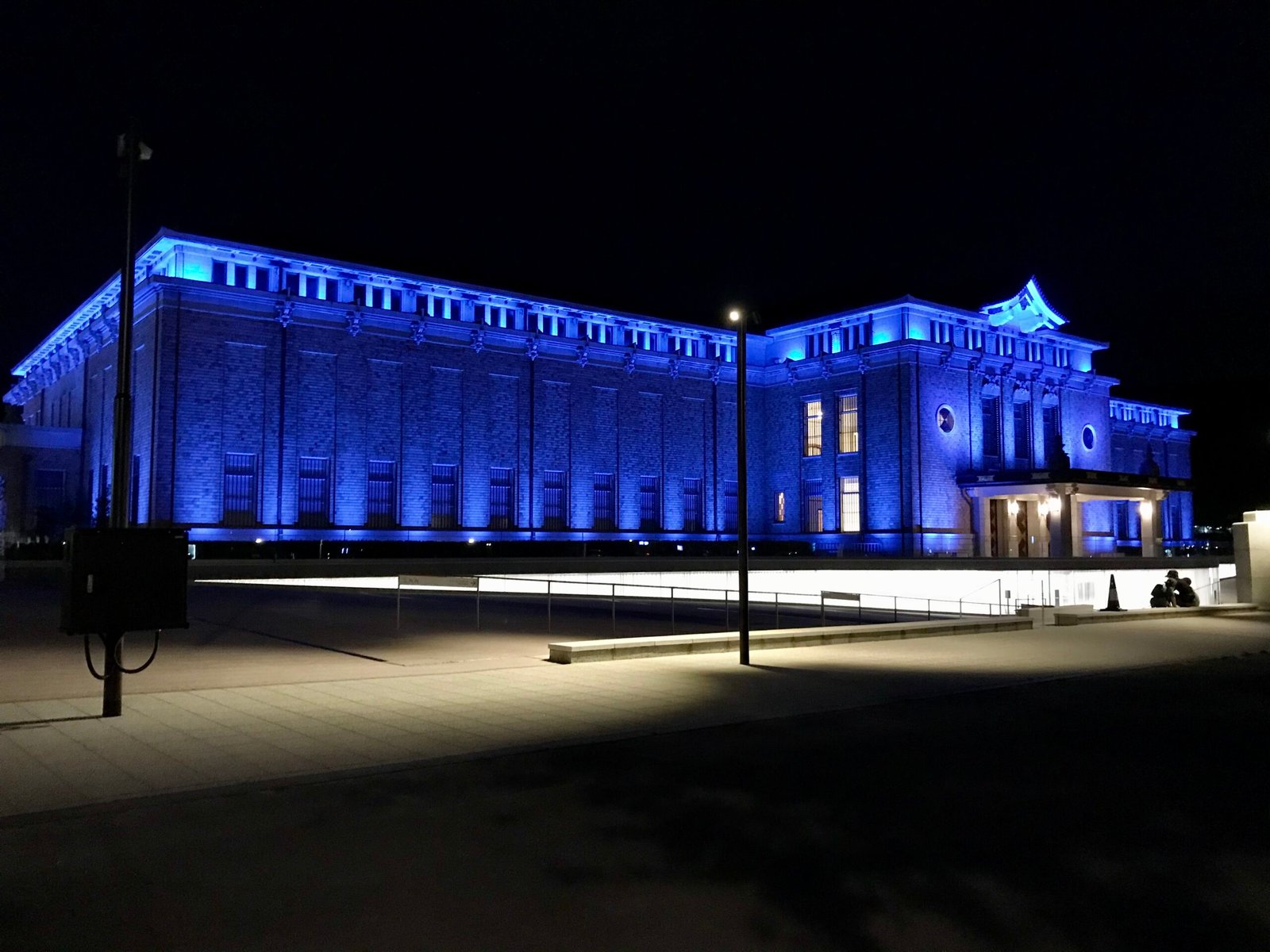
Walk a few minutes east from the vermillion torii of Heian Jingu and the plaza of Okazaki Park opens up, flanked by a long stone building with the kind of symmetrical, tile-roofed weight that marks nearly every major public structure Japan put up in the early 1930s. This is the Kyoto City KYOCERA Museum of Art, and for nearly a century it has done roughly the same job: give Kyoto’s own painters a stage that did not depend on Tokyo. A 2020 renovation added a corporate name and a glass-walled wing, but the marble stair and coffered ceiling inside the main hall are the same ones that have greeted visitors since 1933.
The Essentials at a Glance
| What | Details |
|---|---|
| Address | 124 Okazaki Enshoji-cho, Sakyo-ku (main building); the annex is a short walk away at 13 Okazaki Saishoji-cho |
| History | Opened in 1933, tied to Emperor Hirohito’s enthronement; renovated and renamed in 2020 |
| Hours | 10:00am–6:00pm, last entry 5:30pm |
| Closed | Mondays (unless a public holiday, in which case the following weekday), and December 28–January 2 |
| Admission | 730 yen for the Collection Room; special exhibitions are ticketed separately, and the lobby and garden-facing areas are free to enter |
| Visit length | 1–2 hours for the permanent collection, longer with a special exhibition |
| Access | Bus stop “Okazaki Koen Bijutsukan/Heian Jingu-mae,” served by routes from Kyoto Station, Kawaramachi, and Sanjo |
An Imperial Commission That Became Kyoto’s Own
The museum opened in 1933 as a commemorative project tied to Emperor Hirohito’s enthronement several years earlier, which makes it, by most counts, one of the oldest public art museums anywhere in Japan. What has mattered more over the decades, though, is what the building became rather than why it was funded: a dedicated home for Kyoto’s own circle of painters, at a time when national attention tended to default to Tokyo. Exhibition halls of this kind historically hosted the juried shows that functioned as the main pipeline for a Nihonga painter’s career, and while what hangs in the Collection Room today draws more from the museum’s own acquisitions than from any single annual exhibition, the permanent collection still reflects that founding purpose. It leans toward Nihonga — the Kyoto-rooted school of Japanese-style painting — and toward Kyoto-connected modern and contemporary work more broadly. Takeuchi Seiho, one of the defining Nihonga painters of the early twentieth century, is among the artists represented.
Old Facade, New Wing
The building that greets you from the plaza — the broad stone facade, the tiled roof, the slightly severe symmetry — is unchanged from 1933. What is new is largely behind and below it. A renovation led by the architects Jun Aoki and Tezzo Nishizawa added a glass-walled extension that tucks additional gallery space into what used to be an open garden area, visible through tall windows as you approach from the side facing the Lake Biwa Canal. The museum reopened in the summer of 2020, briefly under a reservation-only system limited to Kyoto Prefecture residents during the early months of the pandemic, before settling into the regular hours it keeps today. The renovation also came with naming rights sold to Kyocera, the Kyoto-founded ceramics and electronics company, which is why the full name now runs a little longer than most visitors expect, and a little differently on the building itself than it does in most guidebooks.
What’s Inside
The Collection Room holds the museum’s own permanent holdings and is the part covered by the standard 730 yen ticket. Special exhibitions, which rotate through the main galleries and sometimes spill into the annex, are ticketed on their own and vary a good deal in scope — anything from a single Kyoto-born painter’s retrospective to a borrowed show built around a broader theme or era. Photography is generally not permitted inside the exhibition rooms themselves, though the lobby, stairwell, and garden-facing corridors are usually fair game if you want a record of the building rather than the art. If you are planning a visit around a specific show, it is worth checking the museum’s own listings before you go, since the special exhibition calendar changes several times a year and the Collection Room’s own rotating displays shift along with it.
A Quieter Stop in a Busy Neighborhood
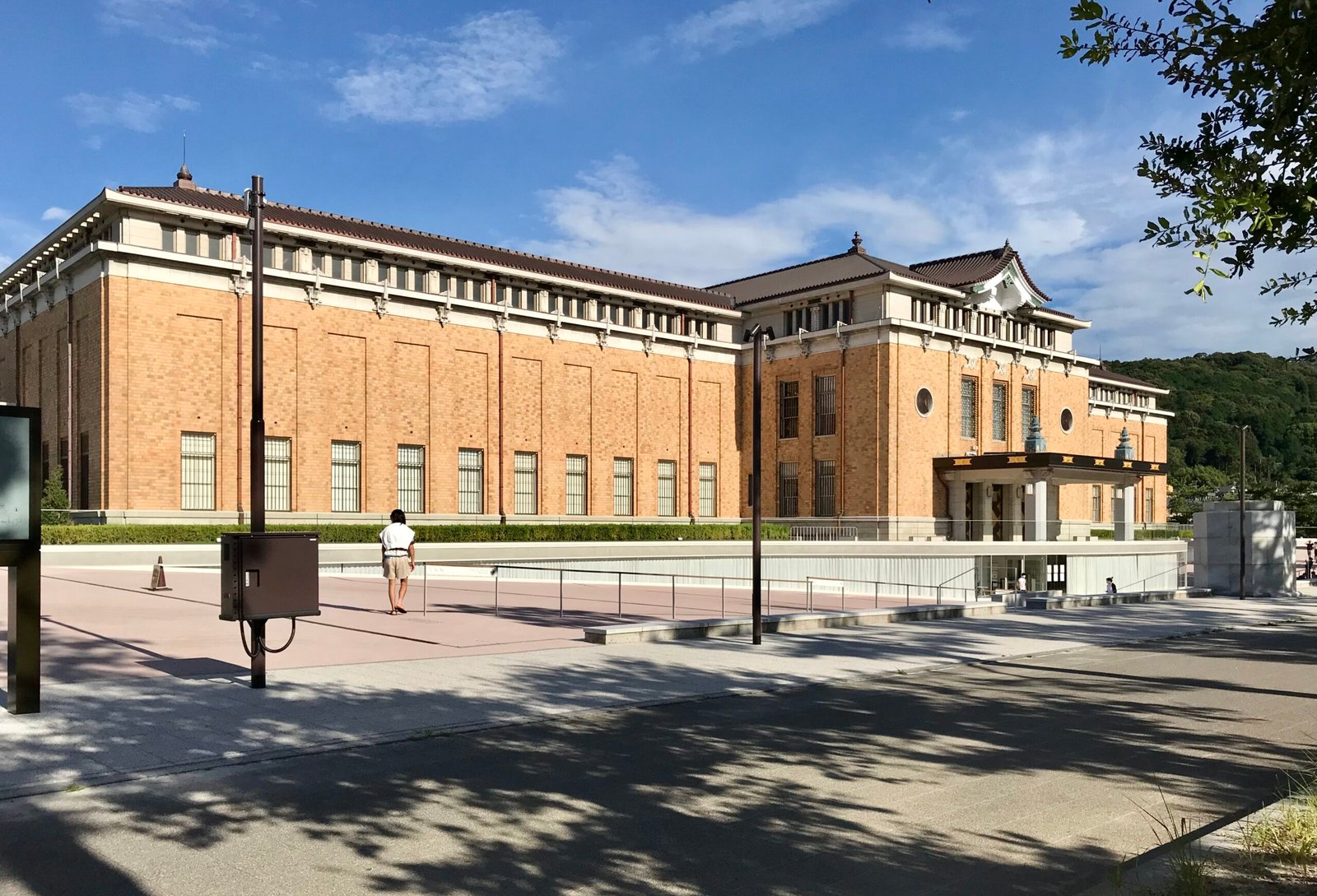
Okazaki is not a quiet part of Kyoto — Heian Jingu, the zoo, and the Lake Biwa Canal Museum all sit within a few minutes’ walk, and tour groups move through the area steadily for most of the day. The art museum tends to be the exception. Weekdays especially, the galleries are calm enough that you can take your time in front of a single painting without a crowd building up behind you, which is not something you can say about most of Kyoto’s better-known sights in October and November. The building itself is worth a second look after dark, too — the glass additions light up in a way the original 1933 facade never could have, a small, literal illustration of the renovation’s whole premise: an old civic building learning to do a new job without losing the old one.
Pairing It With the Rest of Your Trip
The museum’s location does most of the planning for you. Heian Jingu is close enough to see from the plaza, and the canal-side walk toward Nanzen-ji and the start of the Philosopher’s Path begins just a few minutes north, making this a natural first or last stop on an Okazaki-to-Higashiyama afternoon. If museums specifically are what you are after, it is worth comparing this one against the Kyoto National Museum on the other side of the city: the National Museum leans toward pre-modern temple treasures and archaeology, while this one is squarely about the art Kyoto itself produced over the last century, which makes a reasonable case for visiting both if you have the time to spare.
Getting There
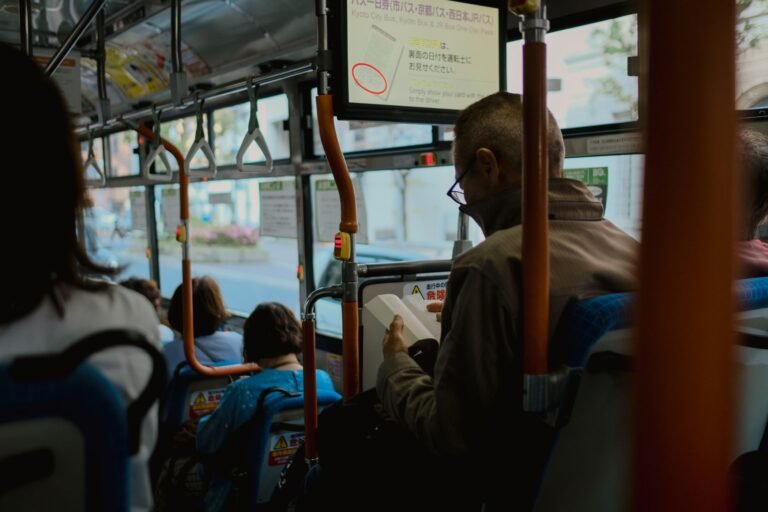
The closest stop is “Okazaki Koen Bijutsukan/Heian Jingu-mae,” reachable on route A1 (bus 5) or D2 (bus 86) from Kyoto Station, route E (bus 46) or H (bus 5) from Kawaramachi, and route D (bus 5) from Sanjo. There is no subway station within easy walking distance, so the bus is the most direct option unless you are already walking through Okazaki or Higashiyama. If city buses are new to you, Getting Around Kyoto covers IC cards and how the numbered routes fit together.
Bottom Line
Most visitors reach Okazaki for Heian Jingu and keep walking. The KYOCERA Museum of Art rewards the ones who stop: a 1933 building doing a very 2020 job of showing both its age and its renovation at once, with enough Kyoto-connected art inside to justify the ticket on its own terms. It is not a long visit, and it pairs easily with almost anything else in the neighborhood, which makes it one of the easier additions to a Higashiyama day that otherwise fills up fast with temples.