Jikko-in: A Practical Guide to Ohara’s Borrowed-Scenery Garden
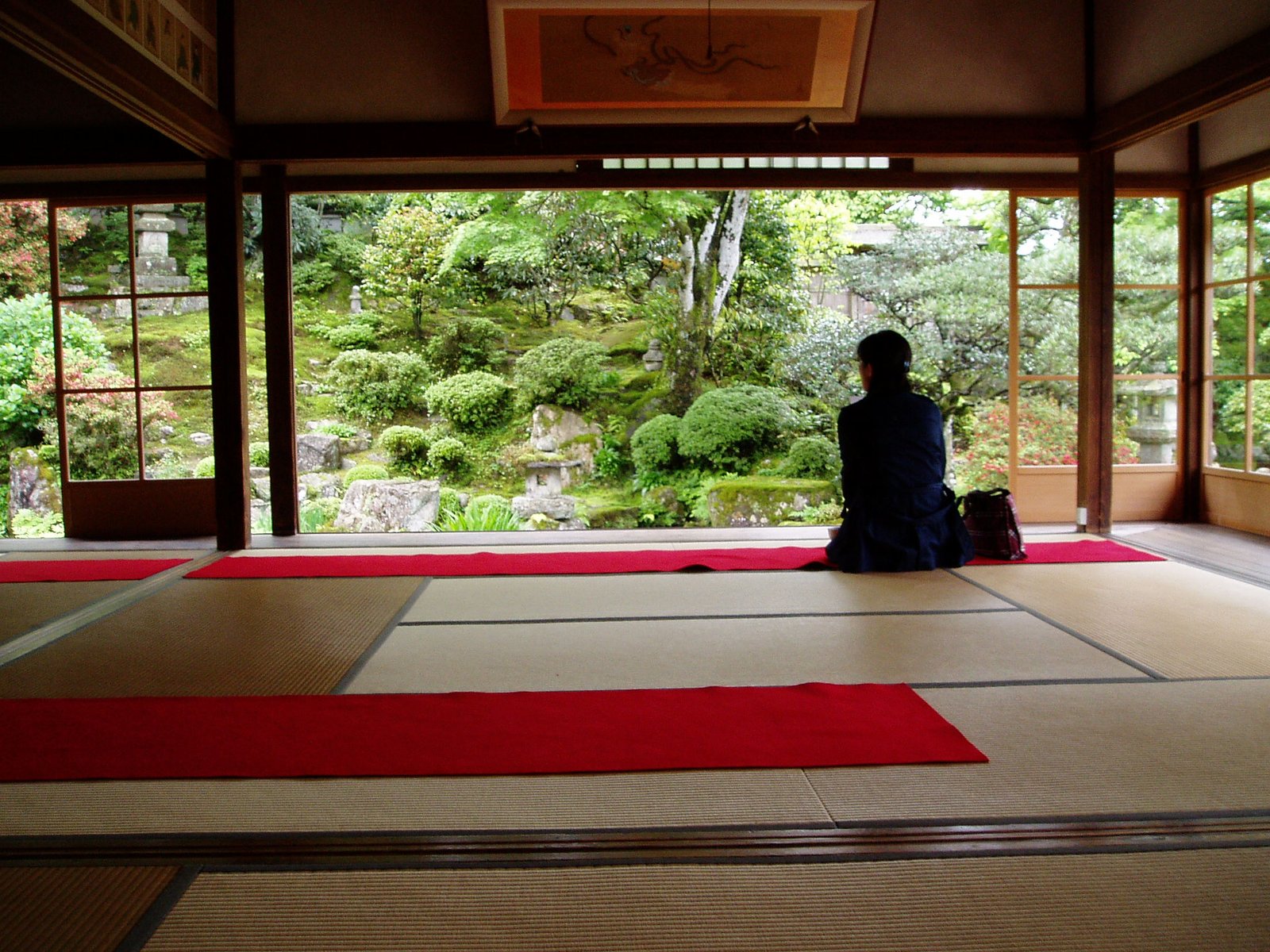
In the small cluster of temples around Sanzen-in in Ohara, Jikko-in is the one most people walk straight past, squeezed onto the path between Sanzen-in and its own parent temple, Shorin-in. It’s a quiet sub-temple built around a single garden, the Keishin-en, framed by a gourd-shaped pond and the real Ohara mountains borrowed into the view behind it, and it’s one of the few temples in the village where you’re meant to sit down with a bowl of matcha rather than just walk through. If Sanzen-in is the reason most visitors make the hour-long bus ride out to Ohara, Jikko-in is the reason some of them end up glad they stayed an extra twenty minutes.
The Essentials at a Glance
| What | Details |
|---|---|
| Location | Ohara, Sakyo-ku, a short walk uphill from the Ohara bus stop, beside Shorin-in |
| Hours | 9am to 4pm (last entry), extended to around 4:30pm in November; open year-round |
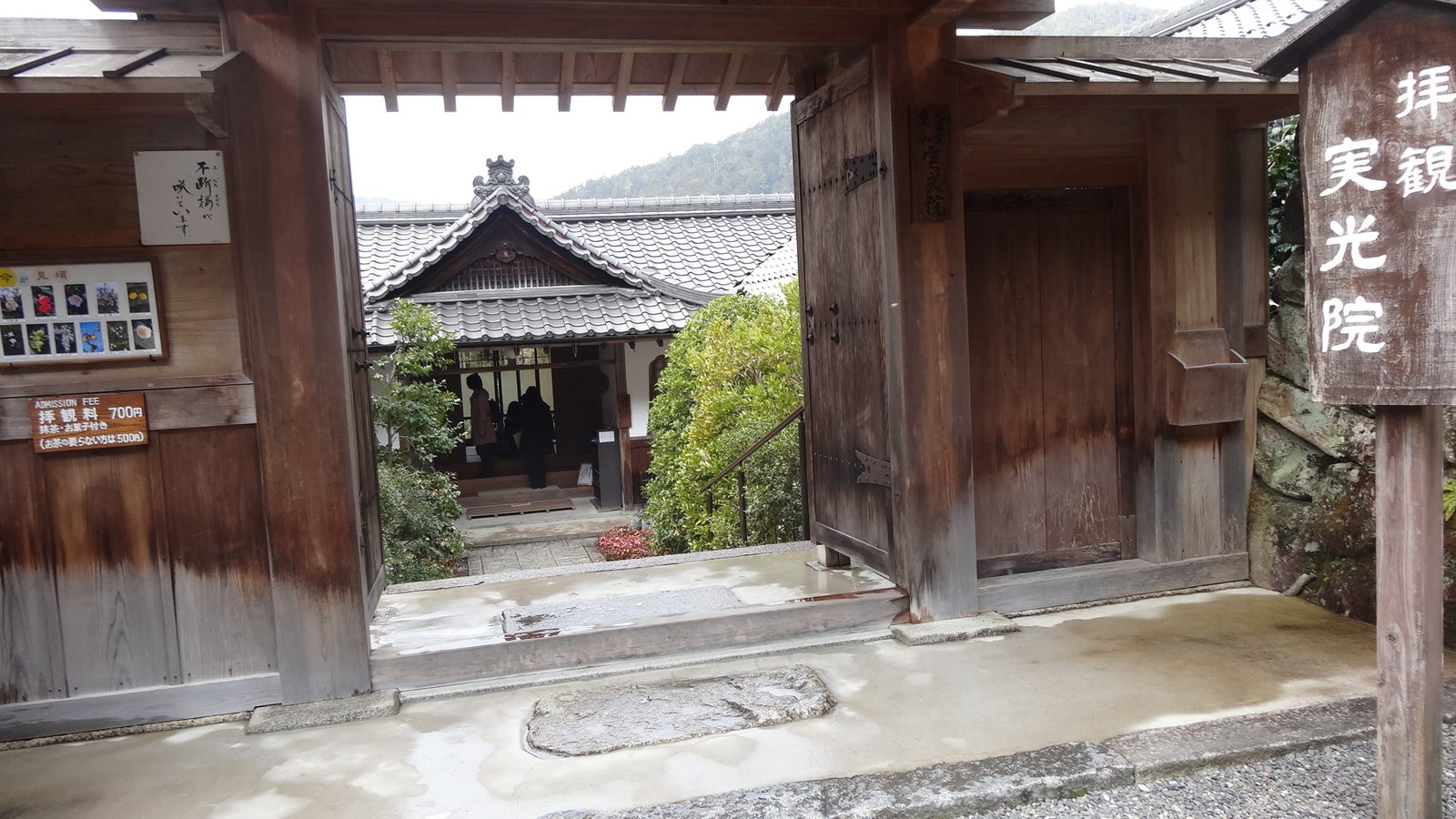
| Admission | Listings vary between roughly 500 and 700 yen for adults; the temple’s own site lists 700 yen, which includes a bowl of matcha and a seasonal sweet, so budget for that figure; a tea-and-sweet-only option without the garden admission runs closer to 300 yen at some listings |
| Affiliated with | Shorin-in, in the Tendai sect, known historically for shomyo Buddhist chanting |
| Main object of worship | A Jizo trinity: a seated Jizo Bosatsu flanked by Bishamonten and Fudo Myo-o |
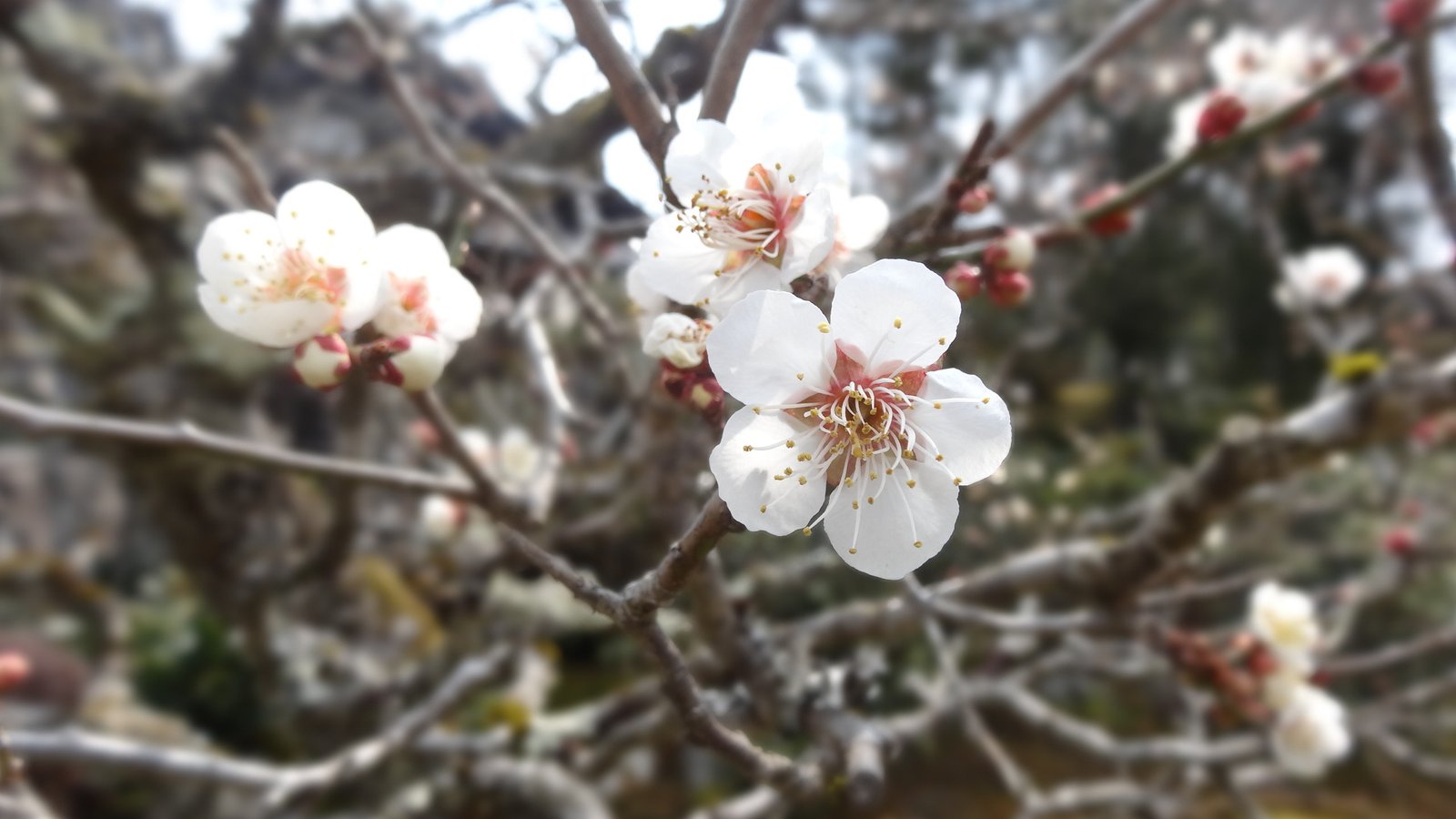
| Main sights | The Keishin-en borrowed-scenery garden and a fudanzakura cherry tree that blooms on and off through much of the year |
| Access | About 10 to 15 minutes on foot from the Ohara bus stop (Kyoto Bus 17 from Kyoto Station, roughly an hour) |
| Pairs well with | Sanzen-in, Hosen-in, and Jakko-in, all within the same village |
A Quiet Sub-Temple With Its Own Long Detour
Jikko-in is formally a sub-temple of the neighboring Shorin-in, and the priests of both temples have historically specialized in shomyo, the tradition of chanted Buddhist liturgy, rather than building up a large temple complex of their own. Jikko-in wasn’t always on its current spot next to Shorin-in: it originally stood near the Ohara Mausoleum, the hillside tombs of Emperors Go-Toba and Juntoku a short walk away, and only moved to its present site in 1919, after which its own abbots took over and expanded the garden that’s now the main reason to visit, adding to it gradually over the following decades rather than laying it out all at once.
Inside the hall, the main object of worship is a Jizo trinity: a seated Jizo Bosatsu, the protector of children and travelers familiar from roadside statues all over Japan, flanked here by Bishamonten and Fudo Myo-o. That’s a less common grouping than the solitary Jizo figures found at many other Kyoto temples, and it reflects Jikko-in’s specific lineage within Tendai Buddhism rather than a generic temple arrangement.
The Keishin-en Garden and Its Borrowed Mountains
The temple’s main draw is the Keishin-en, a garden on the south side of the guest hall built around a gourd-shaped pond and a scatter of rocks gathered from the surrounding hills. The garden leans on a technique called shakkei, or borrowed scenery, in which the real mountains beyond the temple’s low boundary are framed as part of the composition rather than screened out, so the planted garden and the hillside behind it read as a single continuous view. It isn’t a large garden, you can see all of it in a few minutes standing on the veranda, but the sense of openness comes precisely from that borrowed mountain backdrop rather than from any scale of its own.
Matcha, a Seasonal Sweet, and an Ever-Blooming Cherry
Unlike Sanzen-in’s moss gardens, which are built for a slow walk among the trees, Jikko-in is built around sitting down. Visitors take a seat on the guest hall’s veranda, admission typically including a bowl of matcha and a seasonal wagashi sweet, and look out over the pond and borrowed mountains rather than circling the garden on foot, which is as much the point of a Jikko-in visit as the planting itself. Some listings also mention a tea-and-sweet-only option for visitors who skip the temple admission and simply want to sit with matcha on the veranda, worth asking about at the entrance if that is all you are after. The grounds also hold a well-known fudanzakura, a cherry tree that blooms sporadically through much of the year rather than confining itself to the usual two-week spring window, giving Jikko-in an odd little claim to fame among Ohara’s otherwise strictly seasonal gardens.
When to Visit, and Where It Fits Into an Ohara Day
Jikko-in works best as one stop on a longer walk through Ohara rather than a destination on its own: it sits only a minute or two from Sanzen-in, right beside Shorin-in, and the path across the valley to Hosen-in and Jakko-in adds maybe twenty more minutes to a full village loop. Like the rest of Ohara, it draws real crowds during peak autumn foliage, generally mid- to late November, so a weekday morning visit, or simply stopping in after the Sanzen-in crowds have thinned, is the easiest way to get the garden to yourself for a few minutes.
Getting There
From Kyoto Station, Kyoto Bus 17 runs to the Ohara stop in around an hour; from there it’s roughly a 10 to 15 minute walk uphill along the Kusao River path, following the signs for Sanzen-in and continuing just past it to reach Shorin-in and Jikko-in beside it. Our day trip guide to Ohara covers the bus timing and the rest of the village in more detail if you’re planning the whole visit around it.
Bottom Line
Jikko-in isn’t the temple that put Ohara on the map, that’s still Sanzen-in, but it’s the one that rewards slowing down: a few minutes of garden, a bowl of matcha on the veranda, and mountains borrowed into the view for free. Pair it with Sanzen-in and, if you have the afternoon, Hosen-in and Jakko-in across the valley, and Ohara stops being a single stop and starts being a half-day village worth the hour-long bus ride.