A Day Trip to Ohara: A Practical Guide to Sanzen-in and Kyoto’s Mountain Village
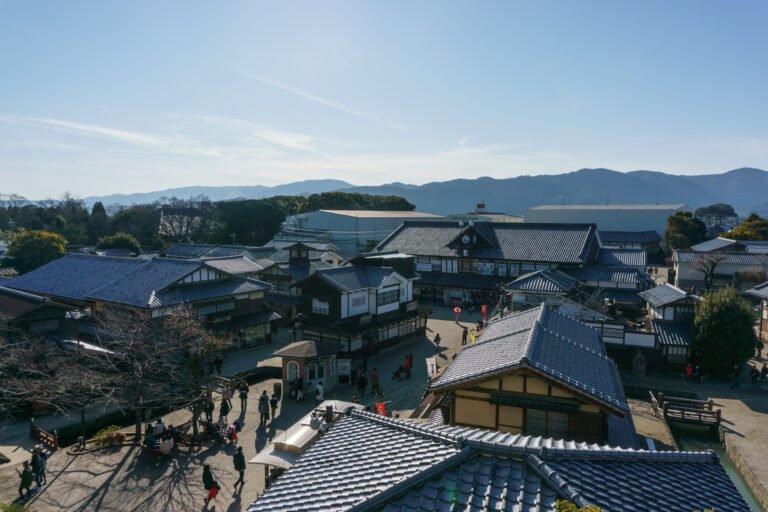
Most first-time visitors to Kyoto never make it to Ohara, and that is exactly the point. Tucked into a narrow valley about an hour north of the city center, this small farming village is home to Sanzen-in, one of Kyoto’s loveliest temple gardens, along with four smaller temples, a forest waterfall, and fields that still grow the vegetables behind one of Kyoto’s most famous pickles.
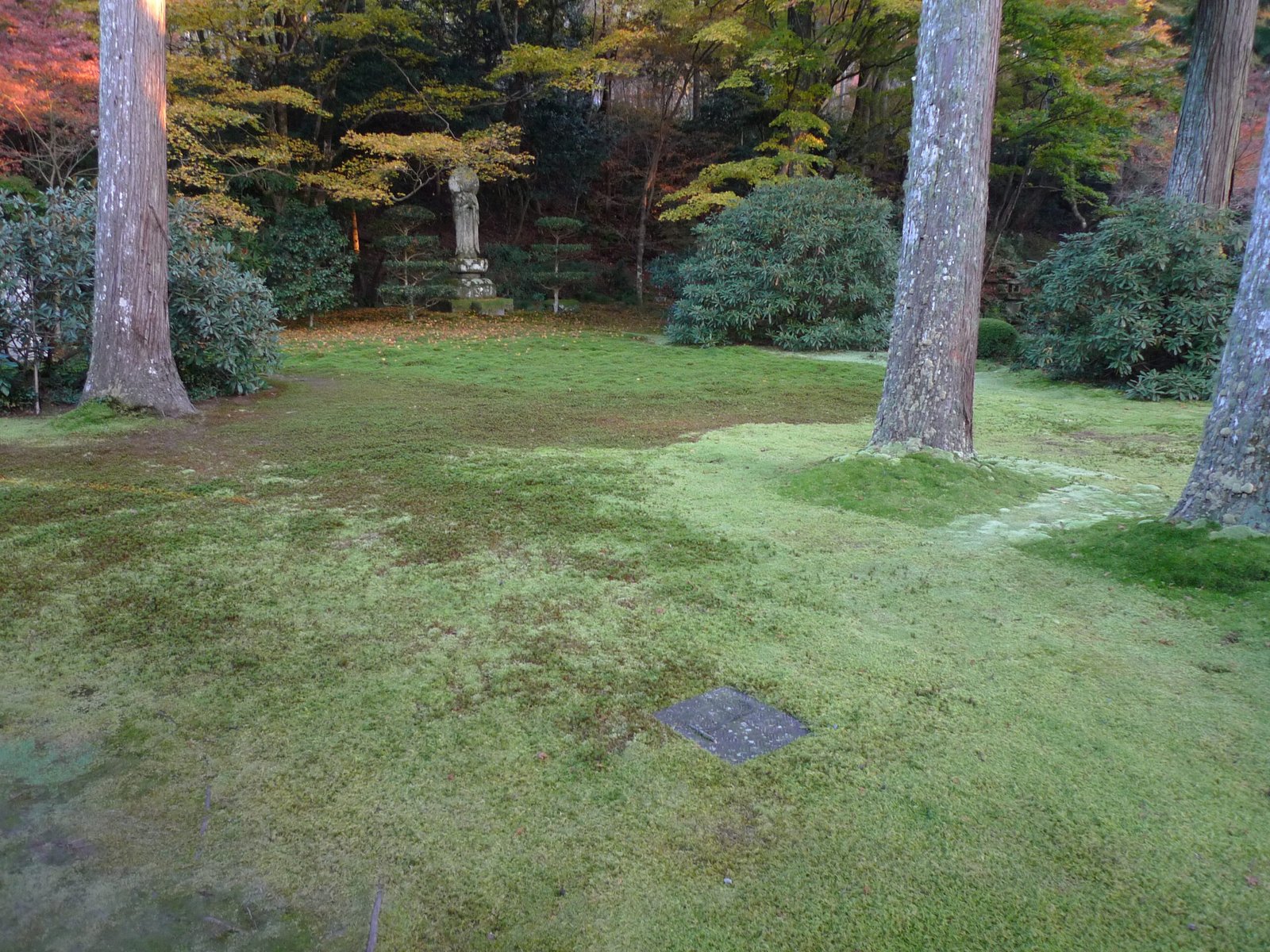
Sanzen-in’s main draw is its moss garden: a thick green carpet beneath towering cedars, dotted with small stone Jizo statues that seem to peek out from between the trees. It rewards slowing down rather than treating it as a quick photo stop, and because Ohara sits far enough from the city to filter out most day-trip traffic, it rarely feels crowded even during peak autumn foliage.
Here is what to see, how to get there, and how much time to set aside.
The Essentials at a Glance
| What | Details |
|---|---|
| Sanzen-in admission | ¥700; open year-round with no closed days |
| Sanzen-in hours | 9:00 a.m.–5:00 p.m. (Mar–Oct), 8:45 a.m.–4:45 p.m. (Nov), 9:00 a.m.–4:30 p.m. (Dec–Feb); last entry 30 minutes before closing |
| Getting there | Karasuma subway to Kokusaikaikan + Kyoto Bus #19 (fastest), or direct Kyoto Bus #17 from Kyoto Station |
| Travel time | About 40–60 minutes from central Kyoto, plus a 10-minute uphill walk from the bus stop |
| Typical visit length | 2–3 hours for Sanzen-in alone; a half day with one or two more temples |
Getting There
Two routes connect central Kyoto with Ohara, both run by the Kyoto Bus network covered in our guide to getting around Kyoto rather than the city subway alone.
The fastest route is the Karasuma subway line north to Kokusaikaikan Station (20 minutes, ¥290), then a transfer to Kyoto Bus #19 bound for Ohara (20 minutes, ¥400, every 30 minutes). The simplest route is Kyoto Bus #17 directly from Kyoto Station (60 minutes, ¥630, every 30 minutes), which skips the transfer entirely at the cost of a longer ride.
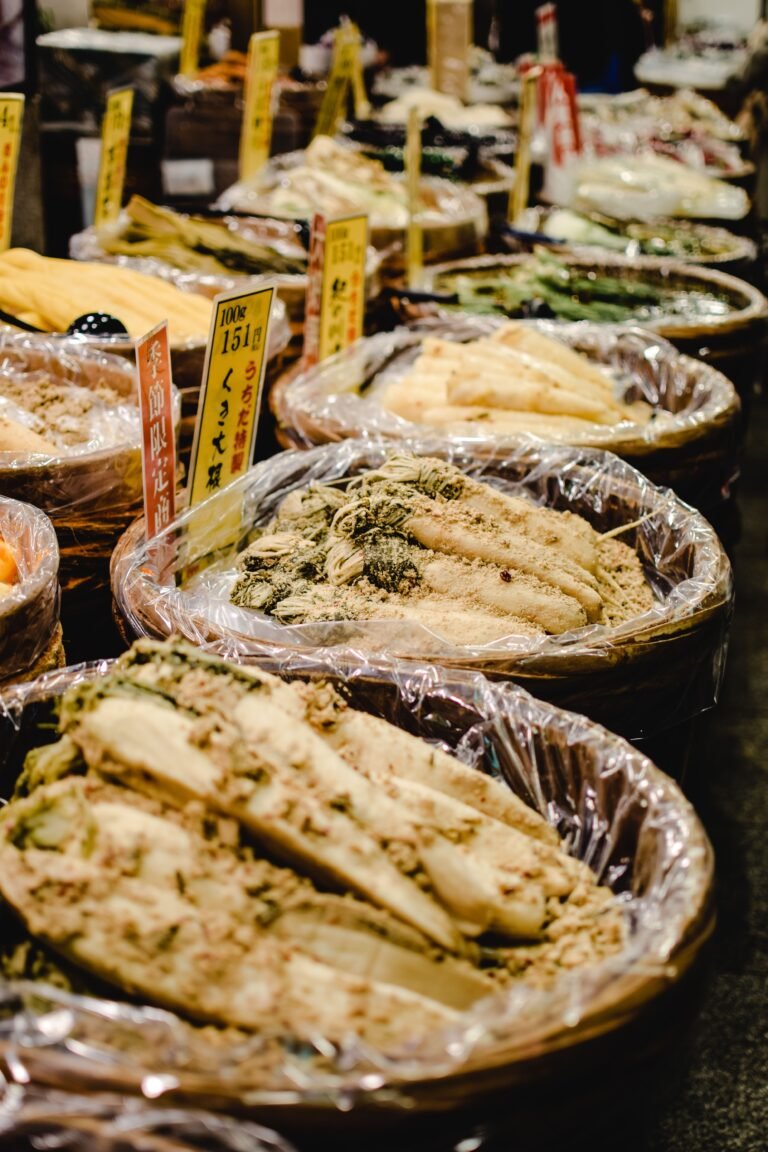
Either way, get off at the Ohara bus stop and follow the signs uphill for about ten minutes to reach Sanzen-in’s gate. The walk passes small shops selling pickles and mountain vegetables, worth a look even if you are not buying.
Sanzen-in Temple
Sanzen-in traces back to a small hermitage founded in 788 by Saicho, who went on to establish the Tendai sect of Japanese Buddhism from his base on nearby Mt. Hiei. The temple gained monzeki status, meaning it was traditionally headed by a member of the imperial family, in 1130, when a son of Emperor Horikawa became its 14th chief priest, and it settled permanently in its current Ohara location in 1871. The name Sanzen-in itself comes from ichinen sanzen, a Tendai concept describing three thousand realms of existence contained within a single moment.
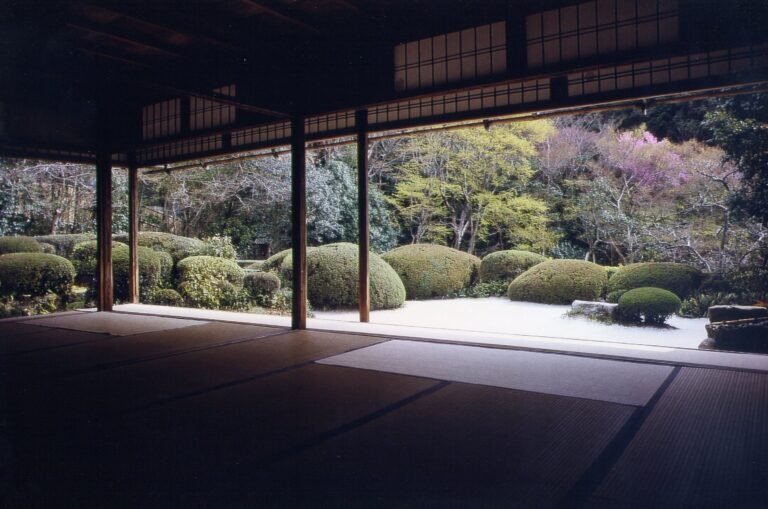
The two main structures on the grounds today are the Kyakuden guest hall, where a dry garden is viewed from tatami seating, and the Ojo Gokuraku-in Hall, first built in 985 and rebuilt in 1143, whose three wooden Buddhist statues are among the oldest of their kind surviving in Kyoto.
The real draw, though, is the moss garden surrounding the Ojo Gokuraku-in Hall. Scattered through the deep green moss are the Warabe Jizo, a set of small, round-faced stone statues carved to look like children at play. They are easy to miss on a first pass, which is half the fun of finding them. Elsewhere on the grounds, visitors have donated rows of miniature Jizo and Kannon statues that line parts of the garden paths, a quieter counterpart to the famous Warabe Jizo.
Other Temples in Ohara
Sanzen-in gets the crowds, but four smaller temples share the valley and rarely see more than a handful of visitors at a time.
Jakko-in. On the opposite hillside from Sanzen-in, this former imperial nunnery is reached by a long staircase that is especially striking in autumn. It became a retreat for Empress Kenreimon-in after the fall of the Taira clan in the 12th century, and legend credits her with naming shibazuke, the purple eggplant and red shiso pickle now sold across Kyoto, after tasting a version of it made by Ohara’s villagers during her time there. The current buildings are a 2005 reconstruction following a 2000 arson fire, but the site’s history remains its main draw.
Hosen-in (¥900) is built around a roughly 700-year-old pine tree, trained and pruned into the shape of Mt. Fuji and framed by the temple garden like a living painting. Jikko-in (¥600) has a smaller, calmer pond garden with flowering plants through the seasons. Shorin-in (¥300) and Raigo-in (¥400) are the quietest of the group, both set back in the forest and easy to have almost entirely to yourself.
If you have time after the temples, Otonashi Waterfall is a scenic ten-minute walk further into the forest, a good spot to sit for a few minutes before heading back to the bus stop.
When to Go
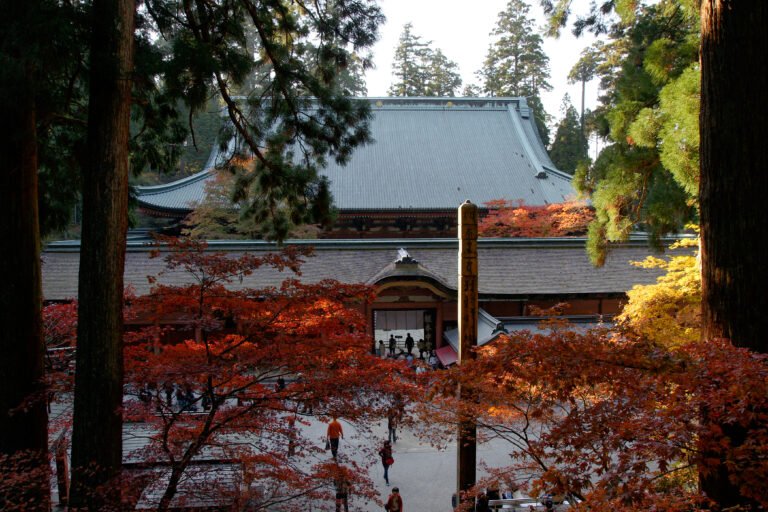
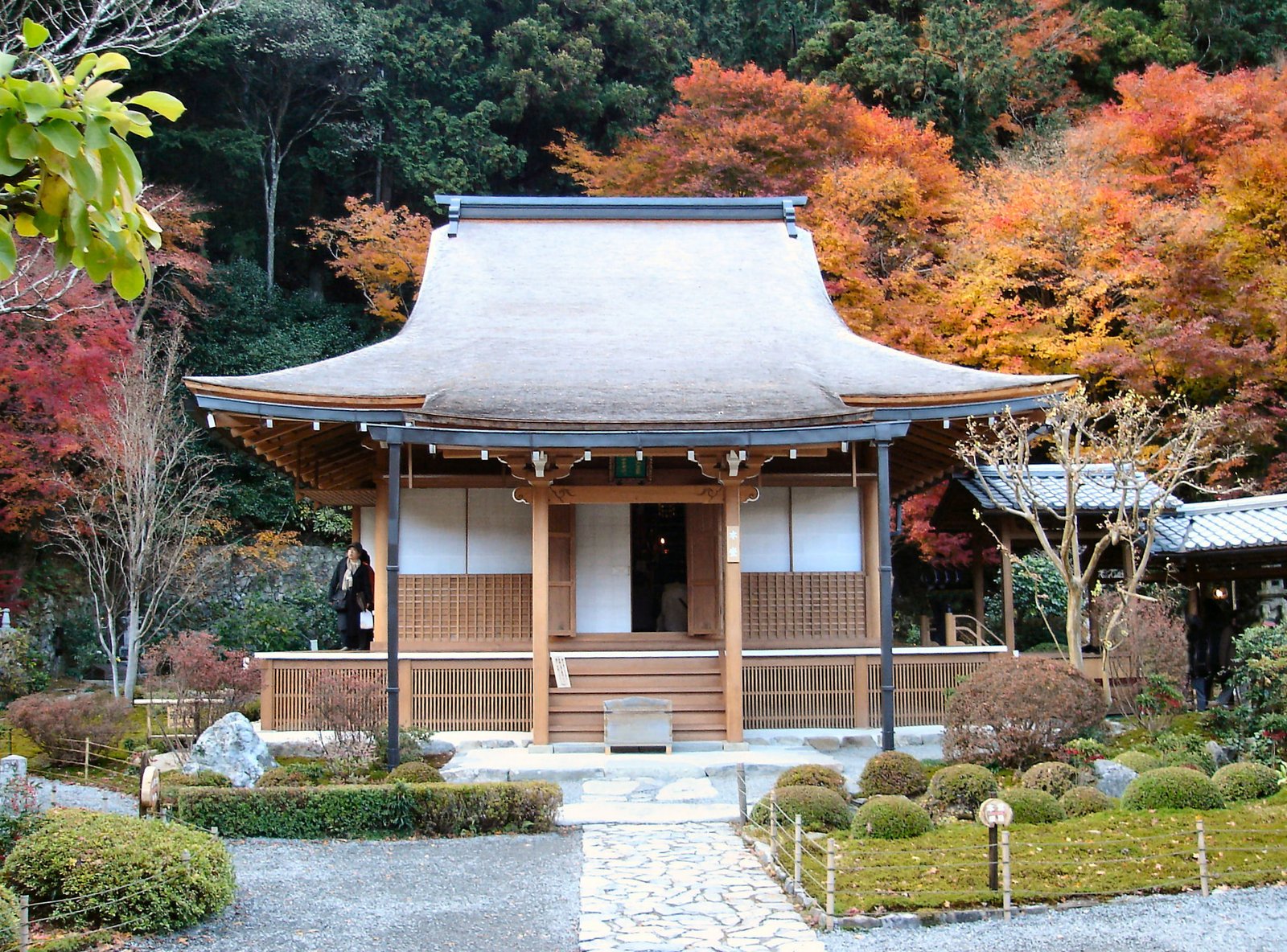
Ohara’s maples turn about a week before central Kyoto’s, typically peaking in mid-November, which makes it a good early stop on a longer autumn trip; see our guide to Kyoto’s koyo season for timing across the rest of the city. Spring and early summer bring fresh green moss and light crowds, and in general Ohara feels calmer than almost anywhere else on a typical Kyoto itinerary regardless of which season you visit in, simply because of the extra travel time required to reach it.
Practical Tips
Most of Ohara’s temples close their gates 30 minutes before their listed closing time, so do not plan on arriving at 4:45 for a 5:00 closing. Look for aisu kyuri, a whole pickled cucumber served cold on a stick, at the shops along the walk up to Sanzen-in, a modern local snack alongside the older shibazuke tradition. A few ryokans in the village offer day-trip packages that pair a hot spring bath with lunch, worth considering if you would rather turn the visit into a slow half day than a quick temple stop.
Ohara is a separate trip from Kyoto’s other mountain-valley day out, the Kurama and Kifune day trip to the north, since the two are reached by different train and bus lines and sit on opposite sides of the hills ringing the city. Pick one per day rather than trying to combine them.
Bottom Line
Ohara rewards the extra travel time with something increasingly rare close to central Kyoto: a temple garden you can actually sit in quietly. Budget half a day for Sanzen-in and Jakko-in, or a full day if you want to work through all five temples and the waterfall walk at an unhurried pace.