Eikan-do: A Practical Guide to Kyoto’s Temple of Maple Leaves
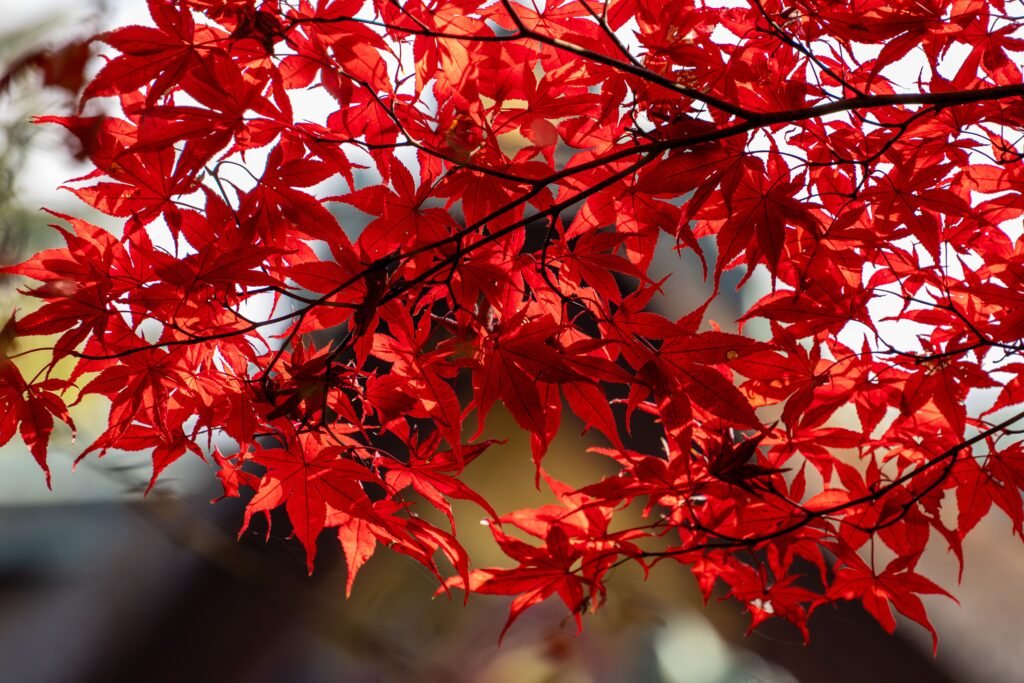
Eikan-do’s formal name is Zenrin-ji, but almost nobody in Kyoto calls it that. Locals know it as ‘Momiji no Eikandō’ — Eikan-do of the maple leaves — and in November the temple backs up that reputation with one of the densest concentrations of maple trees in the city, wrapped around a pond and connected by covered wooden walkways that let you see the color without getting wet.
This guide covers the temple’s layout, its unusual statue, and when to visit for the best chance at good color.
The Essentials at a Glance
| What | Details |
|---|---|
| Admission | ¥600 normally; ¥1,000 during the autumn illumination period |
| Hours | 9:00–17:00 daily (last entry 16:00); extended evening hours during autumn illumination |
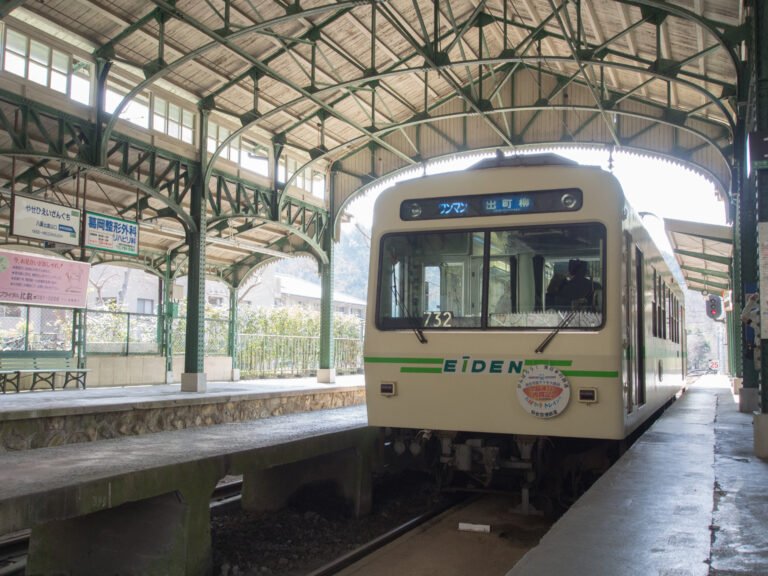
| By bus | City Bus 5 to Nanzen-ji Eikandō-michi, a short walk |
| On foot | About 5 minutes from Nanzen-ji, at the northern end of the Philosopher’s Path |
| Peak season | Mid-to-late November for maple color |
| Typical visit length | 45–90 minutes |
The Garden and Pond
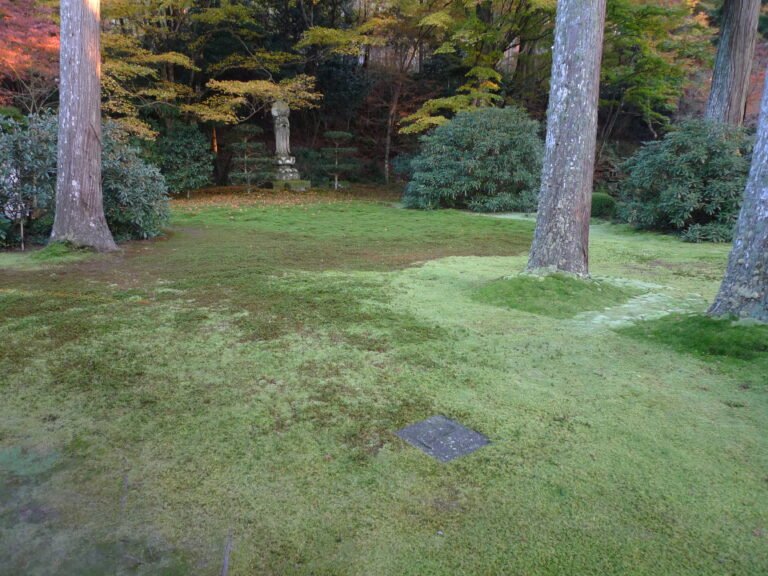
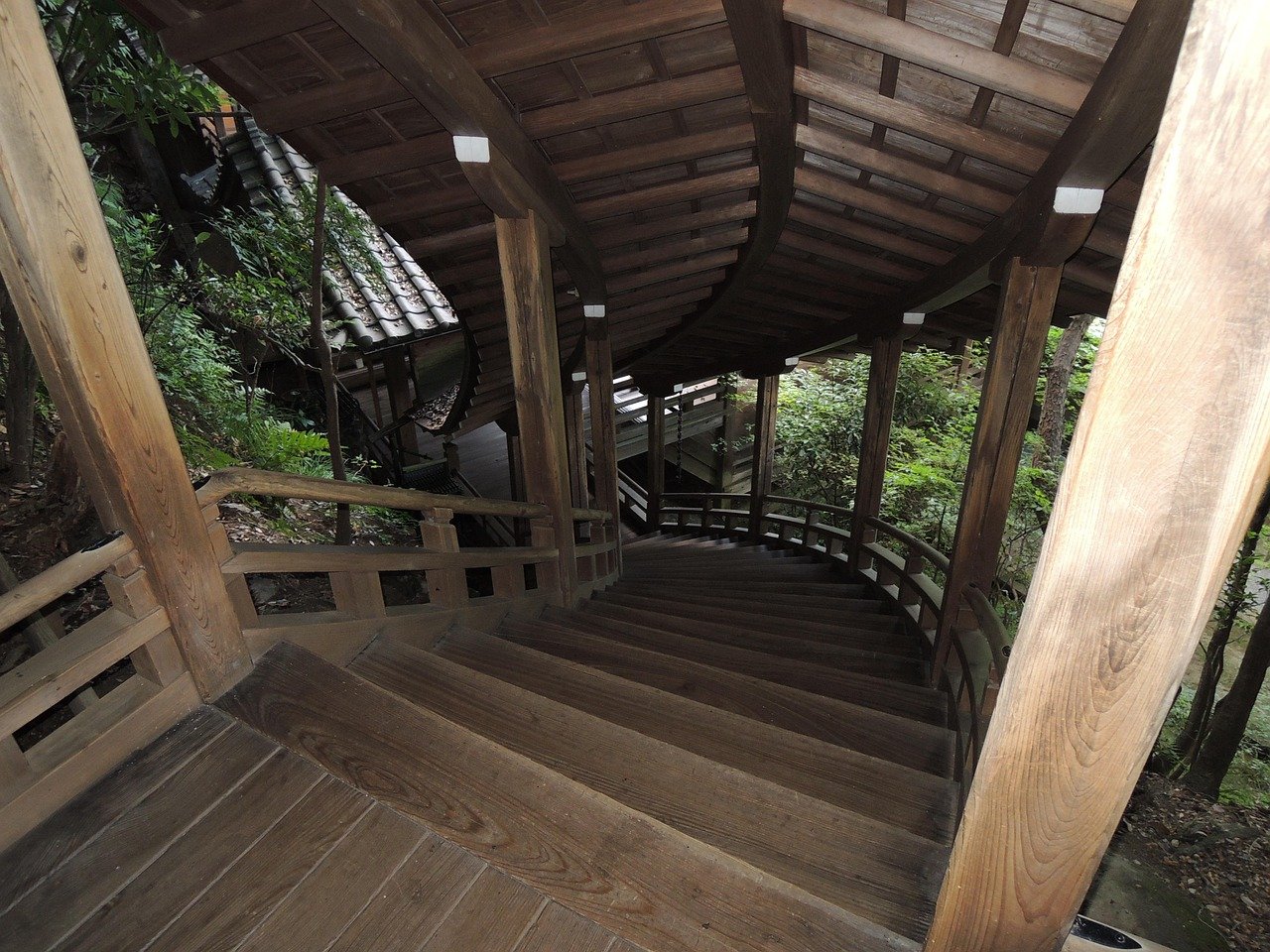
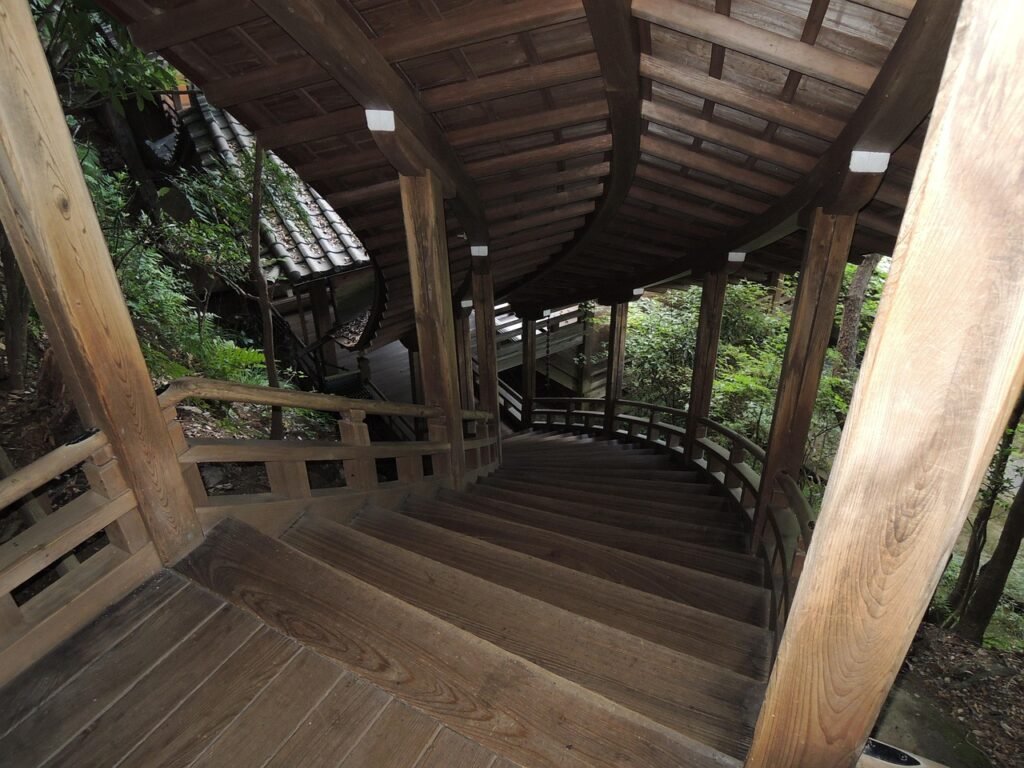
The Hojo-ike pond sits at the center of the temple grounds, surrounded by maples that turn shades of red and orange from mid-to-late November. Covered wooden corridors link the halls around the pond, so the main route through the temple works as a walking gallery of the garden even in wet weather.
Outside of peak color, the same paths still make for a quiet walk — the density of trees means there is a lot of green shade in summer, even without the crowds that November brings.
The Tahoto Pagoda and the View
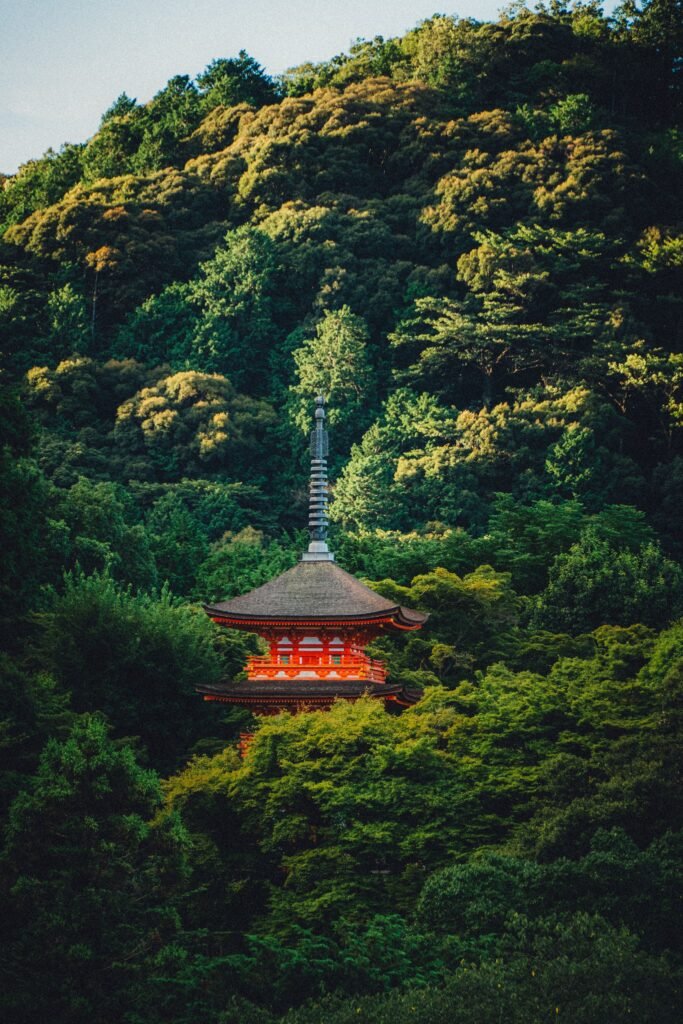
A climb up a steep, narrow set of stairs behind the main halls leads to the Tahoto pagoda, set on the hillside above the temple. The payoff is a view back down over the maple canopy and pond toward the city — one of the better elevated views in the Nanzen-ji area, and a good reason to budget extra time beyond the ground-level halls.
The Looking-Back Amida
The temple’s principal statue, the Mikaeri Amida, is carved with its head turned back over its shoulder rather than facing forward — unusual for a Buddhist statue and the subject of its own temple legend about the Amida turning to check on a lagging follower. It’s a small detail, but it’s the one specific thing most guides tell visitors to look for inside the halls.
When to Go
Color typically peaks in the last two weeks of November, when the temple extends hours into the evening and lights the maples for night viewing at a higher admission price. Outside that window, the garden and pagoda climb are worth a visit on their own, with far smaller crowds and easier access to the covered walkways.
Nearby, If You Have More Time
Eikan-do sits between two of our other guides — Nanzen-ji is a five-minute walk south, and the northern end of the Philosopher’s Path starts right nearby, making it easy to combine all three into one walking route.
Where to Stay Nearby
The Nanzen-ji and Philosopher’s Path area is a quieter, more residential base than central Kyoto but still walkable to several major sights. Our Kyoto neighborhood comparison guide covers how it compares to staying in Higashiyama or downtown.
Bottom Line
Eikan-do earns its nickname — the density of maples around the pond makes it one of the most reliable autumn-color stops in Kyoto, and the pagoda climb adds a view most visitors to the area skip. Pair it with Nanzen-ji and the Philosopher’s Path for a full morning on foot.