A Day Trip to Takao: A Practical Guide to Kyoto’s Three Mountain Temples
Most of Kyoto’s best-known temples sit inside the city, a short walk or bus ride from wherever you’re staying. Takao is the exception. It’s a river valley in the mountains northwest of town, home to three separate temples — Jingo-ji, Kozan-ji, and Saimyo-ji — strung along a stretch of the Kiyotaki River, and getting there takes real effort: a 40-to-50-minute bus ride, then a fair amount of walking and stairs once you arrive.
That effort is exactly why Takao stays quiet even when the city center is packed. It doesn’t have a single headline attraction the way Kiyomizu-dera or Fushimi Inari does, but it has three genuinely worthwhile temples, a rushing river gorge, and, for a few weeks each November, some of the best maple color in the Kyoto area — with a fraction of the crowds you’ll find at Tofuku-ji or Eikan-do.
Here’s how to plan the trip.
The Essentials at a Glance
| What | Details |
|---|---|
| Location | Ukyo-ku, roughly 15 km northwest of central Kyoto |
| What’s there | Three separate temples along the Kiyotaki River valley: Jingo-ji, Kozan-ji, and Saimyo-ji |
| Admission | Around ¥500 each for Jingo-ji and Saimyo-ji; Kozan-ji’s grounds are free, with a ¥1,000 fee to view its famous scroll (plus a ¥500 surcharge during peak autumn weeks) |
| Hours | Jingo-ji 9:00 a.m.–4:00 p.m.; Kozan-ji 8:30 a.m.–5:00 p.m.; Saimyo-ji 9:00 a.m.–5:00 p.m. (last entry 4:30 p.m.) |
| Getting there | JR bus from Kyoto Station (about 50 minutes) or City Bus 8 from Shijo-Karasuma (about 35–40 minutes) |
| Best season | Mid-to-late November for peak maple color; quiet almost any other time |
| Visit length | Half a day for one or two temples; a full day to see all three unhurried |
Getting There
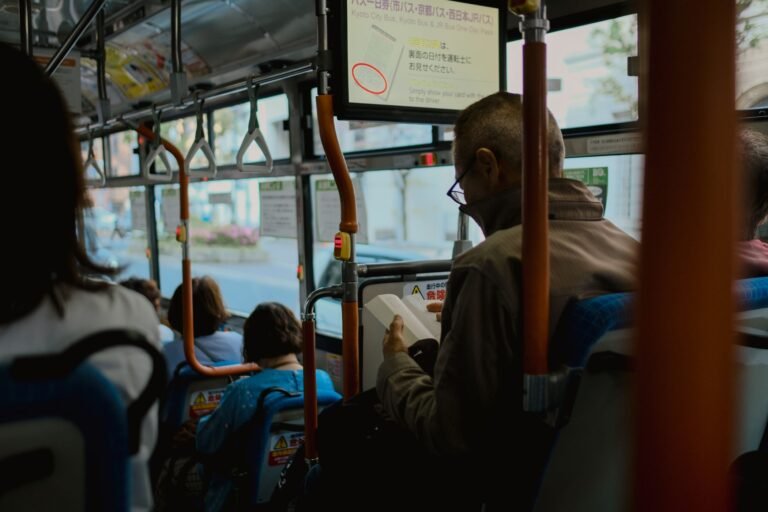
There’s no train or subway option for Takao, so a bus is the only way in. The JR bus (Takao-Keihoku line) leaves from Kyoto Station’s north side roughly every 20–30 minutes and takes about 50 minutes, for a fare somewhere around ¥500–600 one way. It makes three relevant stops in the valley: Yamashiro Takao (a 20-minute walk to Jingo-ji), Toganoo (closest to Kozan-ji), and Makino-o (a five-minute walk to Saimyo-ji).
City Bus 8 is the alternative, running from Shijo-Karasuma in about 35–40 minutes with one or two departures an hour. It’s a reasonable option if you’re staying downtown and don’t need the extra reach of the JR bus, but check the current timetable before you go, since service on both routes thins out later in the day.
Jingo-ji: The Grand Entrance to the Valley
Jingo-ji is the most-visited of the three and usually the first stop, largely because of the long, steep stone stairway that climbs from the valley floor to the temple gate — a proper workout before you’ve seen a single hall. The effort is part of the point: climbing it is traditionally considered to have its own spiritual merit.
The temple’s roots go back to the eighth century, but its most significant chapter came in 809, when Kukai (Kobo Daishi), the monk who founded the Shingon school of Buddhism, arrived and stayed for fourteen years, using Jingo-ji as a base while Shingon practice took shape in Japan. Fire and the chaos of the Onin War later destroyed much of the original complex; the monk Mongaku rebuilt it in the 1180s with backing from a retired emperor and the shogun Minamoto Yoritomo, and most of what stands today dates from a further reconstruction in 1623. The principal hall enshrines a standing Yakushi Nyorai considered one of the finest Buddhist sculptures in Japan.
At the back of the grounds, a platform looks out over the gorge, and this is where Jingo-ji’s best-known ritual happens: you buy a pair of small unglazed clay discs called kawarake and throw them out into the valley, a way of casting off bad luck. It’s a strange, satisfying little ceremony, and one more reason Jingo-ji tends to be the group’s headline stop. Admission is around ¥500, and the temple is open 9:00 a.m. to 4:00 p.m.
Kozan-ji: Japan’s First Comic and a Very Old Tea Garden
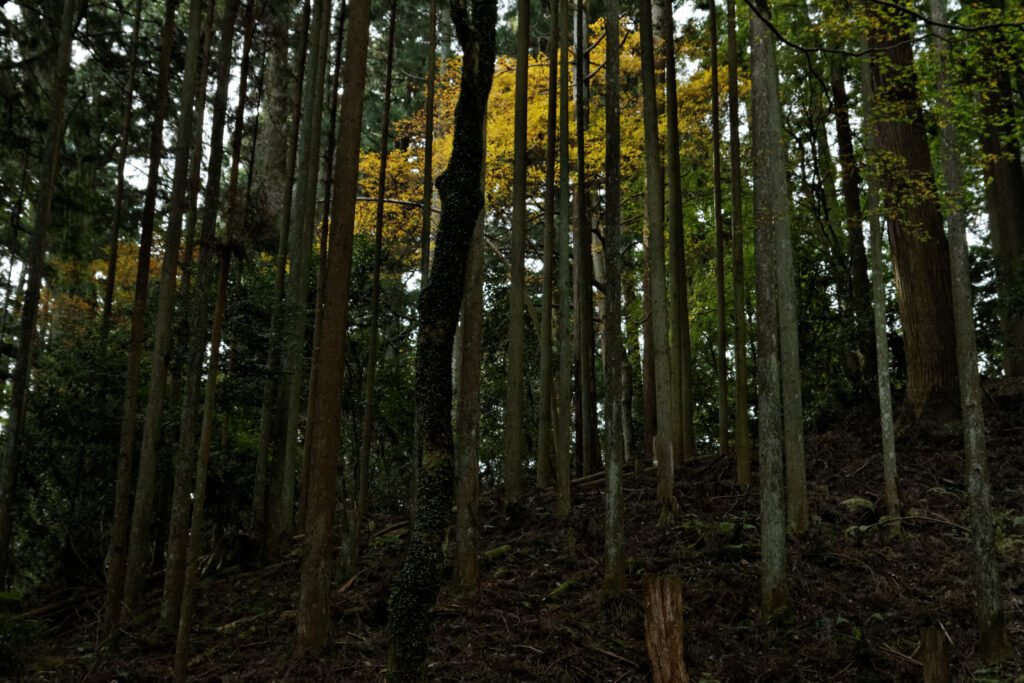
Kozan-ji sits deeper into the mountains behind Jingo-ji, surrounded by cedar and pine, and feels noticeably wilder and quieter than its neighbor. Some accounts trace a temple on this site back to 774, but its real founding came in 1206, when the monk Myoe revived it on land granted by Emperor Go-Toba. It’s now registered as a UNESCO World Heritage site, part of the Historic Monuments of Ancient Kyoto.
Kozan-ji’s biggest claim to fame is the Choju-jinbutsu-giga, a set of playful ink-brush scrolls depicting frogs, rabbits, and monkeys acting out very human scenes — often described as the earliest ancestor of Japanese manga. The originals are usually out on loan to museums in Kyoto or Tokyo, so what’s on view at the temple’s Bunkaido hall is typically a high-quality facsimile; entry to see it runs about ¥1,000, with an extra ¥500 charged during the busiest autumn weeks. The temple grounds themselves are free to enter, and they include what’s said to be the oldest cultivated tea garden in Japan, grown from seeds the Zen monk Eisai is said to have given Myoe. Kozan-ji is open 8:30 a.m. to 5:00 p.m.
Saimyo-ji: The Quiet Middle Ground
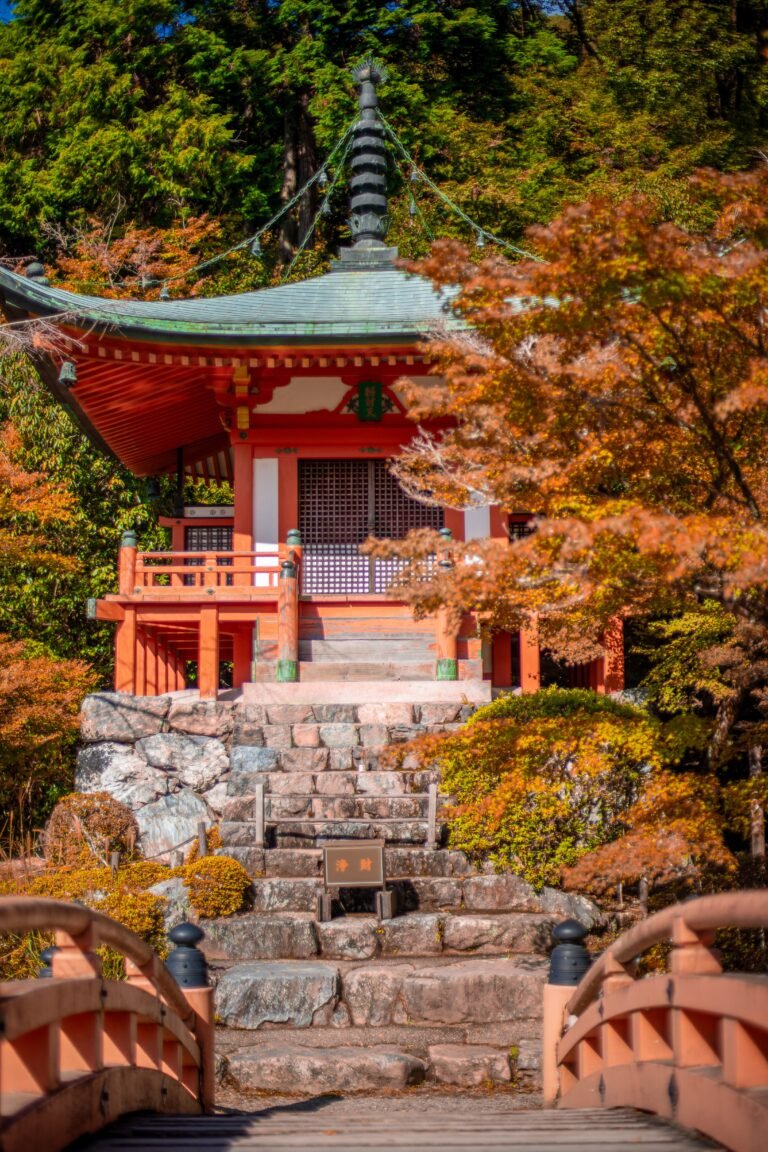
Saimyo-ji started out as a detached sub-temple of Jingo-ji and sits between the other two, reached by crossing the Kiyotaki River on a small vermilion bridge, the Shigetsukyo, that’s one of the valley’s most photographed spots in any season. It’s the smallest and least visited of the three, but that’s part of the appeal — a genuinely quiet pocket temple with a hidden waterfall grotto tucked behind the main hall, azalea blooms in spring, and its own share of maple color in autumn. Admission is ¥500 for adults (¥400 for students), and the temple is open 9:00 a.m. to 5:00 p.m., with last entry at 4:30 p.m.
Planning the Day
All three temples sit within about a 30-minute walk of each other along the same river valley, so most visitors do them as a loop: start at whichever bus stop you land at, work through the temples in order, and catch a bus home from wherever you finish. Starting at Jingo-ji while your legs are fresh makes sense given its stairway, then working down along the river to Saimyo-ji and on to Kozan-ji, though the reverse order works just as well.
Budget half a day if you’re only stopping at one or two temples, or a full day to see all three without rushing. Wear shoes you don’t mind climbing stairs in — there’s no elevator or barrier-free route at any of the three — and carry some cash, since smaller temple offices don’t always take cards. A handful of simple riverside restaurants and tea shops cluster near Saimyo-ji if you want lunch with a view of the gorge. Outside of peak autumn weekends, Takao stays genuinely uncrowded, which is arguably the whole point of coming.
Pairing It With the Rest of Your Trip
Takao is a half-day mountain excursion in the same vein as Mount Hiei and Enryaku-ji, if you’d rather trade central Kyoto’s crowds for cooler air and some climbing. Since it’s a bus-only destination and the two useful routes both take real planning, it’s worth reading our Getting Around Kyoto guide before you head out. If autumn color is the goal, our Kyoto Autumn Foliage guide covers how Takao’s peak timing compares to spots like Tofuku-ji and Eikan-do, and our Best Time to Visit Kyoto rundown is a good starting point for building the rest of your itinerary around it.
Bottom Line
Takao asks more of you than most Kyoto temple visits — a longer bus ride, more stairs, no train shortcut — and pays it back with three temples that don’t feel like stops on anyone else’s itinerary. If you’ve already covered the city’s headline sights and want somewhere with real quiet and a river running through it, this is one of the better ways to spend a day out of the center.