Kyoto Railway Museum: A Practical Guide to Japan’s Largest Train Museum
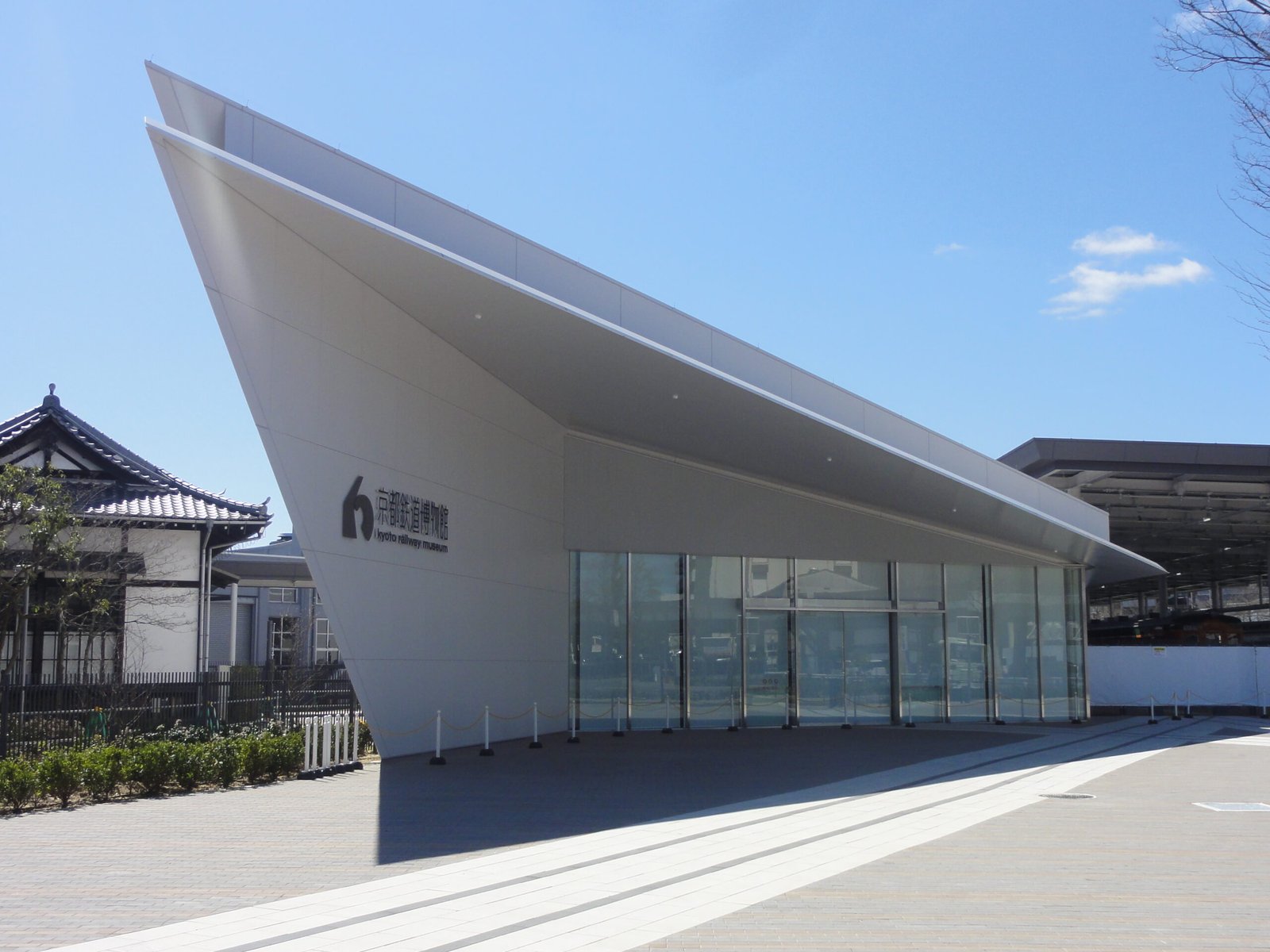
Kyoto has no shortage of places that ask you to slow down and stay quiet. The Railway Museum isn’t one of them. It’s a hangar-sized hall a short walk from Kyoto Station, packed with more real locomotives than anywhere else in the country, and it’s one of the easiest wins in the city if you’re traveling with kids, or just like trains.
The current museum opened in April 2016, built up from the old Umekoji Steam Locomotive Museum that had occupied the same site since 1972, Japan’s railway centennial year. What’s there now spans 31,000 square meters and displays 54 pieces of rolling stock, more floor space and more trains under one roof than the country’s other major railway museums in Saitama and Nagoya, ranging from 1880s steam engines to retired Shinkansen units.
Here’s what’s actually inside, how to get there, and what to know before you go.
The Essentials at a Glance
| What | Details |
|---|---|
| Admission (18+) | ¥1,500 |
| Admission (university/high school) | ¥1,300 |
| Admission (elementary/junior high) | ¥500 |
| Admission (age 3+) | ¥200 |
| Hours | 10:00 a.m.–5:00 p.m. (last admission 4:30 p.m.) |
| Closed | Every Wednesday, plus Dec 30–Jan 1 |
| Address | Kankiji-cho, Shimogyo-ku, Kyoto |
| Getting there | About a 20-minute walk from Kyoto Station, or 2 minutes from Umekoji-Kyotonishi Station on the JR Sagano Line |
| Opened | Current building, April 2016; original site, 1972 |
Getting There
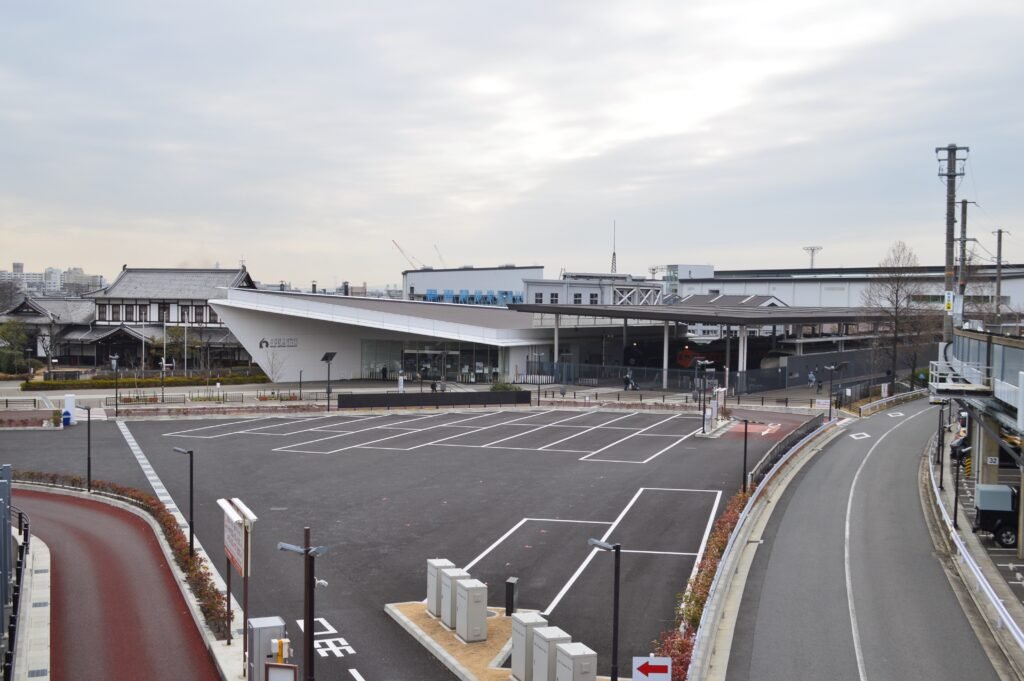
The museum sits about a 20-minute walk west of Kyoto Station’s central exit, a reasonable option if the weather’s decent. Faster is the JR Sagano Line, one stop to Umekoji-Kyotonishi Station, about two minutes’ walk from the entrance. City buses 205 and 208 also run from Kyoto Station to the Umekoji Koen stop in around ten minutes, a three-minute walk from there, and rapid buses 104 and 110, or routes 86 and 88, stop even closer at Umekoji-koen/Kyoto Railway Museum-mae. Keihan Kyoto Kotsu buses 2, 14, 15, 26, 26B, and 28A cover the same route from a different direction.
The Roundhouse, and an Actual Working Steam Train
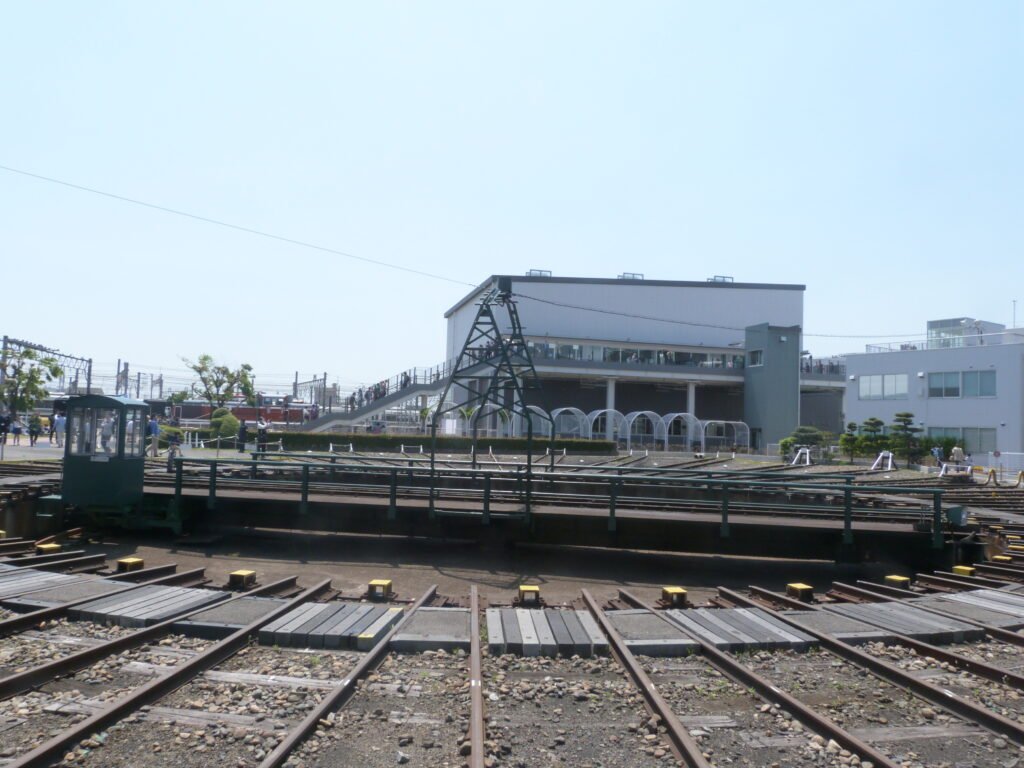
The centerpiece of the museum is a 1914 roundhouse, a circular engine shed built around a turntable, and it’s a genuine piece of railway history rather than a reconstruction: it’s designated an Important Cultural Property, and it’s the oldest reinforced-concrete car shed still standing in Japan. Steam locomotives are parked here in a wheel formation around the turntable, and one of them actually runs. For ¥300 (¥100 for children age 3 through junior high), visitors can ride a real steam train on a short loop around the yard. Tickets are sold at machines on the Steam Locomotive platform when the museum opens each day, and boarding starts about ten minutes before departure.
What Else Is Inside
Beyond the roundhouse, the main hall and the Promenade area cover the rest of Japan’s rail history in far more depth than a quick glance suggests, including 0, 100, and 500 series Shinkansen units, retired diesel and electric locomotives, and passenger and freight cars going back to the 1880s. The former Nijo Station building, relocated onto the grounds, now serves as the museum’s exit and gift shop, a nice bit of railway history doing double duty. If you or your kids want to actually operate something rather than just look at it, driving simulators for both conventional trains and the Shinkansen are available, but they require an electronic ticket bought online in advance; the museum doesn’t sell simulator tickets on-site or accept cash for them.
Before You Go
The museum is closed every Wednesday, plus the year-end and New Year stretch from December 30 through January 1, so it’s worth checking before building a day around it. Hours run 10:00 a.m. to 5:00 p.m., with last admission at 4:30 p.m., which is enough time to see most of the museum but tight if you also want the steam train ride and a simulator session, so it’s worth deciding what matters most before you arrive. Bring cash or a card for general admission and the steam ride, but book any simulator time online before you leave your hotel.
Pairing It With the Rest of Your Trip
The museum’s location right by Kyoto Station makes it one of the simplest half-day add-ons in the city, easy to slot in before checking out or right after arriving. It also sits reasonably close to Nijo Castle if you want to build a fuller day around the western side of downtown Kyoto. If you’re traveling on a tighter budget, our Kyoto on a Budget guide has more on where a museum ticket like this fits into a daily spend, and our Getting Around Kyoto guide covers the bus and rail passes that make stops like this cheaper to reach. For a longer stay, see how a stop like this fits into our 3 Days in Kyoto itinerary.
Bottom Line
You don’t need to be a train enthusiast to get something out of the Kyoto Railway Museum: the scale of the collection, the actual steam train ride, and the century-old roundhouse make it one of the better rainy-day or kids-in-tow options in the city, and its location right by Kyoto Station means it barely costs you any travel time to add on. Budget two to three hours, more if you’re doing the steam ride or a simulator, and check the Wednesday closure before you go.