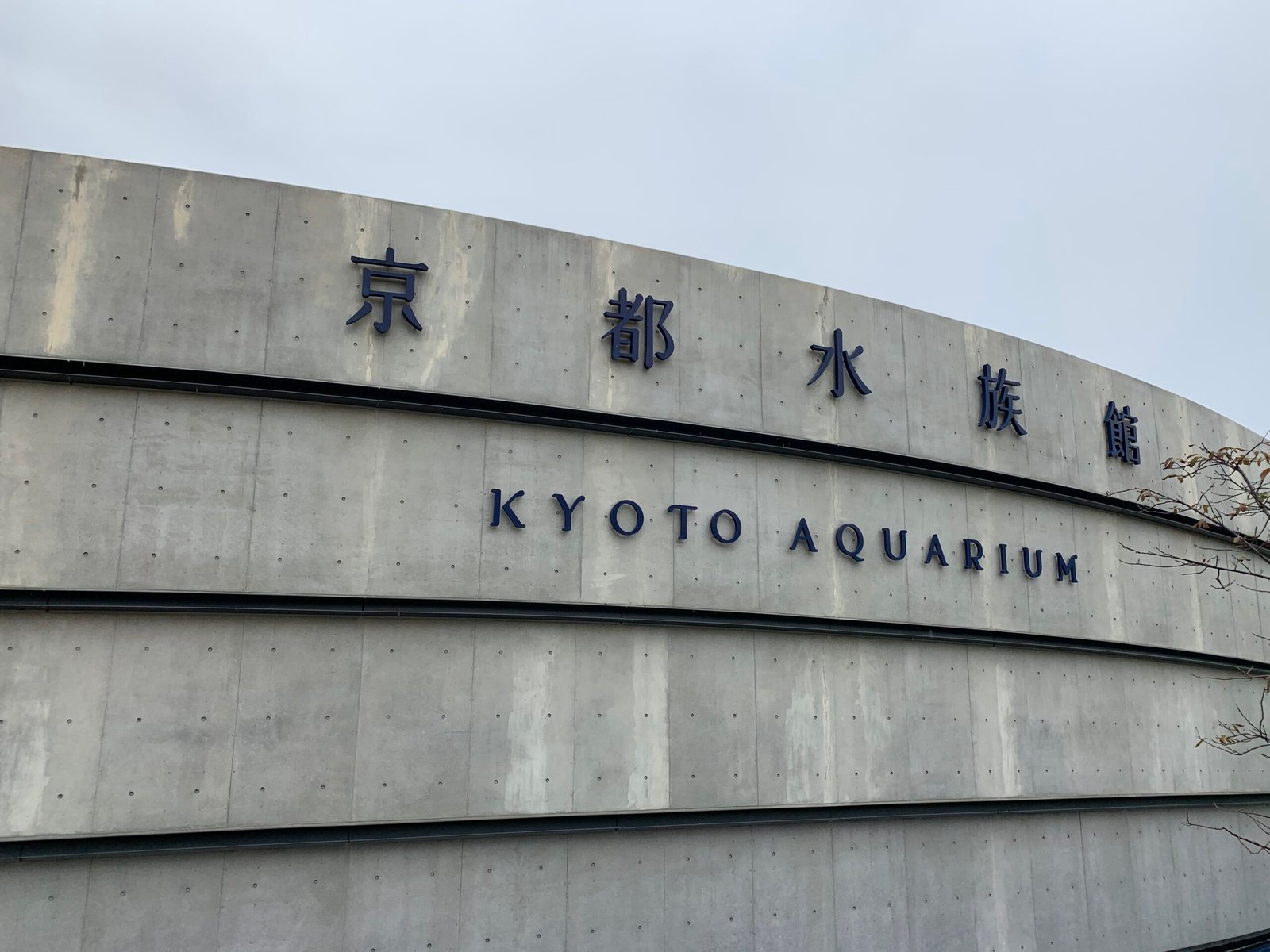
Kyoto Aquarium: A Practical Guide to Japan’s Inland Sea, Minutes from the Station
Most of the aquariums you’ll find in Japan sit somewhere near the coast. Kyoto Aquarium doesn’t — it’s about fifteen minutes on foot from Kyoto Station, well inland, which makes it one of the more unusual builds of its kind: every drop of seawater inside is artificial, mixed on-site rather than pumped in from the sea. That’s not a gimmick so much as a necessity, and it’s part of why the place is worth knowing about if you’re traveling with kids, waiting out a rainy afternoon, or just want a change of pace from temples and shrines. Giant salamanders, a dolphin stadium, and a tank built around Kyoto’s own rivers are the headline draws, but there’s enough packed into its twelve zones to fill half a day if you let it.
The Essentials at a Glance
| What | Details |
|---|---|
| Location | Umekoji Park, Shimogyo Ward, about a 15-minute walk from Kyoto Station |
| Opened | March 2012 |
| Known for | Japanese giant salamanders, a dolphin stadium, Cape penguins, and a 500-ton “Sea of Kyoto” tank |
| Hours | 10:00am–6:00pm, last entry 5:00pm (hours can shift around holidays) |
| Admission | ¥2,050 adults, ¥1,550 university and high school students, ¥1,000 elementary and junior high students, ¥600 ages 3 and up |
| Access | On foot from Kyoto Station, or by city bus/streetcar to Umekoji Park — the same park as the Kyoto Railway Museum |
An Inland Aquarium Built on Artificial Seawater
Kyoto Aquarium opened in March 2012, and it’s reported to be the first aquarium in Japan built to run entirely on artificial seawater, mixed and maintained on-site rather than trucked or piped in from the coast — a necessity for a facility this far inland, and one of the larger inland aquariums in the country as a result. The building itself sits inside Umekoji Park, a green stretch west of Kyoto Station that also happens to be home to the Kyoto Railway Museum, so the two make an easy pairing if you’re planning a day around the park rather than the temple circuit. The aquarium is organized into twelve themed zones, moving roughly from Kyoto’s own rivers and mountains near the entrance out toward open-ocean and coral-reef exhibits further in.
The Giant Salamanders of Kyoto’s Rivers
The zone most locals point visitors toward first is the Kyoto river zone, built around the Japanese giant salamander, or osanshouo — a species that lives its entire life underwater in the clean, cold mountain streams found across western Japan, including the hills around Kyoto, and can grow to roughly a meter and a half long. It’s a slow-moving, almost prehistoric-looking animal, protected in Japan as a Special Natural Monument, and seeing one at close range in a tank is a very different experience from glimpsing one in the wild, which most visitors never get the chance to do at all. The same stretch of the aquarium works in other river and mountain-stream species native to the region, giving the opening zone a distinctly local feel before the rest of the building moves out toward the ocean.
Dolphins and the “Sea of Kyoto” Tank
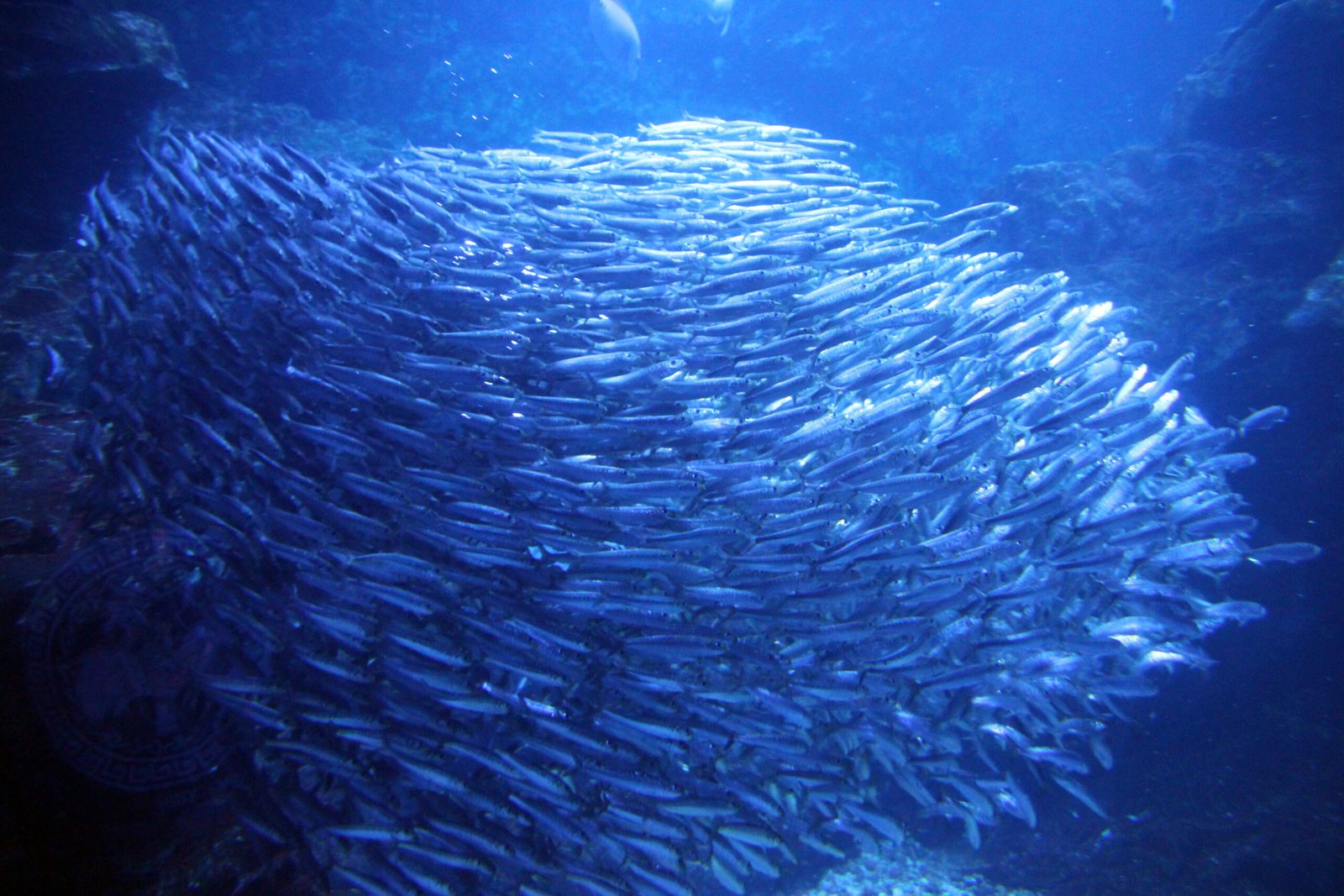
Further in, the aquarium’s dolphin stadium is built around scheduled performances through the day, and it’s usually the busiest single stop in the building — worth checking the current show times at the entrance so you can plan the rest of your visit around it rather than stumbling into a packed stadium by accident. Nearby, the “Sea of Kyoto” tank holds around 500 tons of water and is stocked with Japanese pilchards moving in dense, shifting schools, several species of ray gliding along the bottom, and roughly fifty other fish species sharing the same tank — one of the better spots in the aquarium to just stand and watch for a few minutes rather than move through quickly.

Penguins With a Bit of a Following
The aquarium’s Cape penguins are worth a mention mostly because people are often surprised by them — these are a South African species built for a temperate coastline, not the ice-and-snow birds many visitors expect walking in. Staff here pay close enough attention to the colony’s pair bonds that a penguin relationship diagram the aquarium posted to social media in 2018 ended up circulating well beyond Kyoto, which says something about how much personality the exhibit has if you spend a few minutes watching rather than walking straight past. Seals share a nearby area, with fur seals and earless seals both represented and occasional pups depending on the season.
Jellyfish, Spider Crabs, and a Coral Reef
The jellyfish section covers around ten species, anchored by a 6.5-ton pool of slowly drifting moon jellies that tends to be one of the calmer, more photogenic stops in the building. Elsewhere, the shrimp and crab zone includes Japanese spider crabs, whose leg span can stretch past three meters — genuinely startling the first time you see one up close — while a coral reef section further on holds garden eels swaying out of the sand and clownfish darting between anemones, a warmer, brighter contrast to the cold mountain-stream opening zone.
Food, Shopping, and Timing Your Visit
There are three cafes inside — Kaiju Cafe, Stadium Cafe near the dolphin performance area, and Harvest Cafe — so there’s no need to leave the building for a meal if you’re making a full afternoon of it, and a museum shop sits by the exit for anyone who wants a souvenir on the way out. Admission isn’t cheap by Kyoto standards, so if you’re traveling on a tighter budget it’s worth weighing against the other sights in your plan; our Kyoto on a Budget guide has more general tips on where it makes sense to spend and where to cut back. Two to three hours is a reasonable amount of time to see most of the twelve zones without rushing, longer if you want to catch a dolphin performance and linger at the tanks that interest you most.
Getting There
From Kyoto Station, it’s a flat, straightforward walk of about fifteen minutes through Umekoji Park to reach the aquarium; city buses and the Randen-affiliated streetcar replica in the park also stop nearby if you’d rather not walk, especially in bad weather. Because the Kyoto Railway Museum sits in the same park just a short walk away, the two make a natural combination for a family day near the station, and Kyoto Tower is close enough on the other side of the station to add as a third stop if you still have energy left. For the rest of your trip, our Getting Around Kyoto guide covers the subway, bus, and rail options you’ll rely on most.
Bottom Line
Kyoto Aquarium isn’t going to be the first stop on most people’s Kyoto itinerary, and it doesn’t need to be — it’s the kind of place that earns its spot on a trip with kids, on a rainy day, or on a second or third visit to the city once the major temples are checked off. Between the giant salamanders, the dolphin stadium, and a coral reef section that feels nothing like the rest of inland Kyoto, it’s a solid half-day near the station, and pairing it with the Railway Museum next door makes the most of the walk out to Umekoji Park.