One Day on the Eizan Railway: A Practical Itinerary Through Ichijoji and Yase
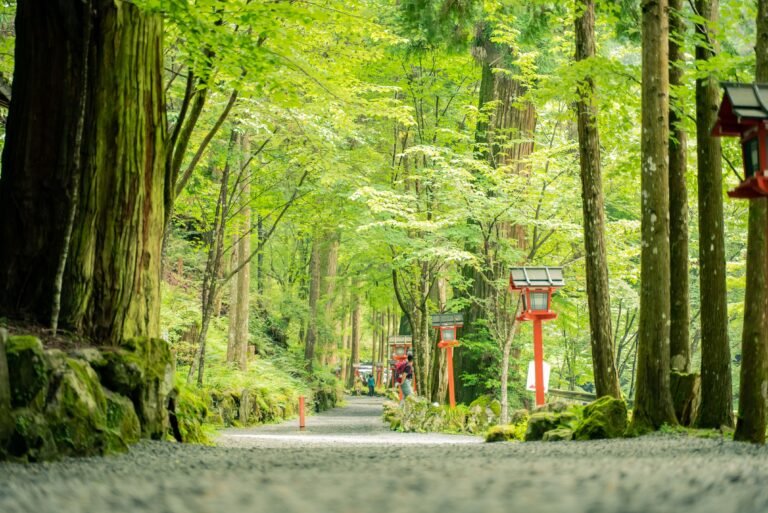
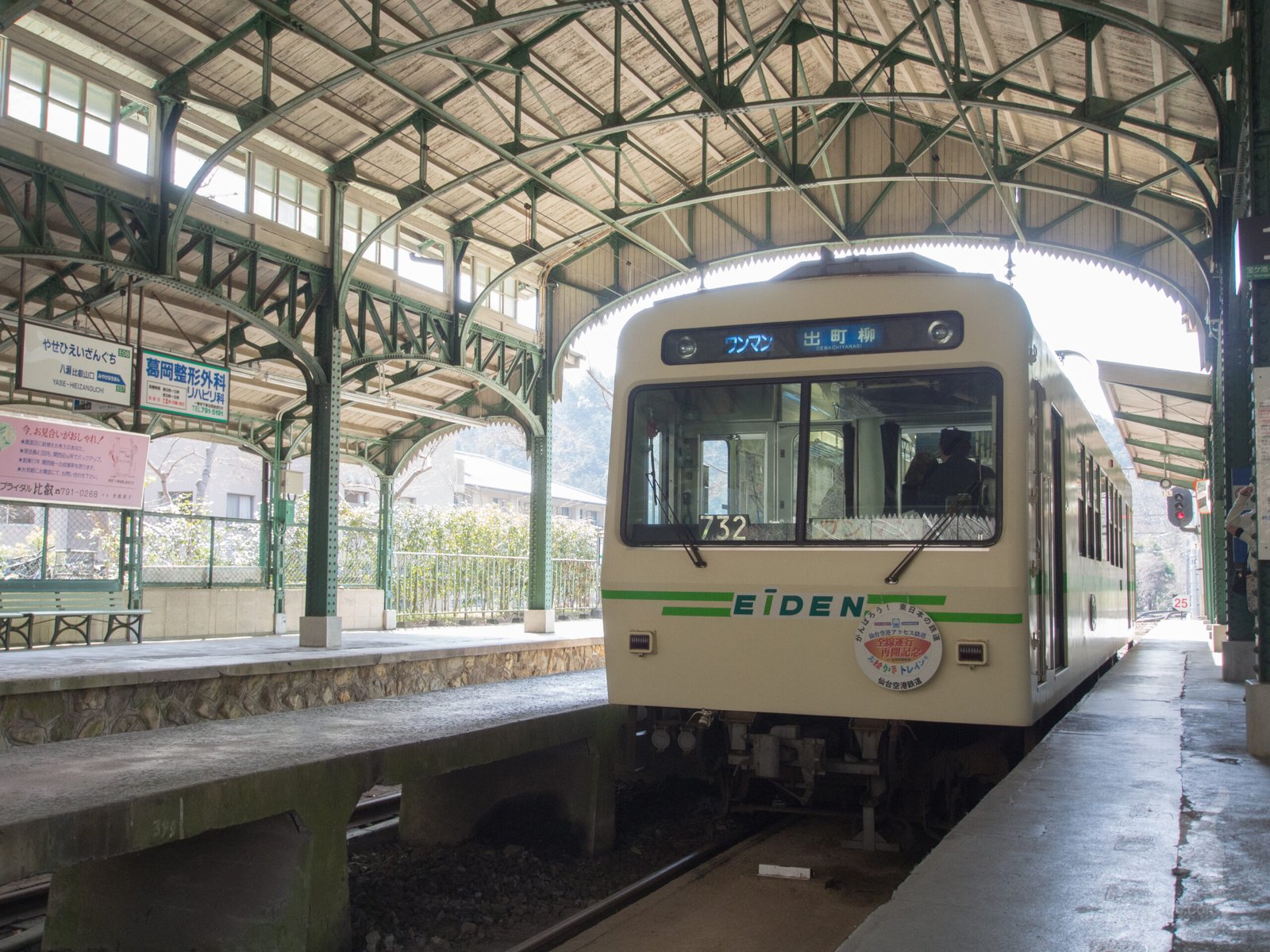
The Eizan Railway is easy to miss if you are not looking for it: a small two-car train that leaves from a modest platform tucked behind Demachiyanagi Station, rather than a stop on any of the subway lines most visitors default to. It is also one of the more efficient ways to string together a few of Kyoto’s quieter northern sights in a single outing, because the same line that runs past the Ichijoji neighborhood’s temple gardens continues on to the foot of Mount Hiei, with a branch line splitting off toward Kurama and Kifune along the way. This itinerary covers the Ichijoji and Yase stretch of that route, which pairs comfortably into a half day, with notes on where the rest of the line can take you if you want to extend it.
The Itinerary at a Glance
| Stop | Details |
|---|---|
| Start | Demachiyanagi Station, Eizan Railway platform (Eizan Main Line) |
| Ichijoji Station | Shisen-do is about a 15-minute walk; Manshu-in is roughly 20 minutes on foot from the next stop, Shugakuin Station |
| Yase-Hieizanguchi Station | Rurikoin is a 5- to 7-minute walk from the terminus |
| Optional extension | Eizan cable car and ropeway up Mount Hiei from Yase, or a backtrack to Demachiyanagi for the Kurama Line |
| Total time | Roughly half a day for Ichijoji and Yase together; add most of a full day if you continue up Mount Hiei |
| Best time | Rurikoin’s autumn opening generally runs from around October through early December; Shisen-do and Manshu-in are open year-round |
Boarding the Little Train at Demachiyanagi
Demachiyanagi sits at the northern end of the Keihan Line, so it is a straightforward transfer if you are coming from Gion or central Kyoto Station is a longer ride away. From there, the Eizan Railway runs two lines that share the same track out of the station before splitting at Takaragaike: the Eizan Main Line continues north to Yase-Hieizanguchi at the base of Mount Hiei, while the Kurama Line branches off toward the mountain villages covered in our Kurama and Kifune day trip guide. The trains themselves are small, single or double-car sets that run at a fairly relaxed frequency rather than subway-style intervals, so it is worth checking a timetable rather than assuming a train will be waiting. IC cards like ICOCA and Suica work fine on board, and our Getting Around Kyoto guide has more on how those cards work across the city’s different rail operators, which is genuinely useful here since the Eizan Railway is run by a separate company from the subway and JR lines.
Ichijoji: Shisen-do’s Garden and a Detour to Manshu-in
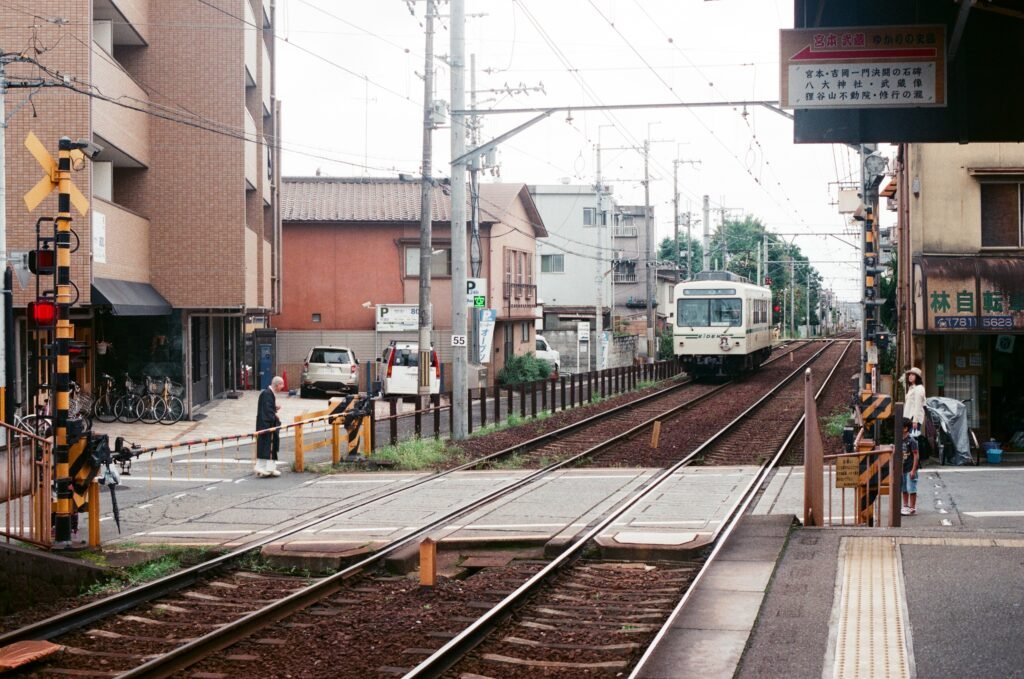
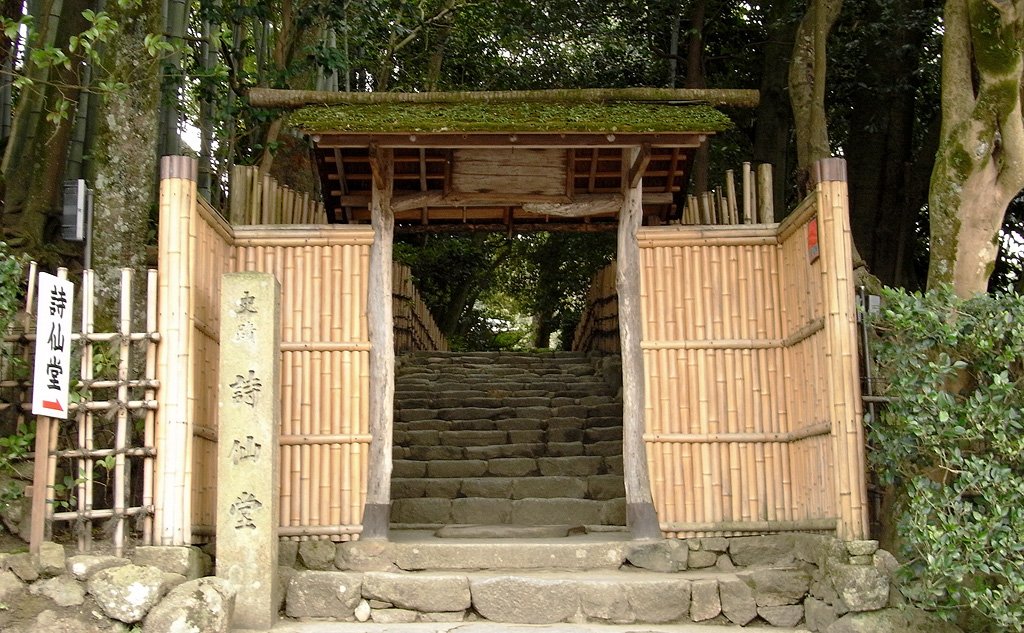
Ichijoji is the third stop out of Demachiyanagi, and it is worth getting off here even if you have never heard the neighborhood’s name before. About fifteen minutes on foot to the east brings you to Shisen-do, the seventeenth-century hermitage built by the retired samurai and poet Ishikawa Jozan, known for a raked garden that changes character across the seasons and for being one of the least crowded significant gardens this close to central Kyoto. If you have more time, Manshu-in is reachable from Shugakuin Station, one stop further up the line, with about a twenty-minute walk from there; our Manshu-in guide covers its imperial-linked history and its own garden in more detail. Doing both temples on the same morning is realistic but unhurried, since neither one takes much more than forty-five minutes to visit, and Ichijoji’s quiet residential streets are a pleasant enough walk on their own between the two.
Riding On to Yase for Rurikoin’s Mirror Table
Back on the train, it is a short ride from Ichijoji past Shugakuin and Takaragaike to Yase-Hieizanguchi, the Main Line’s terminus. From the station, it is about a five- to seven-minute walk to Rurikoin, the temple whose black lacquered table reflects the maples outside its window closely enough that photos of it regularly circulate online without much context. The detail worth repeating here is that Rurikoin is not open year-round; it runs limited seasonal openings, mainly in autumn, and sometimes requires advance reservation, so it is worth checking current dates before building a trip around it rather than assuming it will be open on arrival. For a wider sense of how Kyoto’s autumn colors generally time out across the city, our Kyoto Autumn Foliage guide is a useful companion piece to this one.
Extending the Day: Mount Hiei or Kurama and Kifune
Yase-Hieizanguchi is also where the cable car and ropeway up Mount Hiei begin, so if Rurikoin’s seasonal window has not yet opened, or you simply have energy left, continuing up to Enryaku-ji is a natural next step, though it is enough of an undertaking on its own that we would not try to combine it with Ichijoji and Rurikoin in a single day unless you are starting early. The alternative is to backtrack to Demachiyanagi and switch onto the Kurama Line for an afternoon in Kurama and Kifune instead, which makes for a fuller but still manageable day if you keep the Ichijoji stop brief. Either way, this stretch of the Eizan Railway rewards spreading things out over two visits rather than cramming everything in at once, and our Best Time to Visit Kyoto guide is worth a look if you are trying to decide which season makes the most sense for a trip built around this itinerary.
Practical Tips
There is no seat reservation system on the Eizan Railway, and the trains can fill up on autumn weekends, particularly around the Kifune-guchi stretch of the Kurama Line, so it helps to travel a little earlier in the day if you are visiting during peak foliage. Wear shoes that slip off easily if you plan to sit inside any of the temple halls, and bring a little cash, since some of the smaller temples in this itinerary do not take cards. None of the walks described here are difficult, but Ichijoji and Yase are both residential areas with limited English signage compared to central Kyoto, so having a map pinned in advance is worth the extra minute before you set off from the station.
Bottom Line
This is not a route most guidebooks lead with, but the Eizan Railway makes it an unusually easy one to piece together: one train, a couple of short walks, and three genuinely different gardens without needing a car or a full day of planning. If you have already spent a few days seeing Kyoto’s bigger temples, this is a good next step for a slower, more local afternoon.