Katsura Imperial Villa: A Practical Guide to Kyoto’s Garden That Shaped Modern Architecture
Most of the villas and gardens covered on this site let you walk in, buy a ticket, and wander at your own pace. Katsura Imperial Villa doesn’t work that way. It’s still owned by the Imperial Household Agency, entry is by guided tour only, and getting a spot takes some paperwork in advance — or an early start if you’re willing to gamble on a same-day ticket. What’s waiting on the other side of that process is arguably the single most influential garden in Japan: a 17th-century stroll garden that a German architect stumbled onto in 1933 and ended up reshaping how the rest of the world saw Japanese design.
The Essentials at a Glance
| What | Details |
|---|---|
| Admission | 1,000 yen per person; a guided tour is required for entry |
| Tour times | Japanese-language tours run on a fixed daily schedule; English-guided tours are offered at 9:20, 11:20, 13:20, 15:20, and 16:20 |
| Reservations | Online through the Imperial Household Agency’s booking system, or same-day numbered tickets from 8:40 a.m. at the Agency office in Kyoto Imperial Park (limited availability) |
| ID required | Passport for overseas visitors, checked at the entrance for every visitor |
| Closed | Mondays, plus other dates set by the Imperial Household Agency — check the official calendar before you go |
| What you can see | Gardens and teahouses from the paths only; building interiors are viewed from outside, and photography is limited to a few designated spots |
| Access | About a 15-minute walk from Katsura Station on the Hankyu Kyoto Line |
A Prince’s Garden Built Around a Story
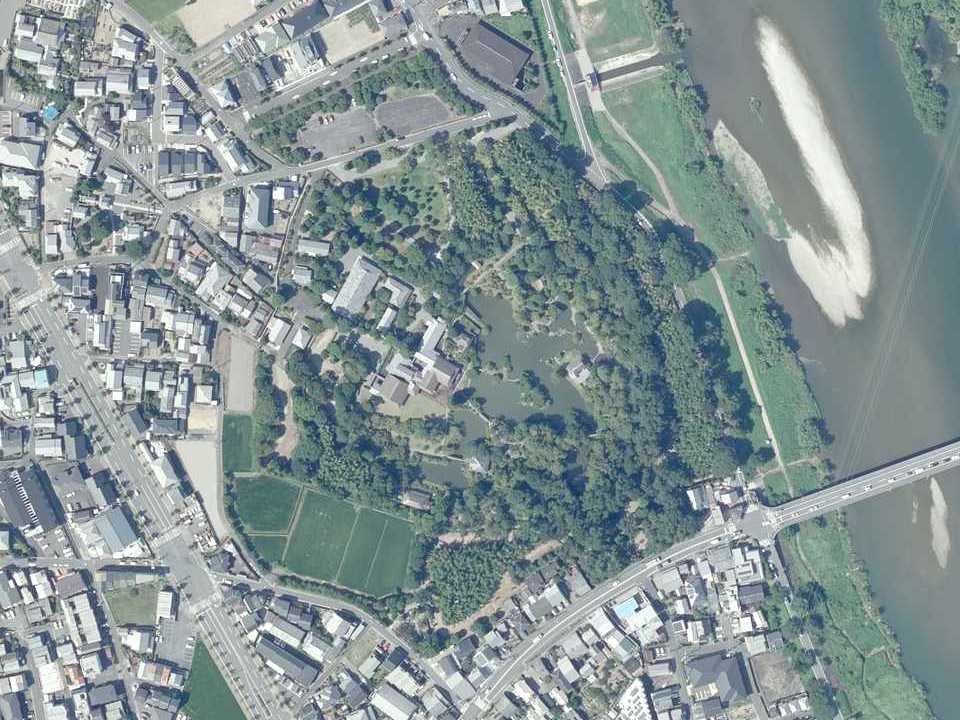
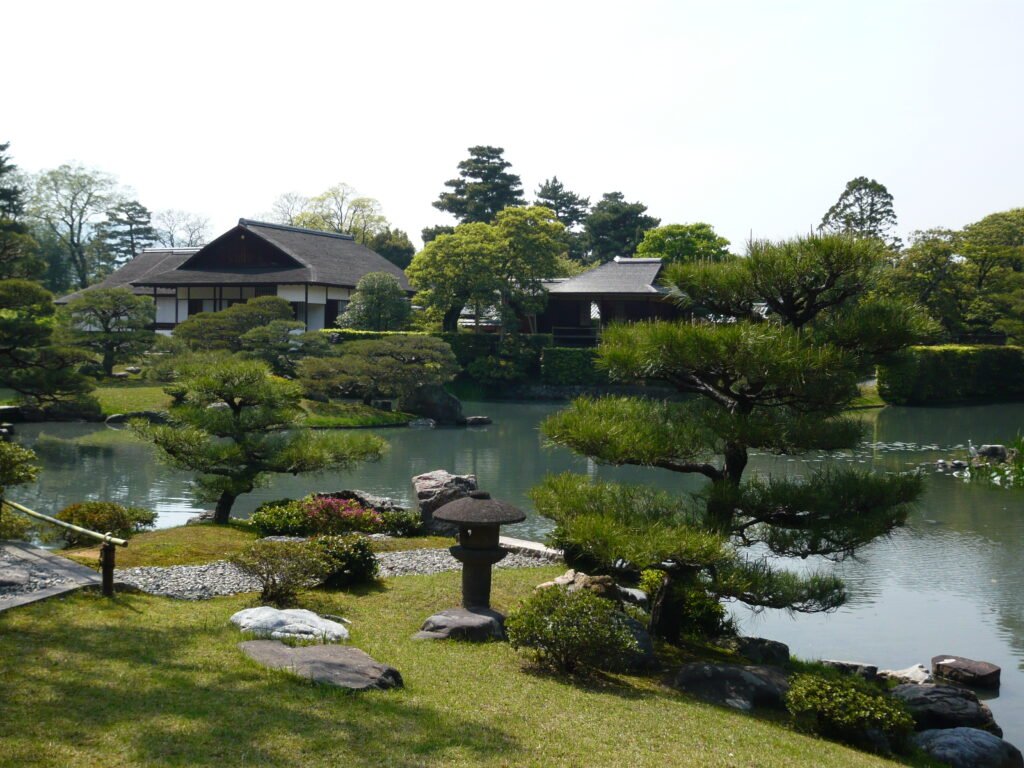
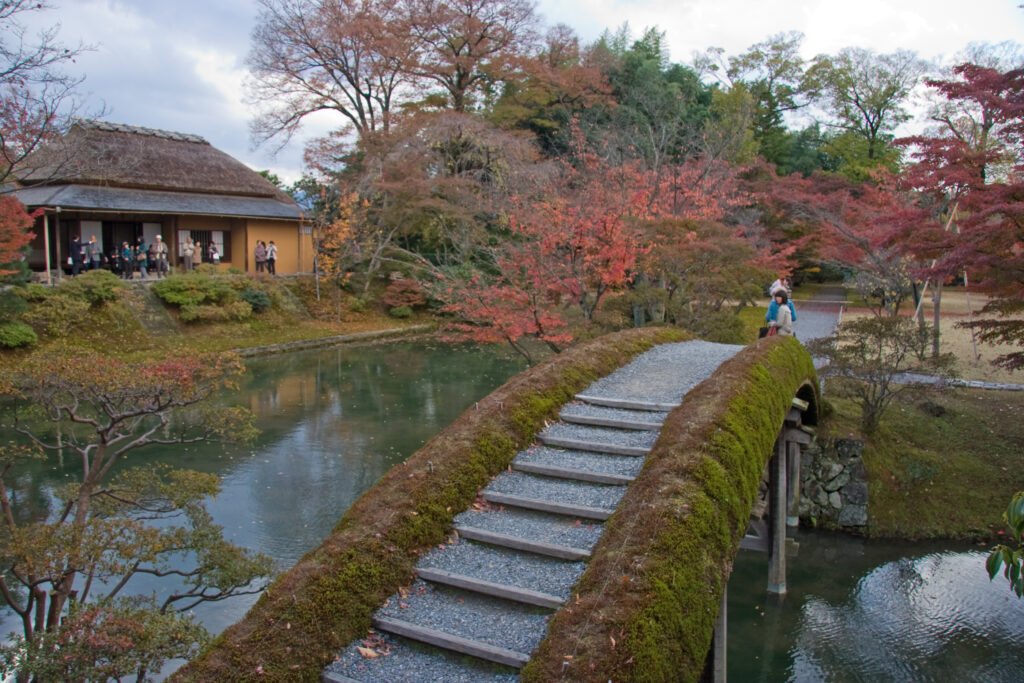
Katsura’s origins trace to the early 1600s, when Prince Hachijo Toshihito — a nobleman with a serious devotion to classical literature, especially The Tale of Genji — received land along the Katsura River from Toyotomi Hideyoshi and began building a retreat there. Construction and revision continued under his successors for decades, with the villa reaching roughly its current form by 1645. Rather than a single building, Toshihito and his descendants assembled a stroll garden meant to be walked rather than viewed from one fixed point: a circular path around a central pond, laid out so that a new vista opens at almost every turn, several of them deliberately echoing scenes from the Genji story he loved. It’s less a single structure than an experience laid out in sequence — one reason the compulsory guided tour, frustrating as the restriction can feel, actually matches how the place was designed to be seen.
The Garden Bruno Taut Discovered
For centuries Katsura was known mostly within Japan, admired quietly by a small circle of scholars and garden specialists. That changed in 1933, when the German architect Bruno Taut — who had just fled Nazi Germany and was staying briefly in Japan — was taken to see it on what turned out to be one of the pivotal days of his visit. He came away calling it “pure bare architecture, touching-innocent like a child,” and described its garden buildings as arranged like a flock of geese in flight, each element holding its own integrity while still reading as part of one composition. At the time, the reigning symbol of Japanese aesthetics abroad was the elaborately decorated Nikko Toshogu shrine; Taut’s enthusiasm helped flip that, positioning Katsura’s restraint and asymmetry as the truer expression of Japanese design — one that lined up neatly with the modernist principles European architects were already chasing. Architectural historians have since pointed to that afternoon as something close to the starting point of how the twentieth century came to understand Japanese architecture, which is a lot of weight for one garden to carry, however calmly it carries it.
What You’ll See on the Tour
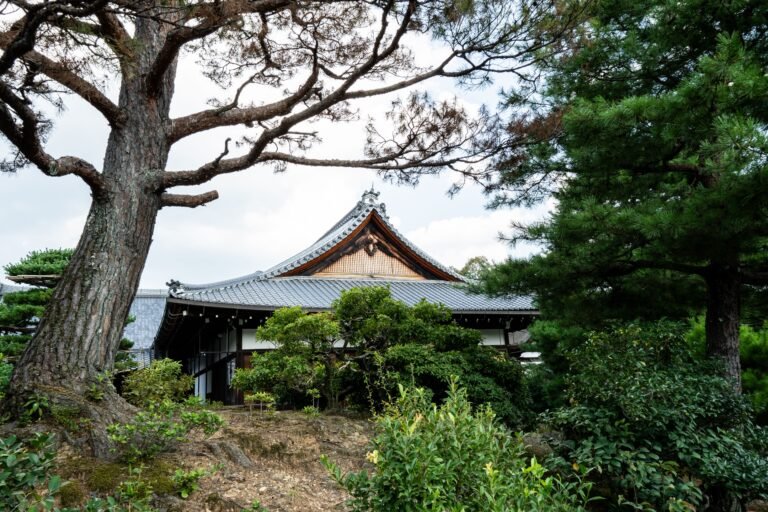
The tour moves as a single group along the stroll path, taking in the pond, its islands and bridges, and four teahouses tucked into the garden at intervals — each built with its own material palette and mood rather than as a matching set. Shoiken, one of the four, sits close to the water and is often the building guides linger on longest, partly because its proportions and its relationship to the surrounding garden are considered some of the clearest surviving examples of the shoin-style aesthetic the whole villa is built around. You won’t go inside any of the buildings; visitors stay on the paths and see the interiors through open sliding screens and doorways, with guides pointing out details — the choice of wood, the placement of a window to frame one specific view — that are easy to miss without the context. Photography is restricted to a handful of marked spots along the route, a rule the guides enforce fairly literally, so this isn’t the place for the kind of unhurried, camera-in-hand wandering that works at more casually managed gardens.
How to Reserve a Spot
Katsura runs through the same Imperial Household Agency system that handles Kyoto’s other imperial properties. Online applications are the more reliable route if you already know your travel dates; the Agency also keeps a same-day allocation of numbered tickets, distributed on a first-come basis from 8:40 a.m. at its office inside Kyoto Imperial Park, though relying on that option means showing up early with no guarantee of a spot on a busy day. Whichever way you book, bring a passport — staff check identification at the entrance for every visitor, and there’s no getting in without it. English-guided tours run at their own fixed times and tend to fill up faster than the general Japanese-language slots, so reserve those in particular as far ahead as your itinerary allows; if you miss them, a rentable audio guide in English and several other languages covers the gap reasonably well on a Japanese-led tour.
Getting There
The villa sits in Nishikyo Ward, on the western side of the Katsura River, a short way south of central Kyoto. The most direct route is the Hankyu Kyoto Line to Katsura Station, followed by about a 15-minute walk; from Kyoto Station, that means a transfer to the Hankyu line via Karasuma or Omiya, so build in a bit of extra travel time compared with the city-center temples. There’s no bus route that beats the train for this one, and a taxi from central Kyoto only makes sense if you’re already pressed for time before your appointment.
Pairing Katsura with the Rest of Kyoto
Katsura is one of two imperial villas covered on this site that require the same kind of advance planning; if you’re already going through the reservation process for one, it’s worth comparing notes with our guide to Shugakuin Imperial Villa, the other reservation-only garden, on the opposite side of the city in the hills below Mount Hiei. Katsura’s location also puts it within a reasonable taxi or bus ride of Arashiyama, so a morning tour here pairs naturally with an afternoon at the Arashiyama Bamboo Grove and Tenryu-ji, a few kilometers north along the river. For the logistics of getting between neighborhoods without a car, our guide to Kyoto’s buses, subways, and IC cards covers what you need, and our season-by-season guide is worth a look before you book, since reserved tour slots at Katsura tend to fill fastest during cherry blossom and peak autumn weeks.
Planning Your Visit
Book as far ahead as you can once you have a date, particularly for an English tour, and keep your passport with your other travel documents rather than packed away deep in a bag — you’ll need it right at the entrance gate. Wear shoes you don’t mind walking a fair distance in, since the stroll path covers real ground and the group moves along it at a set pace rather than lingering wherever you like. If your schedule is loose, treat Katsura as a morning commitment and build the rest of the day around whichever direction — Arashiyama, or back toward the city center — makes sense from Katsura Station.
Bottom Line
Katsura is one of the few places in Kyoto where the reservation itself is part of the story: a garden that stayed relatively obscure until one visitor from abroad happened to see it at the right moment, and that same air of exclusivity is still what waits at the end of the booking process today. If you’re willing to plan around the tour times and bring the right paperwork, it’s a quieter, more spacious counterpoint to Kyoto’s ticket-at-the-gate temples — and a direct look at the garden that, more than any other single site, ended up defining what “traditional Japanese design” means to the rest of the world.