Sennyu-ji: A Practical Guide to Kyoto’s Imperial Mortuary Temple
Tucked into the hills just past Tofuku-ji, Sennyu-ji rarely makes anyone’s first-day Kyoto itinerary, which is a little strange given what it actually is: the closest thing Japan has to a single temple dedicated to its emperors. From the Kamakura period on, generations of the imperial family were buried on these grounds, and the temple still houses one of the largest Buddhist paintings in the country and a hall built around a statue modeled, according to legend, on a legendary Chinese beauty. It is a quieter, more contemplative stop than most of southern Higashiyama’s bigger names, and the walk in past its neighbor Tofuku-ji makes it an easy add-on rather than a special trip.
The Essentials at a Glance
| What | Details |
|---|---|
| Hours | 9:00 a.m.–4:30 p.m., with last entry around 4:00 p.m.; hours can run a little shorter in winter |
| Admission | Around ¥500 for the main precincts; some sub-temples and special-viewing areas, such as the Yokihi Kannon-do, charge a small separate fee |
| Access | JR Nara Line or Keihan Main Line to Tofukuji Station, then roughly a 15–20 minute walk uphill past Tofuku-ji; City Bus 202, 207, or 208 to Sennyuji-michi is a shorter-walk alternative |
| Visit length | 45 minutes to 1.5 hours depending on how many sub-temples you see |
| Best time | Quiet nearly year-round; autumn foliage pairs well with a Tofuku-ji visit the same day |
| Known for | Imperial tombs, the Yokihi Kannon hall, and one of Japan’s largest nirvana paintings |
A Temple Built Around a Spring, Rebuilt Around an Empire
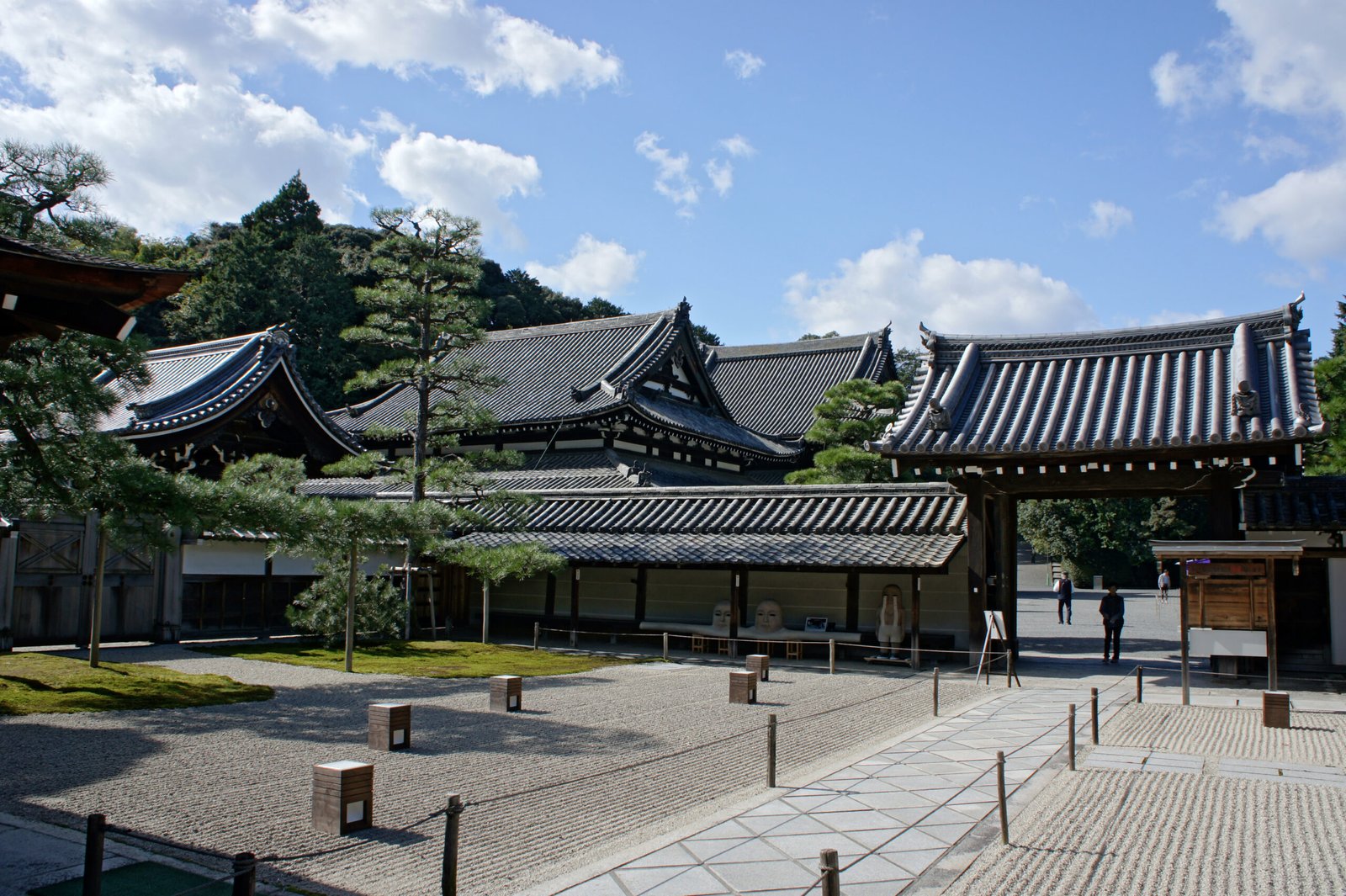
The temple’s name comes from a spring on the grounds, said to have been discovered near a hermitage associated with Kukai, the founder of Shingon Buddhism, in the early 9th century. Its present form dates to 1218, when the priest Shunjo rebuilt it after returning from studying Buddhism in Song-dynasty China, which is why the Butsuden and other core buildings carry a distinctly Chinese-influenced style rather than the more typically Japanese temple architecture found elsewhere in the city. From the Kamakura period onward, Sennyu-ji took on a role unlike almost any other temple in Japan: it became the mortuary temple of the imperial family. The Tsukinowa mausoleum on the grounds holds Emperor Shijo, Emperor Go-Horikawa, and a run of emperors through Go-Momozono in the 18th century, while a second nearby mausoleum holds Emperor Kokaku, Emperor Ninko, and Emperor Komei, whose reign ended just before the Meiji Restoration. Counted together, that is well over a dozen emperors buried at a single temple complex, which is part of why Sennyu-ji is sometimes called Mitera, “the temple,” as if no further description were needed.
The Buddha Hall and One of Japan’s Largest Paintings
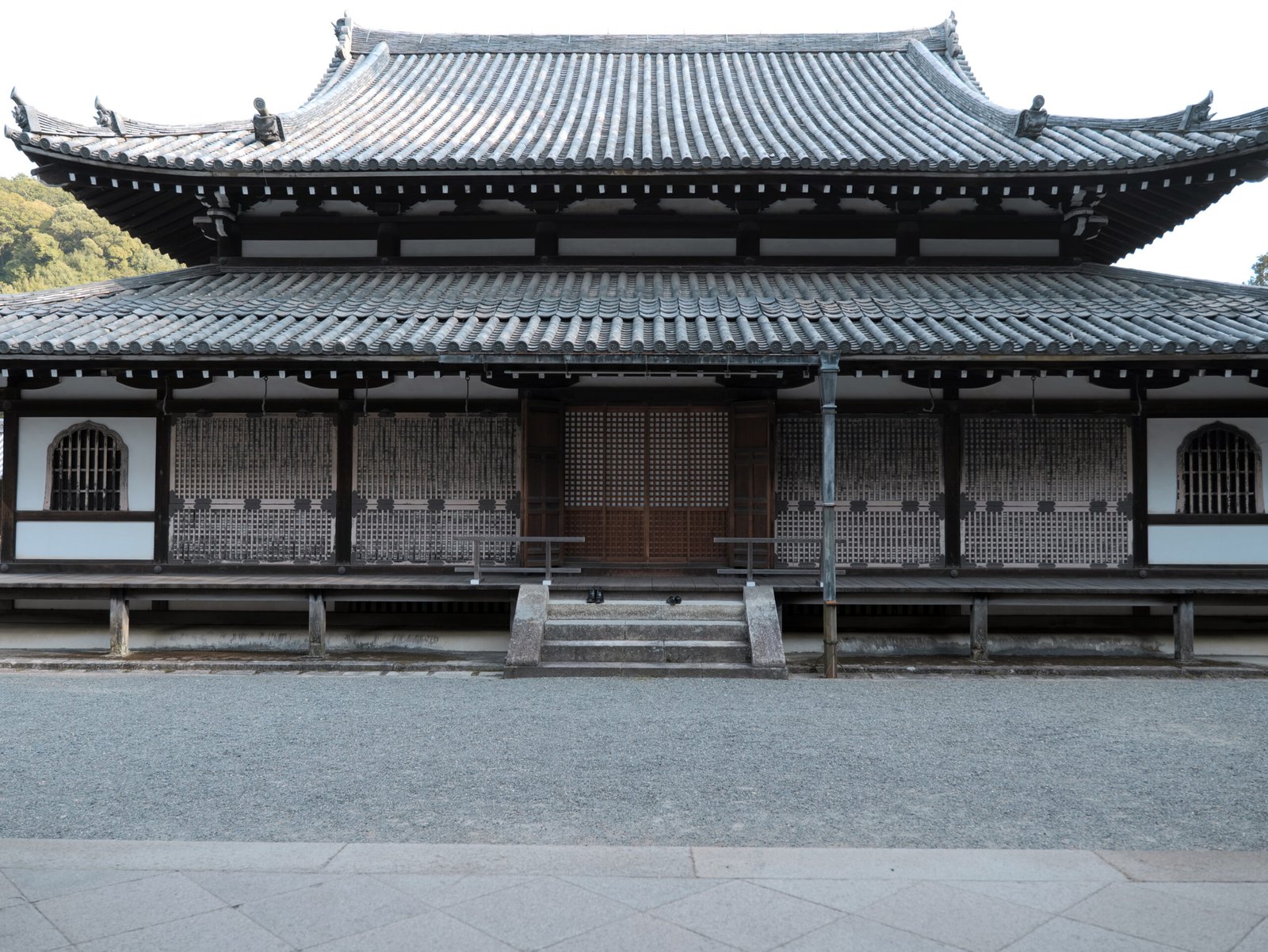
The Butsuden, or Buddha Hall, is the visual centerpiece of the main precincts, home to a triad of Shaka, Amida, and Miroku that represents past, present, and future Buddhas together in one hall, a layout you do not see at most Kyoto temples. Behind it, the temple holds a nehan-zu, a painting depicting the death of the historical Buddha, that measures roughly eight meters by sixteen meters, reportedly the largest painting of its kind in Japan. It is not on permanent public display, so do not plan a visit purely around seeing it; it tends to come out for a limited period each spring around the traditional date associated with the Buddha’s death, and checking ahead is worthwhile if the painting itself is the draw. Even without it unveiled, the scale and quiet of the Butsuden are worth the walk up from Tofuku-ji Station on their own.
Yokihi Kannon: Kyoto’s Own Legendary Beauty
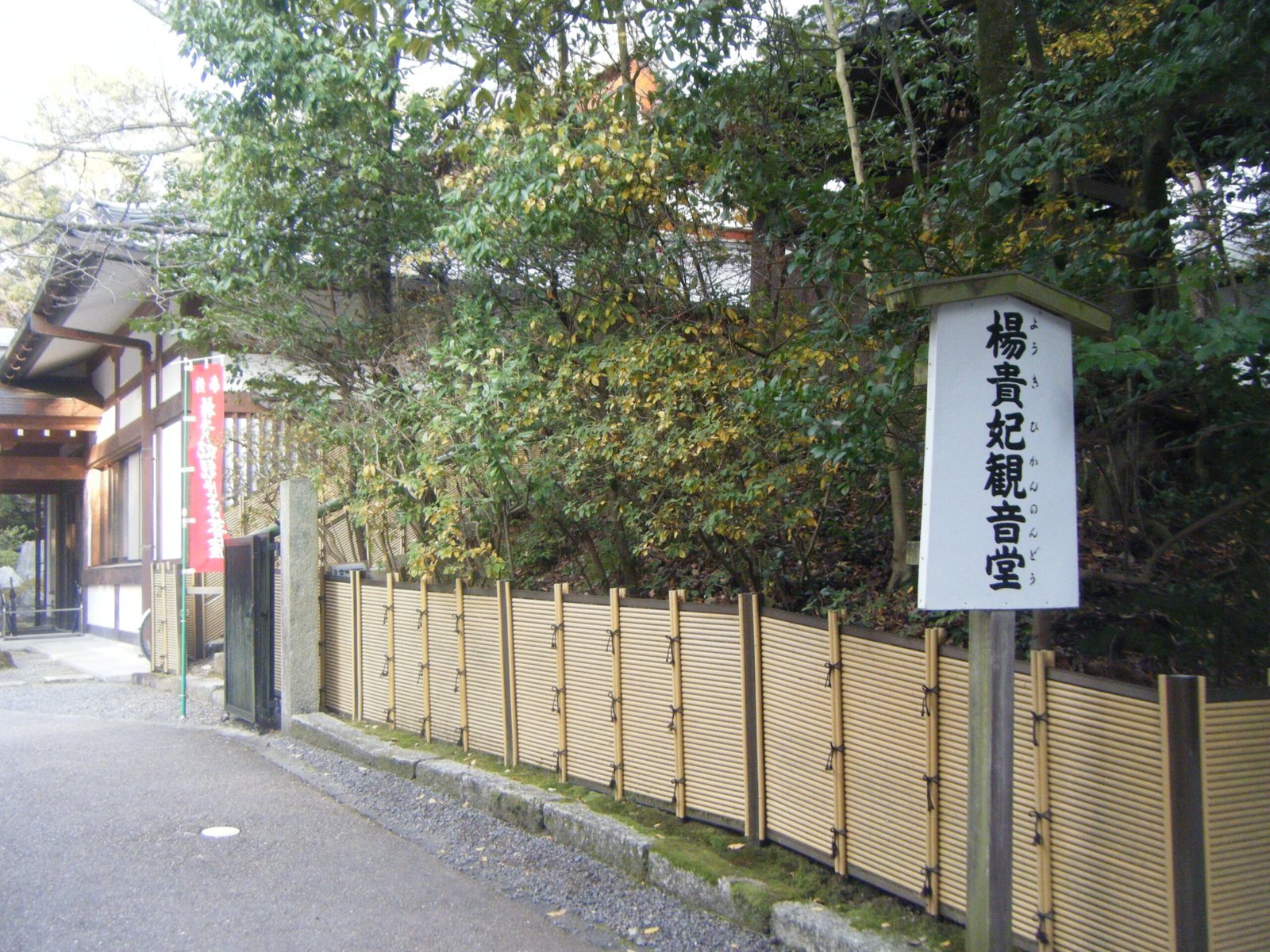
One of the more unusual small buildings on the grounds is the Yokihi Kannon-do, a hall built to house a statue said to have been modeled on Yang Guifei, the Tang-dynasty imperial consort remembered in Chinese and Japanese literature as one of history’s great beauties. The statue, brought to Sennyu-ji in 1255, depicts her as a manifestation of Kannon, the bodhisattva of mercy, and it has drawn a steady stream of visitors, particularly women, hoping for blessings related to beauty and good relationships. It is a small, separate hall rather than a major structure, easy to miss if you are moving quickly through the main precincts, but it is one of the more distinctive things you will find at any Kyoto temple and worth the short detour to seek out.
A Fitting Stop Around Ohigan
Shubun no Hi, Japan’s Autumnal Equinox Day, falls on September 23, and it sits at the center of Ohigan, the week when Japanese families traditionally visit family graves and temples hold memorial services for the dead. Sennyu-ji is not set up as a public Ohigan event and does not need any special planning to visit that week versus any other, but there is something fitting about walking through an active imperial mausoleum during the one week of the year most closely associated in Japan with honoring ancestors. If your trip happens to land around the equinox, expect slightly more local visitors paying respects than on an average day, though nothing close to a crowd by Kyoto standards.
Getting There and Pairing It With Tofuku-ji
Sennyu-ji sits close enough to Tofuku-ji that most visitors see the two together, walking up from Tofukuji Station past Tofuku-ji’s grounds before continuing on to Sennyu-ji’s quieter precincts. If you are staying in central Kyoto, it also pairs reasonably with Sanjusangendo on the same day, since both are a short bus or train ride from Kyoto Station. For the buses and trains involved in stringing these stops together, our Getting Around Kyoto guide covers IC cards and route basics if you have not used Kyoto’s transit system before. If autumn foliage is part of the plan, our Kyoto Autumn Foliage guide has the wider picture on timing a visit to this part of the city around the leaves.
Practical Tips
The walk up from Tofukuji Station is a steady but gentle incline, manageable in ordinary walking shoes, though it is longer than most people expect if they arrive without checking the distance first. Because Sennyu-ji is an active mortuary site for the imperial family, visitors should keep noise down and avoid treating the mausoleum areas as a photo backdrop, even though photography is generally fine elsewhere on the grounds. If you are combining it with Tofuku-ji, plan to see Tofuku-ji first and Sennyu-ji second, since Tofuku-ji’s crowds thin out by early afternoon while Sennyu-ji stays quiet regardless of the hour.
Bottom Line
Sennyu-ji is not the temple most travelers put at the top of a Kyoto list, but as the resting place of generations of emperors, home to one of Japan’s largest Buddhist paintings, and the site of a genuinely unusual hall built around a legendary beauty, it earns a stop for anyone already heading to Tofuku-ji. The extra twenty minutes up the hill buys a quieter, stranger, and in some ways more historically significant temple than most people realize is sitting right next door.