Daitoku-ji: A Practical Guide to Kyoto’s Zen Temple Village
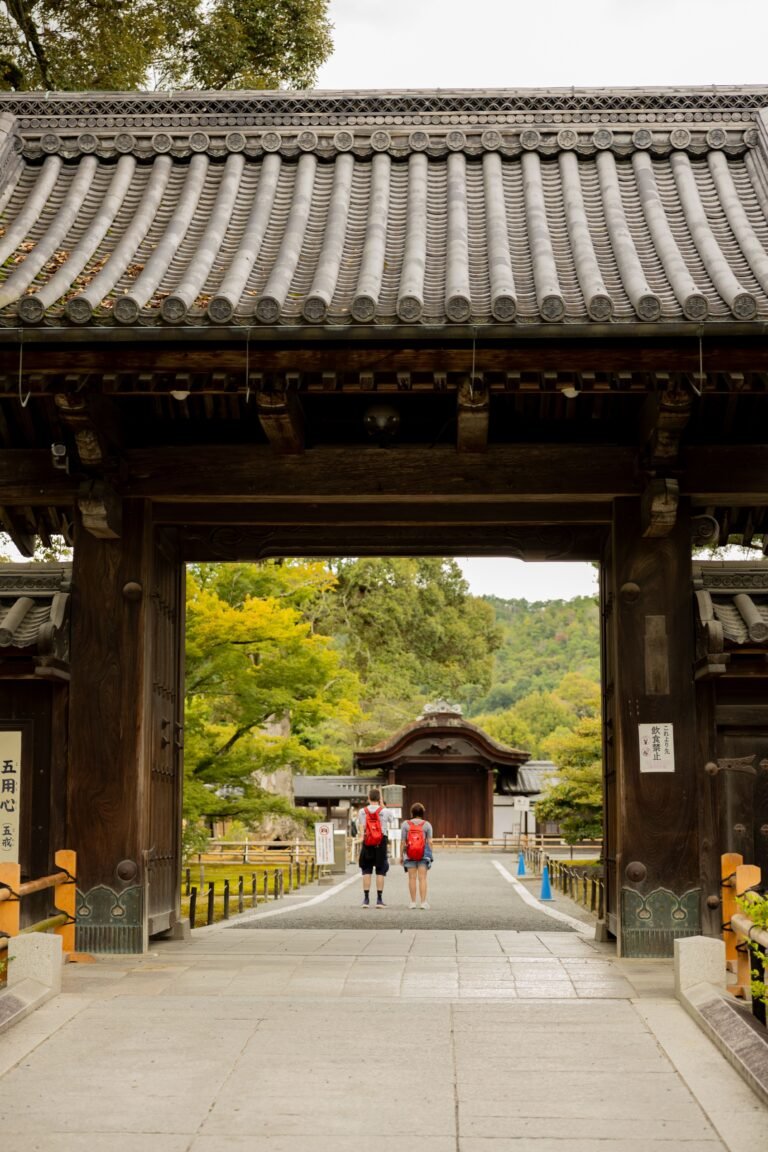
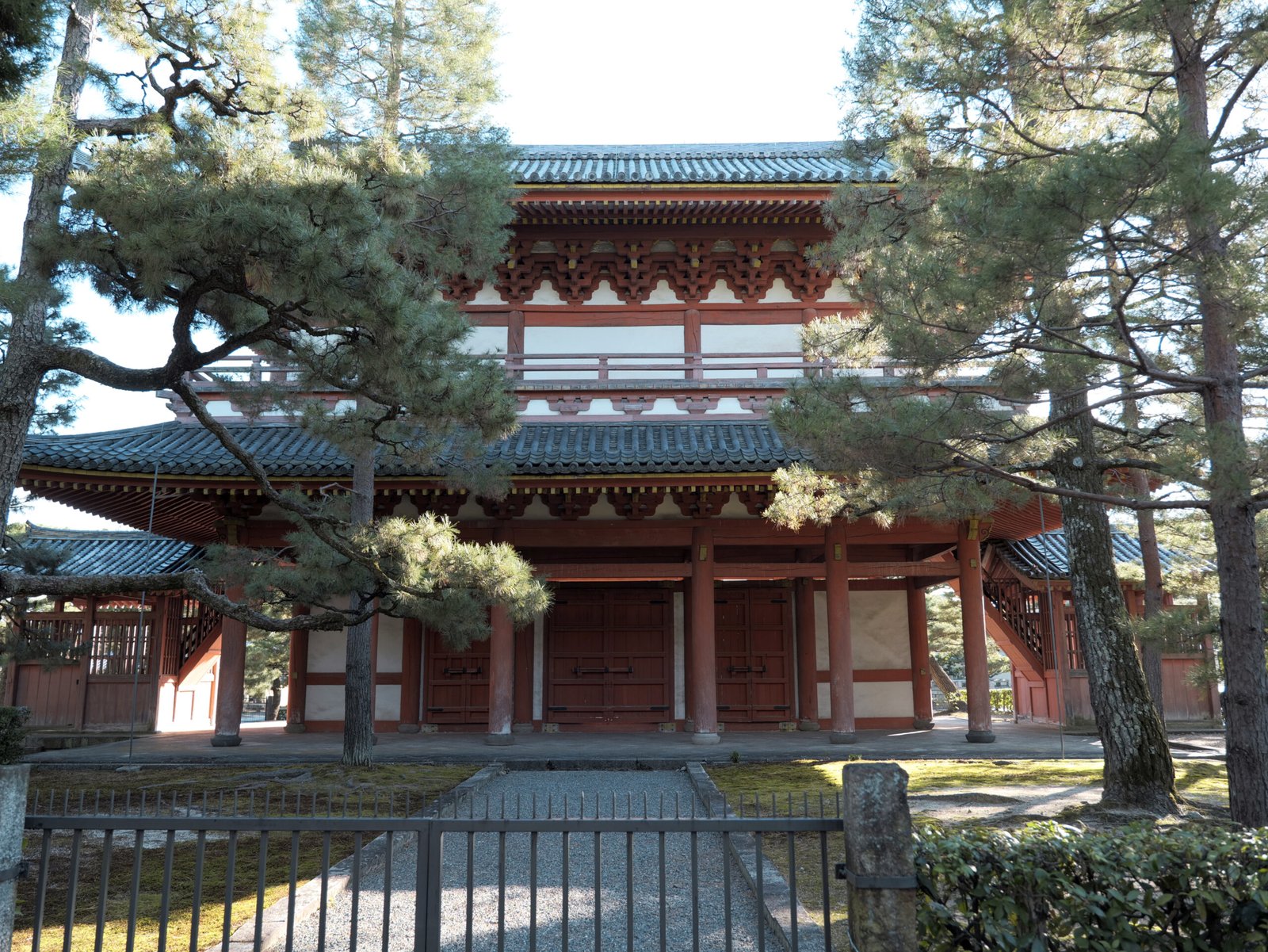
Northern Kyoto has one of the city’s largest concentrations of historic temples packed into a few blocks, and Daitoku-ji is the anchor of the neighborhood: a walled Zen compound holding more than twenty sub-temples behind a single set of gates. Most visitors never see more than a handful of them. The complex isn’t set up as one attraction with one ticket window; it’s closer to a small, quiet village, and figuring out which corners are actually open to the public is most of the work of visiting well.
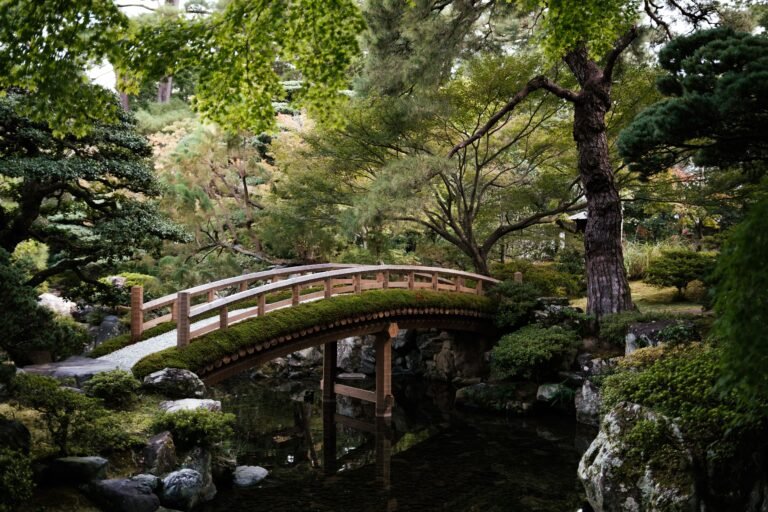
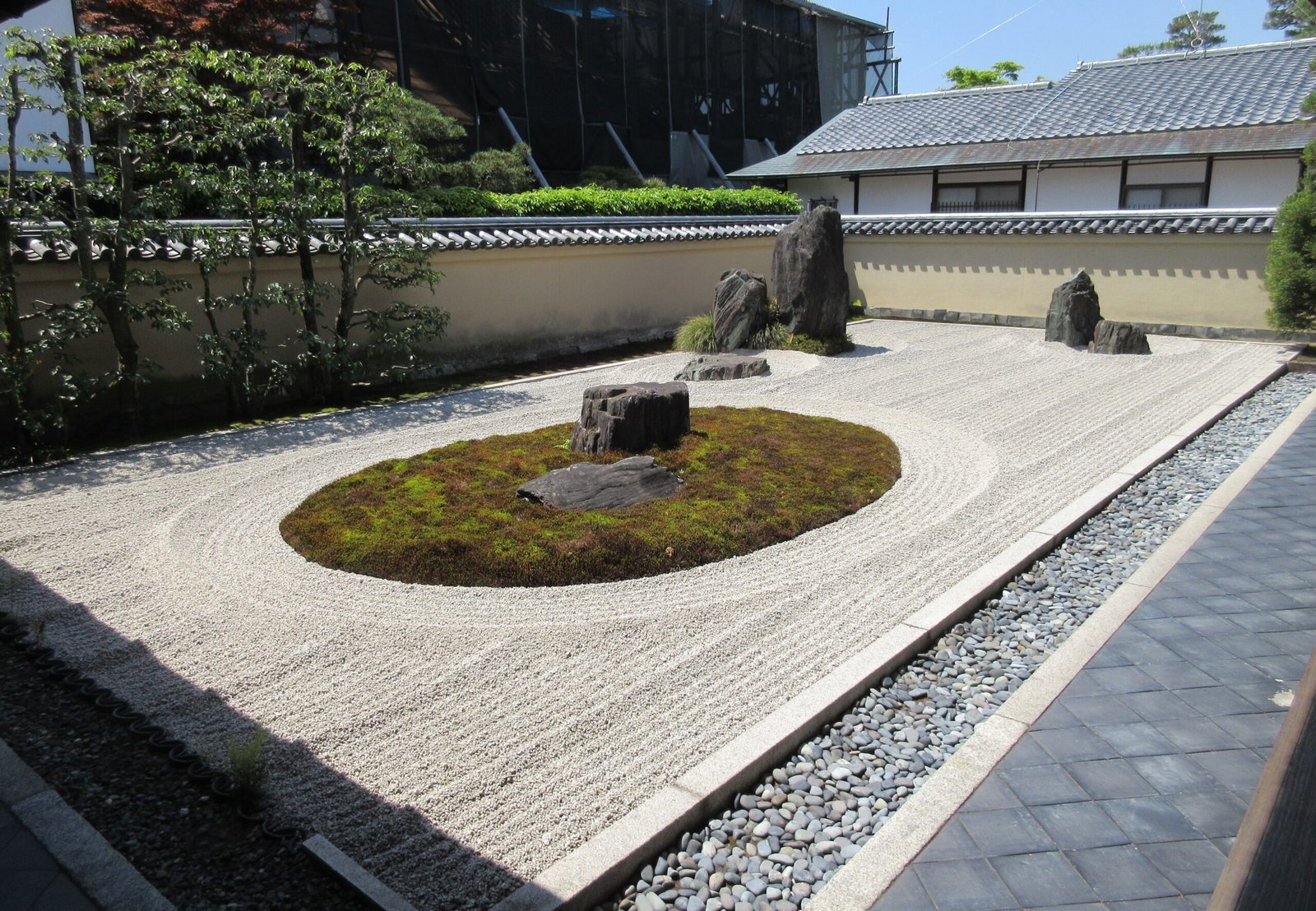
Daitoku-ji has been closely tied to the tea ceremony for over four centuries, and that history shows in the gardens: understated, deliberately unshowy, built to be sat with rather than photographed from a distance. A handful of sub-temples keep their gates open year-round, each with a different take on the same dry-garden tradition, and a few more open only for short windows each spring and autumn.
This guide covers which parts of Daitoku-ji you can actually walk into on an ordinary day, what each one is known for, and how to get there from the rest of northern Kyoto.
The Essentials at a Glance
| What | Details |
|---|---|
| Admission | ¥350–¥500 per sub-temple (no single all-access ticket) |
| Hours | Generally 9:00 a.m.–4:30 p.m., varies by sub-temple (Zuiho-in until 5:00 p.m.) |
| Closed | Varies by sub-temple; the regularly open ones rarely close, but some shut occasionally for private events |
| Address | 53 Murasakino Daitokujicho, Kita-ku |
| Getting there | Kyoto City Bus 12, 101, 102, 204, 205, or 206 to Daitokuji-mae, or a 15–20 minute walk west from Kitaoji Station on the Karasuma Subway Line |
| Visit length | 1–2 hours for two or three sub-temples |
| Good to pair with | Kinkaku-ji and Ryoan-ji, both a short bus ride away in the same part of the city |
A Zen Village With a Turbulent History
Daitoku-ji was founded in 1319 by the monk Daito Kokushi as a modest temple, and it stayed relatively small until the Onin War tore through Kyoto in the 1460s and 70s and left much of the original complex in ruins. What rebuilt it wasn’t imperial patronage but private money: wealthy merchants and regional lords each funded their own sub-temple within the walls, in effect buying a permanent stake in one of Kyoto’s most prestigious Zen institutions. That pattern is why the complex grew to more than twenty sub-temples rather than one large temple, and why each one still feels like a distinct, self-contained property rather than a wing of something bigger.
The tea master Sen no Rikyu deepened the temple’s connection to Kyoto’s elite in the sixteenth century, and Toyotomi Hideyoshi held Oda Nobunaga’s funeral at Daitoku-ji in 1582 after Nobunaga’s death at Honno-ji. That combination of Zen practice, tea culture, and warlord politics is part of why so many of the sub-temples’ gardens read less like religious spaces and more like extensions of a formal tea room: restrained, asymmetrical, built for quiet observation rather than a single dramatic view.
Which Sub-Temples You Can Actually Visit
A handful of Daitoku-ji’s sub-temples keep their gates open on a regular basis, and each one is worth treating as a separate short visit rather than trying to see all of them back to back.
Daisen-in (¥500, 9:00 a.m.–5:00 p.m.) has the most celebrated dry garden in the complex, a late Muromachi-period karesansui design that uses raked gravel and upright stones to suggest a mountain stream flowing into open sea, meant to be viewed from a veranda rather than walked through. It also holds what’s said to be the oldest surviving tokonoma, the alcove used to display art in a traditional Japanese room, giving it a claim to architectural history alongside the garden.
Ryogen-in (¥350, 9:00 a.m.–4:30 p.m.) is the sub-temple most people miss simply because it’s smaller and sits closer to the entrance than the others. It packs as many as five separate gardens into a modest footprint, plus what’s said to be the oldest surviving gun in Japan, dated to 1583, on display inside.
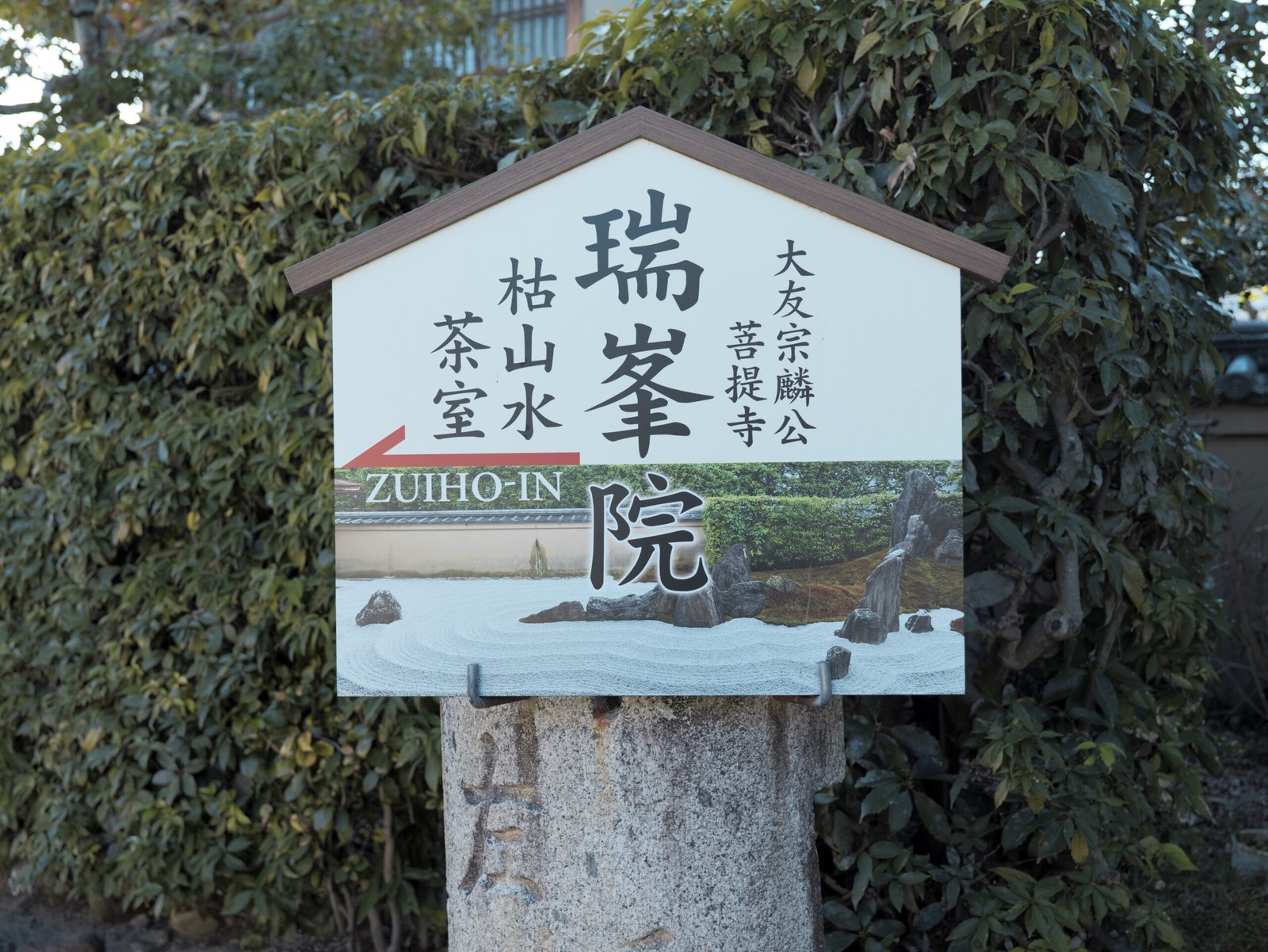
Zuiho-in (¥400, 9:00 a.m.–5:00 p.m.) was built for a Christian daimyo, and its main garden is said to hide a rock arrangement in the shape of a cross, subtle enough that most visitors walk past without noticing it. It also keeps the latest closing time of the group, which makes it a good choice if you’re arriving in the afternoon.
A fourth sub-temple, Koto-in, is normally included on lists of Daitoku-ji’s regular sights for its moss-covered approach path and maple canopy, but it has been closed to visitors indefinitely in recent years, so don’t build a visit around it specifically without checking current status first. A few more sub-temples, including Obai-in, Korin-in, and Soken-in, open only for limited seasonal windows in spring and autumn, usually announced a few months ahead, so if a specific opening matters to your trip it’s worth checking current dates closer to travel.
Getting There
The Daitokuji-mae bus stop, served by routes 12, 101, 102, 204, 205, and 206, sits right at the temple’s edge, and most of those routes run from central Kyoto Station or the Kinkaku-ji area, which makes it easy to combine with a visit to the Golden Pavilion. If you’d rather take the subway, Kitaoji Station on the Karasuma Line is about a fifteen- to twenty-minute walk east, past an ordinary residential stretch of the city rather than a tourist corridor. Buses to Daitokuji-mae aren’t covered by the Japan Rail Pass, so budget for a bus fare or a day pass if you’re relying on city buses elsewhere too.
When to Go
Daitoku-ji draws a far smaller crowd than Kinkaku-ji or Ryoan-ji nearby, and mornings right after opening are usually the quietest time to see any of the sub-temples without other visitors in the frame. Because the gardens here are static rather than seasonal in the way a maple grove is, there’s less pressure to time a visit around a specific week the way you might for autumn color elsewhere in the city. That said, if foliage is part of the plan, our Kyoto Autumn Foliage guide covers which temples peak when, since Daitoku-ji’s own maple displays are more modest than the ones at Tofuku-ji or Eikan-do.
Pairing It With the Rest of Northern Kyoto
Daitoku-ji sits close enough to Kinkaku-ji that the two fit comfortably into the same morning, and Ryoan-ji, home to Kyoto’s best-known rock garden, is a short bus ride further west if dry gardens are the theme of the day. All three are considerably quieter before mid-morning, so an early start pays off more here than almost anywhere else in the city. If foliage timing matters to your trip, our Kyoto Autumn Foliage guide breaks down which temples peak when, and Best Time to Visit Kyoto is worth a look for how the seasons compare more broadly.
Bottom Line
Daitoku-ji rewards visitors who treat it as several small temples rather than one big one. Pick two or three of the regularly open sub-temples, budget an hour or two, and go early if you can. Between Daisen-in’s celebrated dry garden, Ryogen-in’s compact set of five, and Zuiho-in’s hidden cross, there’s enough variety in a single walled compound to make it one of northern Kyoto’s better stops, especially paired with Kinkaku-ji or Ryoan-ji on the same day.