Fushimi Sake District: A Practical Guide to Kyoto’s Sake Breweries and Canal Walk
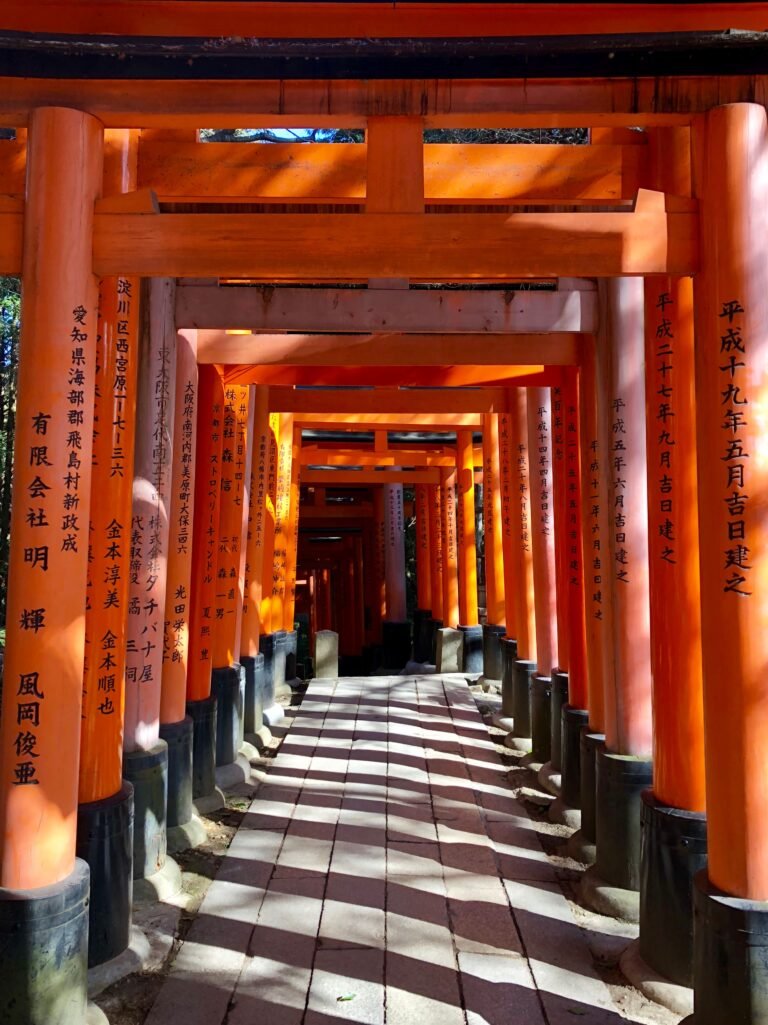
Most visitors to Fushimi come for exactly one reason: the thousands of vermilion torii gates climbing Inari mountain. Few realize that a short train ride further down the same line leads to one of Japan’s three most important sake-producing districts, a quiet grid of canals, willow trees, and working breweries that’s been making sake for roughly four centuries.
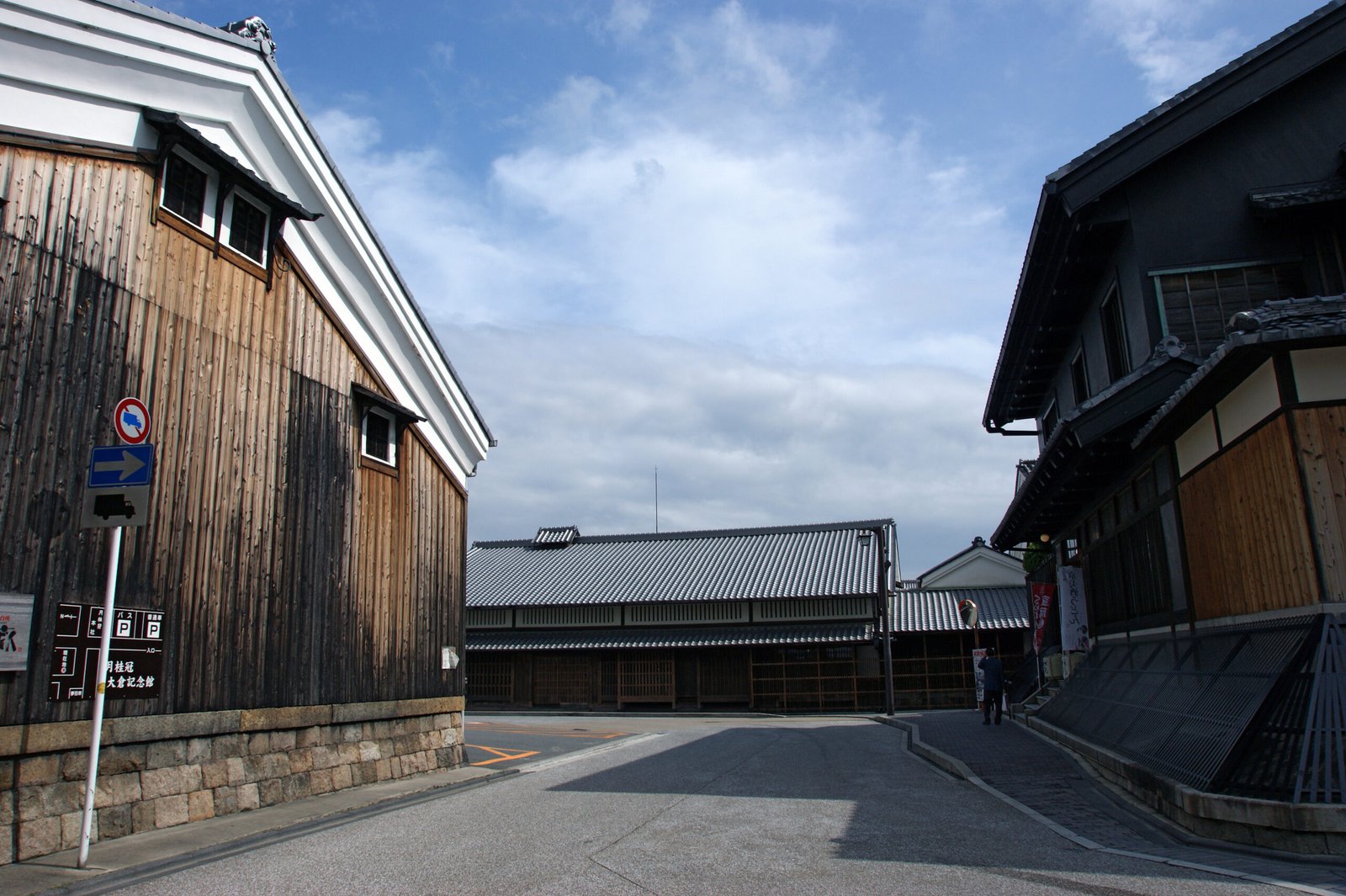
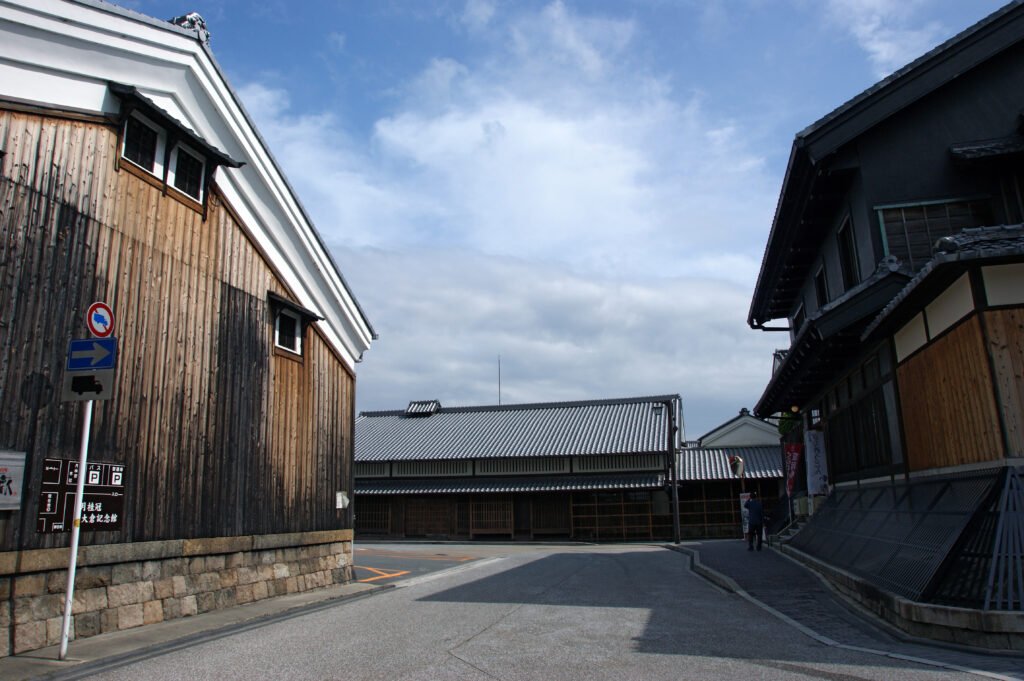
Fushimi’s soft, mineral-rich groundwater made it one of the country’s great brewing towns, and unlike Nada near Kobe, its historic breweries are still clustered close enough together to walk between. White-walled kura warehouses line the Horikawa canal, a museum runs you through the actual brewing process with a tasting at the end, and a slow, flat-bottomed boat still carries visitors along the same waterway sake barrels once traveled on their way to Osaka.
Here’s how to spend a couple of hours (or a half day) in the district, and how to pair it with Fushimi Inari for one full day in the neighborhood.
The Essentials at a Glance
| What | Details |
|---|---|
| Gekkeikan Okura Sake Museum | ¥600 admission (includes a tasting), 9:30 a.m.–4:30 p.m., last entry 4:00 p.m., closed New Year and Obon |
| Jikkokubune canal boat | ¥1,900 adults, ¥900 children, about 55 minutes; runs late March–early December, closed late Nov–early Dec |
| Getting there | Keihan Chushojima or Fushimi-Momoyama stations (a few stops past Fushimi Inari), or JR Nara Line to Momoyama Station |
| From Fushimi Inari | A short ride further down the same JR Nara or Keihan line — easy to combine both in one day |
| Typical visit length | 2–3 hours for the museum and a walk; a half day with the canal boat added |
Getting There
Several stations put you within a short walk of the district. The Keihan Main Line runs to Chushojima or Fushimi-Momoyama Station, about 15–20 minutes and 320 yen from central Kyoto, with the sake district a 5–10 minute walk from either. The JR Nara Line’s Momoyama Station is about 12 minutes and 200 yen from Kyoto Station, and the Kintetsu Kyoto Line’s Momoyama-Goryomae Station is a similar distance. If you’re coming straight from Fushimi Inari, it’s just a few more stops on the same JR or Keihan line, no need to backtrack into central Kyoto first.
Gekkeikan Okura Sake Museum
Gekkeikan, one of Japan’s largest sake producers, runs its original Edo-period brewing hall as a museum a short walk from Chushojima Station. The ¥600 admission gets you through the historic tools and production process, with English explanations, and ends with a complimentary tasting, usually a small pour of a couple of different styles. It’s open 9:30 a.m. to 4:30 p.m., with last entry at 4:00, and closed around the New Year and Obon holidays.
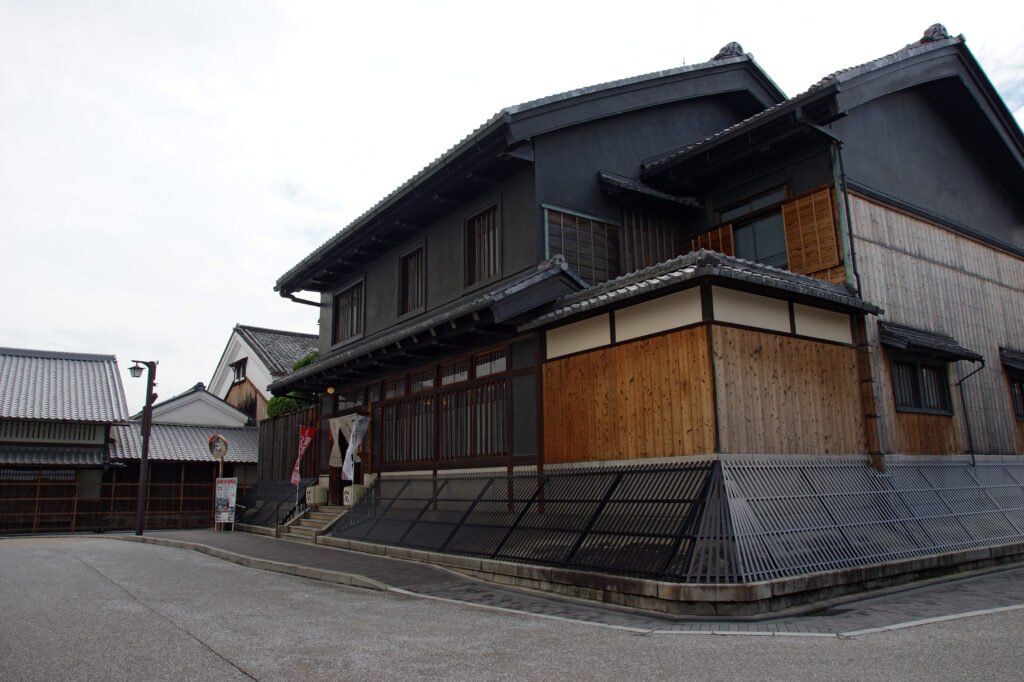
The Gekkeikan Uchigura brewery next door is still an active production site, not just a museum piece, and the view of its white kura warehouse walls from across the Horikawa canal is one of the most photographed spots in the district.
The Jikkokubune Canal Boat
Jikkokubune were the flat-bottomed cargo boats that once carried sake barrels and goods between Fushimi and Osaka along the Uji River. A restored version now runs sightseeing trips along the Horikawa canal, past the breweries and inns and rows of willow and cherry trees, out to where the canal meets the Uji River and back, about 55 minutes round trip.
Boats operate late March through early December, with a short gap in service in late November before it resumes in early December, and departures run through the morning and afternoon. Tickets are ¥1,900 for adults and ¥900 for children, bookable online in advance (the reservation site is Japanese-only) or same-day, first-come first-served, in cash starting at 9:30 a.m. at the boarding point south of the Gekkeikan museum. In peak season, showing up right at 9:30 for a same-day slot is safer than hoping for space later in the day.
Walking the Rest of the District
Teradaya Inn. A historic ryokan tied to the samurai Sakamoto Ryoma, who survived an assassination attempt here in 1866. Daytime admission is around ¥600 to see the rooms and exhibits connected to the incident.
Kizakura Kappa Country. A brewery-run restaurant and small museum space from a second major Fushimi producer, serving both sake and its own craft beer alongside food, a good lunch stop partway through the walk.
Gokonomiya Shrine. A shrine dedicated to the district’s famously good groundwater, the same water that made Fushimi a brewing town in the first place, with a public spring where you can taste it yourself.
Pairing It With Fushimi Inari
Because the sake district sits a short ride further down the same line as Fushimi Inari Taisha, the two combine naturally into one day without doubling back into central Kyoto. Do Inari first, ideally before 8 a.m. to beat the crowds on the mountain, then head to the sake district for the museum, lunch, and the canal boat if the timing works out. It’s a good change of pace after a crowded, uphill morning: flat, quiet streets and a sit-down tasting instead of more climbing.
Bottom Line
The Fushimi sake district is the easiest add-on to a Fushimi Inari visit that almost nobody makes, a short ride further down the line for a museum, a tasting, canal-side streets, and a boat ride through four centuries of brewing history. Budget half a day if the canal boat’s schedule lines up, or just a couple of hours for the museum and a walk if it doesn’t.