Kyoto’s Traditional Crafts: A Practical Guide to Nishijin Weaving, Kiyomizu Pottery, and Kyo-Yuzen
Kyoto has been Japan’s crafts capital since it was the imperial capital, and centuries of demand from the court and the city’s tea houses left behind a concentration of workshops that no other Japanese city can match. Three trades in particular define the city’s reputation: Nishijin-ori silk weaving, Kiyomizu-yaki pottery, and Kyo-yuzen dyeing.
This guide covers what each craft actually is, where to see artisans still working by hand, and which workshops let you try it yourself.
The Essentials at a Glance
| What | Details |
|---|---|
| When | Most workshops and museums open daily, roughly 9:00–17:00 |
| Where | Nishijin (northwest Kyoto) for weaving; Gojozaka and Chawan-zaka (Higashiyama) for pottery; yuzen studios citywide |
| Cost | Museum entry roughly ¥500–¥1,000; hands-on workshops from about ¥3,000 |
| Hands-on options | Weaving, pottery painting, and yuzen dyeing workshops are all bookable |
| Typical visit length | 1–2 hours per workshop or museum |
| Best for | Visitors who want a souvenir they made themselves, not just bought |
Nishijin-ori: Kyoto’s Historic Silk Weaving
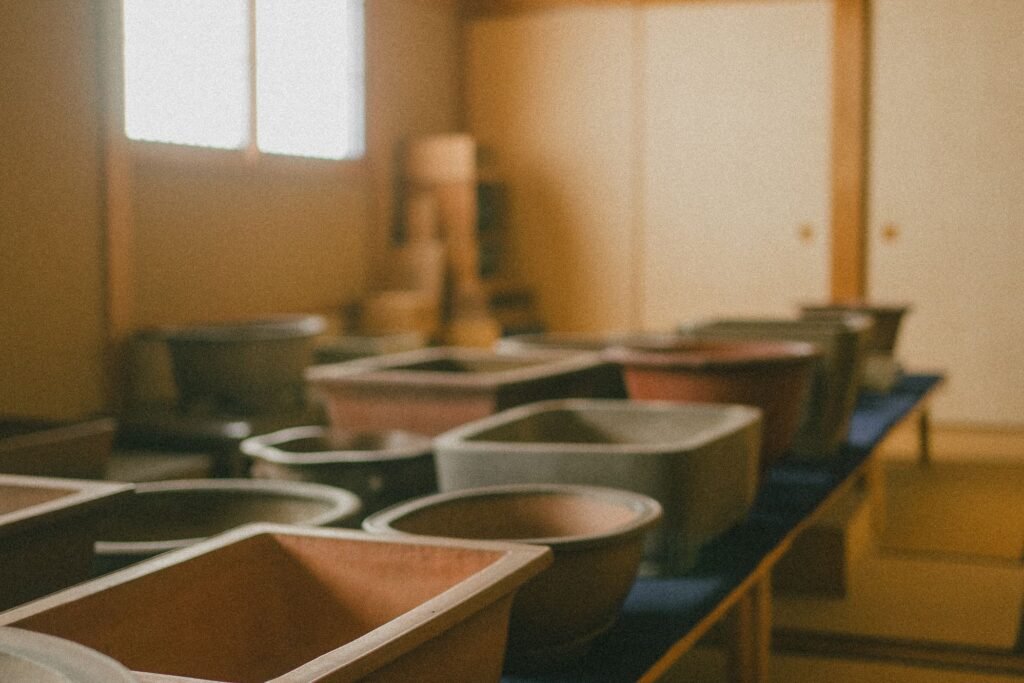
Nishijin, in the city’s northwest, takes its name from a wartime military camp and has been Kyoto’s weaving district for over 500 years, producing the elaborate brocade obi worn with formal kimono. The weaving itself uses a jacquard-style process to build multicolor patterns thread by thread, a technique that can take years to master and is still practiced in small family workshops along the district’s narrow streets.
The Nishijin Textile Center is the easiest way to see the craft up close, with free weaving demonstrations, a small museum, and kimono fashion shows running through the day.
Kiyomizu-yaki: Pottery from the Higashiyama Hills
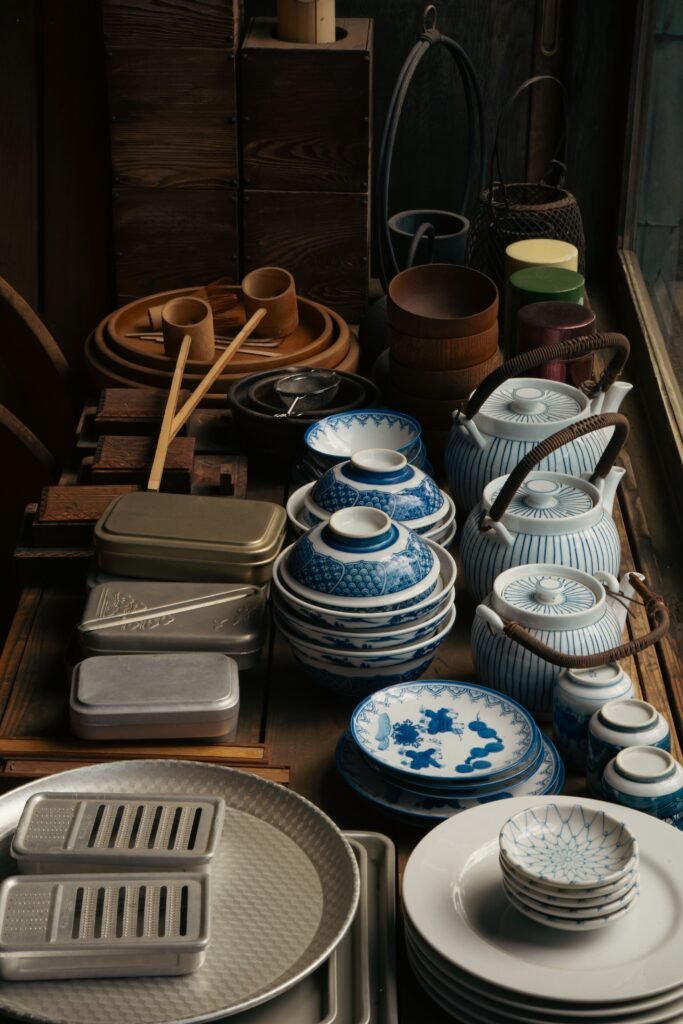
Kiyomizu-yaki refers to the hand-painted porcelain and stoneware produced along the slopes leading up to Kiyomizu-dera, particularly the lanes of Gojozaka and Chawan-zaka. Unlike mass-production pottery towns, the district is still made up of small kilns and family galleries, many open to browsers as well as buyers.
Several studios along these lanes offer pottery-painting sessions: you paint a pre-shaped cup or bowl, and the studio glazes, fires, and ships it to you afterward.
Kyo-Yuzen: Hand-Dyed Silk Kimono
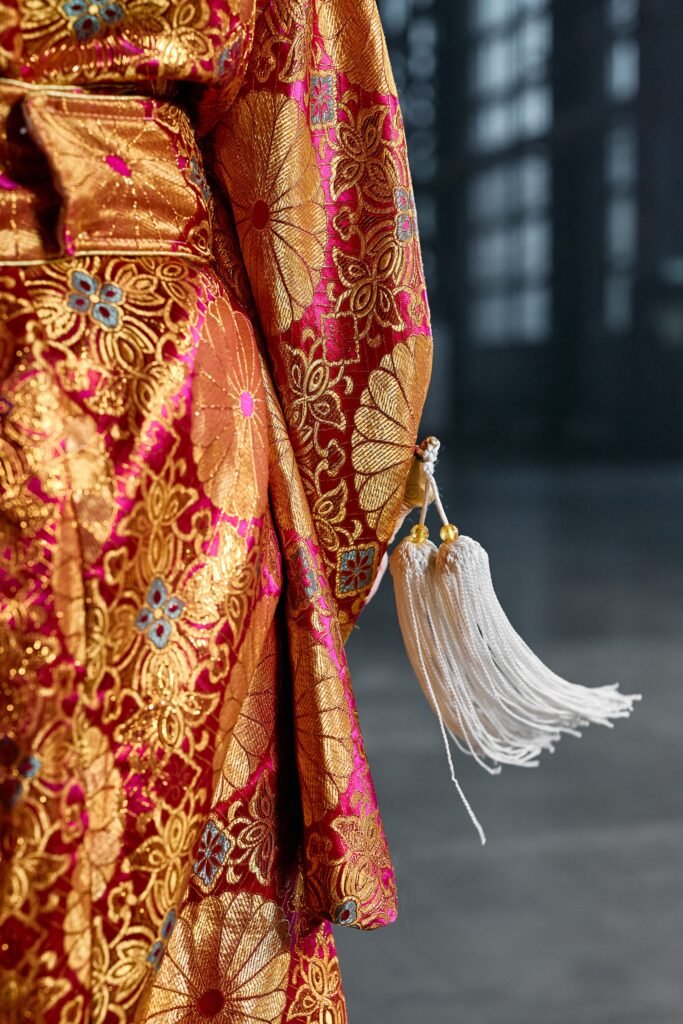
Kyo-yuzen is a rice-paste resist-dyeing technique developed in Kyoto in the 17th century and traditionally credited to the fan painter Miyazaki Yuzen. Artisans hand-paint elaborate floral and nature scenes onto silk using the paste to hold each color’s edges, a process that can take weeks for a single formal kimono.
A handful of studios around the city offer shorter yuzen experiences, letting visitors hand-paint a small item such as a handkerchief or tote bag using the same resist technique.
Hands-On Workshops
- Nishijin Textile Center — weaving demonstrations and a short taster lesson, no reservation needed for the basic experience
- Kiyomizu-yaki pottery-painting studios along Gojozaka and Chawan-zaka — paint a piece and have it fired and shipped afterward
- Yuzen dyeing studios — hand-paint a small item using the same paste-resist technique used on kimono
- Most workshops run sessions in English as well as Japanese and take reservations online
Nearby, If You Have More Time
The Kiyomizu-yaki pottery lanes sit directly below Kiyomizu-dera, so a pottery stop folds naturally into a temple visit. Nishijin, in the northwest of the city, is best combined with a separate day exploring that side of Kyoto.
Where to Stay Nearby
Higashiyama, near the pottery lanes and Kiyomizu-dera, is one of the more convenient bases if crafts are a priority. Our Kyoto neighborhood comparison guide covers how this area compares to staying near Nishijin or central Kyoto.
Booking.com is a reasonable place to check availability in either area.
Bottom Line
Kyoto’s craft traditions are still working trades, not museum pieces — Nishijin looms, Kiyomizu-yaki kilns, and yuzen studios are all still producing for kimono shops and tea houses today. Book a hands-on session if you want a souvenir you made yourself rather than one bought off a shelf.