Shinnyodo: A Practical Guide to Kyoto’s Nodding Amida Temple
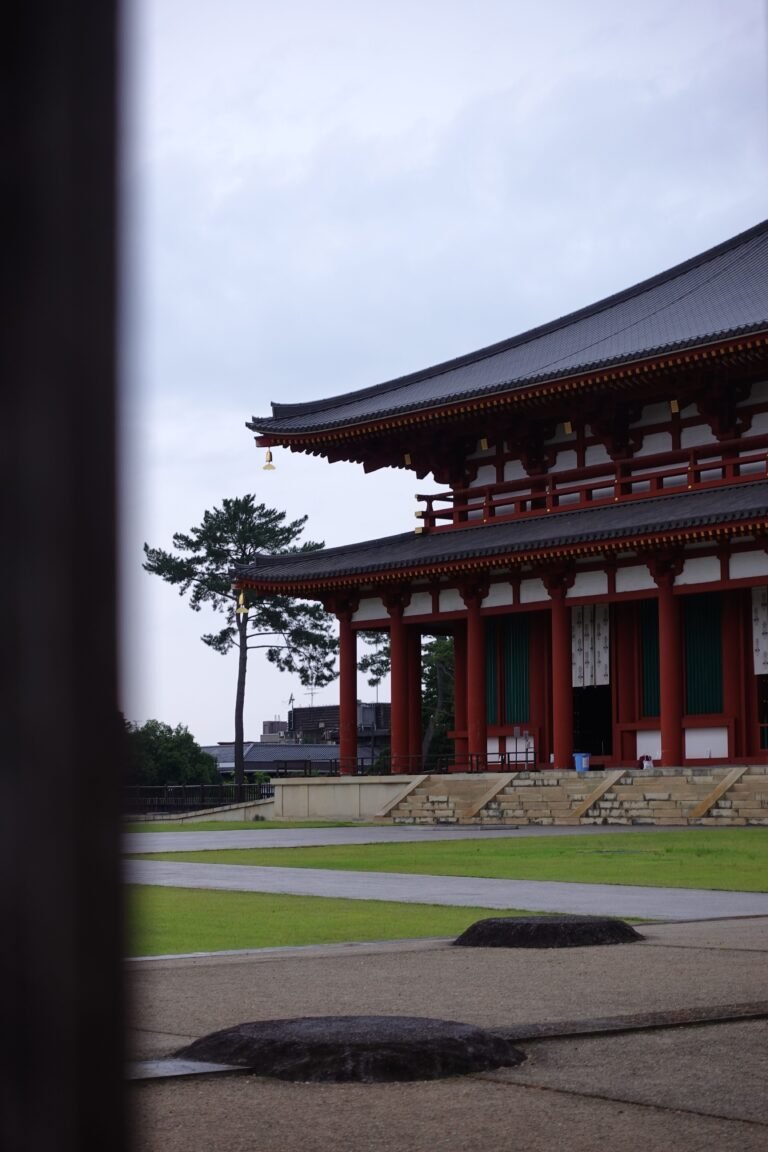
Most visitors heading toward Ginkaku-ji or the Philosopher’s Path walk right past the turnoff for Shinnyodo without knowing it’s there, and that’s more or less the point of the place. Formally called Shinshogokuraku-ji, “the true temple of paradise,” this Tendai-sect temple in the quiet Jodoji neighborhood of Sakyo-ku has a three-story pagoda, a legendary Buddha statue, and one of Kyoto’s better autumn foliage displays, all without the crowds that build up at the city’s bigger-name temples a short walk away.
The Essentials at a Glance
| What | Details |
|---|---|
| Hours | 9:00 a.m.–4:00 p.m. daily (last entry 3:45 p.m.); no regular closing days |
| Admission | Grounds and pagoda: free; main hall inner chamber and gardens: around ¥500, roughly doubling during the peak spring and autumn weeks |
| Access | Kyoto City Bus #5 to Shinnyodo-mae, then a 5–10 minute walk; about 20 minutes on foot from Ginkaku-ji |
| Visit length | 45 minutes to an hour for the grounds and main hall |
| Best time | Late November for autumn color, on the quieter side compared with Kyoto’s headline foliage spots |
| Known for | The Unazuki Amida (“Nodding Amida”) statue, a three-story pagoda, and two contemplative dry gardens |
A Temple That Outlasted a War by Leaving Town
Shinnyodo was founded in 984 by a monk from Enryaku-ji, the head temple of the Tendai sect on Mount Hiei, which is why the layout and atmosphere here feel closer to a mountain monastery than to the showier temples built by shoguns and clans elsewhere in the city. That connection to Enryaku-ji mattered during the Onin War of 1467 to 1477, when fighting leveled much of Kyoto and Shinnyodo’s original buildings were destroyed along with them. Rather than lose everything, the temple’s principal statue was moved for safekeeping, spending time near Otsu and back up on Mount Hiei itself, before the temple was finally rebuilt on its current site in 1693. Everything standing today, including the pagoda, dates from that rebuilding or later, which is part of why the grounds feel unusually cohesive for a temple with such an old founding date.
The Statue That Nodded Three Times
The temple’s centerpiece is the Unazuki Amida, one of Japan’s older wooden Buddha statues and the reason locals still refer to the whole complex informally as Shinnyodo rather than by its full name. According to temple legend, the sculptor asked the newly carved statue whether it would commit to protecting ordinary people, specifically the poor and women of the town, groups that other temples of the era were not always eager to serve. The statue is said to have nodded three times in agreement, and the nickname stuck. That origin story is part of why Shinnyodo built a reputation as an approachable neighborhood temple rather than an aristocratic one, and it’s still a popular stop for prayers related to safe childbirth and family wellbeing.
Pagoda, Gardens, and a Kamakura-Era Jizo
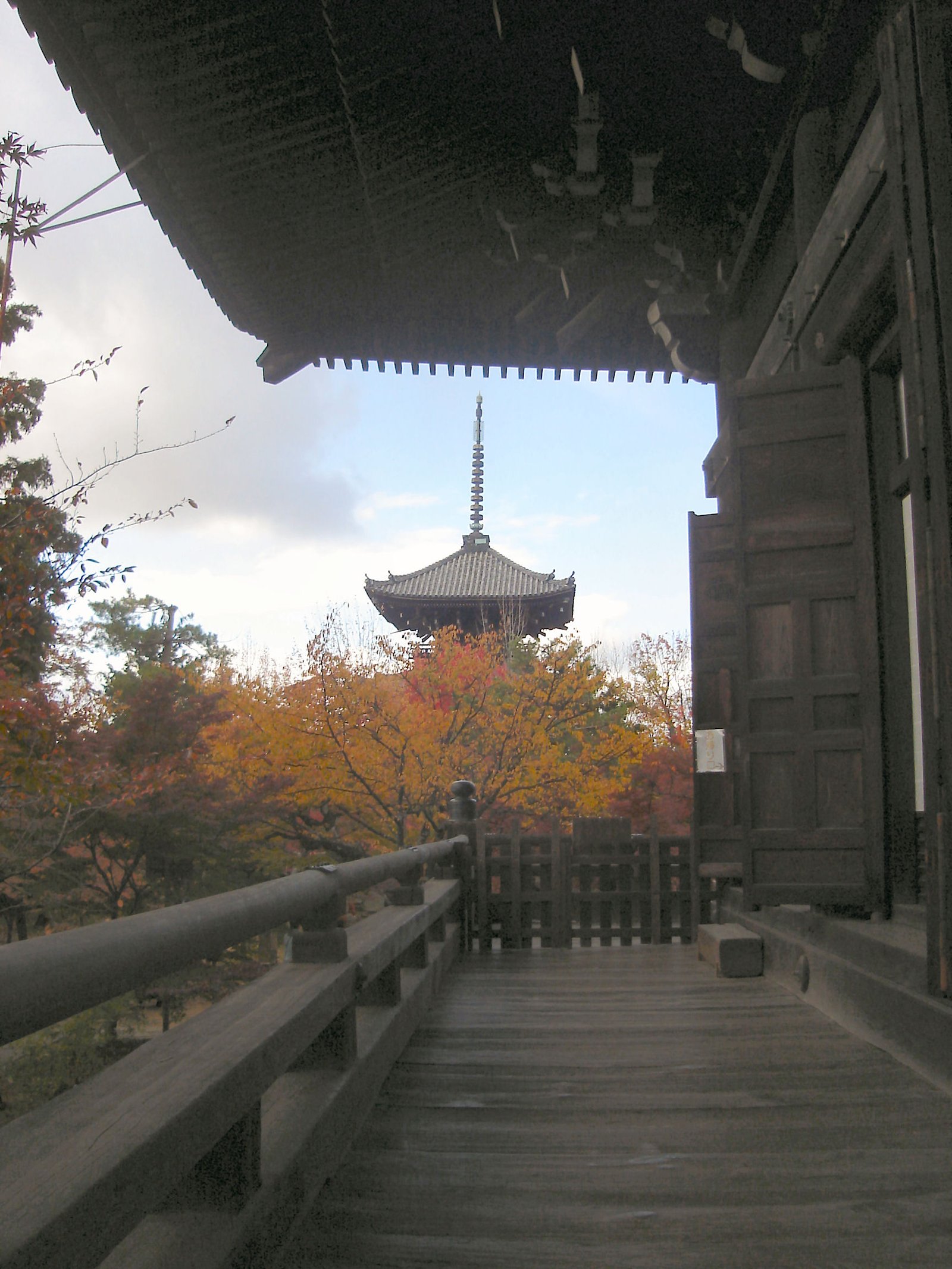
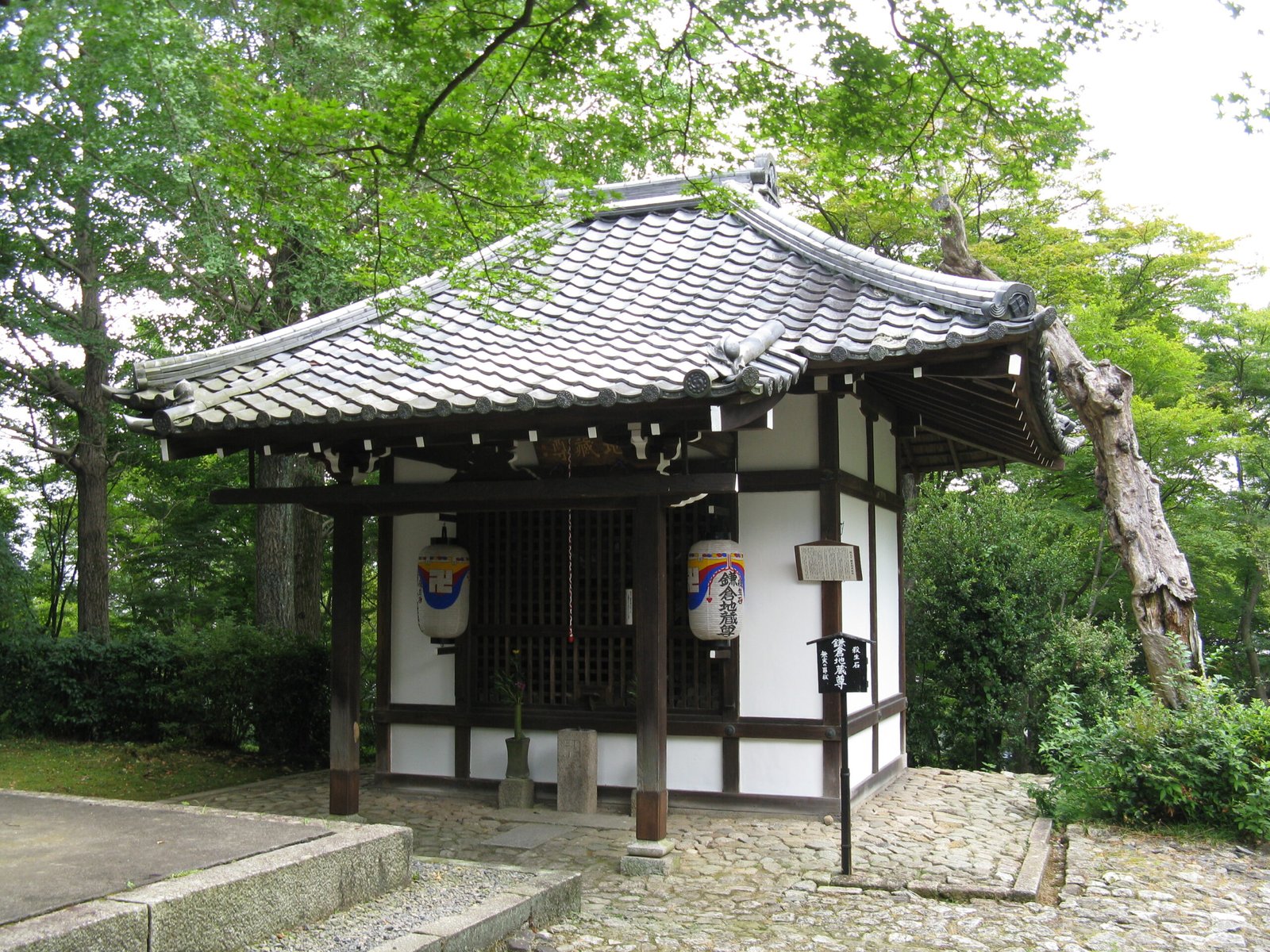
The three-story pagoda standing on the grounds is one of the tallest wooden pagodas in the city and is easy to view from several angles without paying the inner-hall admission, since most of the grounds are free to walk. Paying to go inside gets you access to the main hall’s gold-leaf canopy and ornate fittings, along with statues of Monju Bodhisattva and Saicho, the founder of Tendai Buddhism in Japan, plus a pair of large hanging paintings that are swapped out every six months. From the main hall, a corridor leads to a shoin pavilion overlooking two dry gardens: Nehan no Niwa, which arranges stones to represent the Buddha’s death, and Zuien no Niwa, a more modern garden added in 2010 with a geometric, almost abstract layout. Around the grounds you’ll also find older stonework, including a Kamakura-period jizo statue that predates the current buildings by centuries.
When to Go for Autumn Color
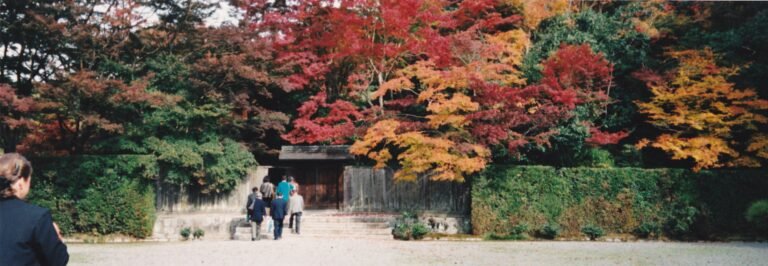
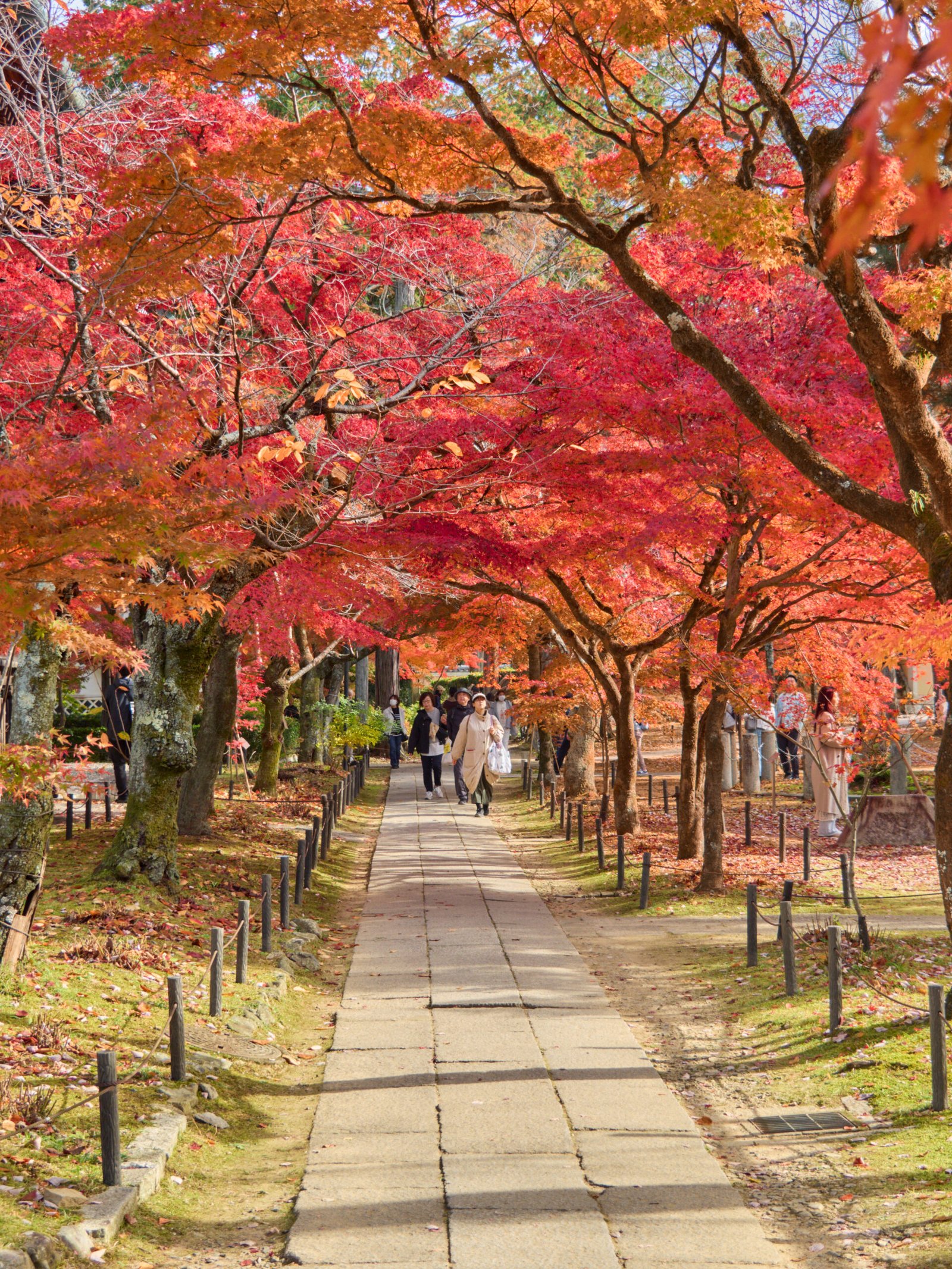
Shinnyodo is one of the temples locals tend to mention when the well-known foliage spots get too crowded to enjoy. The maples here typically peak around late November, a little later than some of the city’s more famous viewing points, and the grounds rarely feel packed even at the height of the season. It’s a reasonable rule of thumb that if a temple isn’t near the top of everyone’s must-see list, it’s usually a calmer place to actually stand still and look at the trees. For the wider picture on timing a Kyoto trip around the leaves, our Kyoto Autumn Foliage guide covers the citywide koyo season in more depth, and our Best Time to Visit Kyoto guide is useful if autumn color is only one factor in when you’re planning to come.
Getting There and Pairing It With Ginkaku-ji
Shinnyodo sits close enough to two of northern Higashiyama’s better-known sights that it slots naturally into a half-day loop. It’s roughly a 20-minute walk from Ginkaku-ji, and the walk between the two can be routed along part of the Philosopher’s Path if you don’t mind adding a little distance for the canalside scenery. By bus, City Bus #5 stops at Shinnyodo-mae a short walk from the main gate; note that the temple isn’t covered by the JR Pass since it involves a city bus rather than a JR line. Because the grounds are compact, it pairs easily as a quieter add-on to a bigger Higashiyama day rather than needing to anchor one on its own.
Practical Tips
Budget extra time if you’re visiting during the peak admission weeks in spring and autumn, since the inner hall can see a steady trickle of visitors even though the outer grounds stay uncrowded. Photography is generally fine outdoors, but check posted signage before photographing inside the main hall, where rules can vary by season and by which paintings are on display. The walk in from the bus stop and from Ginkaku-ji is flat and easy, but wear shoes you don’t mind removing, since the main hall interior is tatami and shoes-off like most temple halls in Kyoto.
Bottom Line
Shinnyodo won’t be the temple that ends up on your Kyoto highlight reel, and that’s exactly why it’s worth the detour: a genuine legend behind its main statue, a pagoda you can view without paying admission, and autumn color that peaks without the crowds. If you’re already routing between Ginkaku-ji and the Philosopher’s Path, the extra twenty minutes it takes to swing by is easy to justify.