Where to Stay in Kyoto: A Neighborhood Comparison Guide
You’ve booked the flight. You’ve blocked off four or five days for Kyoto. Now comes the part that trips up more travelers than they expect: picking a neighborhood to sleep in.
It sounds minor. It isn’t. Kyoto sprawls across a wide basin, and the difference between a hotel five minutes from Kiyomizu-dera and one 40 minutes away by train changes your whole trip. You lose mornings to commuting instead of temple-hopping. You end up eating at the same 7-Eleven near your hotel because everything else closed by the time you got back. I’ve lived here for years now, and I still watch visiting friends make this mistake — they book a place near Kyoto Station because it looks central on a map, then spend half their evenings on the JR line instead of wandering.
This guide isn’t about which hotel chain has the softest pillows. It’s about which part of the city fits how you actually want to spend your days, and that answer doesn’t really change year to year. Machiya guesthouses in Gion aren’t suddenly going to move next to Arashiyama’s bamboo grove. So this comparison should hold up whether you’re reading it now or eighteen months from now.
And it’s not just first-timers who get this wrong. Friends of mine on their third Kyoto trip still booked near Kawaramachi expecting quiet mornings, then wondered why the street noise started at 7 a.m. The neighborhood was doing exactly what it always does. They just hadn’t matched it to what they wanted that particular week.
Three Questions That Actually Decide Where You Should Sleep
Before you look at star ratings or lobby photos, work through these three things. They matter more than almost anything else.
1. How far are you from the sights you actually care about?
Kyoto has over 1,600 Buddhist temples and 400 Shinto shrines, spread across a city that’s roughly 15 kilometers north to south. No single neighborhood puts you close to all of it. Figure out your top three or four must-see spots first, then pick a base near those — not the other way around.
2. What kind of nights do you want?
Some neighborhoods go quiet by 9 p.m., with nothing but vending machine hum and the occasional bicycle bell. Others stay loud until 1 a.m. with izakayas spilling onto the sidewalk. Neither is wrong. But booking a “peaceful ryokan experience” in the middle of Kyoto’s busiest nightlife strip is a mismatch you’ll feel by night two.
3. What are you actually getting for the price?
A room near Kiyomizu-dera at $120 a night and a room near Kyoto Station at $80 a night aren’t really comparable unless you factor in the train fares and time you’ll spend getting around. Do the math on total cost, not just the nightly rate.
A one-day bus pass runs about 700 yen, and a subway-and-bus combo pass costs around 1,100 yen. If you’re taking three or four rides a day from a station-area hotel, that adds up over a five-night stay. Add it into your comparison before you decide the “cheaper” room is actually cheaper.
Kyoto’s Six Main Base Neighborhoods, Compared
| Neighborhood | Best For | Walk to Major Sights | Night Atmosphere | Typical Price (per night) | Nearest Station |
|---|---|---|---|---|---|
| Gion | First-timers wanting old Kyoto | 10–20 min to Kiyomizu-dera, Yasaka Shrine | Quiet after 9 p.m., some izakaya noise near Hanamikoji | $100–250 | Gion-Shijo (Keihan) |
| Higashiyama | Temple-focused itineraries | 5–15 min to Kiyomizu-dera, Kodai-ji, Ninenzaka | Very quiet, residential | $90–220 | Kiyomizu-Gojo (Keihan) |
| Kawaramachi / Shijo | Shopping, nightlife, food | 15–25 min to most temples by bus or train | Loud until midnight or later | $70–180 | Kawaramachi (Hankyu) |
| Kyoto Station Area | Convenience, day trips out of town | 20–40 min to most sights, but excellent transit hub | Busy but not rowdy | $60–150 | Kyoto Station (JR) |
| Arashiyama | Nature, slower pace, longer stays | 5–10 min to the bamboo grove, Tenryu-ji | Very quiet, closes early | $80–200 | Arashiyama (Randen/JR) |
| Fushimi | Fushimi Inari, budget travel | 5–15 min to the shrine gates, farther from central Kyoto | Quiet, local sake-brewing town | $50–130 | Fushimi-Inari (JR) |
Prices swing with season and room type, so treat these as rough bands, not quotes. If you want to check what’s actually open on your dates, search Kyoto stays on Booking.com — filtering by neighborhood makes this whole comparison a lot more concrete.
Pros and Cons, Neighborhood by Neighborhood
Gion
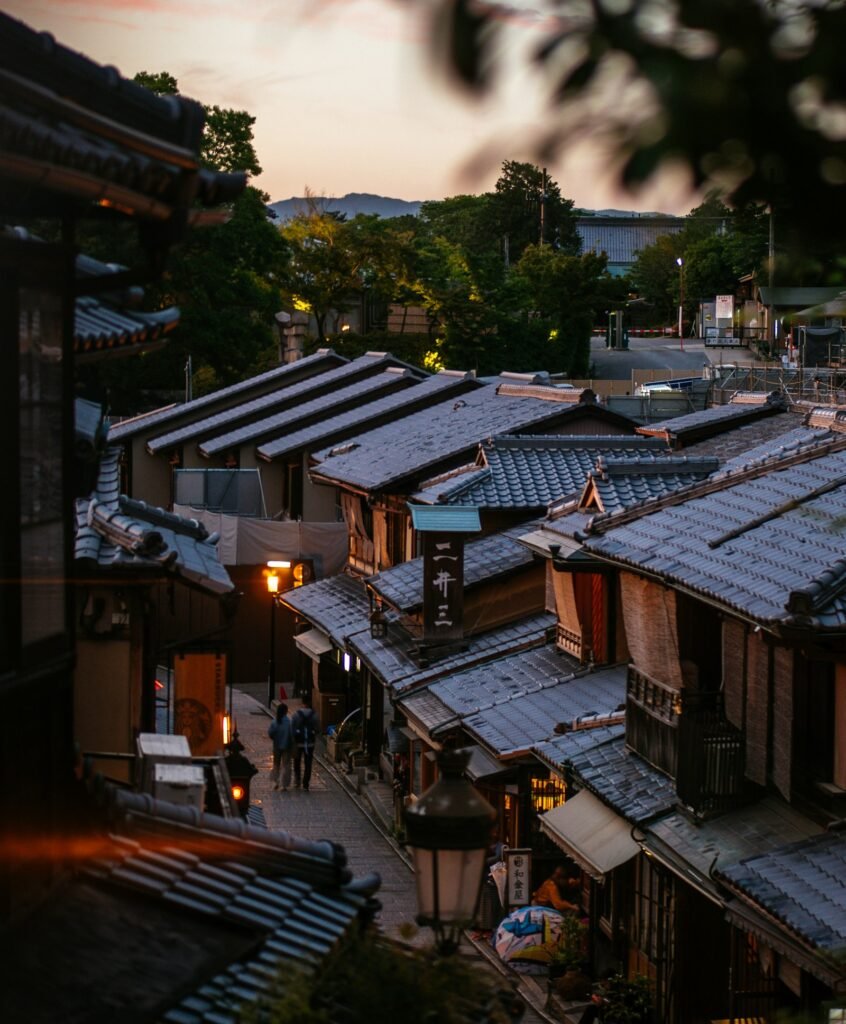
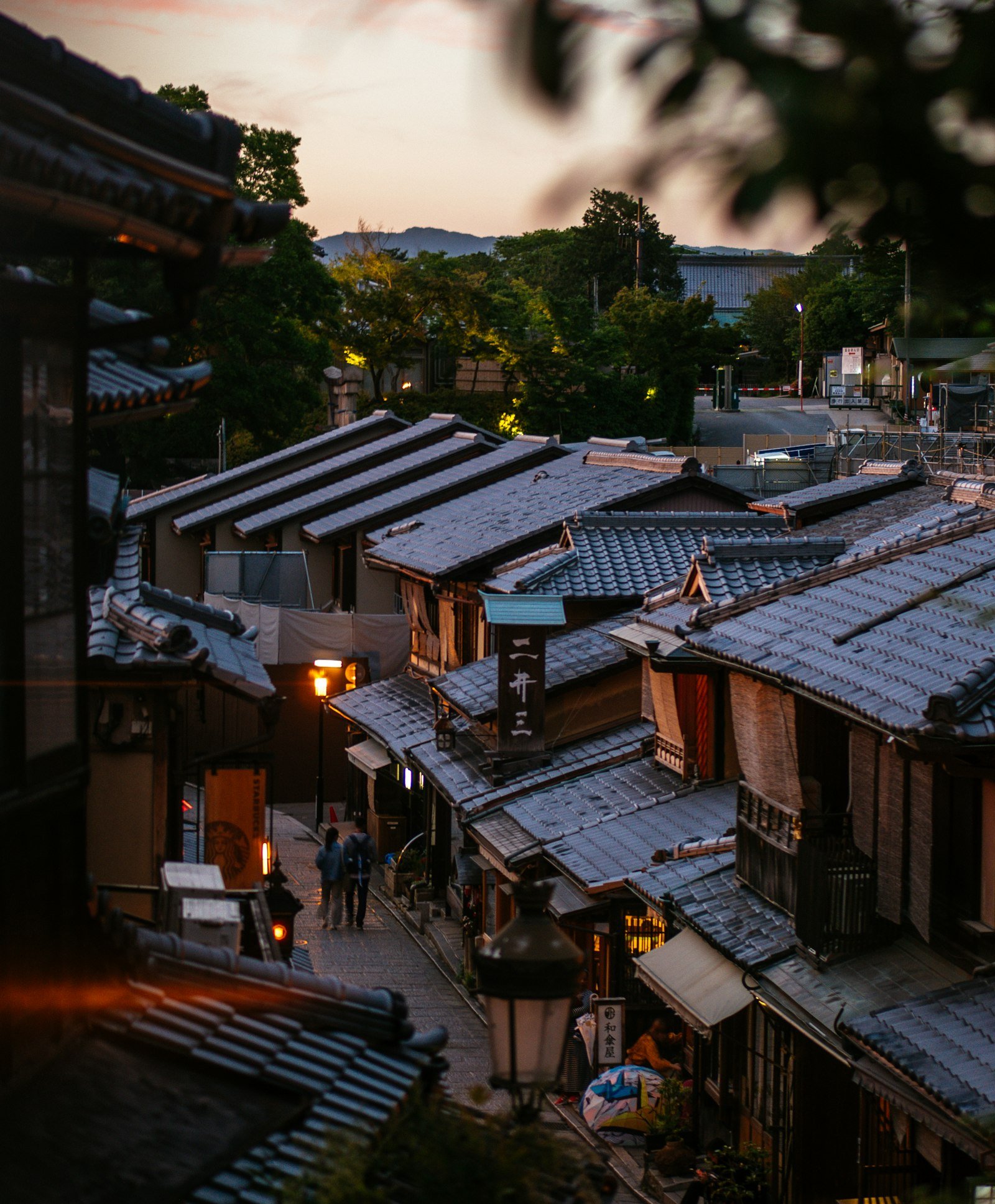
Gion is the postcard version of Kyoto — narrow lanes, wooden machiya facades, the occasional geiko hurrying to an appointment. Staying here puts you inside that atmosphere instead of visiting it for an afternoon.
The catch: rooms book up fast, and a lot of the “traditional” guesthouses are small, with shared bathrooms and thin walls. And the area draws heavy foot traffic during the day, so if you’re picturing an empty lane for photos, you’ll want to go out before 7 a.m.
Higashiyama
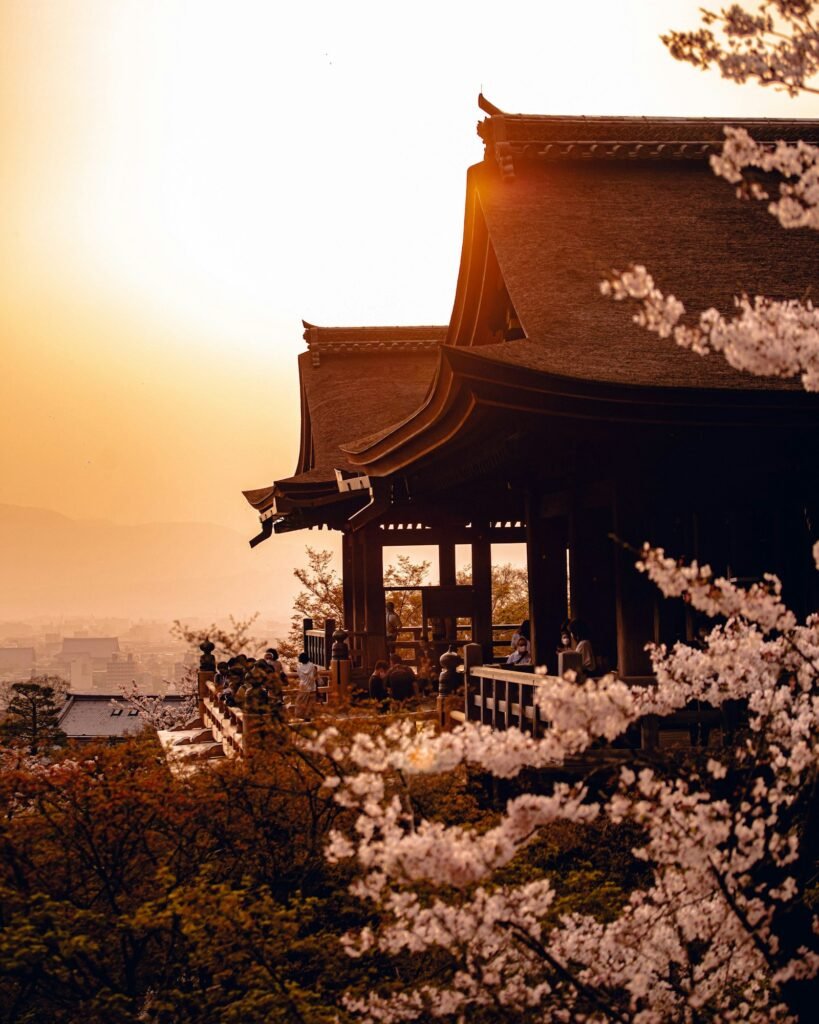
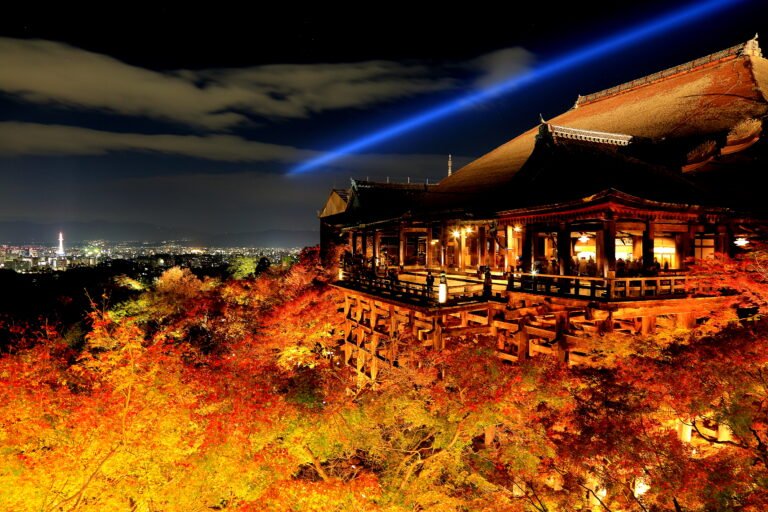
This is the temple-hopping sweet spot. Kiyomizu-dera, Kodai-ji, and the Ninenzaka and Sannenzaka slopes are all within a 15-minute walk of most hotels here. It’s arguably the single best area for a first Kyoto trip.
Downside: it’s almost entirely residential and traditional inns, so nightlife is thin. If you want a bar after 10 p.m., you’re taking a taxi.
Kawaramachi / Shijo
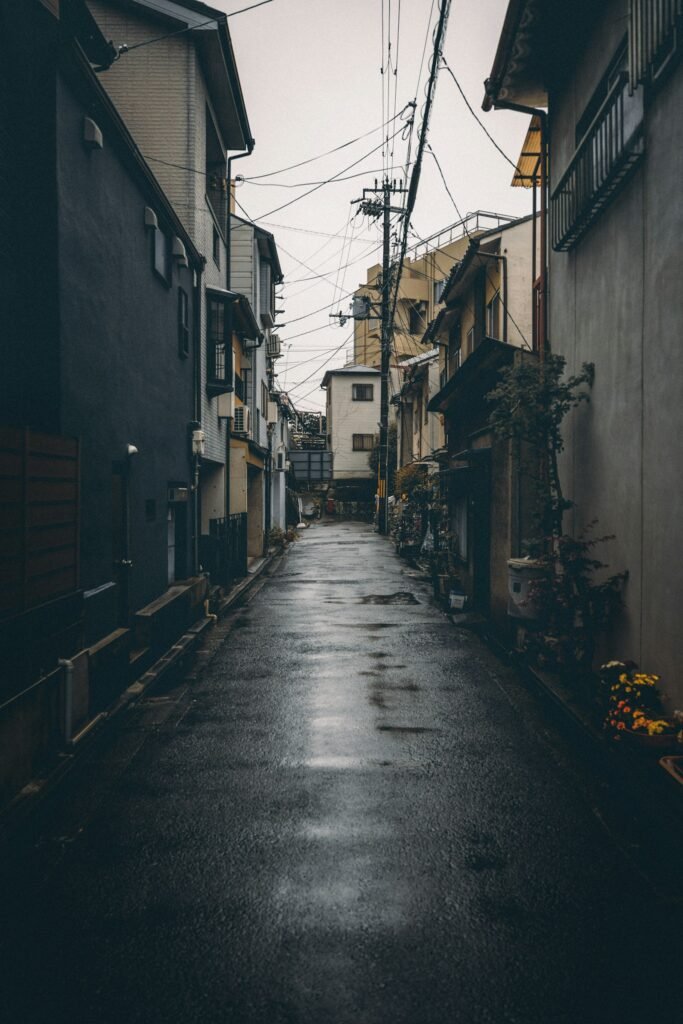
This is downtown Kyoto — department stores, ramen shops open past midnight, the Nishiki Market food stalls. It’s the most convenient area for eating well without planning ahead.
But it’s not close to most temples. You’ll spend real time on buses or the subway most days, and Kyoto’s buses get crowded enough in peak season that standing the whole ride isn’t unusual.
Kyoto Station Area
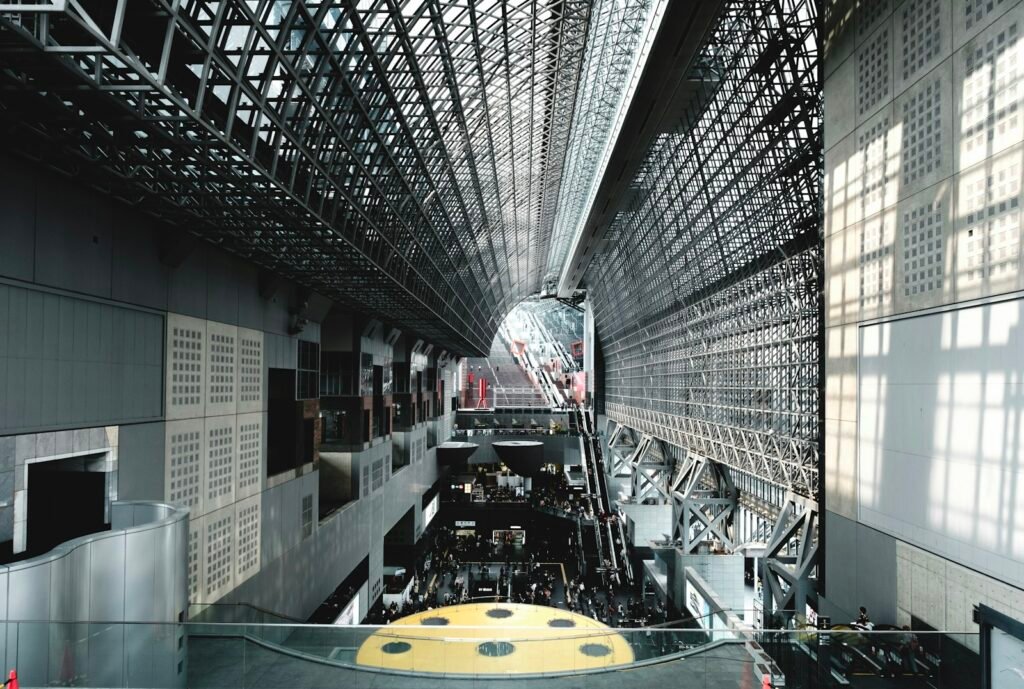
Kyoto Station is a genuine transit hub — Shinkansen, JR lines, subway, and buses all converge there. If your trip includes day trips to Nara or Osaka, this location saves real time.
The tradeoff is atmosphere. Hotels here tend to be modern business-style boxes, and you lose that “staying inside old Kyoto” feeling. It’s practical, not charming. I’d pick it for a trip built around day trips, not for a Kyoto-only stay.
Arashiyama
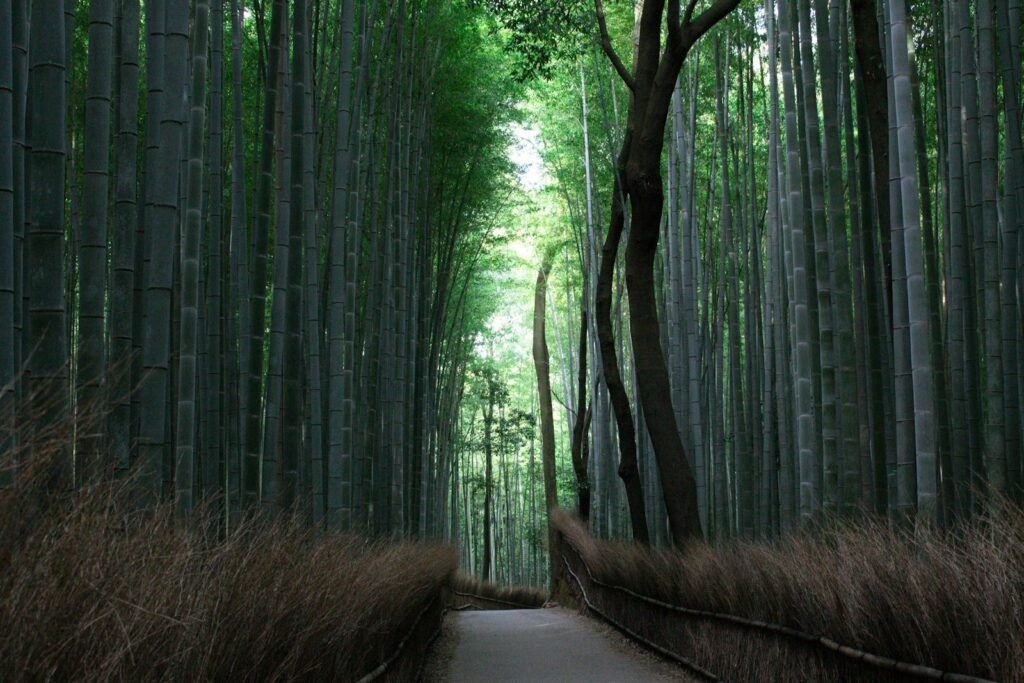
Arashiyama gives you the bamboo grove and the Togetsukyo Bridge basically at your doorstep, plus a slower, more residential pace than central Kyoto. Mornings here, before the tour buses arrive around 9 a.m., are genuinely peaceful.
The problem is distance from everything else. Central Kyoto is a 20–30 minute train ride away, and once shops close around 6 or 7 p.m., the area goes quiet fast. Fine if you want a slow trip. Frustrating if you want options at night.
Fushimi
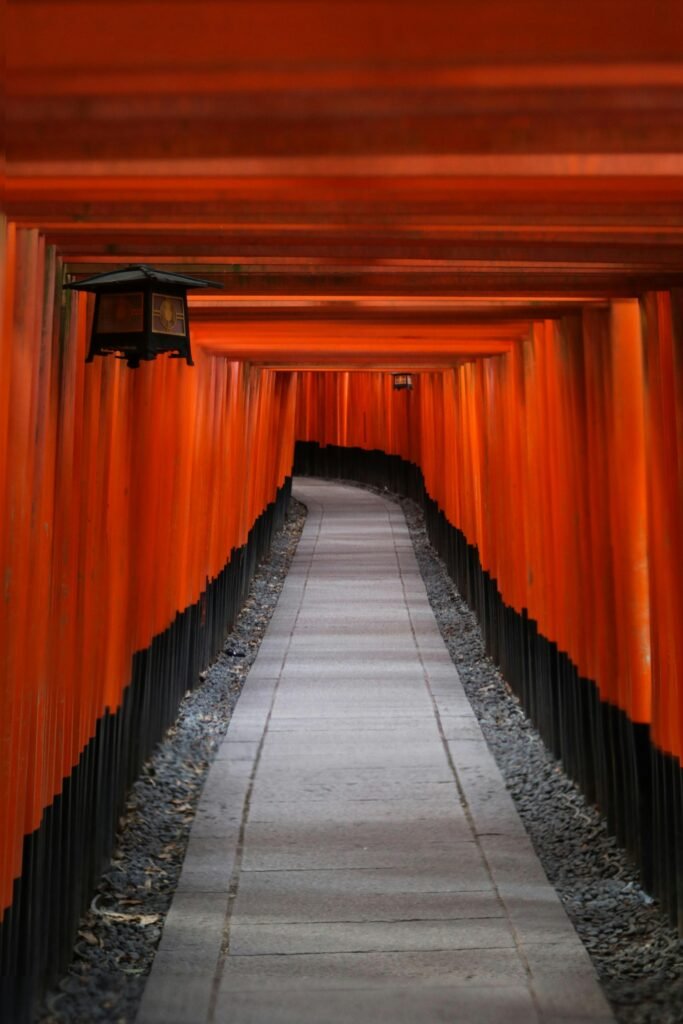
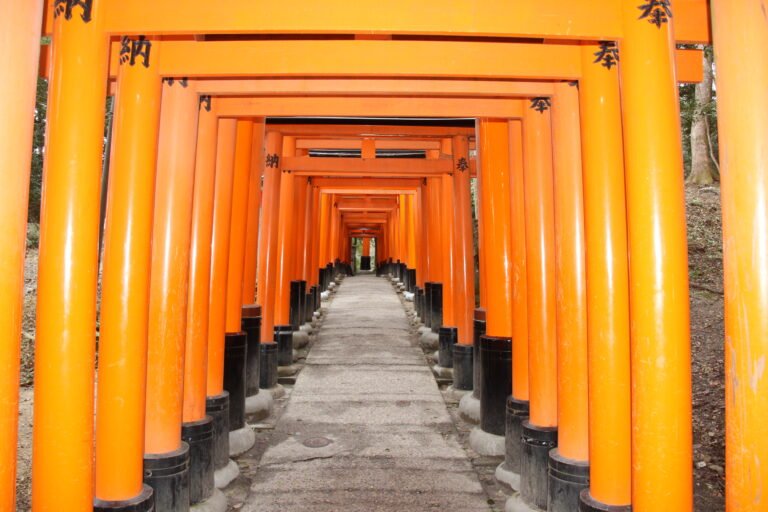
Fushimi puts you a short walk from the famous torii gate tunnels at Fushimi Inari Taisha, and it’s also home to Gekkeikan and other sake breweries you can tour. Prices tend to run lower than central neighborhoods too.
It’s a real trade, though. You’re further from Higashiyama and Gion, and the area itself is quieter and more local — fewer English menus, fewer late-night options. Good for budget and shrine access. Not the pick if variety matters more to you.
Matching the Neighborhood to Your Trip
If this is your first time in Kyoto and you have three or four days, Higashiyama or Gion covers the most ground on foot. You’ll spend less time on trains and more time actually looking at things.
If you’re combining Kyoto with Osaka or Nara as day trips, Kyoto Station’s transit access is hard to beat, even if the neighborhood itself is unremarkable.
If you want fewer crowds and don’t mind planning around earlier closing times, Arashiyama works well for a two- or three-night add-on rather than your whole stay.
Traveling on a tighter budget, or building your trip around Fushimi Inari specifically? Fushimi gives you both, and it’s an easy 5-minute train ride into central Kyoto when you want it.
And if nightlife and food variety matter as much as temples do, Kawaramachi keeps you close to dinner options at 11 p.m., even if it means a longer commute to Kiyomizu-dera in the morning.
Some travelers split the difference and book two neighborhoods across one trip — three nights in Higashiyama, then two in Arashiyama, for example. It adds a bit of packing and unpacking, but it can solve the walkability-versus-nightlife tension pretty well. Worth comparing total cost against a single-base stay before you commit; Agoda’s Kyoto listings let you filter by area if you want to run the numbers yourself.
One thing I’d skip: hopping neighborhoods every single night. I helped a group of friends plan a three-neighborhood-in-four-nights trip once, and most of their “sightseeing time” turned into hauling suitcases to a new front desk. Two bases, maybe three on a longer trip, is plenty.
Bottom Line
There’s no single “best” neighborhood in Kyoto — only a best fit for what your days will actually look like. Walk-to-temple distance, how loud you want your evenings, and what you’re really paying once transit is factored in: those three things settle it more reliably than any ranking list.
If you only remember one thing from this guide, make it this: book based on your first three days’ plans, not a generic “central Kyoto” search. Higashiyama and Gion reward walkers. Kyoto Station rewards day-trippers. Arashiyama and Fushimi reward people willing to trade some convenience for quiet and lower prices. Pick the trade that matches the trip you’re actually taking, and the rest tends to fall into place.