A Day Trip to Kurama and Kifune: A Practical Guide to Kyoto’s Mountain Shrine and Temple
Thirty minutes north of central Kyoto on a single train line, the mountain village of Kurama and the neighboring shrine town of Kifune feel like a different country from the temple-packed streets around Kyoto Station. The two are connected by an hour-long forest hike over the mountain, which makes them one of the few day trips near Kyoto where the journey between sights is as much the point as the sights themselves.
This guide covers getting to Kurama, the hike over to Kifune, and what to do at each end — including the summer riverside dining that makes Kifune one of the most-booked reservations in the Kyoto area.
The Essentials at a Glance
| What | Details |
|---|---|
| Kurama-dera admission | ¥500 |
| Kifune Shrine | Free |
| By train from Kyoto | Keihan Main Line to Demachiyanagi, then Eizan Railway Kurama Line to Kurama Station (about 30 minutes, ¥470) |
| Hike between Kurama and Kifune | About 1 hour, steep in places |
| Kawadoko riverside dining | June–September, roughly ¥3,000–20,000 per person; reserve ahead |
| Typical time needed | Half a day (4–6 hours round trip from Kyoto) |
Getting There
Take the Keihan Main Line to Demachiyanagi Station, at the northern end of the line, then transfer to the Eizan Railway’s Kurama Line. The ride to Kurama Station, the line’s terminus, takes about 30 minutes and costs ¥470. If you would rather start at Kifune instead, get off one stop earlier at Kibuneguchi Station.
Starting at Kurama and finishing at Kifune is the more common direction, since it means hiking downhill into Kifune rather than up out of it — a meaningful difference given the trail’s steeper sections.
Planning Your Day
From Kurama Station, it is a short walk to Kurama-dera’s entrance, where a cable car (¥200 one-way) covers about half the climb if you would rather save your legs for the hike ahead. The trail continues past Yuki Shrine and the temple’s main hall, then crosses over the mountain and down into the Kifune valley — a walk of about an hour, with some genuinely steep stretches, mostly through forest.
Once in Kifune, the shrine itself takes 20–30 minutes to see properly. If you are visiting between June and September, decide on kawadoko dining before you leave home — the riverside platform restaurants along the approach to the shrine book up well in advance, especially for evening seatings. Outside that window, Kurama Onsen, a 10-minute walk from Kurama Station, is a good way to close out the hike instead.
What You’ll See
Kurama-dera. This mountainside temple is best known as the birthplace of Reiki healing practice and as the childhood training ground of Minamoto no Yoshitsune in local legend, but its Fire Festival, held every October 22 at the on-site Yuki Shrine, is the more tangible draw — one of Kyoto’s most dramatic and least tourist-oriented festivals.
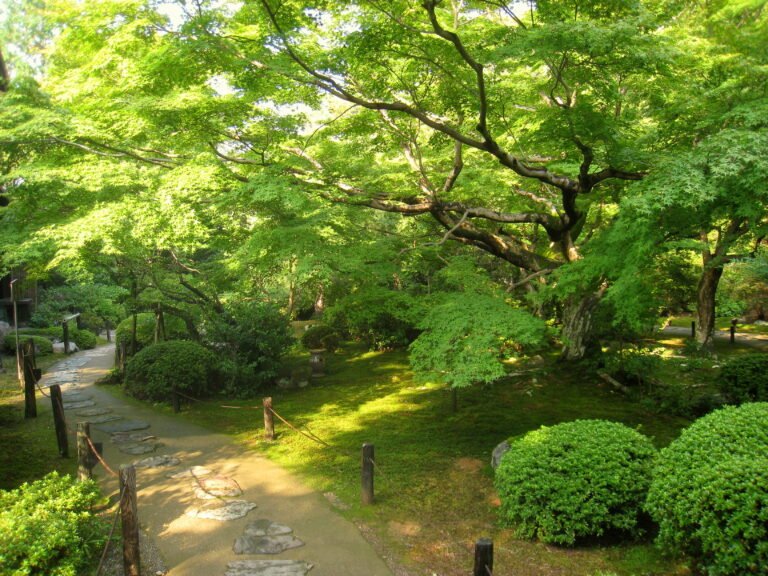
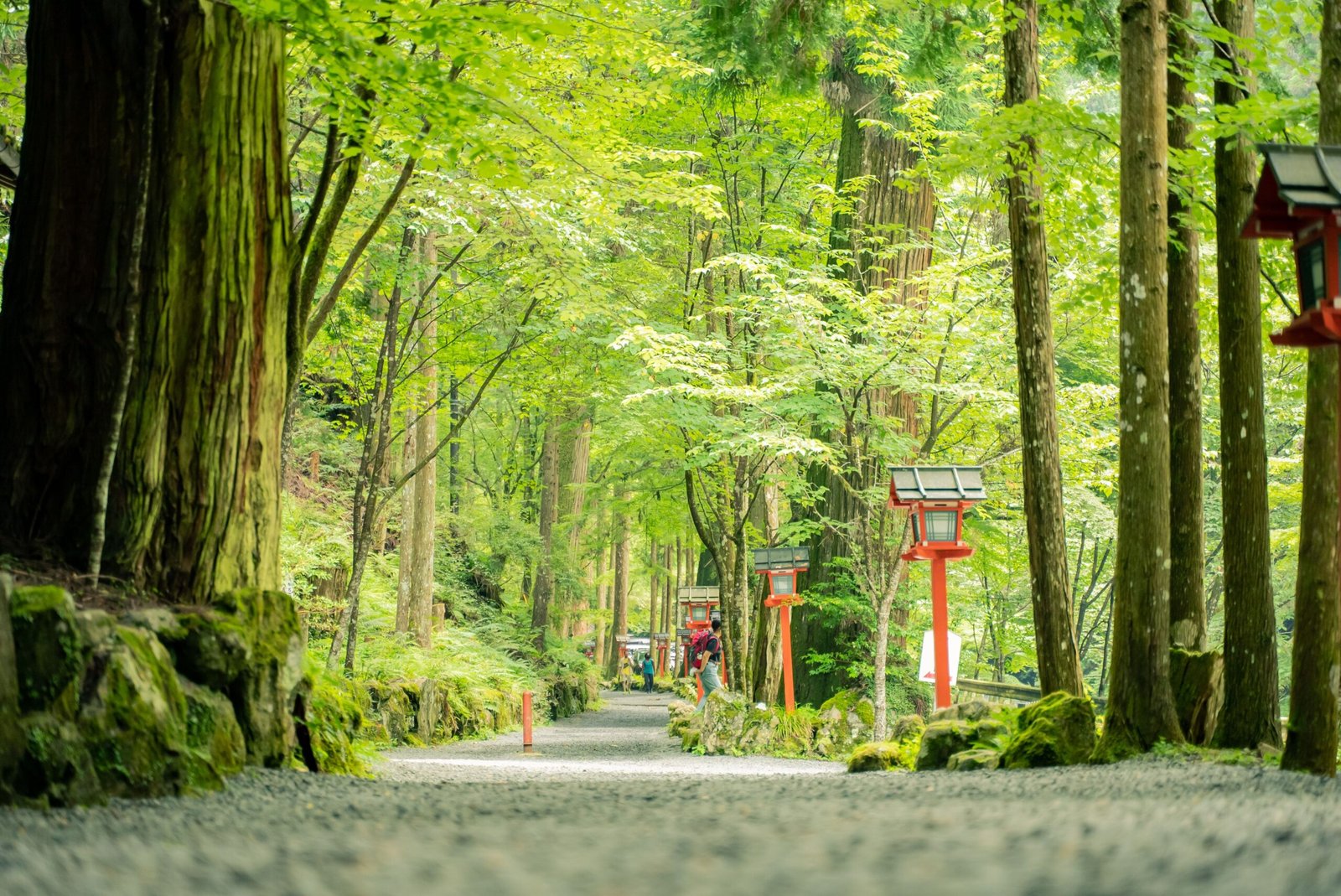
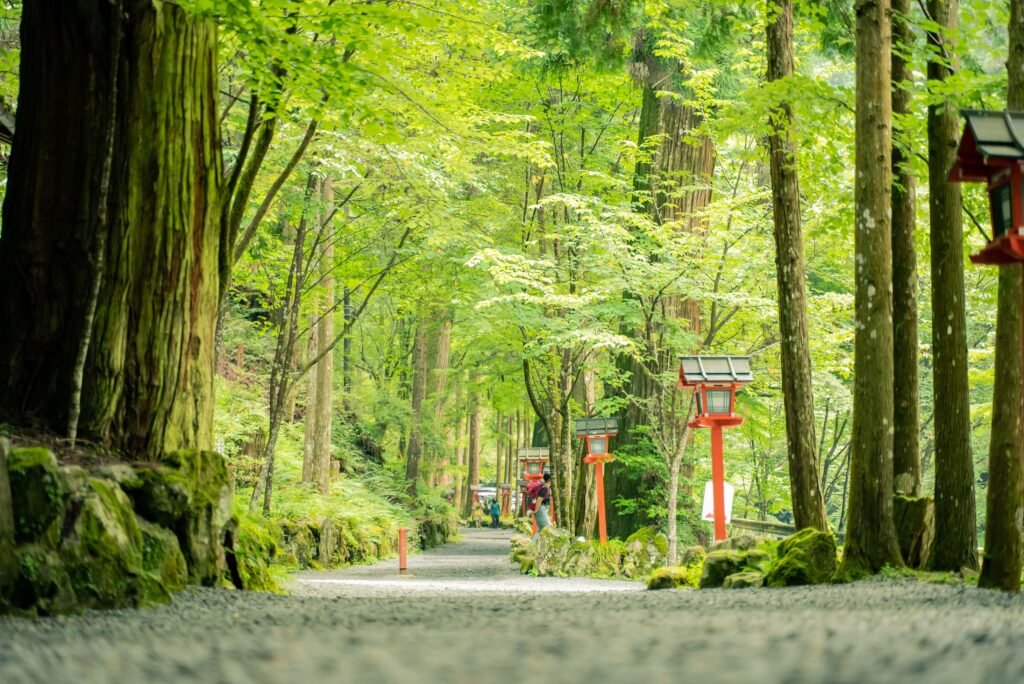
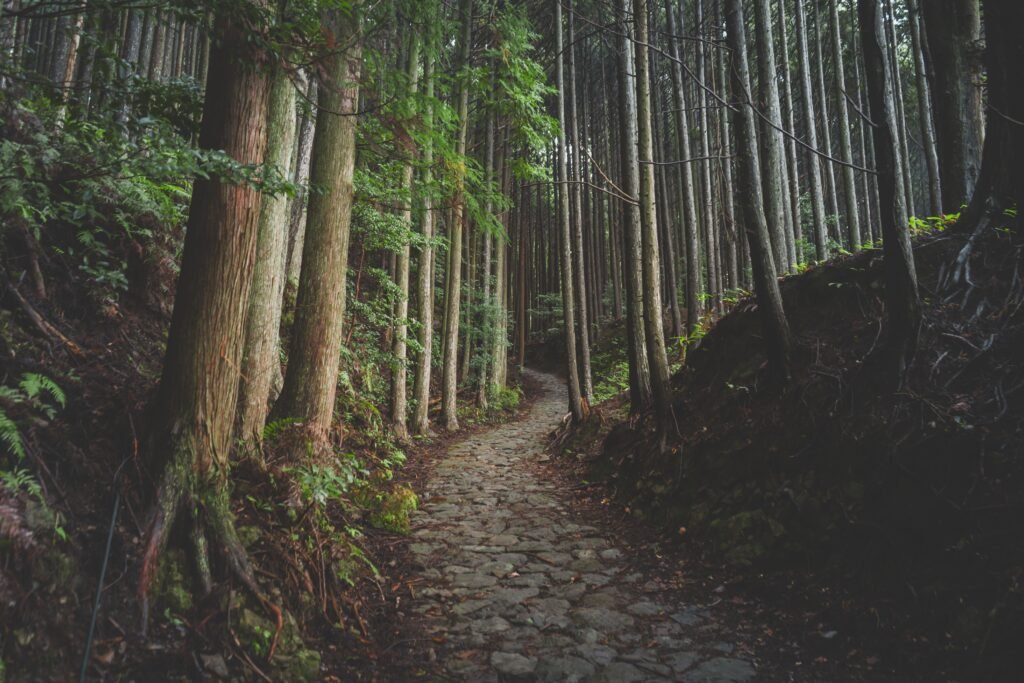
The mountain hike. The path between Kurama-dera and Kifune climbs through cedar forest with few other structures along the way, a contrast to the crowded stone streets of most Kyoto sightseeing. It is rated moderately difficult rather than casual — sturdy shoes are worth it.
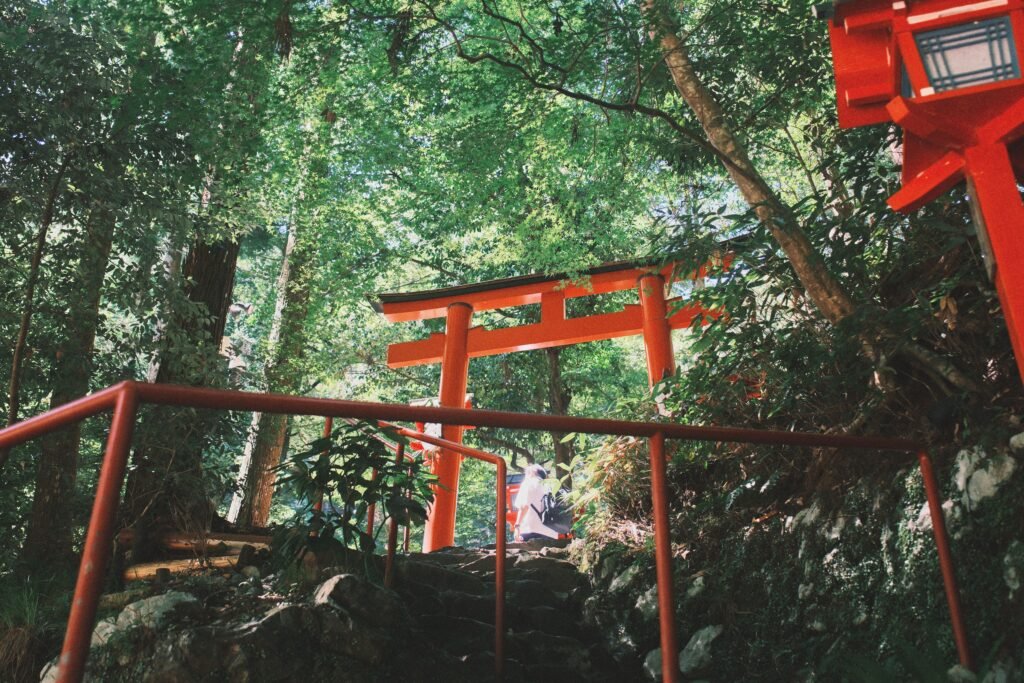
Kifune Shrine’s water fortunes. Kifune is dedicated to a water deity, and its signature omikuji fortune slips are blank until dipped in the shrine’s sacred stream, where the text appears on the wet paper. It is a small ritual, but one that is genuinely unique to this shrine.
Kawadoko dining. From June through September, restaurants along the approach to Kifune Shrine build wooden platforms directly over the Kibune River, serving kaiseki meals in the cool air rising off the water — one of the most distinctive summer dining experiences within reach of Kyoto.
Nearby, If You Have More Time
Both Kurama and Kifune are self-contained day trips rather than stops to combine with central Kyoto sightseeing, given the travel time involved. If you are looking for a different half-day trip on the other side of the city, our Uji day trip guide covers a similarly easy train ride south to Byōdō-in and Kyoto’s tea country.
Where to Stay
Kurama and Kifune are day-trip territory, not a base — there is little in the way of city amenities once the shrines close for the evening. Our Kyoto neighborhood comparison guide covers where to stay in the city center instead, a straightforward 30-minute train ride away.
Booking.com is a reasonable place to check availability in central Kyoto for the nights around this trip.
Bottom Line
Kurama and Kifune reward the effort of getting out of central Kyoto more than almost anywhere else on this list: a real forest hike, a temple with its own dramatic fire festival, and a shrine known for water-activated fortunes, all reachable on one train line. Go on a weekday if you can, and book kawadoko dining well ahead if you are visiting in summer.