Kiyomizu-dera: A Practical Guide to Kyoto’s Wooden Stage Temple
Everyone shows you the same shot of Kiyomizu-dera: the wooden stage floating above a sea of maple leaves, nothing between it and the hillside but air. What that photo leaves out is the crowd standing shoulder to shoulder to take it, and the fact that the stage was built without a single nail. It’s 400-year-old joinery holding up thousands of visitors a day.
Kiyomizu-dera is probably the single most photographed building in Kyoto, and also one of the more straightforward temples to visit: no complicated ticketing, no reservation system, just a hillside walk and a small entrance fee. The part people get wrong isn’t the temple itself, it’s the timing. Show up at 1 p.m. on a Saturday in November and you’ll spend more time navigating elbows than looking at anything.
Below is what actually matters for a first visit: what it costs, the fastest way to get there, when to go, and what’s worth slowing down for once you’re inside.
The Essentials at a Glance
| What | Details |
|---|---|
| Admission | Around ¥500 for adults — small enough not to factor into planning, though temple fees do creep up over time |
| Hours | 6:00 a.m.–6:00 p.m. (until 6:30 p.m. in July–August) |
| Night illumination | Extended hours (until around 9:00 p.m.) during select spring, summer, and autumn dates — check the current schedule before you go |
| Typical visit length | 30–60 minutes for the temple grounds; longer if you linger on the approach streets |
| By bus from Kyoto Station | Bus 206 or 100, about 15 minutes, then a 10-minute uphill walk from Gojo-zaka or Kiyomizu-michi |
| By train | Kiyomizu-Gojo Station (Keihan Main Line), about a 20-minute walk |
| Least crowded hours | 6:00–8:00 a.m., before tour groups and the approach-street shops open |
Getting There
From Kyoto Station, the simplest route is bus 206 or 100 toward Gion, getting off at Gojo-zaka or Kiyomizu-michi. It’s about 15 minutes on the bus, then a 10-minute walk uphill through the approach streets, which is honestly part of the experience rather than a detour. If you’d rather take the train, Kiyomizu-Gojo Station on the Keihan Main Line is about a 20-minute walk, mostly flat until the final climb.
If you’re staying in Higashiyama or Gion, you barely need directions. It’s a 5-to-15-minute walk from most hotels in either neighborhood, which is a big part of why we point first-timers toward those two areas in our Kyoto neighborhood comparison guide. Staying that close means the early-morning visit below doesn’t require factoring in a commute.
One thing worth knowing: the bus system gets crowded in peak season, to the point where standing room fills up fast. Have your fare ready — IC card or exact change — so you’re not holding up the line getting on.
When to Go
Kiyomizu-dera opens at 6 a.m., and that’s not a throwaway detail. It’s the single best piece of advice here. Arrive between 6 and 8 a.m. and the approach streets are still shuttered, the tour buses haven’t arrived, and the stage itself is close to empty. It’s a different place entirely than it is three hours later.
By late morning, both the temple and the Ninenzaka/Sannenzaka approach streets fill in, and they stay busy through the afternoon, especially on weekends and during cherry blossom and autumn foliage season, when tour groups and kimono-rental visitors stack up for photos at the same handful of spots. If early morning isn’t realistic for your schedule, late afternoon (after 4 p.m.) is the next best window, and it comes with better light for photos anyway.
The special night illumination dates, held for stretches in spring, summer, and autumn, are worth planning around if the timing lines up with your trip. The temple stays open into the evening and the stage is lit against the dark hillside, a genuinely different visual from the daytime version. Dates shift year to year, so check what’s currently scheduled before building an evening around it.
What’s Actually Worth Your Time
The main hall and stage. This is what you came for, and it holds up in person. The stage sits about 13 meters above the hillside, built out over the slope using a traditional joinery method with no nails, which has kept it standing through centuries of earthquakes and, at least once, fire. Give yourself a few minutes to just stand at the railing rather than immediately turning around for the photo everyone else is taking.
Otowa Waterfall. At the base of the main hall, the temple’s namesake spring splits into three streams, and tradition holds that each grants a different benefit: longevity, academic success, or love. You collect the water in a cup on a long pole, but the etiquette matters here — pick one stream. Drinking from all three is considered greedy, and it apparently cancels out the luck rather than stacking it. Decide what you want before you’re standing in line.
Jishu Shrine. Just behind the main hall, this smaller shrine is dedicated to love and matchmaking, and its best-known feature is a pair of stones set about 18 meters apart. Tradition says if you can walk from one to the other with your eyes closed, you’ll find love. A second person can call out directions to help, though purists say that makes it too easy. It’s a small stop, but usually has a line of its own, mostly younger visitors and couples having fun with it.
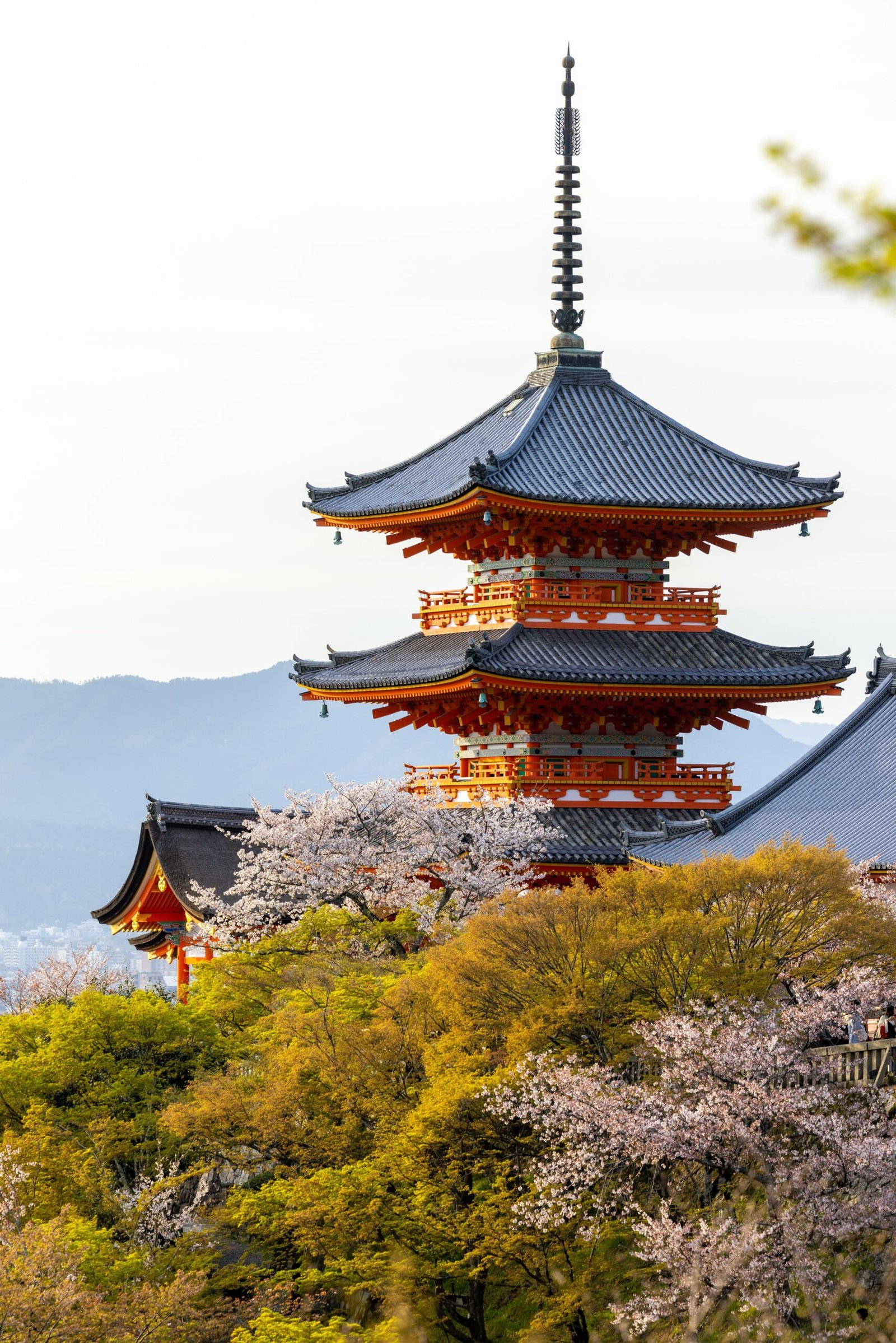
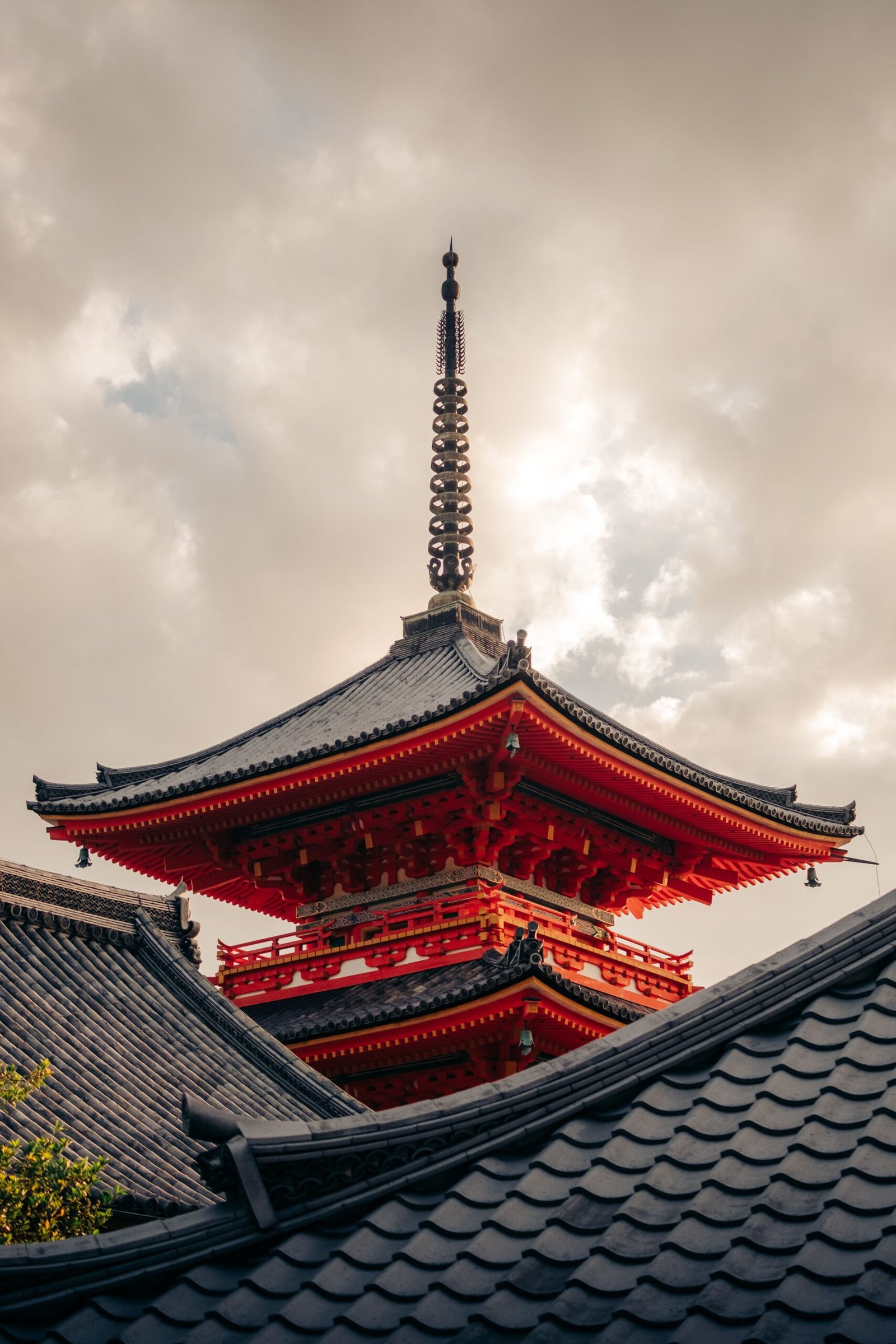
The three-story pagoda. Near the main entrance, this is one of the most-photographed structures on the grounds after the stage itself, especially with cherry blossoms or a dramatic sky behind it. A quick stop, but worth the extra two minutes if you’re not rushing.
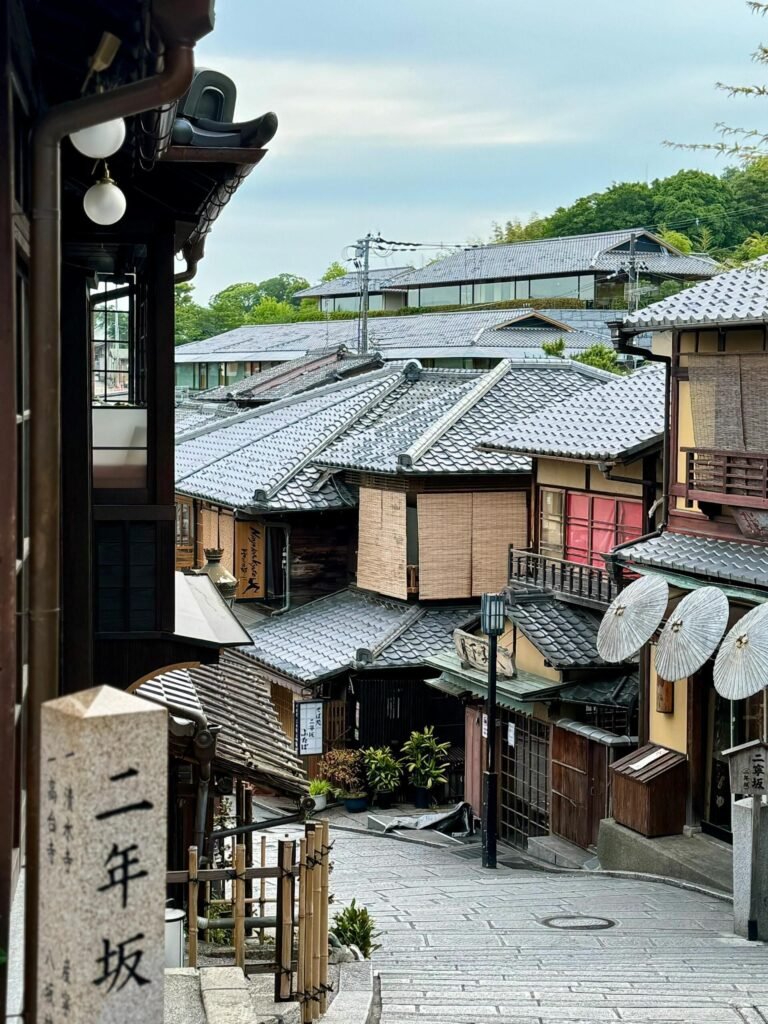
Ninenzaka and Sannenzaka: The Approach Is Part of the Visit
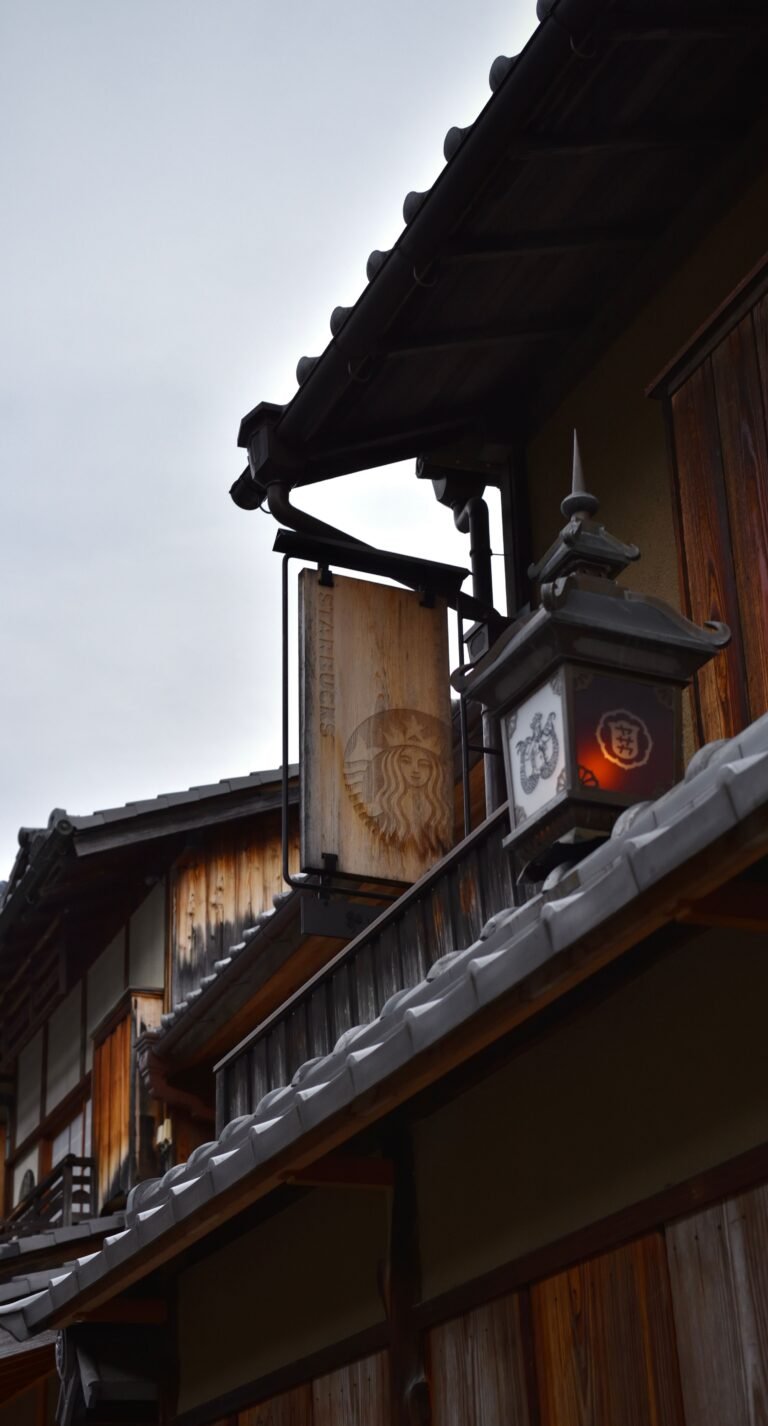
The stone-paved slopes leading up to Kiyomizu-dera, Ninenzaka and Sannenzaka, are lined with wooden machiya buildings, and they deserve real time, not just a walk-through. This is where you’ll find shops selling pottery, yatsuhashi (Kyoto’s cinnamon-and-red-bean confection), matcha sweets, and pickles, plus kimono rental shops if you want the full photo experience for the day.
It’s also the busiest stretch of the whole visit once the day gets going, so if you’re doing the early-morning plan, expect these streets to still be shuttered — which is actually a nice trade-off. You get the quiet temple at 7 a.m., then loop back down through Ninenzaka and Sannenzaka an hour or two later once the shops have opened, rather than fighting both crowds at once.
Where to Stay Nearby
If Kiyomizu-dera and the surrounding temple-hopping form the core of your trip, Higashiyama is hard to beat as a base. Most hotels there put you within 15 minutes on foot, which makes the 6 a.m. visit realistic without setting an alarm before dawn. Gion works nearly as well and adds more nightlife options. Our Kyoto neighborhood comparison guide breaks down the tradeoffs between these and Kyoto’s other base neighborhoods.
Staying further out, in Kyoto Station, Kawaramachi, or elsewhere, is still manageable; just build the bus or walk time into your morning if you want that quiet early window. Booking.com makes it easy to see what’s actually available near Higashiyama on your dates.
Bottom Line
Kiyomizu-dera doesn’t require much planning to enjoy. It’s open, it’s affordable, and it rewards a casual visit almost as much as a careful one. But if there’s one thing worth building your schedule around, it’s the clock: go before 8 a.m. and you get the version of this temple that shows up in every photo. Go at 1 p.m. on a Saturday and you get the same temple with several thousand extra people in the frame. Same building, a completely different visit.