Genko-an: A Practical Guide to Kyoto’s Window of Enlightenment
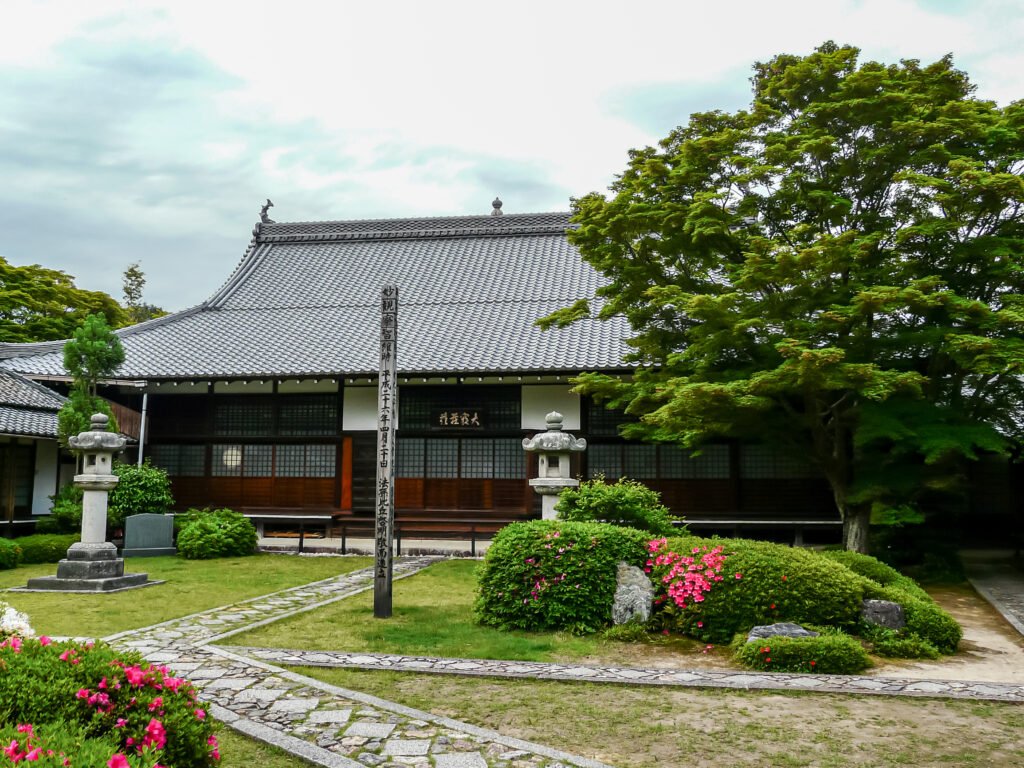
Most people who make it out to Kinkaku-ji never go the extra fifteen minutes further north into Takagamine, a quiet residential foothill neighborhood where the crowds and gift shops fall away. That’s a shame, because Takagamine is where Genko-an sits: a small Zen temple known for exactly two things, a pair of windows cut into the same wall of the same room, and a ceiling built from floorboards that remember a siege more than four hundred years old. Seeing everything the temple has takes about half an hour, and on an ordinary afternoon you can often have the main hall nearly to yourself.
I won’t pretend Genko-an belongs on the same list as Kinkaku-ji or Fushimi Inari. But if you’re already working through Kyoto’s northwest temple cluster, or you want one genuinely calm stop during the crush of autumn foliage season, it earns the detour.
The Essentials at a Glance
| What | Details |
|---|---|
| Admission | ¥400 adults, ¥200 children |
| Hours | 9:00 a.m.–5:00 p.m., daily |
| Closed | Open year-round, no fixed closures |
| Address | 47 Takagamine Kitatakagamine-cho, Kita-ku |
| Getting there | Kyoto City Bus 6 from Shijo-Omiya or Bus 1 from Kitaoji Station, get off at Takagamine Genko-an-mae |
| Visit length | 30–45 minutes |
| Good to pair with | Kinkaku-ji, Daitoku-ji, and Ryoan-ji, all within Kyoto’s northwest temple district |
Two Windows, One Garden
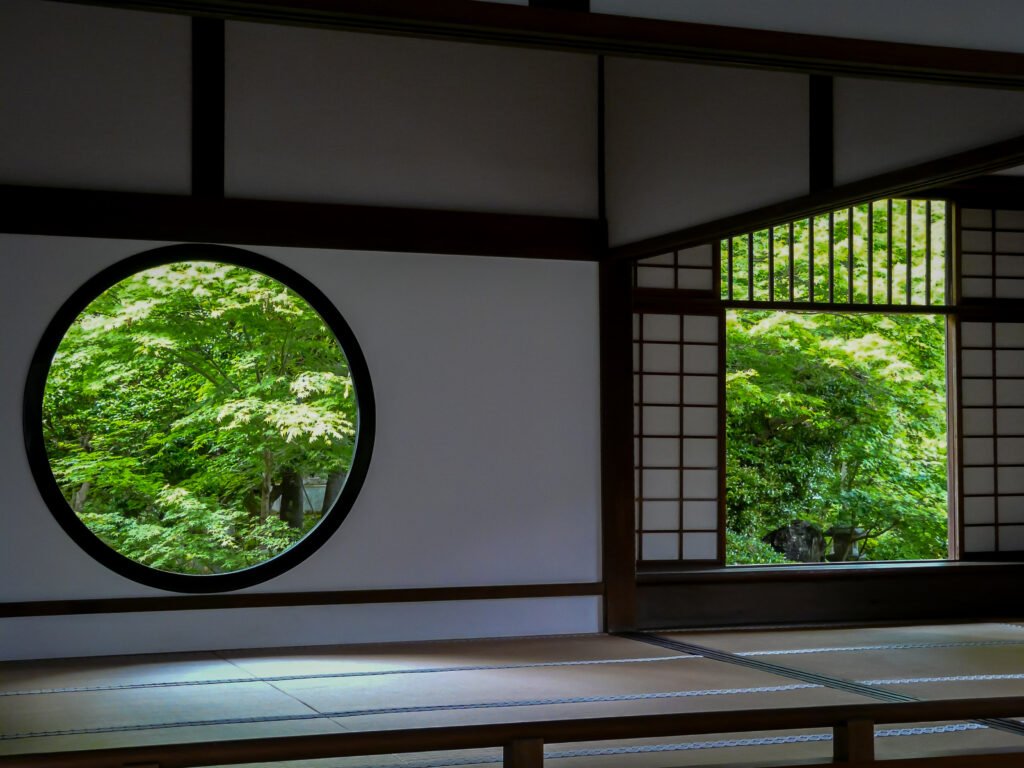
The reason most visitors come is a single tatami room at the back of the main hall, where two windows look out onto the same small maple-shaded garden. One is round: the satori no mado, or Window of Enlightenment, its circle meant to represent the universe and the completeness of Buddhist awakening. The other, just beside it, is square: the mayoi no mado, the Window of Delusion, standing for the four sufferings of birth, aging, sickness, and death that define ordinary human life. Same wall, same garden, same light, and yet the two frames change how the scene reads entirely, which is more or less the point the temple is making. It’s a quiet, almost architectural way of stating a Buddhist idea that usually stays abstract.
The room is small, so on a slow morning it’s worth actually sitting on the floor cushions for a minute rather than snapping a photo and moving on. In late autumn, when the maple outside the round window turns red, the two windows become Kyoto’s most photographed single shot after Fushimi Inari’s torii tunnel, and the temple does ask visitors to keep the line moving during peak color, so plan on a shorter stay than the rest of the year.
The Blood Ceiling
Genko-an was founded in 1346 by Tetsuo Giko, the second abbot of nearby Daitoku-ji, as a Rinzai Zen hermitage. It changed sects in 1694, when the priest Manzan Dohaku arrived and converted it to the Soto school; the main hall standing today, built that same year by a carpenter named Seika Koji, dates from that renovation.
The temple’s second draw is grimmer and easy to miss if you don’t look up. The ceiling of the main hall is a chi-tenjo, a “blood ceiling,” built from floorboards salvaged from a corridor at Fushimi Castle. In 1600, the castle’s garrison, a few hundred men under the retainer Torii Mototada, held out there for Tokugawa Ieyasu against a much larger force loyal to Ishida Mitsunari. When the walls finally fell, the defenders took their own lives rather than surrender, buying Ieyasu time before the decisive Battle of Sekigahara later that year. The bloodstained floorboards were later distributed among several Kyoto temples and installed as ceilings, on the idea that placing them overhead, rather than leaving them to be walked on, let the dead rest somewhere closer to sacred ground. Genko-an’s ceiling still shows faint, dark outlines that locals describe as handprints and footprints; the room is dim, so give your eyes a moment to adjust before you spot them.
Getting There
There’s no subway or train station within easy walking distance, so a bus is the realistic option. From central Kyoto, Bus 6 from the Shijo-Omiya area or Bus 1 from Kitaoji Station both stop at Takagamine Genko-an-mae, a short walk from the gate; either route takes roughly thirty to forty minutes depending on traffic. A Kyoto City Bus day pass or a tapped IC card covers the fare either way. During peak autumn color, typically the last two weeks of November, this stretch of road gets genuinely congested with buses and private cars alike, so building in extra time, or walking the roughly twenty-five minutes uphill from the Kinkakuji-michi bus stop, is worth considering if the queue looks long.
When to Go
Late November, usually the third week, is when the maple by the round window is at its most photographed, and it’s also when Genko-an sees its only real crowds of the year; arriving right at the 9:00 a.m. opening is the surest way to get the room to yourself for a few minutes. Outside that two-week window, Genko-an stays genuinely quiet even on weekends. Late spring, when the same maple is fresh green rather than red, is a good alternative if you’d rather skip the queue entirely: the light through the round window is softer, and you’ll likely have the tatami room to yourself even at midday.
Pairing It With the Rest of Kyoto’s Northwest
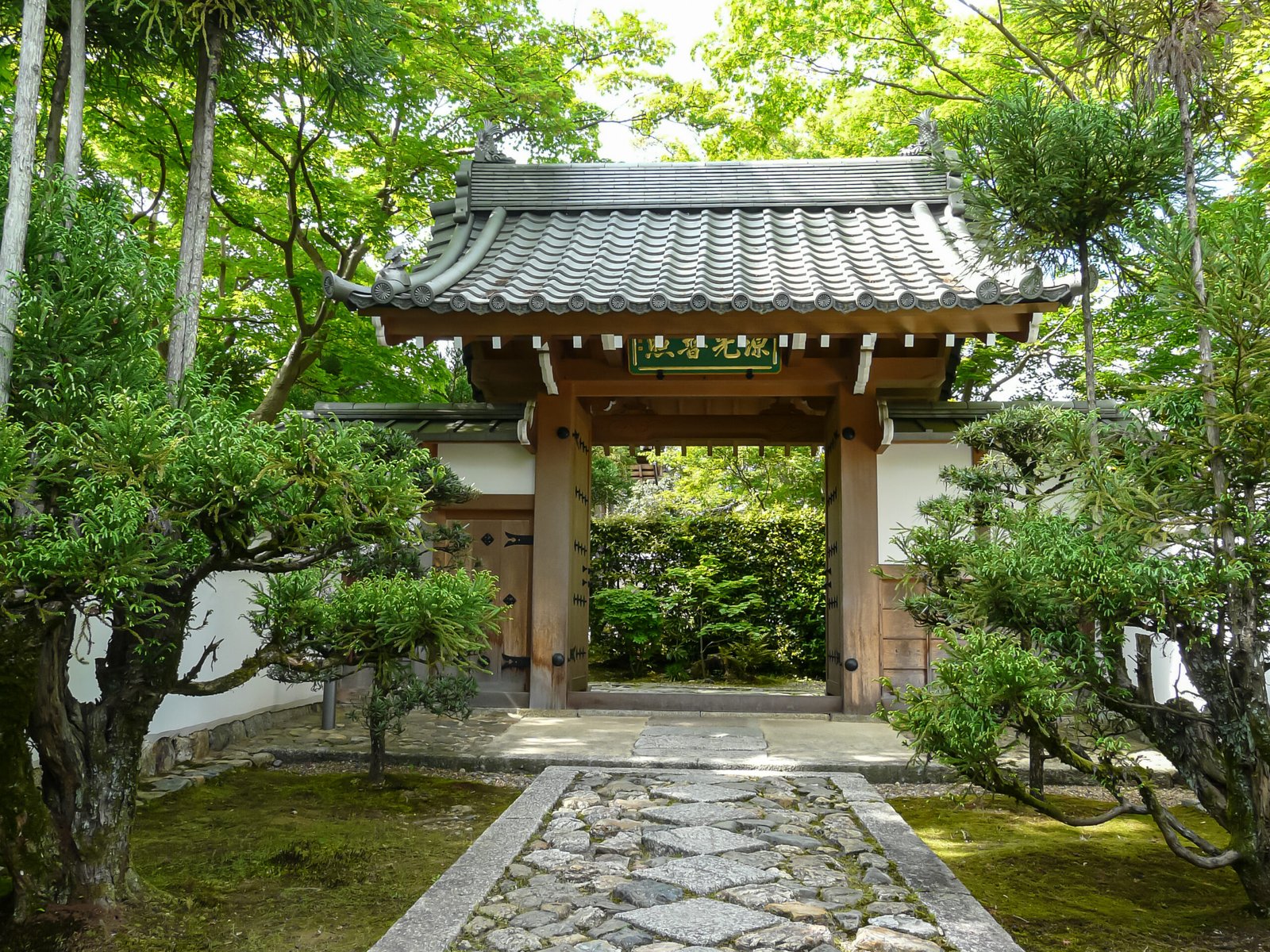
Genko-an sits inside a cluster of temples that rewards a full day rather than a single stop. Kinkaku-ji, Kyoto’s Golden Pavilion, is a fifteen-minute bus ride away, and the sprawling Zen temple compound of Daitoku-ji, worth a visit for its subtemples and rock gardens, sits between the two. If dry landscape gardens are more your interest than maple windows, Ryoan-ji’s famous fifteen-stone garden is a short bus transfer further south. For help lining up the whole trip around good weather and fewer crowds, our Kyoto Autumn Foliage guide breaks down when each part of the city peaks.
Bottom Line
Genko-an isn’t a temple you build a Kyoto itinerary around, but it’s one of the better rewards for visitors willing to go fifteen minutes past Kinkaku-ji. Two windows that turn the same garden into two different ideas, and a ceiling with a genuinely dark story behind it, make for a stop that’s more memorable than its half-hour visit length suggests. Go at opening during peak maple season if the photo matters to you, or any weekday the rest of the year if quiet does.