Daikaku-ji: A Practical Guide to Kyoto’s Moon-Viewing Temple
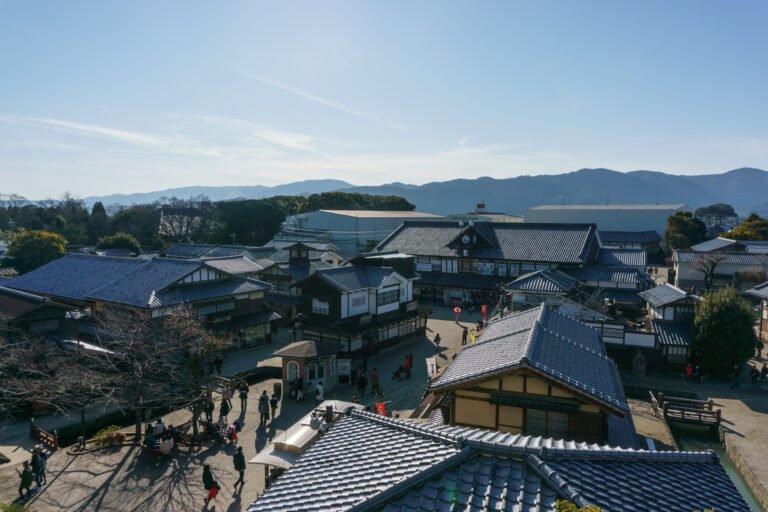
Most first-time visitors to Sagano do the same loop: bamboo grove, a stop at Tenryu-ji, maybe the monkey park if there’s time. Ten minutes further north, past where the tour groups thin out, sits Daikaku-ji, a temple built inside a former imperial villa around a pond that’s been used for moon-viewing parties for over a thousand years. It gets a fraction of the bamboo grove’s foot traffic, even during the few nights each autumn when its own festival draws a crowd of its own.
The temple started out as something else entirely: a private retreat built for Emperor Saga in the early ninth century, not a religious site at all. That history is still visible in the layout. Instead of one main hall, Daikaku-ji is a series of connected buildings linked by covered corridors, more palace than monastery, with a garden pond built for boats rather than for strolling around. It only became a temple after the emperor’s death, when the estate was converted into a Shingon Buddhist institution.
If your trip lands anywhere between late September and late November, it’s worth carving out a specific evening for Daikaku-ji rather than squeezing it into an Arashiyama afternoon, especially if you can time it to the pond’s annual moon-viewing event. Here’s what to know before you go.
The Essentials at a Glance
| What | Details |
|---|---|
| Admission | ¥800 (temple buildings), ¥500 (Osawa Pond area); a separate ticket covers the moon-viewing boat rides |
| Hours | 9:00 a.m.–5:00 p.m. (last entry 4:30 p.m.) |
| Closed | Never |
| Address | 4 Osawacho, Saga, Ukyo-ku |
| Getting there | 15-minute walk from JR Saga-Arashiyama Station, or Kyoto Bus 91/28 from central Arashiyama |
| Visit length | 45–60 minutes (longer if you stay for the pond or the festival) |
| Good to pair with | Arashiyama Bamboo Grove, Tenryu-ji, and Otagi Nenbutsu-ji, all within a longer Sagano walk |
From Imperial Villa to Temple
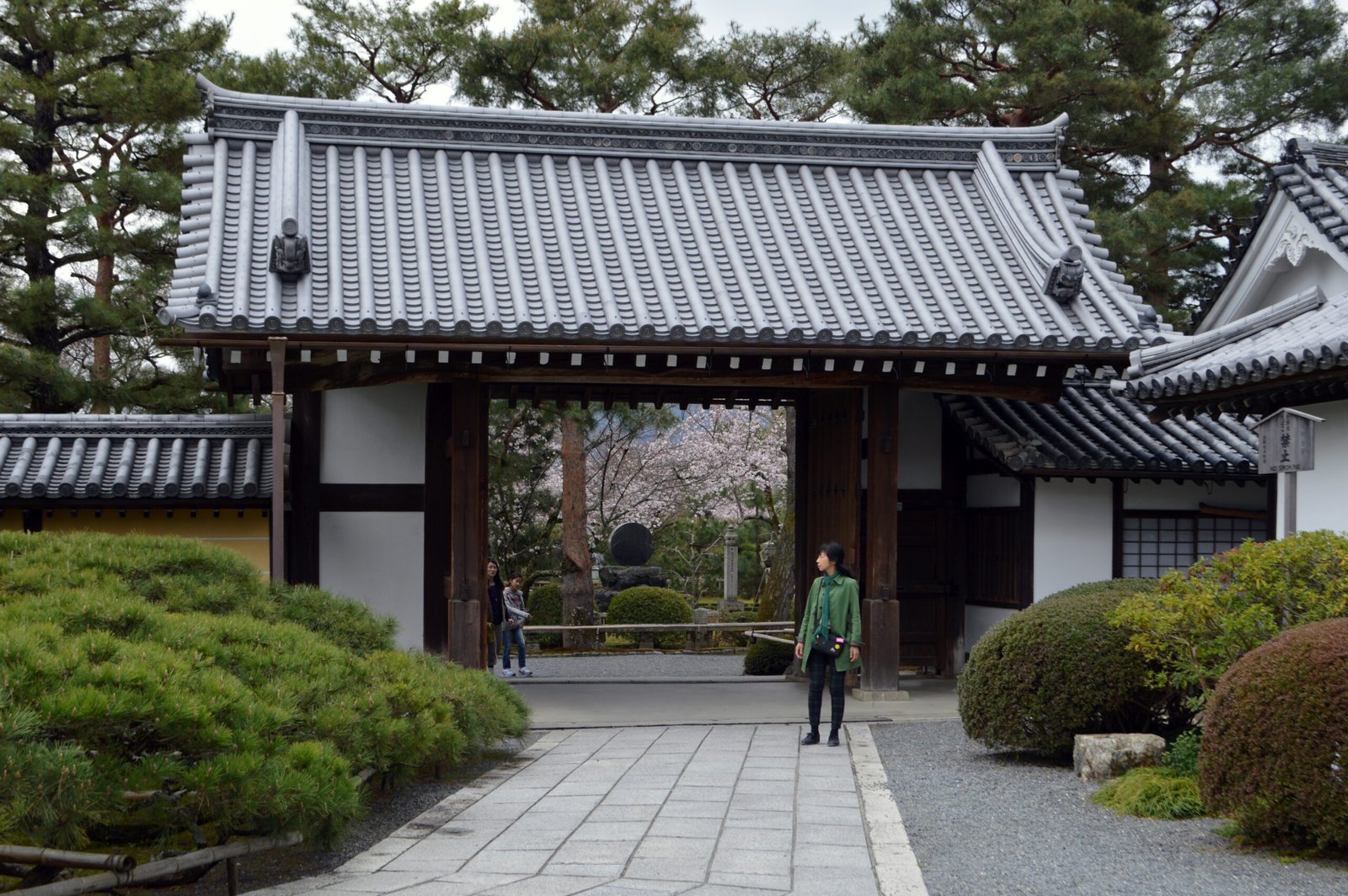
Emperor Saga built the original residence here in the early 800s as a retreat from the Heian-kyo court, and it stayed a private villa for the rest of his life. About thirty years after his death, his daughter had the estate converted into a temple, and it’s kept the name Daikaku-ji, “Temple of Great Awakening,” ever since. Centuries later, the temple lent its name to an entire branch of the imperial family, the Daikakuji line, whose long rivalry with a competing branch was one of the roots of the split between Japan’s Northern and Southern Courts in the fourteenth century. None of that history is obvious just from walking through, but it explains why the temple still feels closer to a palace than to the Zen halls found elsewhere in Kyoto: the connected buildings, the painted sliding doors, the formality of the layout.
Inside, the Shoshinden hall and its neighboring rooms are linked by corridors with so-called nightingale floors, floorboards that chirp underfoot as a low-tech defense against intruders, and decorated with sliding-door paintings attributed to the Kano school. A separate octagonal building, the Shinji Kondo, is known as the Heart Sutra Hall and houses a sutra said to be handwritten by Emperor Saga himself. It isn’t always on public display, so don’t count on seeing it on a given visit, but the hall itself is worth a look regardless.
Osawa Pond and the Art of Moon-Viewing
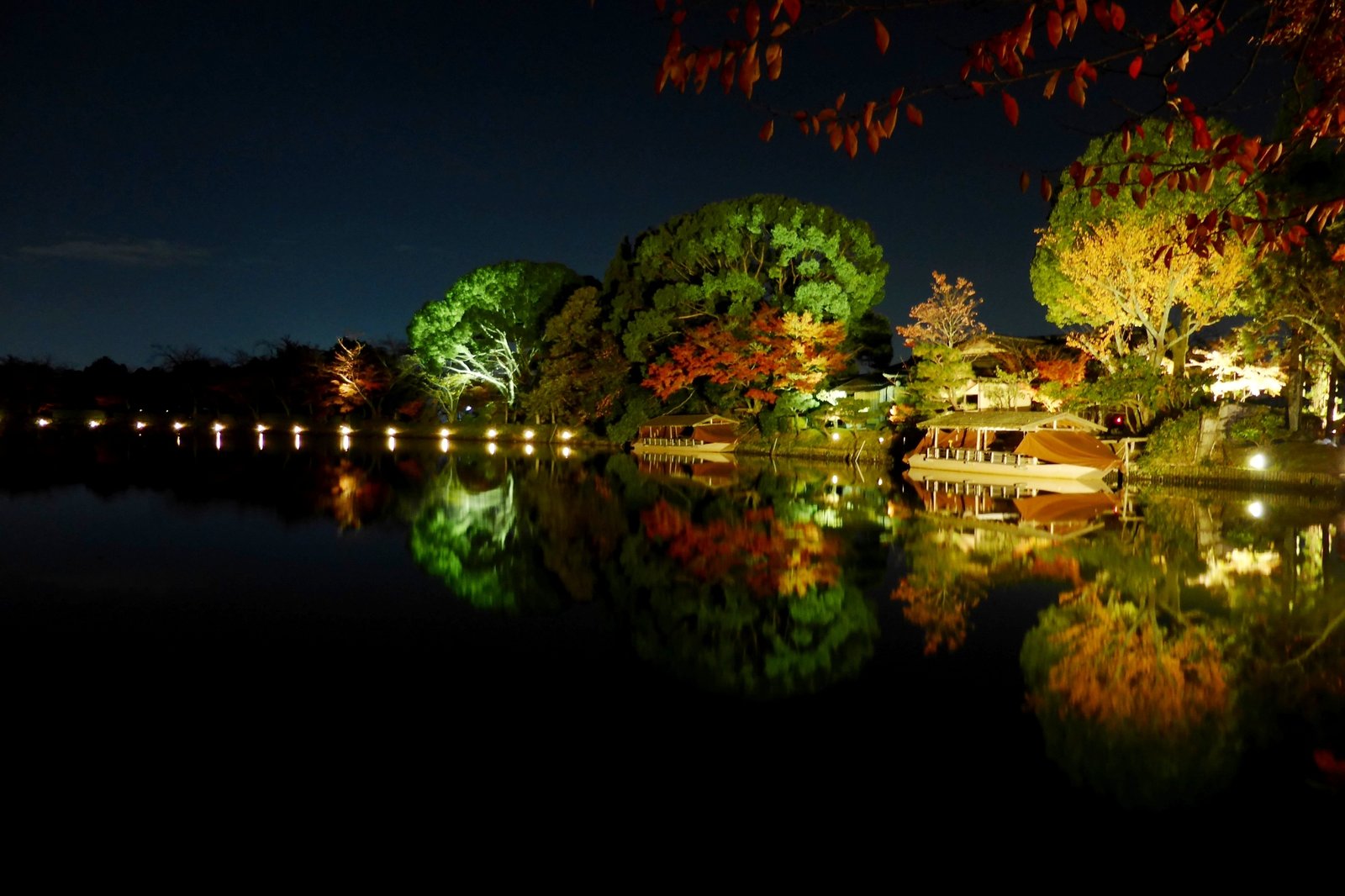
Osawa Pond is the reason Daikaku-ji is worth planning around rather than just passing through. Built roughly 1,200 years ago for Emperor Saga’s own boating parties, it’s often described as the oldest surviving example of a Shinden-style garden pond in Japan, the style favored in Heian-period aristocratic villas before Zen-style dry gardens became fashionable. Saga is said to have taken his own boat out onto the water to view the reflection of the harvest moon with the poets and scholars of his court, and the temple has kept that tradition alive ever since: every year around the mid-autumn full moon, Daikaku-ji holds Kangetsu no Yube, an evening moon-viewing festival where visitors can ride boats out onto Osawa Pond after dark.
In 2026, the festival runs from September 25 to 27, with boats boarding on the hour between 5:00 and 8:00 p.m. and a Buddhist service held under moonlight around 7:00 to 7:30 p.m. Boat tickets, roughly ¥500 for adults and ¥300 for children, are sold from around 3:00 p.m. on a first-come, first-served basis rather than by reservation, so arriving early matters if a seat on the water is the goal. It’s a genuinely different way to see a Kyoto temple: gliding across still water at dusk, watching the moon appear twice, once in the sky and once on the pond, isn’t something most temple visits offer. If the dates don’t line up with your trip, the pond is still worth a slow walk around at any time of year, and it’s especially striking in the second half of November, when the maples along the shore turn.
Getting There
Daikaku-ji sits at the northern edge of the Sagano district, a fifteen-minute walk from JR Saga-Arashiyama Station along a quiet residential road, or a short ride on Kyoto Bus 91 or 28 if you’re coming from the bamboo grove or Tenryu-ji. It’s far enough from the main Arashiyama cluster that most day-trippers skip it, which is part of why it stays calm even during busy seasons. If you’re visiting for the evening moon-viewing festival, note that the walk from the station isn’t well lit, so a flashlight or phone light is worth having for the way back.
When to Go
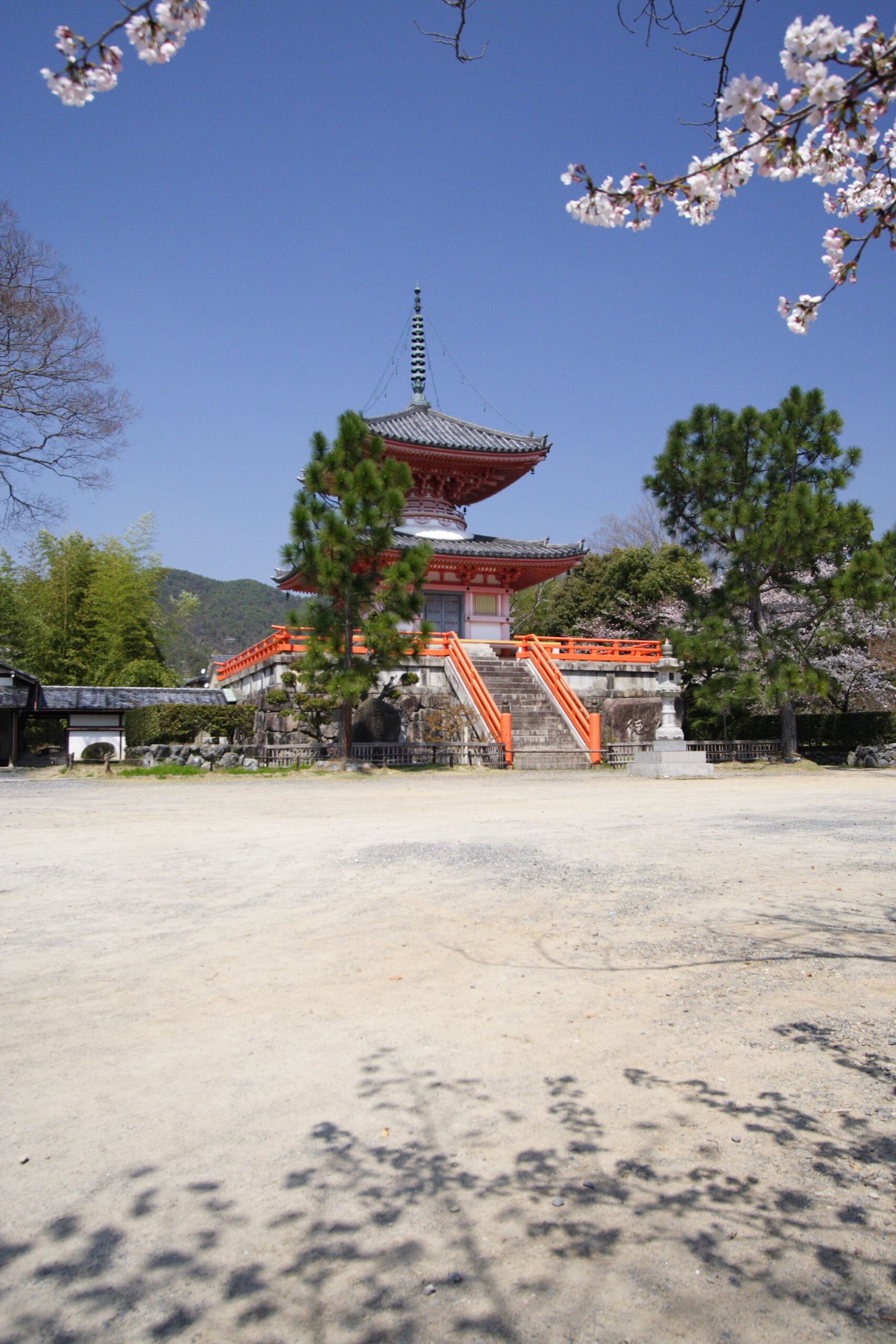
Outside of the moon-viewing festival, Daikaku-ji is at its best either early in the morning, before the tour buses reach Arashiyama, or as a late-afternoon stop after the crowds at the bamboo grove have thinned. Cherry blossom season, late March into early April, is popular here too, with plum and cherry trees framing the temple buildings, but it draws nowhere near the numbers seen at Kinkaku-ji or the Philosopher’s Path. Autumn color usually peaks around the pond in the second half of November, a few weeks after the moon-viewing festival wraps up, so a late-November visit gets you both quiet grounds and good foliage.
Pairing It With the Rest of Sagano
Daikaku-ji works well as the far end of a longer Sagano day rather than a stand-alone stop. Most visitors start at the Arashiyama Bamboo Grove and Tenryu-ji, then continue north past the district’s more offbeat corners, including Otagi Nenbutsu-ji and its hillside of hand-carved statues, before finishing at Daikaku-ji. If wildlife is more your speed, Arashiyama Monkey Park Iwatayama is a short trip back toward the station. And if you’re trying to time a visit around quieter crowds or better weather generally, our Best Time to Visit Kyoto guide breaks down what each season actually looks like on the ground.
Bottom Line
Daikaku-ji doesn’t get the crowds of Arashiyama’s bigger names, and that’s exactly the appeal: a palace-turned-temple with genuine imperial history, a pond that’s been used for moon-viewing since the ninth century, and one of the more unusual evening events Kyoto has to offer. Go for the Kangetsu no Yube festival in late September if your dates allow it, or just add the extra fifteen-minute walk past the bamboo grove on an ordinary afternoon. Either way, it’s one of the easiest ways to see a quieter side of Sagano without giving up much in the way of history.