Pontocho: A Practical Guide to Kyoto’s Lantern-Lit Dining Alley
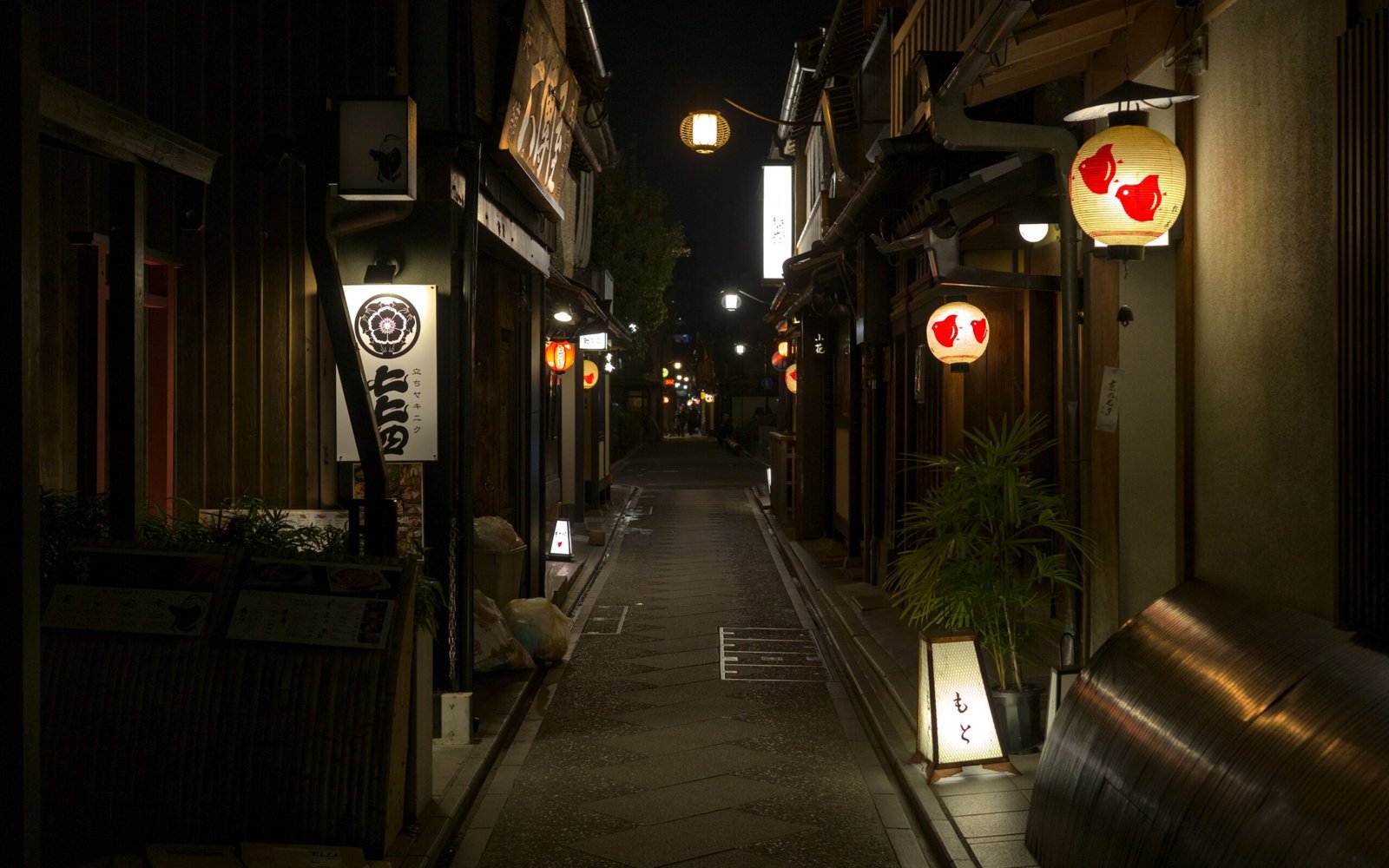
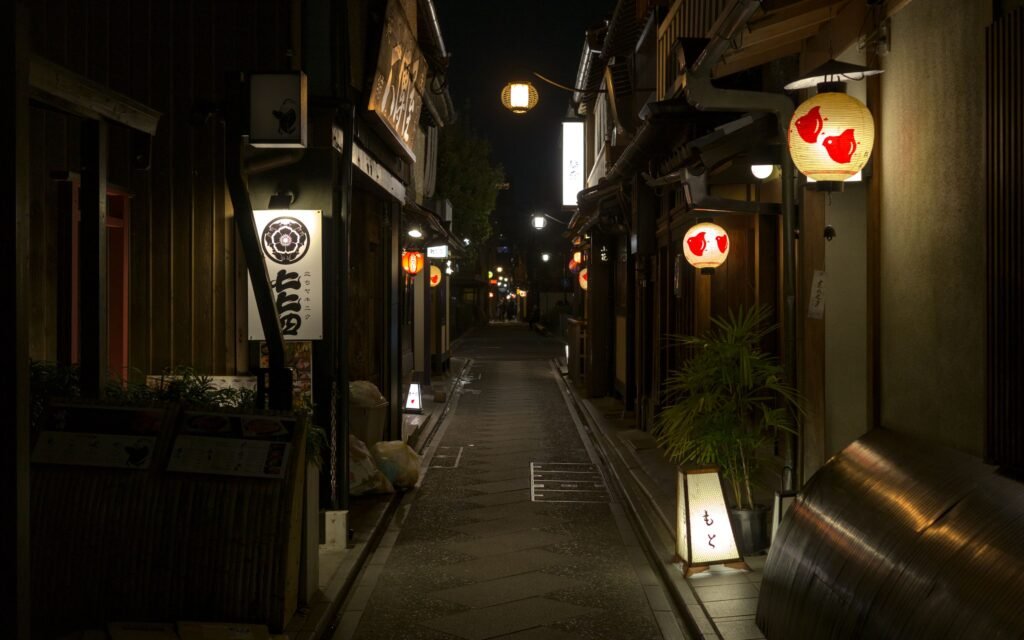
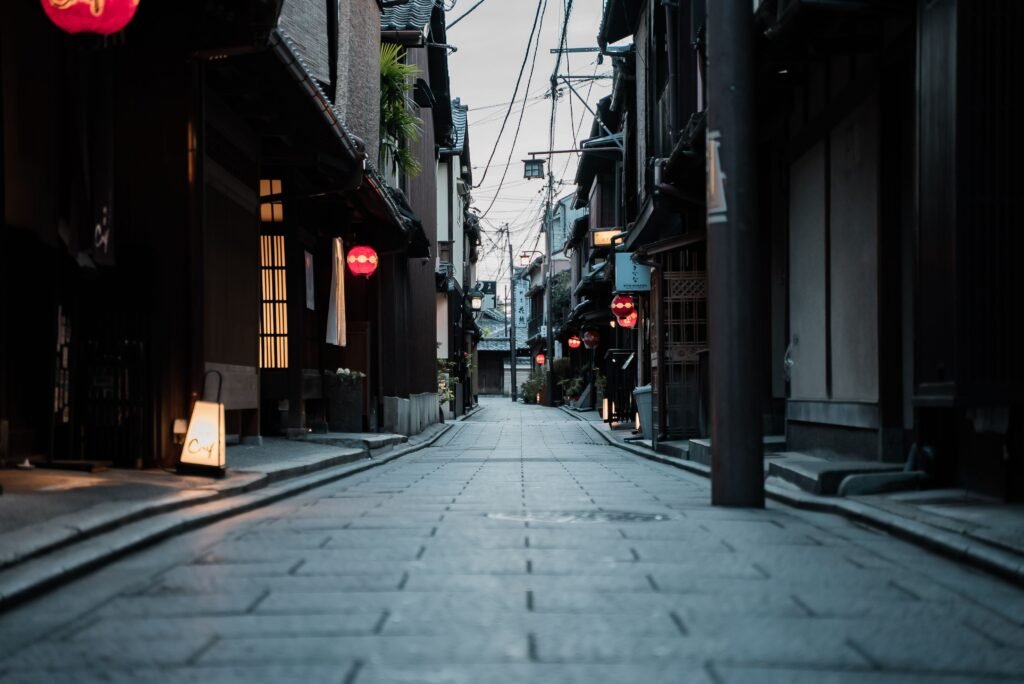
Pontocho is a single narrow alley, about 490 meters long, wedged between the Kamo River and Kiyamachi Street — and after dark, when its lanterns come on and its wooden machiya restaurants open their doors, it’s one of the most atmospheric streets in Kyoto.
It’s also one of the city’s five remaining hanamachi, or geisha districts, so an evening walk here comes with a small chance of spotting a geiko or maiko on her way to an appointment. The alley itself costs nothing to walk — what you spend depends entirely on where you sit down to eat.
The Essentials at a Glance
| What | Details |
|---|---|
| Length | About 490 m |
| Cost to walk | Free |
| Typical dinner budget | ¥3,000–¥8,000+ per person, depending on the restaurant |
| Riverside terraces (kawadoko) | Open mid-May through September, extra charge, reservations recommended |
| Restaurant hours | Most open from around 17:00 |
| Nearest stations | Gion-Shijō (Keihan Main Line) or Kyoto-Kawaramachi (Hankyu Kyoto Line), both about 1 minute’s walk |
| Etiquette note | Don’t photograph geiko/maiko up close without permission, and don’t block the alley for photos |
Getting There
Gion-Shijō Station on the Keihan Main Line and Kyoto-Kawaramachi Station on the Hankyu Kyoto Line both sit within a minute’s walk of the alley’s entrances. From Kyoto Station, take the Karasuma subway line to Shijō and walk east, about 15 minutes total.
When to Go
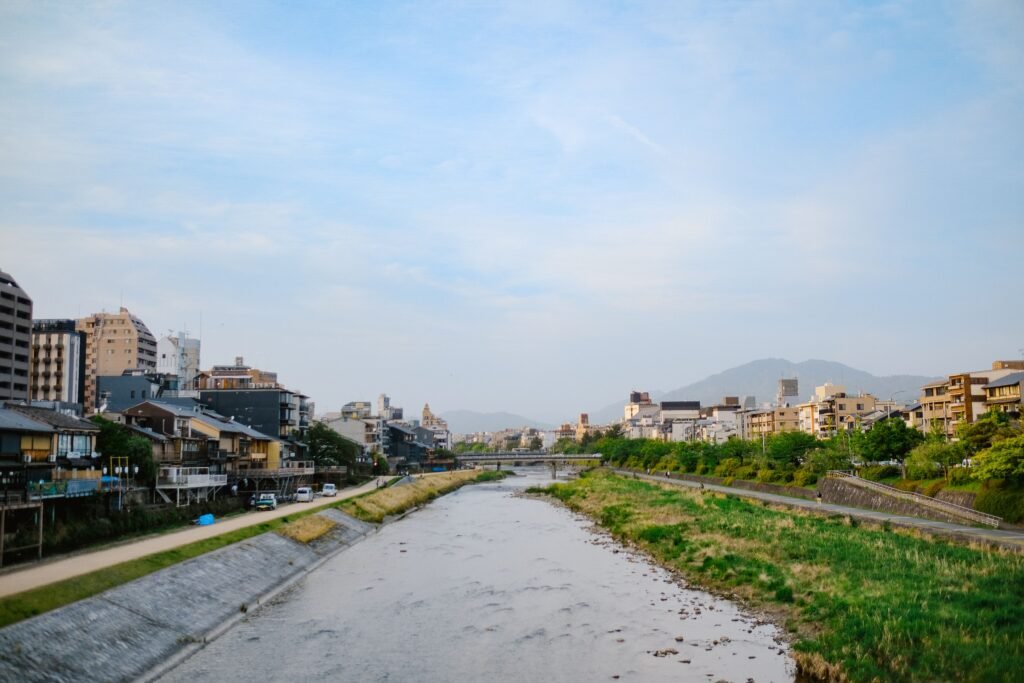
Go after dark — Pontocho is a daytime non-event and an evening destination. Most restaurants open around 17:00, and the lanterns and river light are a big part of what makes the alley worth visiting. Between mid-May and September, ask specifically for kawadoko seating if you want a table on one of the wooden platforms built out over the Kamo River.
What You’re Actually Walking Through
The alley itself. Barely wide enough for two people to pass comfortably, lined with traditional wooden machiya buildings now used as restaurants and bars.
Kawadoko terraces. Seasonal riverside platforms that let restaurants seat diners with a direct view over the Kamo River — book ahead, especially for a weekend.
A genuine mix of cuisine. Kyoto kaiseki and obanzai sit next to yakitori counters and izakaya, alongside a fair number of French and Italian restaurants.
A working hanamachi. This is still an active geisha district, not a recreation of one — treat any geiko or maiko you see as someone on her way to work, not a photo op.
Nearby, If You Have More Time
Gion sits just across the Kamo River, an easy walk over Shijō Bridge — our Gion guide covers that side in more depth. Nishiki Market, Kyoto’s covered food market, is about 10 minutes on foot to the northwest if you’d rather browse food during the day and eat here at night — see our Nishiki Market guide.
Where to Stay Nearby
Pontocho sits right in the middle of downtown Kyoto, close to Kawaramachi and Shijō — one of the most convenient areas to base yourself in the city. Our Kyoto neighborhood comparison guide breaks down how this area compares to Kyoto’s other central neighborhoods.
Given how central it is, almost anywhere downtown puts Pontocho within walking distance. Booking.com covers the range of options in this part of the city.
Bottom Line
Pontocho works best as an evening plan rather than a quick stop — pick a restaurant ahead of time if you can, especially for kawadoko seating in summer, and budget a slow walk down the alley either before or after dinner. It’s one of the few places in Kyoto where the street itself is as much the destination as anywhere you eat.