Sanjusangendo: A Practical Guide to Kyoto’s Hall of 1,001 Statues
Most of Kyoto’s famous temples give you one thing to look at: a garden, a pavilion, a view. Sanjusangendo gives you 1,001 of them, standing in ten rows down a hall 120 meters long, and the effect of walking the length of that room is unlike anything else in the city. It’s also one of the easiest major sights in Kyoto to fit into a half day, since it sits a short walk from Kyoto Station and the visit itself rarely takes more than an hour.
This guide covers what the hall actually contains, how long to budget, and why the building itself is nearly as remarkable as what’s inside it.
The Essentials at a Glance
| What | Details |
|---|---|
| Admission | ¥600 |
| Hours | 8:30–17:00 (Apr 1–Nov 15), 9:00–16:00 (Nov 16–Mar 31); admission closes 30 min before |
| Typical visit length | 30–45 minutes |
| By bus from Kyoto Station | City Bus 206 or 208, about 10 minutes (230 yen), to Hakubutsukan-Sanjusangendo-mae |
| By train | Keihan Line to Shichijo Station, then a 5-minute walk |
| On foot from Kyoto Station | About 20 minutes |
| Least crowded time | Weekday mornings, outside the mid-January Toshiya archery event |
Getting There
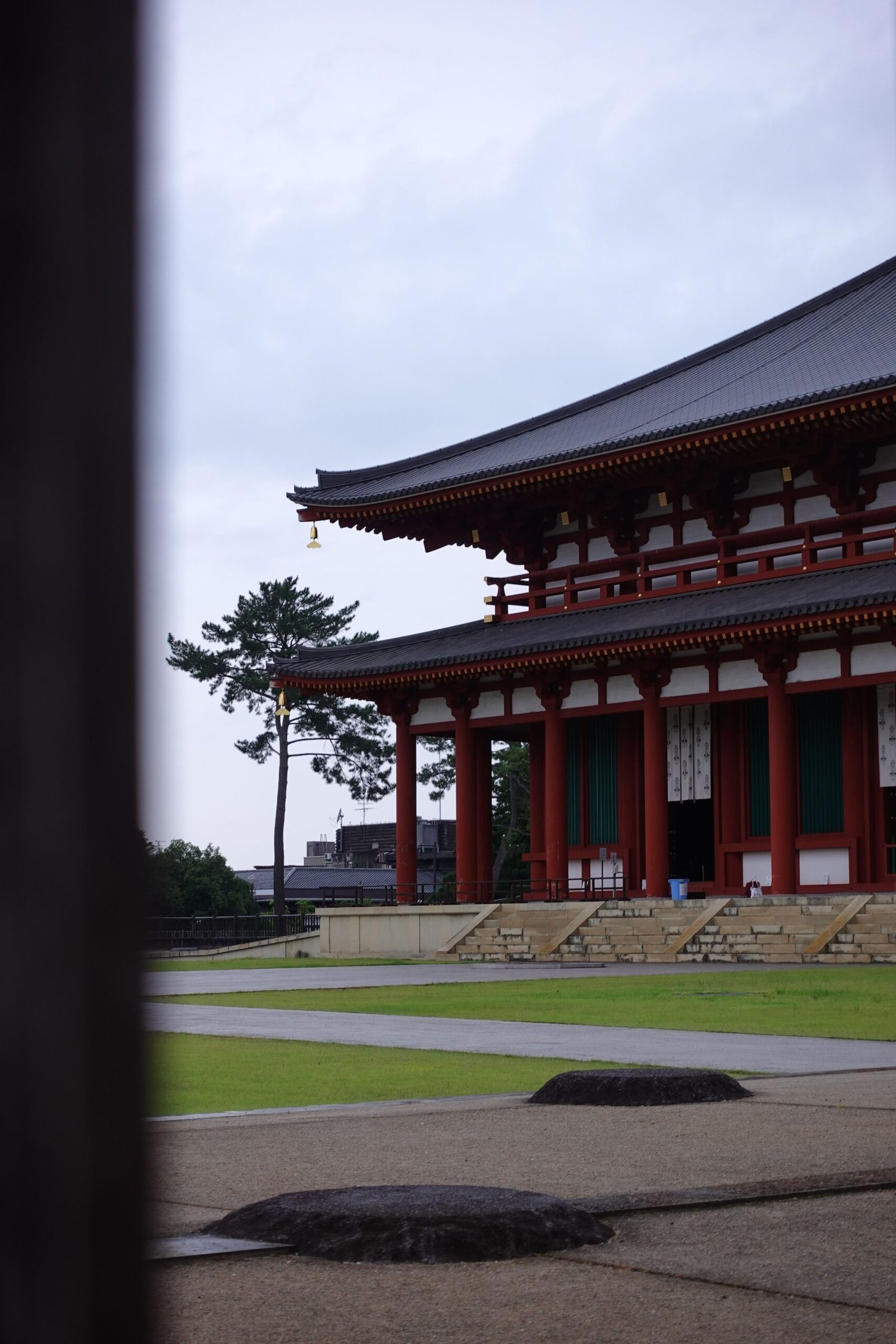
Sanjusangendo sits close enough to Kyoto Station that a taxi or even a brisk 20-minute walk are both realistic options, but the bus is the easiest choice for most visitors: City Bus 206 or 208 gets you to the Hakubutsukan-Sanjusangendo-mae stop, directly across the street, in about ten minutes. If you’d rather take the train, the Keihan Line runs from Kyoto Station (via a short connection) to Shichijo Station, a five-minute walk from the entrance.
The Kyoto National Museum sits directly across the street, which makes this an easy pairing if you want two very different kinds of sightseeing back to back — one enormous room of devotional sculpture, followed by a proper museum collection.
When to Go
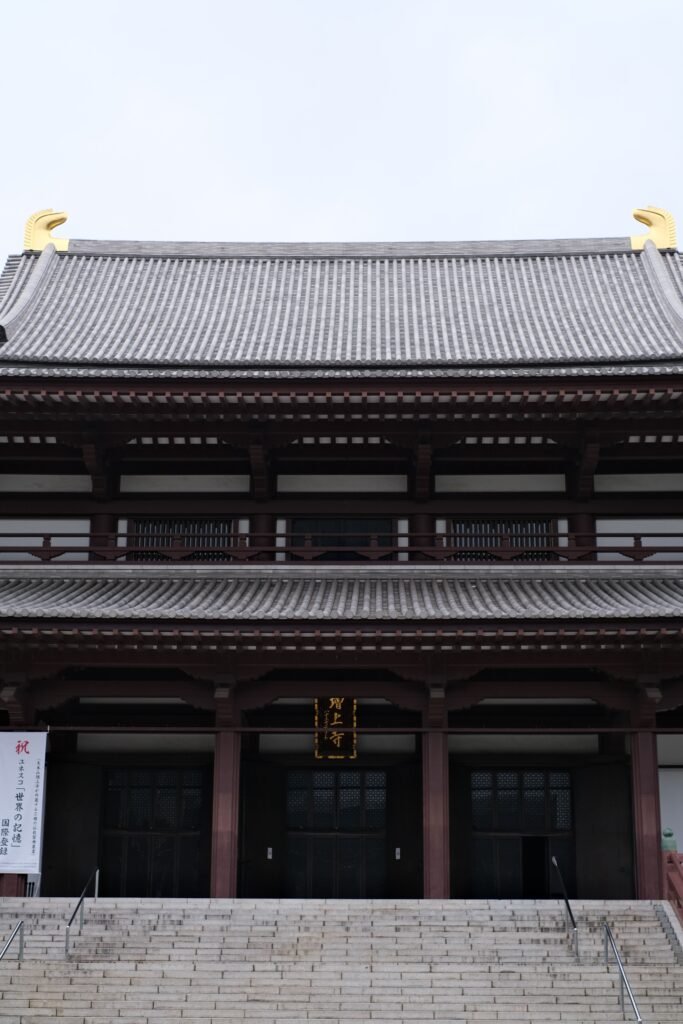
Because the entire experience happens indoors, Sanjusangendo is a good option regardless of weather or season, and it doesn’t have the sharp seasonal peaks that push other temples toward overcrowding. The one exception is the Toshiya archery competition held on the Sunday closest to January 15th, when thousands of participants (many of them young women marking their coming of age) shoot arrows down the hall’s west veranda. It’s a striking event to witness, but the temple grounds get correspondingly packed.
Outside of that, weekday mornings are reliably quiet, and even weekend visits rarely feel crowded the way Kiyomizu-dera or Fushimi Inari can.
What You’re Actually Looking At
The 1,001 Kannon statues. A large seated statue of the thousand-armed Kannon (Senju Kannon) anchors the center of the hall, flanked by 500 standing Kannon statues on each side, arranged in ten rows. Each figure is roughly life-sized, carved from Japanese cypress and covered in gold leaf, and while they were mass-produced by workshops of sculptors over decades in the 12th and 13th centuries, no two faces are quite identical — a detail that rewards slowing down rather than walking straight through.
The guardian statues. In front of the Kannon army stand 28 individually sculpted guardian deities, along with the wind god Fujin and the thunder god Raijin at either end of the hall — some of the most dynamic, expressive sculpture in the building, and a useful contrast to the calm, repeated rows behind them.
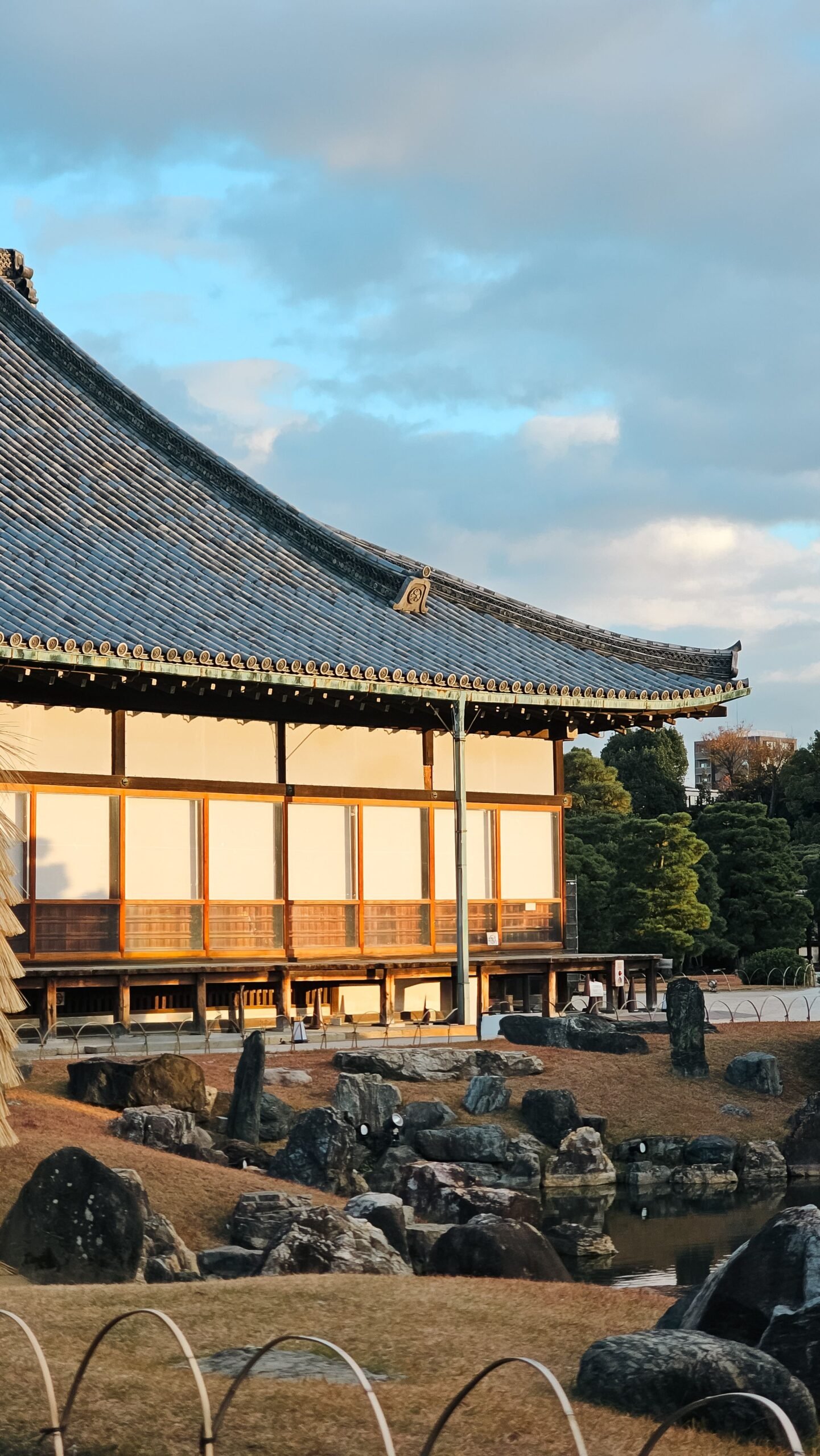
The building itself. At 120 meters, Sanjusangendo is Japan’s longest wooden structure, and its name literally means “hall with thirty-three bays,” referring to the intervals between its support columns. It has survived largely as built in 1266, including two devastating Kyoto fires that destroyed much of the rest of the city.
Nearby, If You Have More Time
Kiyomizu-dera is about a 20-minute walk northeast through the Higashiyama district, making it easy to combine both temples in one outing — our Kiyomizu-dera guide covers that stop in more depth. The Kyoto National Museum, right across the street, is worth at least an hour on its own if you want to extend the visit further.
Where to Stay Nearby
Sanjusangendo’s location — close to Kyoto Station, close to Higashiyama — makes almost any central Kyoto neighborhood a workable base. Our Kyoto neighborhood comparison guide breaks down the trade-offs between staying near the station and staying closer to the Higashiyama temples.
Booking.com is a reasonable place to check availability in either area.
Bottom Line
Sanjusangendo rewards a slower pace than its short official visit time suggests. Budget closer to 45 minutes than 20, walk the full length of the hall rather than glancing in from the entrance, and pair it with Kiyomizu-dera or the National Museum if you have a full morning to spend in this part of the city.