Sannenzaka and Ninenzaka: A Practical Guide to Kyoto’s Historic Slopes
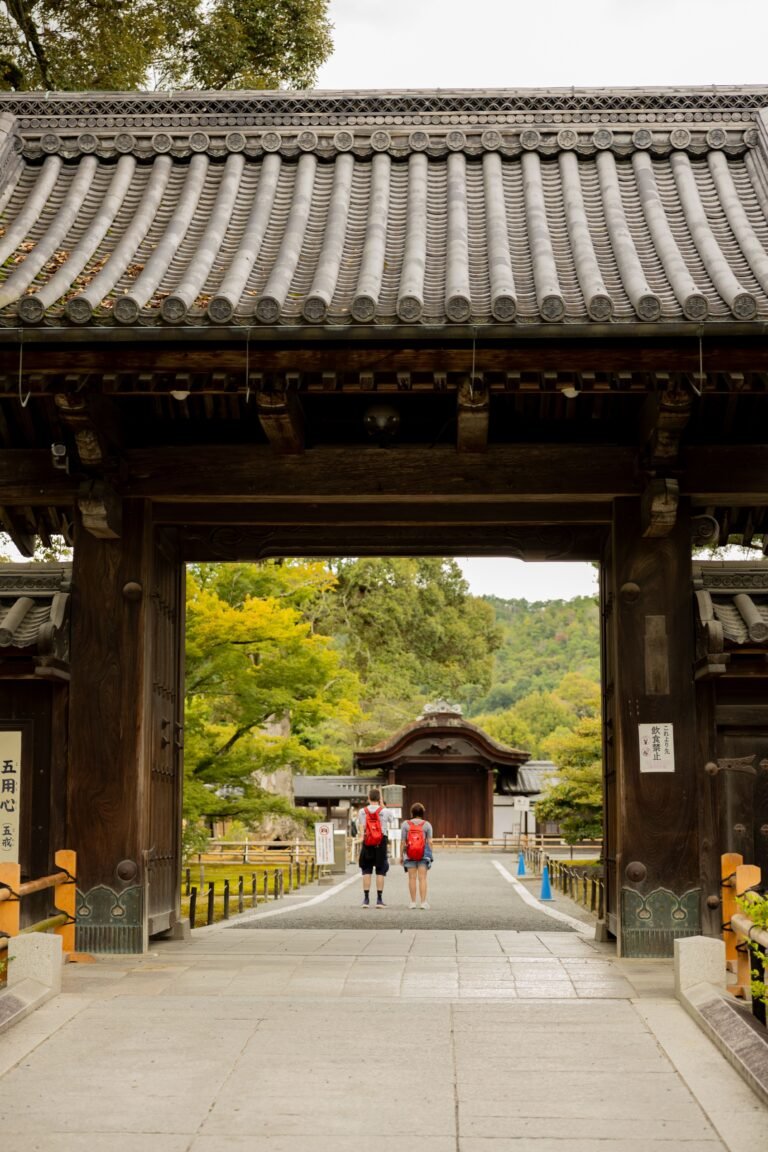
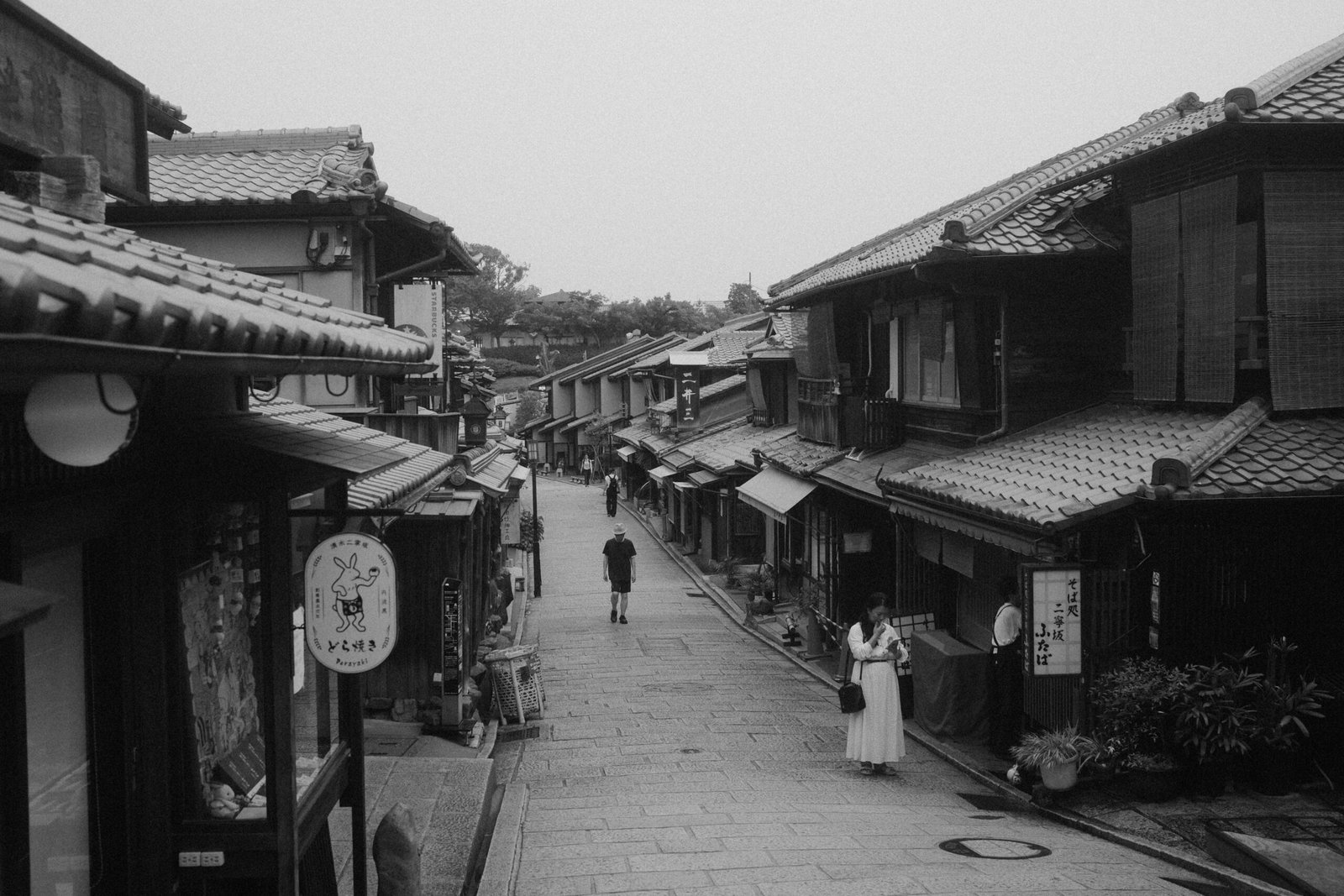
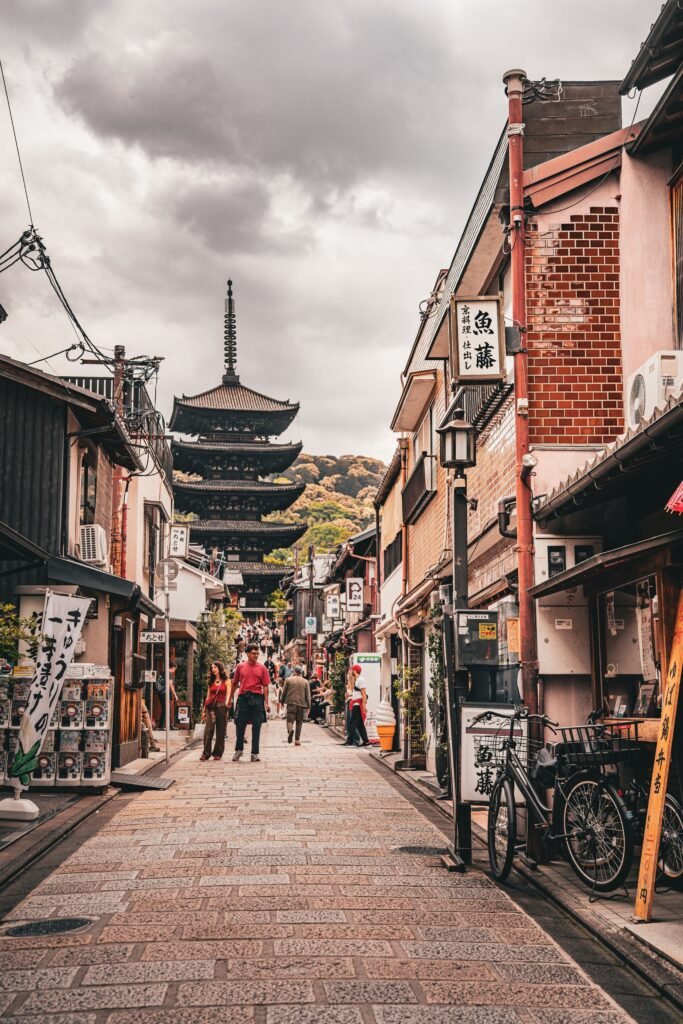
Sannenzaka and Ninenzaka are the two stone-paved slopes that connect Kiyomizu-dera to the rest of Higashiyama, and they’re arguably as photographed as the temple itself. Wooden machiya line both sides, most of them now shops and teahouses, and the streets curve and step down the hill in a way that keeps the whole scene from ever feeling like a straight line of storefronts.
There’s no ticket and no gate here — this is a walk, not a sight, and it works as either a ten-minute connector between two bigger stops or a slow hour of its own if you actually stop at things.
The Essentials at a Glance
| What | Details |
|---|---|
| Admission | Free — public streets, not a ticketed site |
| Length | About 400 meters combined, connecting Kiyomizu-dera to Yasaka-dori and Gion |
| Typical visit length | 10 minutes as a connector, 45–60 minutes if you browse |
| Surface | Stone steps and slopes — flat shoes recommended |
| Least crowded time | Before 9 a.m., paired with an early Kiyomizu-dera visit |
| Nearest sight | Kiyomizu-dera, at the top of the slopes |
Getting There
Most people arrive at the top, coming down from Kiyomizu-dera after a temple visit, which is the natural direction given the hill — our Kiyomizu-dera guide covers getting up there. From the bottom, the slopes start a short walk north of the Higashiyama bus stops, or a 10–15 minute walk south from Gion.
Either direction works fine, though walking downhill from Kiyomizu-dera is easier on the legs and lines up naturally with a morning temple visit.
When to Go
These slopes get some of the worst bottlenecks in Kyoto by mid-morning, simply because they’re narrow, stepped, and funnel directly into and out of Kiyomizu-dera. Pair an early temple visit with an early walk down and you’ll get the whole stretch to yourself, cameras out and shops still setting up for the day.
By late morning on any day with decent weather, the narrower sections can slow to single-file foot traffic, and it stays that way through the afternoon. Evening thins out again once shops start closing, though not every storefront stays lit after dark the way Gion’s do.
What to See and Do
The architecture itself. Both slopes are protected as a Preservation District for Groups of Traditional Buildings, meaning the machiya facades you’re looking at are the real thing, not a reconstruction — slowing down to actually look at the buildings, not just the shopfronts, is worth it.
Yasaka Pagoda. A short detour east of Ninenzaka, this five-story pagoda — part of Hokan-ji temple — is one of the most recognizable silhouettes in Higashiyama, especially photographed from the narrow lane leading up to it.
Shops and snacks. Pickle shops, tea shops, and stalls selling matcha soft-serve and skewered dango line both slopes, along with pottery and souvenir stores that have operated here for generations. None of it is undiscovered, but the quality is generally solid given how tourist-facing the stretch has become.
Nearby, If You Have More Time
The slopes feed almost directly into Yasaka-dori and then Gion to the north — our Gion guide picks up from there. Kodai-ji, a quieter temple with a well-regarded garden, sits just off the route and rarely gets the crowds the slopes do.
Where to Stay Nearby
Southern Higashiyama, where these slopes sit, is one of the most walkable bases in Kyoto for temple-hopping — our Kyoto neighborhood comparison guide covers this area alongside the city’s other main districts.
Small ryokan and machiya guesthouses in this part of Higashiyama put you close enough to walk to Kiyomizu-dera before the crowds arrive. Booking.com is a reasonable place to check what’s available in this specific stretch of the city.
Bottom Line
Walk these slopes early, ideally right after an early Kiyomizu-dera visit, and you’ll get a genuinely different experience than the mid-morning crowds most photos of this stretch show. Wear flat shoes, budget more time than you think for browsing, and don’t rush past the buildings on your way to the next stop.