Where to Stay in Gion: A Practical Guide for First-Time Visitors to Kyoto
This guide contains affiliate links. If you book through them, Kyoto Journey may earn a small commission at no extra cost to you. Learn more.
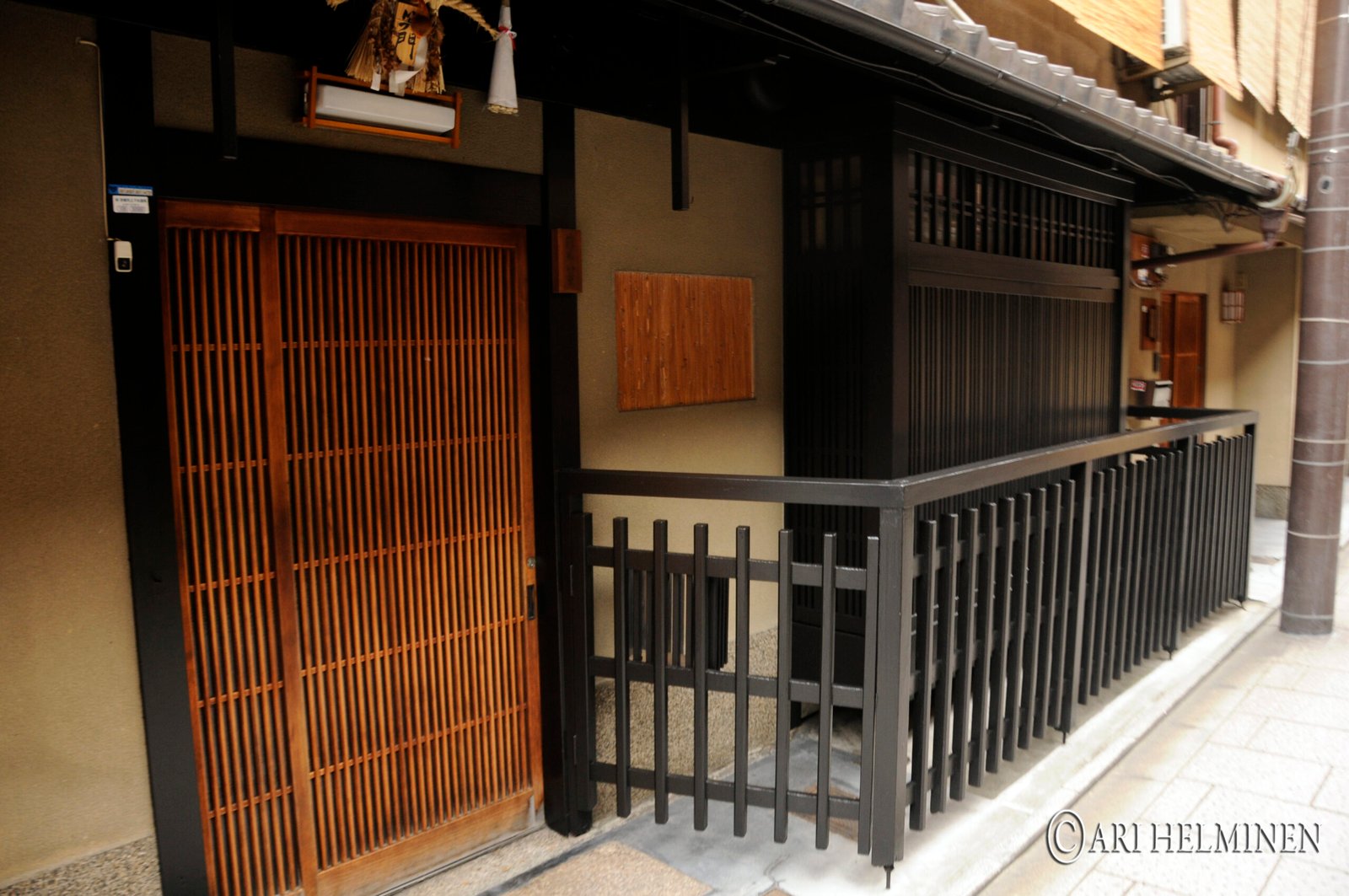
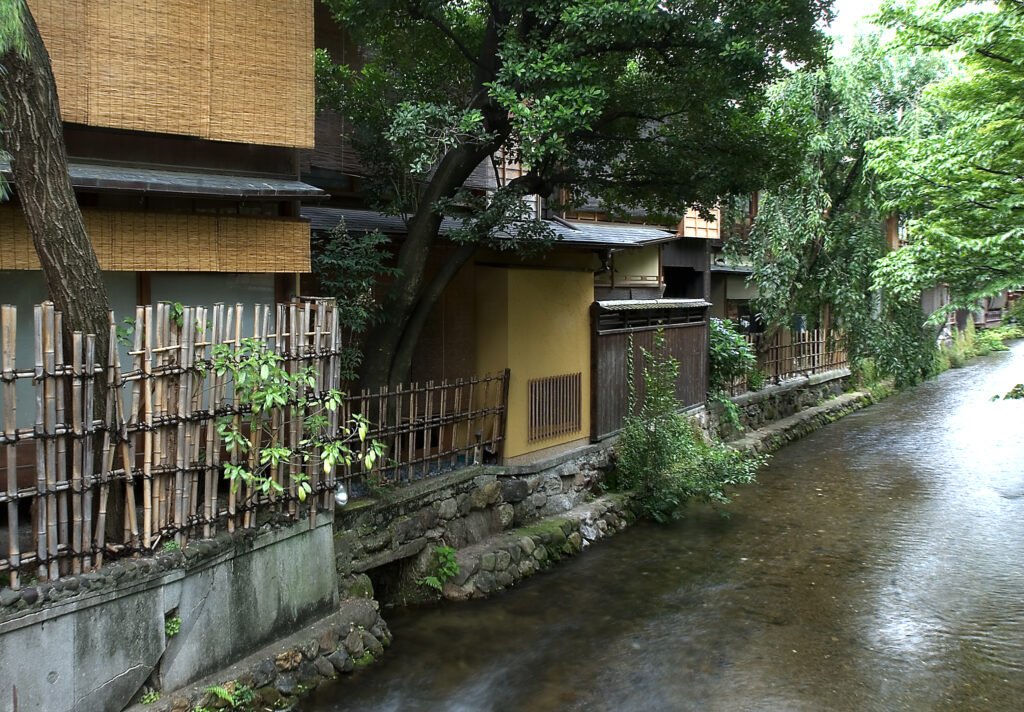
Gion shows up on almost every “best areas to stay in Kyoto” list, and for good reason: it’s the one neighborhood that still looks like the postcards promise, with wooden machiya townhouses, teahouse lanterns, and the Shirakawa canal running past cafes at dusk. But “atmospheric” isn’t the same as “convenient,” and Gion suits some trips far better than others. People ask me some version of “should we actually stay in Gion?” often enough that it’s worth answering properly — what it costs, who it fits, and how it stacks up against the alternatives.

What Staying in Gion Actually Feels Like
The core of the district sits around Hanamikoji and the Shirakawa canal, a short walk from Yasaka Shrine and the base of the Higashiyama slopes. Mornings here are quiet — shutters down on the teahouses, a handful of locals sweeping the street in front of their machiya. By late afternoon it fills in: tour groups, photographers hoping to spot a maiko on her way to an appointment, and a steady flow of visitors drifting between Hanamikoji and Kiyomizu-dera. Inside the core there’s not much in the way of convenience stores or chain restaurants; those are a few minutes’ walk away on Higashioji-dori, the wider road that borders the district. Dining inside Gion itself skews traditional and often expensive — kaiseki, tea houses, reservation-only counters — which is part of the appeal and part of the cost.
Who Should Stay in Gion (and Who Shouldn’t)
Gion is a strong fit if walkable access to eastern Kyoto’s temples and shrines matters more to your trip than nightlife or shopping, if you want at least one night in a traditional ryokan, and if paying a premium for location and atmosphere doesn’t bother you. It’s a weaker fit if you’re arriving straight off the Shinkansen with heavy luggage, since there’s no direct rail link into the district (more on that below); if you’re after late bars and clubs, which cluster closer to Kiyamachi and Pontocho, a ten-minute walk west; or if keeping costs down is the main priority — Gion tends to run more expensive than most other parts of the city for a comparable room.
Gion vs the Other Kyoto Neighborhoods
I’ve covered the full neighborhood breakdown separately in our guide to where to stay in Kyoto, but here’s roughly how Gion compares with the three areas visitors weigh against it most often:
| Neighborhood | Typical price range* | Best for | Getting to/from Kyoto Station |
|---|---|---|---|
| Gion | ¥15,000–¥45,000+ | First-time visitors prioritizing atmosphere and eastern Kyoto sights | ~15–20 min (transfer required; no direct rail) |
| Kyoto Station area | ¥8,000–¥25,000 | Day trips to Nara/Osaka, early Shinkansen departures | 0 min — at the station |
| Shijo-Kawaramachi (Downtown) | ¥10,000–¥30,000 | Shopping, nightlife, central transit hub | ~10–15 min by bus or subway |
| Arashiyama | ¥12,000–¥35,000 | Quieter, nature-focused stays near the bamboo grove and river | ~25–35 min by train |
Those are rough bands, not quotes — exact pricing swings with season, and cherry blossom and autumn foliage weeks push every neighborhood higher. Gion and Arashiyama ryokans in particular can sell out months ahead during the November foliage season.
Getting To and Around Gion
One trade-off worth knowing before you book: Gion has no direct Shinkansen or JR line connection, so if you’re arriving from Shin-Osaka or Tokyo, you’ll need one extra step. The closest stations are Gion-Shijo on the Keihan Main Line and Kyoto-Kawaramachi on the Hankyu Kyoto Line, both on the edge of the district. From Kyoto Station, the simplest route is the JR Nara Line one stop to Tofukuji, then the Keihan Line to Gion-Shijo — about 15–20 minutes including the transfer. City buses 100 and 206 run directly from Kyoto Station to the Gion stop in roughly 20 minutes, and a taxi covers the same trip for around ¥1,300–1,800 depending on traffic. Once you’re there, almost everything in the core — Yasaka Shrine, Hanamikoji, the Shirakawa canal — sits within a ten-minute walk, and the wider Higashiyama area is realistically walkable too; our guide to getting around Kyoto covers IC cards and bus passes if you’re ranging further out.
What Kind of Place to Book
Accommodation in Gion splits roughly into three tiers. Right on Hanamikoji and Shirakawa, you’ll find traditional ryokan and boutique hotels with tatami rooms and kaiseki breakfasts, priced to match — this is the splurge-for-one-night option many visitors save for partway through a longer trip. A short walk back toward Gion-Shijo Station, mid-range hotels (often a Japanese-Western hybrid style) offer private bathrooms and modern fittings at a more reasonable rate while staying a five-minute walk from the core. Further south, toward the quieter side streets of southern Higashiyama, hostels and guesthouses bring the price down further at the cost of a slightly longer walk in. If you want to compare what’s actually available for your dates, Klook’s Kyoto hotel listings let you filter by neighborhood and see Gion options alongside the rest of the city.
A Few Practical Notes Before You Book
Gion is a working entertainment district as well as a residential one, which shapes a few things worth knowing in advance. Evenings get busy with tour groups and photographers around Hanamikoji between roughly 5 and 7pm, when maiko and geiko sometimes pass between appointments; the district has signage, and in places fines, restricting photography of them without consent, so keep that in mind if your room overlooks a lane rather than a quieter side street. Kaiseki dinners and ryokan check-in both tend to run on fixed schedules, so build some slack into your arrival-day plans. And because several streets are genuinely residential, quiet-hours expectations are taken seriously — it’s a different kind of neighborhood than the bar-heavy stretch of Kiyamachi a short walk west.
The Short Version
Stay in Gion if eastern Kyoto’s temples and that particular wooden-lantern atmosphere are the priority, and paying for it doesn’t bother you. Lean toward the Kyoto Station area or Shijo-Kawaramachi instead if budget, day-trip logistics, or nightlife matter more to your trip. Either way, book early: rooms in the neighborhood’s best season windows go first, and the gap between “walking distance to Gion’s lantern-lit lanes” and “a twenty-minute bus ride away” is the main thing you’re paying for here.